
Filter
5664
Text search:
water
management
Featured
635
1693
Language
5479
136
90
67
58
42
29
16
9
9
8
7
7
6
5
4
4
3
3
3
3
3
3
2
2
2
2
2
2
2
2
2
2
2
2
2
2
2
1
1
1
1
1
1
1
1
1
1
1
1
1
1
1
Document type
2889
933
839
376
265
121
116
73
19
19
8
4
1
1
Countries
292
228
172
169
150
147
136
135
129
113
112
112
95
88
78
77
76
69
62
61
60
58
54
53
48
45
43
41
40
37
36
33
30
29
29
28
26
26
22
21
21
20
20
20
19
19
18
18
18
17
16
15
15
14
14
13
13
12
12
11
11
11
11
10
10
9
9
8
8
7
7
7
7
6
6
6
6
6
5
5
5
5
5
4
4
4
4
4
4
3
3
3
3
3
3
3
2
2
2
2
2
2
2
2
2
2
2
2
2
2
2
2
2
2
2
2
1
1
1
1
1
1
1
1
1
1
1
1
1
1
1
1
1
1
1
1
1
1
1
1
1
1
1
Authors & Publishers
701
212
165
146
132
120
100
89
75
61
46
33
29
27
26
26
25
25
24
24
24
23
23
22
22
21
21
20
19
19
19
18
18
18
17
17
17
17
17
16
16
16
16
15
15
15
14
14
14
14
13
13
13
13
13
13
12
12
12
12
12
11
11
11
11
11
11
11
11
11
10
10
10
10
10
10
10
10
10
9
9
9
9
9
9
9
9
9
9
9
9
9
9
9
8
8
8
8
7
7
7
7
7
7
7
7
7
7
7
7
7
7
7
7
7
7
7
7
7
7
6
6
6
6
6
6
6
6
6
6
6
6
6
6
6
6
6
6
6
6
6
6
6
6
6
6
6
5
5
5
5
5
5
5
5
5
5
5
5
5
5
5
5
5
5
5
5
5
5
5
5
5
5
5
5
5
5
5
5
5
5
5
5
5
5
5
5
4
4
4
4
4
4
4
4
4
4
4
4
4
4
4
4
4
4
4
4
4
4
4
4
4
4
4
4
4
4
4
4
4
4
4
4
4
4
4
4
4
4
4
4
4
4
4
4
4
4
4
4
4
4
4
4
4
4
4
4
4
4
4
4
3
3
3
3
3
3
3
3
3
3
3
3
3
3
3
3
3
3
3
3
3
3
3
3
3
3
3
3
3
3
3
3
3
3
3
3
3
3
3
3
3
3
3
3
3
3
3
3
3
3
3
3
3
3
3
3
3
3
3
3
3
3
3
3
3
3
3
3
3
3
3
3
3
3
3
3
3
3
3
3
3
3
3
3
3
3
3
3
3
3
3
3
3
3
3
3
3
3
3
3
3
3
3
3
3
3
3
3
3
3
3
3
3
3
2
2
2
2
2
2
2
2
2
2
2
2
2
2
2
2
2
2
2
2
2
2
2
2
2
2
2
2
2
2
2
2
2
2
2
2
2
2
2
2
2
2
2
2
2
2
2
2
2
2
2
2
2
2
2
2
2
2
2
2
2
2
2
2
2
2
2
2
2
2
2
2
2
2
2
2
2
2
2
2
2
2
2
2
2
2
2
2
2
2
2
2
2
2
2
2
2
2
2
2
2
2
2
2
2
2
2
2
2
2
2
2
2
2
2
2
2
2
2
2
2
2
2
2
2
2
2
2
2
2
2
2
2
2
2
2
2
2
2
2
2
2
2
2
2
2
2
2
2
2
2
2
2
2
2
2
2
2
2
2
2
2
2
2
2
2
2
2
2
2
2
2
2
2
2
2
2
2
2
2
2
2
2
2
2
2
2
2
2
2
2
2
2
2
2
2
2
2
2
2
2
2
2
2
2
2
2
2
2
2
2
2
2
2
2
2
2
2
2
2
2
2
2
2
2
2
2
2
2
2
2
2
2
2
2
2
2
2
2
2
2
2
2
2
2
2
2
2
2
2
2
2
2
2
2
2
2
2
2
2
2
2
2
2
2
2
2
2
2
2
2
2
2
2
2
2
2
2
2
2
2
2
2
2
2
2
2
2
2
2
2
2
2
2
2
2
2
2
2
2
2
2
2
2
2
2
2
2
1
1
1
1
1
1
1
1
1
1
1
1
1
1
1
1
1
1
1
1
1
1
1
1
1
1
1
1
1
1
1
1
1
1
1
1
1
1
1
1
1
1
1
1
1
1
1
1
1
1
1
1
1
1
1
1
1
1
1
1
1
1
1
1
1
1
1
1
1
1
1
1
1
1
1
1
1
1
1
1
1
1
1
1
1
1
1
1
1
1
1
1
1
1
1
1
1
1
1
1
1
1
1
1
1
1
1
1
1
1
1
1
1
1
1
1
1
1
1
1
1
1
1
1
1
1
1
1
1
1
1
1
1
1
1
1
1
1
1
1
1
1
1
1
1
1
1
1
1
1
1
1
1
1
1
1
1
1
1
1
1
1
1
1
1
1
1
1
1
1
1
1
1
1
1
1
1
1
1
1
1
1
1
1
1
1
1
1
1
1
1
1
1
1
1
1
1
1
1
1
1
1
1
1
1
1
1
1
1
1
1
1
1
1
1
1
1
1
1
1
1
1
1
1
1
1
1
1
1
1
1
1
1
1
1
1
1
1
1
1
1
1
1
1
1
1
1
1
1
1
1
1
1
1
1
1
1
1
1
1
1
1
1
1
1
1
1
1
1
1
1
1
1
1
1
1
1
1
1
1
1
1
1
1
1
1
1
1
1
1
1
1
1
1
1
1
1
1
1
1
1
1
1
1
1
1
1
1
1
1
1
1
1
1
1
1
1
1
1
1
1
1
1
1
1
1
1
1
1
1
1
1
1
1
1
1
1
1
1
1
1
1
1
1
1
1
1
1
1
1
1
1
1
1
1
1
1
1
1
1
1
1
1
1
1
1
1
1
1
1
1
1
1
1
1
1
1
1
1
1
1
1
1
1
1
1
1
1
1
1
1
1
1
1
1
1
1
1
1
1
1
1
1
1
1
1
1
1
1
1
1
1
1
1
1
1
1
1
1
1
1
1
1
1
1
1
1
1
1
1
1
1
1
1
1
1
1
1
1
1
1
1
1
1
1
1
1
1
1
1
1
1
1
1
1
1
1
1
1
1
1
1
1
1
1
1
1
1
1
1
1
1
1
1
1
1
1
1
1
1
1
1
1
1
1
1
1
1
1
1
1
1
1
1
1
1
1
1
1
1
1
1
1
1
1
1
1
1
1
1
1
1
1
1
1
1
1
1
1
1
1
1
1
1
1
1
1
1
1
1
1
1
1
1
1
1
1
1
1
1
1
1
1
1
1
1
1
1
1
1
1
1
1
1
1
1
1
1
1
1
1
1
1
1
1
1
1
1
1
1
1
1
1
1
1
1
1
1
1
1
1
1
1
1
1
1
1
1
1
1
1
1
1
1
1
1
1
1
1
1
1
1
1
1
1
1
1
1
1
1
1
1
1
1
1
1
1
1
1
1
1
1
1
1
1
1
1
1
1
1
1
1
1
1
1
1
1
1
1
1
1
1
1
1
1
1
1
1
1
1
1
1
1
1
1
1
1
1
1
1
1
1
1
1
1
1
1
1
1
1
1
1
1
1
1
1
1
1
1
1
1
1
1
1
1
1
1
1
1
1
1
1
1
1
1
1
1
1
1
1
1
1
1
1
1
1
1
1
1
1
1
1
1
1
1
1
1
1
1
1
1
1
1
1
1
1
1
1
1
1
1
1
1
1
1
1
1
1
1
1
1
1
1
1
1
1
1
1
1
1
1
1
1
1
1
1
1
1
1
1
1
1
1
1
1
1
1
1
1
1
1
1
1
1
1
1
1
1
1
1
1
1
1
1
1
1
1
1
1
1
1
1
1
1
1
1
1
1
1
1
1
1
1
1
1
1
1
1
1
1
1
1
1
1
1
1
1
1
1
1
1
1
1
1
1
1
1
1
1
1
1
1
1
1
1
1
1
1
1
1
1
1
1
1
1
1
1
1
1
1
1
1
1
1
1
1
1
1
1
1
1
1
1
1
1
1
1
1
1
1
1
1
1
1
1
1
1
1
1
1
1
1
1
1
1
1
1
1
1
1
1
1
1
1
1
1
1
1
1
1
1
1
1
1
1
1
1
1
1
1
1
1
1
1
1
1
1
1
1
1
1
1
1
1
1
1
1
1
1
1
1
1
1
1
1
1
1
1
1
1
1
1
1
1
1
1
1
1
1
1
1
1
1
1
1
1
1
1
1
1
1
1
1
1
1
1
1
1
1
1
1
1
1
1
1
1
1
1
1
1
1
1
1
1
1
1
1
1
1
1
1
1
1
1
1
1
1
1
1
1
1
1
1
1
1
1
1
1
1
1
1
1
1
1
1
1
1
1
1
1
1
1
1
1
1
1
1
1
1
1
1
1
1
1
1
1
1
1
1
1
1
1
1
1
1
1
1
1
1
1
1
1
1
1
1
1
1
1
1
1
1
1
1
1
1
1
1
1
1
1
1
1
1
1
1
1
1
1
1
1
1
1
1
1
1
1
1
1
1
1
1
1
1
1
1
1
1
1
1
1
1
1
1
1
1
1
1
1
1
1
1
1
1
1
1
1
1
1
1
1
1
1
1
1
1
1
1
1
1
1
1
1
1
1
1
1
1
1
1
1
1
1
1
1
1
1
1
1
1
1
1
1
1
1
1
1
1
1
1
1
1
1
1
1
1
1
1
1
1
1
1
1
1
1
1
1
1
1
1
1
1
1
1
1
1
1
1
1
1
1
1
1
1
1
1
1
1
1
1
1
1
1
1
1
1
1
1
1
1
1
1
1
1
1
1
1
1
1
1
1
1
1
1
1
1
1
1
1
1
1
1
1
1
1
1
1
1
1
1
1
1
1
1
1
1
1
1
1
1
1
1
1
1
1
1
1
1
1
1
1
1
1
1
1
1
1
1
1
1
1
1
1
1
1
1
1
1
1
1
1
1
1
1
1
1
1
1
1
1
1
1
1
1
1
1
1
1
1
1
1
1
1
1
1
1
1
1
1
1
1
1
1
1
1
1
1
1
1
1
1
1
1
1
1
1
1
1
1
1
1
1
1
1
1
1
1
1
1
1
1
1
1
1
1
1
1
1
1
1
1
1
1
1
1
1
1
1
1
1
1
1
1
1
1
1
1
1
1
1
1
1
1
1
1
1
1
1
1
1
1
1
1
1
1
1
1
1
1
1
1
1
1
1
1
1
1
1
1
1
1
1
1
1
1
1
1
1
1
1
1
1
1
1
1
1
1
1
1
1
1
1
1
1
1
1
1
1
1
1
1
1
1
1
1
1
1
1
1
1
1
1
1
1
1
1
1
1
1
1
1
1
1
1
1
1
1
1
1
1
1
1
1
1
1
1
1
1
1
1
1
1
1
1
1
1
1
1
1
1
1
1
1
1
1
1
1
1
1
1
1
1
1
1
1
1
1
1
1
1
1
1
1
1
1
1
1
1
1
1
1
1
1
1
1
1
1
1
1
1
1
1
1
1
1
1
1
1
1
1
1
1
1
1
1
1
1
1
1
1
1
1
1
1
1
1
1
1
1
1
1
1
1
1
1
1
1
1
1
1
1
1
1
1
1
1
1
1
1
1
1
1
1
1
1
1
1
1
1
1
1
1
1
1
1
1
1
1
1
1
1
1
1
1
1
1
1
1
1
1
1
1
1
1
1
1
1
1
1
1
1
1
1
1
1
1
1
1
1
1
1
1
1
1
1
1
1
1
1
1
1
1
1
1
1
1
1
1
1
1
1
1
1
1
1
1
1
1
1
1
1
1
1
1
1
1
1
1
1
1
1
1
1
1
1
1
1
1
1
1
1
1
1
1
1
1
1
1
1
1
1
1
1
1
1
1
1
1
1
1
1
1
1
1
1
1
1
1
1
1
1
1
1
1
1
1
1
1
1
1
1
1
1
1
1
1
1
1
1
1
1
1
1
1
1
1
1
1
1
1
1
1
1
1
1
1
1
1
1
1
1
1
1
1
1
1
1
1
1
1
1
1
1
1
1
1
1
1
1
1
1
1
1
1
1
1
1
1
1
1
1
1
1
1
1
1
1
1
1
1
1
1
1
1
1
1
1
1
1
1
1
1
1
1
1
1
1
1
1
1
1
1
1
1
1
1
1
1
1
1
1
1
1
1
1
1
1
1
1
1
1
1
1
1
1
1
1
1
1
1
1
1
1
1
1
1
1
1
1
1
1
1
1
1
1
1
1
1
1
1
1
1
1
1
1
1
1
1
1
1
1
1
1
1
1
1
1
1
1
1
1
1
1
1
1
1
1
1
1
1
1
1
1
1
1
1
1
1
1
1
1
1
1
1
1
1
1
1
1
1
1
1
1
1
1
1
1
1
1
1
1
1
1
1
1
1
1
1
1
1
1
1
1
1
1
1
1
1
1
1
1
1
1
1
1
1
1
1
1
1
1
1
1
1
1
1
1
1
1
1
1
1
1
1
1
1
1
1
1
1
1
1
1
1
1
1
1
1
1
1
1
1
1
1
1
1
1
1
1
1
1
1
1
1
1
1
1
1
1
1
1
1
1
1
1
1
1
1
1
1
1
1
1
1
1
1
1
1
1
1
1
1
1
1
1
1
1
1
1
1
1
1
1
1
1
1
1
1
1
1
1
1
1
1
1
1
1
1
1
1
1
1
1
1
1
1
1
1
1
1
1
1
1
1
1
1
1
1
1
1
1
1
1
1
1
1
1
1
1
1
1
1
1
1
1
1
1
1
1
1
1
1
1
1
1
1
1
1
1
1
1
1
1
1
1
1
1
1
1
1
1
1
1
1
1
1
1
1
1
1
1
1
1
1
1
1
1
1
1
1
1
1
1
1
1
1
1
1
1
1
1
1
1
1
1
1
1
1
1
1
1
1
1
1
1
1
1
1
1
1
1
1
1
1
1
1
1
1
1
1
1
1
1
1
1
1
1
1
1
1
1
1
1
1
1
1
1
1
1
1
1
1
1
1
1
1
1
1
1
1
1
1
1
1
1
1
1
1
1
1
1
1
1
1
1
1
1
1
1
1
1
1
1
1
1
1
1
1
1
1
1
1
1
1
1
1
1
1
1
1
1
1
1
1
1
1
1
1
1
1
1
1
1
1
1
1
1
1
1
1
1
1
1
1
1
1
1
1
1
1
1
1
1
1
1
1
1
1
1
1
1
1
1
1
1
1
1
1
1
1
1
1
1
1
1
1
1
1
1
1
1
1
1
1
1
1
1
1
1
1
1
1
1
1
1
1
1
1
1
1
1
1
1
1
1
1
1
1
1
1
1
1
1
1
1
1
1
1
1
1
1
1
1
1
1
1
1
1
1
1
1
1
1
1
1
1
1
1
1
1
1
1
1
1
1
1
1
1
1
1
1
1
1
1
1
1
1
1
1
1
1
1
1
1
1
1
1
1
1
1
1
1
1
1
1
1
1
1
1
1
1
1
1
1
1
1
1
1
1
1
1
1
1
1
1
1
1
1
1
1
1
1
1
1
1
1
1
1
1
1
1
1
1
1
1
1
1
1
1
1
1
1
1
1
1
1
1
1
1
1
1
1
1
1
1
1
1
1
1
1
1
1
1
1
1
1
1
1
1
1
1
1
1
1
1
1
1
1
1
1
1
1
1
1
1
1
1
1
1
1
1
1
1
1
1
1
1
1
1
1
1
1
1
1
1
1
1
1
1
1
1
1
1
1
1
1
1
1
1
1
1
1
1
1
1
1
1
1
1
1
1
1
1
1
1
1
1
1
1
1
1
1
1
1
1
1
1
1
1
1
1
1
1
1
1
1
1
1
1
1
1
1
1
1
1
1
1
1
1
1
1
1
1
1
1
1
1
1
1
1
1
1
1
1
1
1
1
1
1
1
1
1
1
1
1
1
1
1
1
1
1
1
1
1
1
1
1
1
1
1
1
1
1
1
1
1
1
1
1
1
1
1
1
1
1
1
1
1
1
1
1
1
1
1
1
1
1
1
1
1
1
1
1
1
1
1
1
1
1
1
1
1
1
1
1
1
1
1
1
1
1
1
1
1
1
1
1
1
1
1
1
1
1
1
1
1
1
1
1
1
1
1
1
1
1
1
1
1
1
1
1
1
1
1
1
1
1
1
1
1
1
1
1
1
1
1
1
1
1
1
1
1
1
1
1
1
1
1
1
1
1
1
1
1
1
1
1
1
1
1
1
1
1
1
1
1
1
1
1
1
1
1
1
1
1
1
1
1
1
1
1
1
1
1
1
1
1
1
1
1
1
1
1
1
1
1
1
1
1
1
1
1
1
1
1
1
1
1
1
1
1
1
1
1
1
1
1
1
1
1
1
1
1
1
1
1
1
1
1
1
1
1
1
1
1
1
1
1
1
1
1
1
1
1
1
1
1
1
1
1
1
1
1
1
1
1
1
1
1
1
1
1
1
1
1
1
1
1
1
1
1
1
1
1
1
1
1
1
1
1
1
1
1
1
1
1
1
1
1
1
1
1
1
1
1
1
1
1
1
1
1
1
1
1
1
1
1
1
1
1
1
1
1
1
1
1
1
1
1
1
1
1
1
1
1
1
1
1
1
1
1
1
1
1
1
1
1
1
1
1
1
1
1
1
1
1
1
1
1
1
1
1
1
1
1
1
1
1
1
1
1
1
1
1
1
1
1
1
1
1
1
1
1
1
1
1
1
1
1
1
1
1
1
1
1
1
1
1
1
1
1
1
1
1
1
1
1
1
1
1
1
1
1
1
1
1
1
1
1
1
1
1
1
1
1
1
1
1
1
1
1
1
1
1
1
1
1
1
1
1
1
1
1
1
1
1
1
1
1
1
1
1
1
1
1
1
1
1
1
1
1
1
1
1
1
1
1
1
1
1
1
1
1
1
1
1
1
1
1
1
1
1
1
1
1
1
1
1
1
1
1
1
1
1
1
1
1
1
1
1
1
1
1
1
1
1
1
1
1
1
1
1
1
1
1
1
1
1
1
1
1
1
1
1
1
1
1
1
1
1
1
1
1
1
1
1
1
1
1
1
1
1
1
1
1
1
1
1
1
1
1
1
1
1
1
1
1
1
1
1
1
1
1
1
1
1
1
1
1
1
1
1
1
1
1
1
1
1
1
1
1
1
1
1
1
1
1
1
1
1
1
1
1
1
1
1
1
1
1
1
1
1
1
1
1
1
1
1
1
1
1
1
1
1
1
1
1
1
1
1
1
1
1
1
1
1
1
1
1
1
1
1
1
1
1
1
1
1
1
1
1
1
1
1
1
1
1
1
1
1
1
1
1
1
1
1
1
1
1
1
1
1
1
1
1
1
1
1
1
1
1
1
1
1
1
1
1
1
1
1
1
1
1
1
1
1
1
1
1
1
1
1
1
1
1
1
1
1
1
1
1
1
1
1
1
1
1
1
1
1
1
1
1
1
1
1
1
1
1
1
1
1
1
1
1
1
1
1
1
1
1
1
1
1
1
1
1
1
1
1
Publication Years
1685
3360
583
34
2
Category
2328
598
358
306
255
134
55
2
Toolboxes
470
361
262
238
209
206
198
195
180
166
144
113
105
104
101
100
97
76
62
55
53
45
39
20
14
12
2
A sanitary inspection is a simple, on-site evaluation (traditionally using a checklist) to help identify and support the management of priority risk factors that may lead to contamination of a drinking-wat
...
er supply. Sanitary inspections are a well-established and widely-applied practice. They can support water safety planning, and in some contexts, may be a simplified alternative to water safety plans.
This publication presents the World Health Organization’s (WHO’s) sanitary inspection packages. These packages update the sanitary inspection forms in WHO’s 1997 Guidelines for drinking-water quality. Volume 3: surveillance and control of community supplies. With more than 25 years of practical experience with the application of sanitary inspections, these packages have been developed from a comprehensive evidence review and established good practices.
more
This field guide is a practical tool for improving and maintaining drinking-water safety. It is designed to be used by YOU as a rural community member who shares responsibility for operation and management
...
of the drinking-water supply in your community. It can also be used by YOU as a staff member of the local health or water supply office, local government authority, nongovernmental organization (NGO) or other community-based organization that supports drinking-water safety in rural communities. Ensuring the safety of the community water supply is a daily job, and community members and other stakeholders have to work jointly to achieve this goal.
more
more
This is a book about community-based research in the service of improving the sustainability and equity of safe water production, consumption, and management at community level in rural Uganda. It p
...
rovides an account of the findings of a five-year combined social science, natural science, and engineering research work programme (2009–14) which took place within and with the community, in the sense that the community identified their water needs and related their everyday struggles with water resourcing to the research team, and they contributed to the outcomes.
Free download of the ebook available
more

Fully functioning water, sanitation, hygiene (WASH) and health care waste management services are a critical aspect of infection prevention and control (IPC) practices, and ensuring patient safety a
...
nd quality of care. Such services are also essential for creating an environment that supports the dignity and human rights of all care seekers, especially mothers, newborns, children and care providers.
WASH and waste services are also critical for preventing and effectively responding to disease outbreaks. The COVID-19 pandemic has exposed gaps in these basic services (Box 1). These gaps threaten the safety of patients and caregivers, and have environmental consequences, especially as a result of large increases in plastic health care waste. In short, WASH is a critical foundation for improving quality across the health system (1).
Many facilities lack plans and budgets for WASH, which has impacts on IPC. This lack of services, and of systems to improve them, compromises the ability to provide safe and quality care, and places health care providers and those seeking care at substantial risk of infection and loss of dignity. Unhygienic health care facilities without drinking water or functional toilets are also a disincentive to seeking care and undermine staff morale – these factors can have a critical impact on controlling infectious disease outbreaks.
Climate change and its impacts on WASH and health services, gender-specific needs, and equity in service provision and management all require rigorous attention, adaptable tools and regular monitoring.
more
The guidelines are presented in the form of the following chapters:
Chapter 1: Floods status and context
Chapter 2: Institutional framework and financial arrangements
Chapter 3: Flood prevention, preparedness and mitigation
Chapter 4: Flood forecasting and warning in India
C ... hapter 5: Dams, reservoirs and other water shortages
Chapter 6: Regulation and enforcement
Chapter 7: Capacity development
Chapter 8: Flood response
Chapter 9: Implementation of guidelines: preparation of flood management plans
Chapter 10: Summary of action points more
Chapter 1: Floods status and context
Chapter 2: Institutional framework and financial arrangements
Chapter 3: Flood prevention, preparedness and mitigation
Chapter 4: Flood forecasting and warning in India
C ... hapter 5: Dams, reservoirs and other water shortages
Chapter 6: Regulation and enforcement
Chapter 7: Capacity development
Chapter 8: Flood response
Chapter 9: Implementation of guidelines: preparation of flood management plans
Chapter 10: Summary of action points more
In many humanitarian emergencies, there is a serious lack of access to even the most basic materials needed for managing the blood in addition to a lack of appropriate sanitation facilities (including water), which are critical for addressing menst
...
rual hygiene. Privacy in emergencies is often scarce, and even if toilets are available they often lack locks, functioning doors, lighting and separation between genders. These barriers are often intensified by cultural beliefs and taboos surrounding menstruation which can restrict the movements and behaviors of girls and women
more
This document highlights the key aspects of safe health-care waste management in order to guide policy-makers, practitioners and facility managers to improve such services in health-care facilities. It is based on the comprehensive WHO handbook Safe
...
management of wastes from health-care activities (WHO, 2014), and also takes into consideration relevant World Health Assembly resolutions, other UN documents and emerging global and national developments on water, sanitation and hygiene and infection prevention and control.
more
WASH Training for Hygiene Promotion Staff.
This manual has been designed to train NRC hygiene promotion incentive staff on ... concept and importance of hygiene, diseases that are present or a risk in Kakuma Refugee. Camp and how to prevent them; monitoring WASH activities and prevention,
...
management & control of diarrheal and vector-borne diseases.
more
The Framework serves to guide efforts to deliver safe and sustainable water, sanitation and hygiene (WASH), health care waste management and reliable electricity in all health care facilities. The u
...
ltimate aim is to provide quality care for all. The Framework reflects a global consultative process and includes data and recommendations articulated in recent WHO/UNICEF global reports on WASH, waste and electricity in health care facilities. It also provides an operational roadmap for implementing the 2023 United Nations General Assembly (UNGA) resolution on WASH, waste and electricity in health care facilities. The target audiences for this Framework include health leaders and programme managers at the global and national levels; policymakers; WASH, waste and energy leaders and technical experts; development partners and finance institutions; and actors and experts on gender equality, disability and social inclusion and climate; and, more generally, civil society. The Framework addresses the WASH, waste and electricity elements of the WHO comprehensive approach to build safe, climate-resilient and environmentally sustainable health care facilities.
more
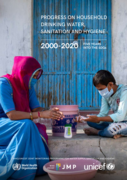
The Joint Monitoring Programme (JMP) report – Progress on household drinking water, sanitation and hygiene 2000 - 2020 – presents estimates on household access to safely managed drinking water,
...
sanitation and hygiene services over the past five years, and assesses progress toward achieving the sixth sustainable development goal (SDG) to ‘Ensure availability and sustainable management of water and sanitation for all by 2030’.
more

Small drinking-water supplies commonly experience operational, managerial, technical and resourcing challenges that impact their ability to deliver safe and reliable services. The needs and opportunities associated with these supplies therefore warr
...
ant explicit consideration in policies and regulations.
These Guidelines, specifically tailored to small water supplies, build on over 60 years of guidance by the World Health Organization (WHO) on drinking-water quality and safety. They focus on establishing drinking-water quality regulations and standards that are health based and context appropriate; on proactively managing risks through water safety planning and sanitary inspections; and on carrying out independent surveillance. The guidance is intended primarily for decision-makers at national and subnational levels with responsibility for developing regulatory frameworks and support programmes related to these activities. Other stakeholders involved in water service provision will also benefit from the guidance in this document.
Designed to be practical and accessible, these Guidelines offer clear guidance that is rooted in the principle of progressive improvement. State-of-the-art recommendations and implementation guidance are provided, drawn from a comprehensive evidence review and established good practices. Additionally, case examples are provided from countries and areas around the world to demonstrate how the guidance in this publication has been implemented in practice in a wide variety of contexts.
Together with WHO’s 2024 Sanitary inspection packages – a supporting tool for the Guidelines for drinking-water quality: small water supplies, these Guidelines update and supersede WHO’s 1997 Guidelines for drinking-water quality. Volume 3: surveillance and control of community supplies. Key changes to this updated publication include a greater focus on preventive risk management and a broader range of small water supplies covered, including those managed by households, communities and professional entities.
more
The document provides essential guidelines for preventing and managing acute diarrhoeal diseases, particularly in complex emergency situations such as conflicts, natural disasters, or health crises. It highlights the importance of access to safe drinking w
...
ater, sanitation, personal hygiene, and the prompt treatment of patients using oral rehydration solutions (ORS). The text also emphasizes the need for coordination between local and international actors to ensure an effective and sustainable response.
more
Climate risks have significant effects on public health including: injury, death, communicable diseases such as vector-borne and water-borne diseases, and non-communicable impacts such as malnutrition, heat stress and health effects of air poll
...
ution.
more
Flood Disaster Risk Management - Hydrological Forecasts: Requirements and Best Practices (Training Module)
Vogelbacher, A.
National Institute of Disaster Management (NIDM), Deutsche Gesellschaft für Internationale Zusammenarbeit (GIZ)
(2013)
C1
This Case Study explores flood forecasting systems from the perspective of its position within the flood warning process. A method for classifying the different approaches taken in flood forecasting is introduced before the elements of a present-day flood forecasting system are discussed in detail.
...
Finally, the state of the art in developing flood forecasting systems is addressed including how to deal with specific challenges posed.
The target group of this case study are decision makers in disaster risk management and/or water management. The case study should help to understand some hydrologic basics of the flood forecast and assist in the administration and implementation of an appropriate flood warning system in a specific environment, to find the best solution for a region.
Best solutions depend mainly on quality and availability of data, the areas and/or points of interest, catchment properties, cross border catchments, and financial capabilities with special consideration of flood forecast. more
The target group of this case study are decision makers in disaster risk management and/or water management. The case study should help to understand some hydrologic basics of the flood forecast and assist in the administration and implementation of an appropriate flood warning system in a specific environment, to find the best solution for a region.
Best solutions depend mainly on quality and availability of data, the areas and/or points of interest, catchment properties, cross border catchments, and financial capabilities with special consideration of flood forecast. more
The document provides detailed guidelines for managing cholera outbreaks, focusing on prevention, diagnosis, treatment, and control strategies. It emphasizes the importance of setting up Cholera Treatment Centers (CTCs), ensuring access to clean water
...
, promoting hygiene, and utilizing oral rehydration solutions (ORS) and antibiotics for treatment. The guide also addresses outbreak surveillance, community education, and resource allocation to effectively mitigate cholera's spread and impact.
more
Control of pollution from antibiotic manufacturing is a key part of safeguarding the longevity of antibiotics for all. Pollution contributes to antibiotic resistance and potentially undermines the effectiveness of medicines. High levels of antibiotics in w
...
ater bodies downstream of manufacturing sites have been widely documented. Currently, antibiotic pollution from manufacturing is largely unregulated and quality assurance criteria typically do not address environmental emissions.
more
Resource Manual on Flash Flood Risk Management - Module 3: Structural Measures
A. Bhakta Shrestha; E. GC; R. Prasad Adhikary; S. Kumar Rai
International Centre for Integrated Mountain Development, ICIMOD, Nepal
(2012)
This publication, the third module of a resource manual to support the training of planners and practitioners in managing flash flood risk, deals with structural measures. It presents bioengineering techniques, physical measures for slope stabilisation and erosion control, and physical measures for
...
river training. It also presents the concept of integrated flood management as a component of integrated water resource management. It emphasizes that structural measures are most effective and sustainable when implemented together with appropriate non-structural measures. The manual is aimed at junior to mid-level professionals with a civil engineering background working on flash flood risk management at the district level.
Flash floods are among the most destructive natural disasters in the Hindu Kush Himalayan region. Flash flood mitigation is generally addressed by community-based organisations, local non-governmental organisations, or district and local-level staff in government organisations. But these groups often lack adequate understanding of the processes causing flash floods and knowledge of flash flood risk management measures.
more
This guidance booklet on Menstrual Hygiene Management (MHM) is intended for adolescent girls and young women. Issues associated with menstruation are never discussed openly and the silence surrounding menstruation burdens young girls by keeping them
...
ignorant of this biological function. Even after the attainment of menarche, very little information is given to young girls about the physiological processes involved and the hygienic practices to be followed.
more
The tippy tap! Resource Platform
recommended
The tippy tap is a hands free way to wash your hands that is especially appropriate for rural areas where there is no running water. It is operated by a foot lever and thus reduces the chance for bacteria transmission as the user touches only the so
...
ap. It uses only 40 millilitres of water to wash your hands versus 500 millilitres using a mug. Additionally, the used “waste” water can go to plants or back into the water table.
While the tippy tap is a great technology, it is just that – a technology. It is important to recognise that there is a difference between great technology and adoption of the technology. However, it is a great tool that can help kick start the conversation about hand washing with soap and help increase this behaviour. And it does so in a fun and easy manner that is especially appealing to children.
more

Based on the Vulnerability Index developed in this review, an estimated 22.7 million persons in Myanmar, or 44% of the population, were found to have some form of vulnerability related to human development and/or exposure to active conflict/violence. These people experience varying combinations of p
...
oor housing, lack of education, poor educational attainment, lack of access to safe sanitation and improved drinking water, and direct exposure to conflict.
Shan and Ayeyarwady have the largest populations of vulnerable persons, a function of both their size and relative vulnerability in comparison to other States and Regions. Yangon and Shan show the widest variation in vulnerability across townships (in terms of the number of vulnerable persons and their level of vulnerability), followed by Mandalay, Chin and Rakhine.
Original file: 15 MB more
Shan and Ayeyarwady have the largest populations of vulnerable persons, a function of both their size and relative vulnerability in comparison to other States and Regions. Yangon and Shan show the widest variation in vulnerability across townships (in terms of the number of vulnerable persons and their level of vulnerability), followed by Mandalay, Chin and Rakhine.
Original file: 15 MB more
