
Filter
1868
Text search:
equity
indicators
Featured
146
572
Language
Document type
1020
360
200
138
101
15
15
9
6
2
Countries
130
70
67
60
49
46
45
41
37
37
37
35
34
34
32
32
32
31
31
31
27
23
17
16
16
14
13
12
12
11
11
10
9
9
9
8
8
8
7
7
7
6
6
5
5
5
5
5
5
4
4
4
4
4
4
4
4
3
3
3
3
3
3
3
3
3
3
3
2
2
2
2
2
2
2
2
2
2
1
1
1
1
1
1
1
1
1
1
1
1
1
1
1
1
1
1
1
1
1
1
1
1
1
1
1
1
1
1
Authors & Publishers
Publication Years
Category
868
149
126
114
111
27
7
Toolboxes
126
96
95
85
80
65
59
56
45
38
37
36
28
26
21
19
19
15
14
11
8
6
6
4
1

The checklist and reference list has two parts: high-level cross-cutting content (Part A) and specific programme content (Part B). Part A applies to all countries and contains situation and response analysis, the NSP development process, the goal, targets and priority-setting of the NSP and the prin
...
The availability of water, sanitation and hygiene (WASH) services in health care facilities, especially in maternity and primary-care settings where they are often absent, supports core aspects of quality, equity and dignity for all people. This doc
...
June 2021. Shock-responsive social protection (SRSP) operates in contexts where rapid on-set disasters mean needs for assistance are acute and urgent. Monitoring and identifying problems in programme design and delivery are therefore critical. However, there is limited existing guidance on how to mo
...
In the region, it is estimated that there are over 650 million persons with disabilities. However, without accurate, timely and disaggregated data, countries are unable to develop effective policies and programmes, monitor the wellbeing of persons with disabilities and evaluate the
...

The 2021 WHO health and climate change global survey report provides a valuable snapshot of the overall progress governments have made in addressing the health risks of climate change. The findings on key health and climate change indicators aim to
...

Health care-associated infections (HAIs) affect patients and health systems every day, causing immense suffering, driving higher health-care costs and hampering efforts to achieve high-quality care for all. HAIs are often difficult to treat, are the major driver of antimicrobial resistance (AMR) and
...
This results report for the biennium 2020–2021 presents the progress towards the triple billion targets, outcomes and outputs, based on the GPW 13 results framework and indicators. It uses structured methodologies, both quantitative and qualitativ
...

The Ghana National Malaria Strategic Plan 2021–2025 aims to reduce malaria mortality by 90% and malaria cases by 50% (using 2019 as baseline) and to achieve pre-elimination in at least six districts by 2025. The plan focuses on scaling up prevention measures like distributing insecticide-treated n
...
The window to 2030, the SDG target year, is closing. Without accelerated and sustained progress, hard-won UHC gains risk being lost. Using revised and improved UHC indicators the report presents the latest available UHC data and concludes with a cal
...

Consolidated guidelines on person-centred HIV strategic information: strengthening routine data for impact
recommended
These guidelines focus on the collection and use of person-centred data across the HIV cascade – from prevention, testing and treatment to longer-term health care – building upon 2017 and 2020 strategic information guidelines. The updated guidelines present a standard minimum dataset, priority
...
Primary health care offers a cost–effective route to achieving universal health coverage (UHC). However, primary health-care systems are weak in many low- and middle-income countries and often fail to provide comprehensive, people-centred, integrated care. We analysed the primar
...
Third edition.
The main changes within the third edition of the JEE tool include the split of the technical area National legislation, policy, and financing into two technical areas (Legal instruments and Financing); the drop of the technical area previously titled Reporting and the move of
...
DHS Further Analysis Reports No. 108 - This report examines levels, trends, and inequalities in maternal health in Rwanda from 2010 to 2014-15 among women age 15-49 with a recent birth. The analysis uses Demographic and Health Survey (DHS) data for 15 key
...
Nepal is on target to meet the Millennium Development Goals for maternal and child health despite high levels of poverty, poor infrastructure, difficult terrain and recent conflict. Each year, nearly 35000 Nepali children die before their fifth birthday, with almost two-thirds of these deaths occurr
...
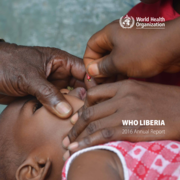
This year marked the beginning of the WHO biennium 2016-2017 action plan; this annual report highlights WHO’s key achievements in 2016
It also documents the extraordinary efforts by a broad coalition of government ministries, municipalities, international agencies, community groups, women’s or
...
Policy Note #1: Myanmar Health Systems in Transition Policy Notes Series
The Government of the Republic of the Union of Myanmar is committed to achieving universal health coverage (UHC) by 2030. In practice, this means that over the next 15 years the aim is to progressively ensure that all peop ...
The Government of the Republic of the Union of Myanmar is committed to achieving universal health coverage (UHC) by 2030. In practice, this means that over the next 15 years the aim is to progressively ensure that all peop ...
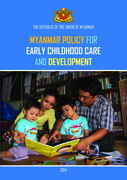
Vision Statement
From birth to 8 years of age, all children of the Republic of the Union of Myanmar will receive holistic, high-quality and developmentally-appropriate care from their parents, caregivers and service providers to ensure they will be happy, healthy, well nourished, socially adept ...
From birth to 8 years of age, all children of the Republic of the Union of Myanmar will receive holistic, high-quality and developmentally-appropriate care from their parents, caregivers and service providers to ensure they will be happy, healthy, well nourished, socially adept ...
Data on the essential building blocks of mental health systems, including mental health
governance, financing, service delivery, human resources and information, are reported. For
mental health planning, it is important to know not only the level of resources in these six areas,
but also how thos
...

Yaya et al. BMC Pregnancy and Childbirth (2018) 18:194
Ensuring equitable access to maternal health care including antenatal, delivery, postnatal services
and fertility control methods, is one of the most critical challenges for public health sector. There are significant
disparities in materna
...

Mental health issues are usually given very low priority in health service policies. Although this is changing, African countries are still confronted with so many problems caused by communicable diseases and malnutrition that they have not woken up to the impact of mental disorders. Every country m
...
