
Filter
2257
Text search:
disaster
management
Featured
245
684
Language
2079
78
62
52
40
32
25
14
11
8
6
5
4
3
3
3
2
2
2
2
2
2
2
2
1
1
1
1
1
1
1
1
1
1
1
1
1
1
1
1
1
1
1
1
1
1
1
Document type
1239
346
223
189
131
46
29
28
17
5
1
1
1
Countries
112
109
77
69
56
48
44
44
43
38
37
31
29
28
26
25
24
23
23
23
22
20
19
19
18
17
16
13
13
13
12
12
12
11
10
10
10
10
9
9
8
8
7
7
6
6
6
6
6
5
5
5
5
5
5
5
4
4
4
4
4
4
4
3
3
3
3
3
3
3
3
3
3
3
3
2
2
2
2
2
2
2
2
2
2
2
2
2
2
2
2
2
2
2
1
1
1
1
1
1
1
1
1
1
1
1
1
1
1
1
1
1
1
1
1
1
1
1
1
1
1
1
Authors & Publishers
223
86
62
50
42
40
40
39
39
34
32
19
19
17
16
16
15
15
13
13
13
12
12
11
11
11
11
10
10
10
10
10
9
9
9
9
9
8
7
7
7
7
7
7
7
6
6
6
6
6
6
6
6
6
6
5
5
5
5
5
5
5
5
5
5
5
5
4
4
4
4
4
4
4
4
4
4
4
4
4
4
4
4
4
4
4
4
4
4
4
4
4
4
4
4
4
4
4
4
3
3
3
3
3
3
3
3
3
3
3
3
3
3
3
3
3
3
3
3
3
3
3
3
3
3
3
3
3
3
3
3
3
3
3
3
3
3
3
3
3
3
3
3
3
3
3
2
2
2
2
2
2
2
2
2
2
2
2
2
2
2
2
2
2
2
2
2
2
2
2
2
2
2
2
2
2
2
2
2
2
2
2
2
2
2
2
2
2
2
2
2
2
2
2
2
2
2
2
2
2
2
2
2
2
2
2
2
2
2
2
2
2
2
2
2
2
2
2
2
2
2
2
2
2
2
2
2
2
2
2
2
2
2
2
2
2
2
2
2
2
2
2
2
2
2
2
2
2
2
2
2
2
2
2
2
2
2
2
2
2
2
2
2
2
2
2
2
2
2
2
2
2
2
2
2
2
2
2
2
2
2
2
2
2
2
2
2
2
2
1
1
1
1
1
1
1
1
1
1
1
1
1
1
1
1
1
1
1
1
1
1
1
1
1
1
1
1
1
1
1
1
1
1
1
1
1
1
1
1
1
1
1
1
1
1
1
1
1
1
1
1
1
1
1
1
1
1
1
1
1
1
1
1
1
1
1
1
1
1
1
1
1
1
1
1
1
1
1
1
1
1
1
1
1
1
1
1
1
1
1
1
1
1
1
1
1
1
1
1
1
1
1
1
1
1
1
1
1
1
1
1
1
1
1
1
1
1
1
1
1
1
1
1
1
1
1
1
1
1
1
1
1
1
1
1
1
1
1
1
1
1
1
1
1
1
1
1
1
1
1
1
1
1
1
1
1
1
1
1
1
1
1
1
1
1
1
1
1
1
1
1
1
1
1
1
1
1
1
1
1
1
1
1
1
1
1
1
1
1
1
1
1
1
1
1
1
1
1
1
1
1
1
1
1
1
1
1
1
1
1
1
1
1
1
1
1
1
1
1
1
1
1
1
1
1
1
1
1
1
1
1
1
1
1
1
1
1
1
1
1
1
1
1
1
1
1
1
1
1
1
1
1
1
1
1
1
1
1
1
1
1
1
1
1
1
1
1
1
1
1
1
1
1
1
1
1
1
1
1
1
1
1
1
1
1
1
1
1
1
1
1
1
1
1
1
1
1
1
1
1
1
1
1
1
1
1
1
1
1
1
1
1
1
1
1
1
1
1
1
1
1
1
1
1
1
1
1
1
1
1
1
1
1
1
1
1
1
1
1
1
1
1
1
1
1
1
1
1
1
1
1
1
1
1
1
1
1
1
1
1
1
1
1
1
1
1
1
1
1
1
1
1
1
1
1
1
1
1
1
1
1
1
1
1
1
1
1
1
1
1
1
1
1
1
1
1
1
1
1
1
1
1
1
1
1
1
1
1
1
1
1
1
1
1
1
1
1
1
1
1
1
1
1
1
1
1
1
1
1
1
1
1
1
1
1
1
1
1
1
1
1
1
1
1
1
1
1
1
1
1
1
1
1
1
1
1
1
1
1
1
1
1
1
1
1
1
1
1
1
1
1
1
1
1
1
1
1
1
1
1
1
1
1
1
1
1
1
1
1
1
1
1
1
1
1
1
1
1
1
1
1
1
1
1
1
1
1
1
1
1
1
1
1
1
1
1
1
1
1
1
1
1
1
1
1
1
1
1
1
1
1
1
1
1
1
1
1
1
1
1
1
1
1
1
1
1
1
1
1
1
1
1
1
1
1
1
1
1
1
1
1
1
1
1
1
1
1
1
1
1
1
1
1
1
1
1
1
1
1
1
1
1
1
1
1
1
1
1
1
1
1
1
1
1
1
1
1
1
1
1
1
1
1
1
1
1
1
1
1
1
1
1
1
1
1
1
1
1
1
1
1
1
1
1
1
1
1
1
1
1
1
1
1
1
1
1
1
1
1
1
1
1
1
1
1
1
1
1
1
1
1
1
1
1
1
1
1
1
1
1
1
1
1
1
1
1
1
1
1
1
1
1
1
1
1
1
1
1
1
1
1
1
1
1
1
1
1
1
1
1
1
1
1
1
1
1
1
1
1
1
1
1
1
1
1
1
1
1
1
1
1
1
1
1
1
1
1
1
1
1
1
1
1
1
1
1
1
1
1
1
1
1
1
1
1
1
1
1
1
1
1
1
1
1
1
1
1
1
1
1
1
1
1
1
1
1
1
1
1
1
1
1
1
1
1
1
1
1
1
1
1
1
1
1
1
1
1
1
1
1
1
1
1
1
1
1
1
1
1
1
1
1
1
1
1
1
1
1
1
1
1
1
1
1
1
1
1
1
1
1
1
1
1
1
1
1
1
1
1
1
1
1
1
1
1
1
1
1
1
1
1
1
1
1
1
1
1
1
1
1
1
1
1
1
1
1
1
1
1
1
1
1
1
1
1
1
1
1
1
1
1
1
1
1
1
1
1
1
1
1
1
1
1
1
1
1
1
1
1
1
1
1
1
1
1
1
1
1
1
1
1
1
1
1
1
1
1
1
1
1
1
1
1
1
1
1
1
1
1
1
1
1
1
1
1
1
1
1
1
1
1
1
1
1
1
1
1
1
1
1
1
1
1
1
1
1
1
1
1
1
1
1
1
1
1
1
1
1
1
1
1
1
1
1
1
1
1
1
1
1
1
1
1
1
1
1
1
1
1
1
1
1
1
1
1
1
1
1
1
1
1
1
1
1
1
1
1
1
1
1
1
1
1
1
1
1
1
1
1
1
1
1
1
1
1
1
1
1
1
1
1
1
1
1
1
1
1
1
1
1
1
1
1
1
1
1
1
1
1
1
1
1
1
1
1
1
1
1
1
1
1
1
1
1
1
1
1
1
1
1
1
1
1
1
1
1
1
1
1
1
1
1
1
1
1
1
1
1
1
1
1
1
1
1
1
1
1
1
1
1
1
1
1
1
1
1
1
1
1
1
1
1
1
1
1
1
1
1
1
1
1
1
1
1
1
1
1
1
1
1
1
1
1
1
1
1
1
1
1
1
1
1
1
1
1
1
1
1
1
1
1
1
1
1
1
1
1
1
1
1
1
1
1
1
1
1
1
1
1
1
1
1
1
1
1
1
1
1
1
1
1
1
1
1
1
1
1
1
1
1
1
1
1
1
1
1
1
1
1
1
1
1
1
1
1
1
1
1
1
1
1
1
1
1
1
1
1
1
1
1
1
1
1
1
1
1
1
1
1
1
1
1
1
1
1
1
1
1
1
1
1
1
1
1
1
1
1
1
1
1
1
1
1
1
1
1
1
1
1
1
1
1
1
1
1
1
1
1
1
1
1
1
1
1
1
1
1
1
1
1
1
1
1
1
1
1
1
1
1
1
1
1
1
1
1
1
1
1
1
1
1
1
1
1
1
1
1
1
1
1
1
1
1
1
1
1
1
1
1
1
1
1
1
1
1
1
1
1
1
1
1
1
1
1
1
1
1
1
1
1
1
1
1
1
1
1
1
1
1
1
1
1
1
1
1
1
1
1
1
1
1
1
1
1
1
1
1
1
1
1
1
1
1
1
1
1
1
1
1
1
1
1
1
1
1
1
1
1
1
1
1
1
1
1
1
1
1
1
1
1
1
1
1
1
1
1
1
1
1
1
1
1
1
1
1
1
1
1
1
1
1
1
1
1
1
1
1
1
1
1
1
1
1
1
1
1
1
1
1
1
1
1
1
1
1
1
1
1
1
1
1
1
1
1
1
1
1
1
1
1
1
1
1
1
1
1
1
1
1
1
1
1
1
1
1
1
1
1
1
1
1
1
1
1
1
1
1
1
1
1
1
1
1
1
1
1
1
1
1
1
1
1
1
1
1
1
1
1
1
1
1
1
1
1
1
1
1
1
1
1
1
1
1
1
1
1
1
1
1
1
1
1
1
1
1
1
1
1
1
1
1
1
1
1
1
1
1
1
1
Publication Years
635
1370
234
17
1
Category
786
417
101
83
65
47
7
1
Toolboxes
172
165
165
163
143
129
106
91
70
64
49
40
39
29
23
20
19
18
13
12
11
7
7
7
4
3
2
This short paper aims to identify key evidence gaps in our knowledge of livestock- and fisheries-linked antimicrobial resistance in the developing world, and to document on-going or planned research initiatives on this topic by key stakeholders.
The antimicrobial resistant (AMR) infections in anima
...
ls that are of most potential risk to human health are likely to be zoonotic pathogens transmitted through food, especially Salmonella and Campylobacter. In addition, livestock associated methicillin resistant Staphylococcus aureus (LA MRSA) and extended spectrum beta lactamase E. coli (ESBL E. coli) are emerging problems throughout the world.
more

UNICEF Strategic Plan 2018-2021. Draft Theory of Change Paper
This resource presents "the minimum level of educational quality and access in emergencies through to recovery. The aim of the handbook is to enhance the quality of educational preparedness, response and recovery; to increase access to safe and relevant learning opportunities for all learners, regar
...
dless of their age, gender or abilities; and to ensure accountability and strong coordination in the provision of education in emergencies through to recovery...The INEE Minimum Standards are organised in five domains: Foundation standards; Access and learning environment; Teaching and learning; Teachers and other education; personnel; Education policy". Available in different languages: English, French, Arabic, Azerbajani, Bangla, Indonesia, Bosnian, Coratian, Serbian, Burmese, Chinese, Dari, Japanese, Nepali, Pashto, Portugese, Russian, Spanish, Turkish, Urdu, Vietnamese
more
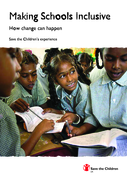
Making education more inclusive requires schools and education authorities to remove the barriers to education experienced by the most excluded children - often the poorest, children with disabilities, children without family care, girls, or children from minority groups. Also included in the text a
...
re examples of children from very remote areas, girls excluded from school, children from ethnic groups, children with language barriers, and children in countries affected by conflict.
more

A guide to increasing coverage and equity in all communities in the African Region
Expanded Programs on Immunization (EPI) is responsible for vaccines and vaccination to control, eliminate and eradicate vaccine preventable diseases (VPDs). Having strong immunization systems to deliver vaccines ... to those who need them most will play a significant role in achieving the health, equity and economic objectives of several global development goals. more
Expanded Programs on Immunization (EPI) is responsible for vaccines and vaccination to control, eliminate and eradicate vaccine preventable diseases (VPDs). Having strong immunization systems to deliver vaccines ... to those who need them most will play a significant role in achieving the health, equity and economic objectives of several global development goals. more

Regional Network for Equity in Health in east and southern Africa (EQUINET): Disussion Paper 110
This report compiles evidence from published, grey literature and key informants on the UNMHCP since its introduction in Uganda’s health system, and findings were further validated during a oneda ... y national stakeholder meeting.
Three main factors motivated introduction of the UNMHCP. First, Uganda, along with other lowincome countries, was unable to implement holistically the primary healthcare (PHC) concepts as set out in the Alma Ata Declaration. Second, the macro-economic restructuring carried out in the 1990s, which was an international conditionality for low-income countries to access development financing, influenced the trend towards more stringent prioritisation of health interventions as a means of rationing and targeting use of resources. Third, the government sought to achieve equity with a service package that would be universally available for all people. more
This report compiles evidence from published, grey literature and key informants on the UNMHCP since its introduction in Uganda’s health system, and findings were further validated during a oneda ... y national stakeholder meeting.
Three main factors motivated introduction of the UNMHCP. First, Uganda, along with other lowincome countries, was unable to implement holistically the primary healthcare (PHC) concepts as set out in the Alma Ata Declaration. Second, the macro-economic restructuring carried out in the 1990s, which was an international conditionality for low-income countries to access development financing, influenced the trend towards more stringent prioritisation of health interventions as a means of rationing and targeting use of resources. Third, the government sought to achieve equity with a service package that would be universally available for all people. more
Article published in: Journal of Intensive Care (2015) 3:16
The objective of this Security Guideline for People with Albinism is to provide concrete and specific advice to people with albinism as well as those working with them, to remain safe within the context of where they live. It also provides easy to implement steps in handling an incident and swiftly
...
mobilize useful resources to try and return a victim back to safety.
more
Mapping "Pro Poor" Policy in Aceh Province 2007-2011

The main goal of the National Health Plan (NHP) 2017-2021 is to extend access to a basic Essential Package of Health Services (EPHS) to the entire population while increasing financial protection. In order to extend service delivery to all communities, the NHP calls for all health workers (whether c
...
ommunity-based, outreach-based or facility-based) involved in the delivery of health promotion, prevention and treatment services to be fully recognised and institutionalized within the health system to ensure efficient use of resources, necessary oversight and quality service provision (regardless of whether the health workers are voluntary or salaried). The first year Annual Operational Plan (AOP) of the NHP 2017-2021 calls for a comprehensive literature review of the situation of all Village Based Health Workers (VBHWs) in the country to inform the development of a comprehensive, institutionalized approach to community health for the country.
more

An evaluation of WFP’s operation. Evaluation Report
The Protracted Relief and Recovery Operation (PRRO) main components include: relief assistance; food assistance for assets (FFA); nutrition support to women, children and HIV/TB patients; school feeding (SF) and capacity building. The evalua ... tion scope covers the design phase and all activities up to this evaluation (January 2013-September 2016). Since the PRRO was extended through December 2017, the purpose is not as a final evaluation, but to provide results on achievements that can inform current and future operations more
The Protracted Relief and Recovery Operation (PRRO) main components include: relief assistance; food assistance for assets (FFA); nutrition support to women, children and HIV/TB patients; school feeding (SF) and capacity building. The evalua ... tion scope covers the design phase and all activities up to this evaluation (January 2013-September 2016). Since the PRRO was extended through December 2017, the purpose is not as a final evaluation, but to provide results on achievements that can inform current and future operations more
Anaesthesia Handbook
recommended
The aim of this handbook is to provide guidance for trained anaesthetists working for the ICRC and to offer advice in areas where practice will differ from that in their home country. It is designed to supplement the practical training given in ICRC war-surgery seminars and to support the work of th
...
e ICRC in war surgery
more
Strengthening resilient agricultural livelihoods
Level 3 responses are activated in the most complex and challenging humanitarian emergencies, when the highest level of mobilization is required across the humanitarian system. Even before the conflict escalated, the country suffered high levels of p
...
overty, food insecurity, undernutrition and malnutrition, water shortages and land degradation. Yemenis are also facing armed conflict, displacement, risk of famine and disease outbreaks.
more
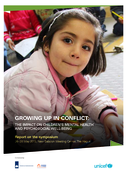
Growing Up in Conflict: The Impact on Children's Mental Health and Psychosocial Well-being
Maria Bray, Sabine Rakotomalala, Leslie Snider, Saji Thomas
UNICEF, Wendy Ager, Pierette James
(2015)
Report on the symposium 26–28 May 2015, New Babylon Meeting Center, The Hague
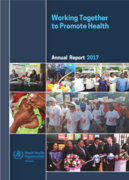
It provides insight into WHO’s work that aims to improve the health of the people of the United Republic of Tanzania in collaboration with key stakeholders.
EVALUATION REPORT | The purpose of the evaluation is to strengthen child protection programming in the context of emergencies by assessing UNICEF’s performance and drawing lessons and recommendations that will influence ongoing and future programmes, in both preparedness and response. Apart from g
...
lobal and regional interviews and desk reviews, the evaluation is grounded in a solid base of evidence from four indepth case studies of recent emergency responses, in Colombia, Democratic Republic of the Congo, Pakistan and South Sudan, as well as extensive research covering eight additional countries.
more
EVALUATION REPORT. This report is a synthesis of the evaluation of UNICEF's response to the 2004 Indian Ocean tsunami in Indonesia that was undertaken in August 2008 to July 2009. The evaluation assessed UNICEF's response in four sectors where it had major involvement: child protection; basic educat
...
ion; water, sanitation and hygiene; and child and maternal health and nutrition.
more
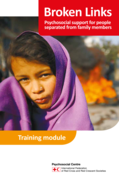
Broken Links: Psychosocial support for people separated from family members (Training
module) and the corresponding Broken Links field guide are designed to support staff and
volunteers in a wide range of settings where they may be in contact with families who have
been separated from their loved
...
ones. The field guide and the training module outline the
causes and consequences of being separated from family members, as well as the types of
contact staff and volunteers might have with families affected by separation.
more

Post-traumatic stress disorder: NICE guideline
recommended
NICE guideline | This guideline covers recognising, assessing and treating post-traumatic stress disorder (PTSD) in children, young people and adults. It aims to improve quality of life by reducing symptoms of PTSD such as anxiety, sleep problems and difficulties with concentration. Recommendations
...
also aim to raise awareness of the condition and improve coordination of care.
more
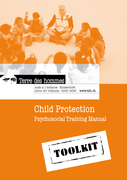
Child protection psychosocial training manual
recommended
The Terre des hommes Child Protection Psychosocial Training Manual has been developed for use in the field
in order to train animators who work with children and other child protection programme staff. It has
been written in response to the needs which exist in Terre des hommes child protection pr
...
ogrammes,
and should be used as a practical tool alongside the Child Protection: Manual for Intervention in Humanitarian
Crisis, previously produced by Terre des hommes.
The modules in this manual have been grouped according to the following categories:
• Level 1: Facilitating a training
• Level 2: Basic concepts for intervention
• Level 3: Animator’s competencies
Each module is laid out under the following headings:
• What is it?
• Why is it useful?
• How can I use it?
more
