Filter
2143
Text search:
protecting
children
Featured
211
512
Language
2063
69
66
40
33
23
13
13
11
9
7
7
6
6
5
5
4
4
4
4
4
4
4
4
4
4
3
3
3
3
3
3
3
3
3
2
2
2
2
2
2
2
2
2
2
2
2
2
2
2
2
2
1
1
1
1
1
1
1
1
1
1
1
1
1
Document type
1078
405
256
154
106
57
36
29
8
5
3
3
1
Countries / Regions
134
59
54
51
51
46
41
39
37
33
31
30
30
30
29
28
26
22
22
21
21
20
20
18
18
17
17
16
14
14
14
13
13
12
12
11
11
10
10
10
10
9
9
8
8
8
8
8
8
8
7
7
7
7
7
6
6
6
5
5
5
5
5
5
5
5
4
4
4
4
3
3
3
3
3
3
3
3
2
2
2
2
2
2
2
2
2
2
2
2
2
2
2
2
2
2
2
2
2
1
1
1
1
1
1
1
1
1
1
1
1
1
1
1
1
1
1
1
1
1
1
1
1
1
1
1
1
1
Authors & Publishers
253
99
81
70
51
50
44
35
32
23
19
16
15
15
15
12
12
11
11
10
10
10
10
10
10
9
8
8
8
8
8
8
8
7
7
7
7
7
7
7
7
7
6
6
6
6
6
6
6
6
6
6
6
6
6
6
5
5
5
5
5
5
5
5
5
5
5
5
5
4
4
4
4
4
4
4
4
4
4
4
4
4
4
4
4
4
4
4
4
4
4
4
4
4
4
4
4
4
3
3
3
3
3
3
3
3
3
3
3
3
3
3
3
3
3
3
3
3
3
3
3
3
3
3
3
3
3
3
3
3
3
3
3
3
3
3
3
3
3
3
3
3
2
2
2
2
2
2
2
2
2
2
2
2
2
2
2
2
2
2
2
2
2
2
2
2
2
2
2
2
2
2
2
2
2
2
2
2
2
2
2
2
2
2
2
2
2
2
2
2
2
2
2
2
2
2
2
2
2
2
2
2
2
2
2
2
2
2
2
2
2
2
2
2
2
2
2
2
2
2
2
2
2
2
2
2
2
2
2
2
2
2
2
2
2
2
2
2
2
2
2
2
2
2
2
2
2
2
2
2
2
2
2
2
2
2
2
2
2
2
2
2
2
2
2
2
2
2
2
2
2
2
2
2
2
2
2
2
2
1
1
1
1
1
1
1
1
1
1
1
1
1
1
1
1
1
1
1
1
1
1
1
1
1
1
1
1
1
1
1
1
1
1
1
1
1
1
1
1
1
1
1
1
1
1
1
1
1
1
1
1
1
1
1
1
1
1
1
1
1
1
1
1
1
1
1
1
1
1
1
1
1
1
1
1
1
1
1
1
1
1
1
1
1
1
1
1
1
1
1
1
1
1
1
1
1
1
1
1
1
1
1
1
1
1
1
1
1
1
1
1
1
1
1
1
1
1
1
1
1
1
1
1
1
1
1
1
1
1
1
1
1
1
1
1
1
1
1
1
1
1
1
1
1
1
1
1
1
1
1
1
1
1
1
1
1
1
1
1
1
1
1
1
1
1
1
1
1
1
1
1
1
1
1
1
1
1
1
1
1
1
1
1
1
1
1
1
1
1
1
1
1
1
1
1
1
1
1
1
1
1
1
1
1
1
1
1
1
1
1
1
1
1
1
1
1
1
1
1
1
1
1
1
1
1
1
1
1
1
1
1
1
1
1
1
1
1
1
1
1
1
1
1
1
1
1
1
1
1
1
1
1
1
1
1
1
1
1
1
1
1
1
1
1
1
1
1
1
1
1
1
1
1
1
1
1
1
1
1
1
1
1
1
1
1
1
1
1
1
1
1
1
1
1
1
1
1
1
1
1
1
1
1
1
1
1
1
1
1
1
1
1
1
1
1
1
1
1
1
1
1
1
1
1
1
1
1
1
1
1
1
1
1
1
1
1
1
1
1
1
1
1
1
1
1
1
1
1
1
1
1
1
1
1
1
1
1
1
1
1
1
1
1
1
1
1
1
1
1
1
1
1
1
1
1
1
1
1
1
1
1
1
1
1
1
1
1
1
1
1
1
1
1
1
1
1
1
1
1
1
1
1
1
1
1
1
1
1
1
1
1
1
1
1
1
1
1
1
1
1
1
1
1
1
1
1
1
1
1
1
1
1
1
1
1
1
1
1
1
1
1
1
1
1
1
1
1
1
1
1
1
1
1
1
1
1
1
1
1
1
1
1
1
1
1
1
1
1
1
1
1
1
1
1
1
1
1
1
1
1
1
1
1
1
1
1
1
1
1
1
1
1
1
1
1
1
1
1
1
1
1
1
1
1
1
1
1
1
1
1
1
1
1
1
1
1
1
1
1
1
1
1
1
1
1
1
1
1
1
1
1
1
1
1
1
1
1
1
1
1
1
1
1
1
1
1
1
1
1
1
1
1
1
1
1
1
1
1
1
1
1
1
1
1
1
1
1
1
1
1
1
1
1
1
1
1
1
1
1
1
1
1
1
1
1
1
1
1
1
1
1
1
1
1
1
1
1
1
1
1
1
1
1
1
1
1
1
1
1
1
1
1
1
1
1
1
1
1
1
1
1
1
1
1
1
1
1
1
1
1
1
1
1
1
1
1
1
1
1
1
1
1
1
1
1
1
1
1
1
1
1
1
1
1
1
1
1
1
1
1
1
1
1
1
1
1
1
1
1
1
1
1
1
1
1
1
1
1
1
1
1
1
1
1
1
1
1
1
1
1
1
1
1
1
1
1
1
1
1
1
1
1
1
1
1
1
1
1
1
1
1
1
1
1
1
1
1
1
1
1
1
1
1
1
1
1
1
1
1
1
1
1
1
1
1
1
1
1
1
1
1
1
1
1
1
1
1
1
1
1
1
1
1
1
1
1
1
1
1
1
1
1
1
1
1
1
1
1
1
1
1
1
1
1
1
1
1
1
1
1
1
1
1
1
1
1
1
1
1
1
1
1
1
1
1
1
1
1
1
1
1
1
1
1
1
1
1
1
1
1
1
1
1
1
1
1
1
1
1
1
1
1
1
1
1
1
1
1
1
1
1
1
1
1
1
1
1
1
1
1
1
1
1
1
1
1
1
1
1
1
1
1
1
1
1
1
1
1
1
1
1
1
1
1
1
1
1
1
1
1
1
1
1
1
1
1
1
1
1
1
1
1
1
1
1
1
1
1
1
1
1
1
1
1
1
1
1
1
1
1
1
1
1
1
1
1
1
1
1
1
1
1
1
1
1
1
1
1
1
1
1
1
1
1
1
1
1
1
1
1
1
1
1
1
1
1
1
1
1
1
1
1
1
1
1
1
1
1
1
1
1
1
1
1
1
1
1
1
1
1
1
1
1
1
1
1
1
1
1
1
1
1
1
1
1
1
1
1
1
1
1
1
1
1
1
1
1
1
1
1
1
1
1
1
1
1
1
1
1
1
1
1
1
1
1
1
1
1
1
1
1
1
1
1
1
1
1
1
1
1
1
1
1
1
1
1
1
1
1
1
1
1
1
1
1
1
1
1
1
1
1
1
1
1
1
1
1
1
1
1
1
1
1
1
1
1
1
1
1
1
1
1
1
1
1
1
1
1
1
1
1
1
1
1
1
1
1
1
1
1
1
1
1
1
1
1
1
1
1
1
1
1
1
1
1
1
1
1
1
1
1
1
1
1
1
1
1
1
1
1
1
1
1
1
1
1
1
1
1
1
1
1
1
1
1
1
1
1
1
1
1
1
1
1
1
1
1
1
1
1
1
1
1
1
1
1
1
1
1
1
1
1
1
1
1
1
1
1
1
1
1
1
1
1
1
1
1
1
1
1
1
1
1
1
1
1
1
1
1
1
1
1
1
1
1
1
1
1
1
1
1
1
1
1
1
1
1
1
1
1
1
1
1
1
1
1
1
1
1
1
1
1
1
1
1
1
1
1
1
1
1
1
1
1
1
1
1
1
1
1
1
1
1
1
1
1
1
1
1
1
1
1
1
1
1
1
1
1
1
1
1
1
1
1
1
1
1
1
1
1
1
1
1
1
1
1
1
1
1
1
1
1
1
1
1
1
1
1
1
1
1
1
1
1
1
1
1
1
1
1
1
1
1
1
1
1
1
1
1
1
1
1
1
1
1
1
1
1
1
1
1
1
1
1
1
1
1
1
1
1
1
1
1
1
1
1
1
1
1
1
1
1
1
1
1
1
1
1
1
1
1
1
1
1
1
1
1
1
1
1
1
1
1
1
1
1
1
1
1
1
1
1
1
1
1
1
1
1
1
1
1
1
1
1
1
1
1
1
1
1
1
1
1
1
1
1
1
1
1
1
1
1
1
1
1
1
1
1
1
1
1
1
1
1
1
1
1
1
1
1
1
1
1
1
1
1
1
1
1
1
1
1
1
1
1
1
1
1
1
1
1
1
1
1
1
1
1
1
1
1
1
1
1
1
1
1
1
1
1
1
1
1
1
1
1
1
1
1
1
1
1
1
1
1
1
1
1
1
1
1
1
1
1
1
1
1
1
1
1
1
1
1
1
1
1
1
1
1
1
1
1
1
1
1
1
1
1
1
1
1
1
1
1
1
1
1
1
1
1
1
1
1
1
1
1
1
1
1
1
1
1
1
1
1
1
1
1
1
1
1
1
1
Publication Years
1
707
1225
196
13
1
Category
699
190
188
108
87
56
9
Toolboxes
248
215
134
118
113
111
88
59
52
47
41
39
33
27
26
25
23
20
20
19
17
15
15
12
10
3
2
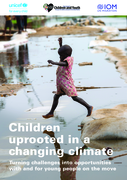
The United Nations Children's Fund (UNICEF), the International Organization for Migration (IOM), Georgetown University, and the United Nations University have today launched new guidelines to provide the first-ever global policy framework that will
...
help protect, include, and empower children on the move in the context of climate change.
The Guiding Principles for Children on the Move in the Context of Climate Change provides a set of 9 principles that address the unique and layered vulnerabilities of children on the move both internally and across borders as a result of the adverse impacts of climate change. Currently, most child-related migration policies do not consider climate and environmental factors, while most climate change policies overlook the unique needs of children.
The guidelines note that climate change is intersecting with existing environmental, social, political, economic, and demographic conditions contributing to people’s decisions to move. In 2020 alone, nearly 10 million children were displaced in the aftermath of weather-related shocks. With around one billion children – nearly half of the world’s 2.2 billion children – living in 33 countries at high risk of the impacts of climate change, millions more children could be on the move in the coming years.
Developed in collaboration with young climate and migration activists, academics, experts, policymakers, practitioners, and UN agencies, the guiding principles are based on the globally ratified Convention on the Rights of the Child and are further informed by existing operational guidelines and frameworks.
Recommendations for safeguarding the rights and well-being of children regardless of their location or migration status.
The guiding principles provide national and local governments, international organizations and civil society groups with a foundation to build policies that protect children’s rights. The organizations and institutions are calling on governments, local and regional actors, international organizations, and civil society groups to embrace the guiding principles to help protect, include, and empower children on the move in the context of climate change.
more
Quick Tips on COVID-19 and Migrant, Refugee and Internally Displaced Children (Children on the Move)
This document will be continuously updated. Version as of April 27th, 2020
Migrant and displaced children are at heightened risk to the immediate and secondary impacts of COVID-19. They often live in cramped conditions with limited access to wat
...
er, sanitation, and hygiene (WASH), may be in immigration detention or “left behind,” live with disabilities, unaccompanied or separated from their families, and can be hardest to reach with accurate information in a language they understand. Migrant workers and refugees can live in the most disadvantaged urban areas, where access to essential services is already limited. Refugee and migrant children may also be prevented from accessing essential services due to legal, documentation, linguistic or safety barriers. Further, the misinformation on the spread of COVID-19 exacerbates the xenophobia and discrimination that migrant and displaced children and their families already face.
more
War Child put forward a specific request for comparative study, addressing the following questions: •What are the key types of intervention for psychosocial assistance that are being applied to children in war-affected areas? •What are the resu
...

lts of (scientific) research into the effects of the most relevant programmes? •Which NGOs operate in this sector and what is their practical experience with specific methods? •How does the War Child methodology relate to developments in the sector; what is known about the effects of War Child’s programme and how can these be measured? How will War Child work towards the development of additional evidence?
more
Children in refugee situations face many potential dangers, such as violence, abuse, exploitation, discrimination, separation from their families, trafficking and military recruitment. The impact of these experiences can be devastating and long-last
...

ing. Children have different needs from adults and these needs can only be identified and met if they are approached in a way that is specific to children.
The impact of the COVID-19 global pandemic has exacerbated the dangers faced by children in refugee situations and laid bare the need for their protection and for ensuring that all their human rights are upheld all the time.
The goal of this publication is to share examples of approaches by members of the Initiative that have proven effective for children.
more
What does the future hold for the world’s children?
In many ways, the future is now. Today’s actions and decisions will determine the future children inherit.
Unfortunately, today's
...
children live in a world fraught with crises, poverty and discrimination. Where far too many are deprived of opportunities to meet their full potential.
We can and must do better.
The future of childhood hangs in the balance.
This year’s State of the World’s Children Report examines the forces and trends shaping our world today and reflects on how they might shape the future.
The report explores three megatrends that will profoundly impact children’s lives between now and 2050: demographics shifts, the climate and environmental crises and frontier technologies.
It also presents three future scenarios – possible outcomes, not predictions – for how children could experience the world of 2050.
As we consider what we can do today, our responsibility is clear: now is the time to shape a better future for every child.
more
Protecting Health from Climate Change Vulnerability And Adaptation Assessment
Peter Berry, Diarmid Campbell-Lendrum, Carlos Corvalan, and Joy Guillemot
Pan American Health Organization
(2010)
CC
The African report on children with disabilities: promising starts and persisting
by Mark Nunn, Annalies Borrel, Allison deFranco et al.
The African Child Policy Forum (ACPF)
(2014)
CC
This pan-African report describes and analyses the cultural, social, physical and other societal barriers preventing children with disabilities in Africa from realising their full human potential. It also describes the opportunities, initiatives and
...
good practices that exist, that indicate the progress, albeit insufficient, that has been made towards realising the rights for children with disabilities in Africa. Recommendations and priorities for action are presented which promote inclusive and accessible laws, policies, and programmes for children with disabilities throughout Africa
more
From response to recovery: Supporting children and communities in Ebola-affected countries
Plan International
(2015)
This policy brief is targeted at national governments, donors and regional and international actors to support Ebola-affected countries to transition from emergency response to recovery.
Towards a policy of inclusion

‘Psychosocial Support of Children in Emergencies’ is a reference document for humanitarian workers who want to increase their understanding of the experiences of children in emergency situations
...
and how to support them in mitigating the negative effects of these experiences and how to prevent further harm. While the book is not designed to be a day-to-day programming tool, it outlines UNICEF’s orientation to the psychosocial principles integral to any work with children and provides a number of examples from field work of how these principles can be turned into concrete actions.
more
This document provides training and guidance on legal capacity and how supported decision making, recovery plans and advance plans help to avoid involuntary detention and treatment and ensure people are able to exercise their right to legal capacity.
The CB MHPSS operational guidelines were developed in response to emerging evidence on the determinants of children’s resilience, lessons learned from the evaluation of existing approaches, and the unique challenges that today’s crises pose for
...
children’s safety, wellbeing and optimal development.
more
The document at hand presents key findings from a project undertaken globally between July 2014 and May 2015 to assess progress made by UNHCR country and regional operations to effectively protect lesbian, gay, bisexual, and transgender, and intersex (LGBTI) asylum-seekers and refugees. Globally, 10
...
6 offices, or roughly 90% of eligible country and regional operations, participated in the assessment. The key findings are presented along the following axes: legal, cultural and social context; outreach activities; displacement conditions; asylum and durable solutions; training on issues related to sexual orientation and gender identity (SOGI); operational guidelines and advocacy efforts.
more
Young people living in the Central African Republic, Chad, Nigeria, Guinea, and Guinea-Bissau are the most at risk of the impacts of climate change, threatening their health, education, and protection, and exposing them to deadly diseases. The report is the first comprehensive analysis of climate ri
...

sk from a child’s perspective. It ranks countries based on children’s exposure to climate and environmental shocks, such as cyclones and heatwaves, as well as their vulnerability to those shocks, based on their access to essential services.
Additional translations of the Executive Summary are available in the following languages, with thanks to Climate Cardinals: English, French, Arabic, Hausa, Portuguese, Spanish, Somali, Yoruba
more
Current evidence that the climate is changing is overwhelming. Impacts of climate change and variability are being observed: more intense heat-waves, fires and floods; and increased prevalence of food- water- and vector-borne diseases. Climate change will put pressure on environmental and health det
...
erminants, such as food safety, air pollution and water quantity and quality. A climate-resilient future depends fundamentally on reducing greenhouse gas emissions. Limiting warming to below 2 °C requires transformational technological, institutional, political and behavioural changes: the foundations for this are laid out in the Paris Agreement of December 2015. The health sector can lead by example, shifting to environmentally friendly practices and minimizing its carbon emissions. A climate-resilient future will increasingly depend on managing and reducing climate change risks to protect health. In the near term, this can be enhanced by including climate change in national health programming and creating climate-resilient health systems.
more
The report also provides country-specific examples showing how direct engagement translated into the adoption of concrete measures, including national legislation and policies. Finally, the report presents key recommendations aimed at intensifying the actions of the international and the humanitaria
...

n communities and strengthening the programmatic response to better target and address the needs and vulnerabilities of all children living in situations of armed conflict.
Full Report and Fact Sheet available in English, French, Spanish and Arabic
more