
Filter
4353
Text search:
mental
health
treatment
Featured
464
894
Language
4026
196
142
100
58
30
29
21
16
15
10
8
8
6
6
6
6
6
5
5
5
5
4
4
4
4
4
4
4
4
4
4
3
3
3
3
3
3
3
3
2
2
2
2
2
2
2
2
2
1
1
1
1
1
1
1
1
1
1
1
1
1
1
1
1
1
1
Document type
2428
683
550
261
159
93
82
48
18
13
9
2
1
Countries
200
187
116
110
107
75
74
70
69
67
65
64
62
61
60
55
54
49
46
44
37
36
36
34
32
31
31
28
28
25
24
23
23
21
21
21
19
19
19
16
15
14
14
14
14
13
12
12
12
12
12
11
11
11
11
10
10
10
10
8
8
8
7
7
7
7
6
6
6
6
6
6
6
5
5
5
4
4
4
4
4
4
4
4
3
3
3
3
3
3
3
3
3
2
2
2
2
2
2
2
2
2
2
2
2
2
2
2
1
1
1
1
1
1
1
1
1
1
1
1
1
1
1
1
1
1
1
1
1
1
1
1
1
1
1
1
1
1
Authors & Publishers
591
210
151
131
125
104
102
73
45
37
36
34
32
30
29
26
25
24
23
23
22
20
19
19
19
18
17
16
16
16
14
14
12
12
12
11
11
11
11
11
11
11
11
11
11
11
10
10
10
10
10
10
10
10
9
9
9
9
8
8
8
8
8
8
8
8
8
8
8
8
8
8
8
7
7
7
7
7
7
7
7
7
7
7
7
7
7
7
7
7
7
7
7
7
7
7
6
6
6
6
6
6
6
6
6
6
6
6
6
6
6
6
6
6
6
6
6
6
5
5
5
5
5
5
5
5
5
5
5
5
5
5
5
5
5
5
5
5
5
5
5
5
4
4
4
4
4
4
4
4
4
4
4
4
4
4
4
4
4
4
4
4
4
4
4
4
4
4
4
4
4
4
4
4
4
4
4
4
4
4
4
4
4
4
4
3
3
3
3
3
3
3
3
3
3
3
3
3
3
3
3
3
3
3
3
3
3
3
3
3
3
3
3
3
3
3
3
3
3
3
3
3
3
3
3
3
3
3
3
3
3
3
3
3
3
3
3
3
3
3
3
3
3
3
3
3
3
3
3
3
3
3
3
3
3
3
3
3
3
3
3
3
3
3
3
3
3
3
3
3
3
3
3
3
3
3
3
3
3
3
3
3
3
2
2
2
2
2
2
2
2
2
2
2
2
2
2
2
2
2
2
2
2
2
2
2
2
2
2
2
2
2
2
2
2
2
2
2
2
2
2
2
2
2
2
2
2
2
2
2
2
2
2
2
2
2
2
2
2
2
2
2
2
2
2
2
2
2
2
2
2
2
2
2
2
2
2
2
2
2
2
2
2
2
2
2
2
2
2
2
2
2
2
2
2
2
2
2
2
2
2
2
2
2
2
2
2
2
2
2
2
2
2
2
2
2
2
2
2
2
2
2
2
2
2
2
2
2
2
2
2
2
2
2
2
2
2
2
2
2
2
2
2
2
2
2
2
2
2
2
2
2
2
2
2
2
2
2
2
2
2
2
2
2
2
2
2
2
2
2
2
2
2
2
2
2
2
2
2
2
2
2
2
2
2
2
2
2
2
2
2
2
2
2
2
2
2
2
2
2
2
2
2
2
2
2
2
2
2
2
2
2
2
2
2
2
2
2
2
2
2
2
2
2
2
2
2
2
2
2
2
2
2
2
2
2
2
2
2
2
2
2
2
2
2
2
2
2
2
2
2
2
2
2
2
2
2
2
2
2
2
2
2
2
2
2
2
2
2
2
2
2
2
2
2
2
2
2
2
2
2
2
1
1
1
1
1
1
1
1
1
1
1
1
1
1
1
1
1
1
1
1
1
1
1
1
1
1
1
1
1
1
1
1
1
1
1
1
1
1
1
1
1
1
1
1
1
1
1
1
1
1
1
1
1
1
1
1
1
1
1
1
1
1
1
1
1
1
1
1
1
1
1
1
1
1
1
1
1
1
1
1
1
1
1
1
1
1
1
1
1
1
1
1
1
1
1
1
1
1
1
1
1
1
1
1
1
1
1
1
1
1
1
1
1
1
1
1
1
1
1
1
1
1
1
1
1
1
1
1
1
1
1
1
1
1
1
1
1
1
1
1
1
1
1
1
1
1
1
1
1
1
1
1
1
1
1
1
1
1
1
1
1
1
1
1
1
1
1
1
1
1
1
1
1
1
1
1
1
1
1
1
1
1
1
1
1
1
1
1
1
1
1
1
1
1
1
1
1
1
1
1
1
1
1
1
1
1
1
1
1
1
1
1
1
1
1
1
1
1
1
1
1
1
1
1
1
1
1
1
1
1
1
1
1
1
1
1
1
1
1
1
1
1
1
1
1
1
1
1
1
1
1
1
1
1
1
1
1
1
1
1
1
1
1
1
1
1
1
1
1
1
1
1
1
1
1
1
1
1
1
1
1
1
1
1
1
1
1
1
1
1
1
1
1
1
1
1
1
1
1
1
1
1
1
1
1
1
1
1
1
1
1
1
1
1
1
1
1
1
1
1
1
1
1
1
1
1
1
1
1
1
1
1
1
1
1
1
1
1
1
1
1
1
1
1
1
1
1
1
1
1
1
1
1
1
1
1
1
1
1
1
1
1
1
1
1
1
1
1
1
1
1
1
1
1
1
1
1
1
1
1
1
1
1
1
1
1
1
1
1
1
1
1
1
1
1
1
1
1
1
1
1
1
1
1
1
1
1
1
1
1
1
1
1
1
1
1
1
1
1
1
1
1
1
1
1
1
1
1
1
1
1
1
1
1
1
1
1
1
1
1
1
1
1
1
1
1
1
1
1
1
1
1
1
1
1
1
1
1
1
1
1
1
1
1
1
1
1
1
1
1
1
1
1
1
1
1
1
1
1
1
1
1
1
1
1
1
1
1
1
1
1
1
1
1
1
1
1
1
1
1
1
1
1
1
1
1
1
1
1
1
1
1
1
1
1
1
1
1
1
1
1
1
1
1
1
1
1
1
1
1
1
1
1
1
1
1
1
1
1
1
1
1
1
1
1
1
1
1
1
1
1
1
1
1
1
1
1
1
1
1
1
1
1
1
1
1
1
1
1
1
1
1
1
1
1
1
1
1
1
1
1
1
1
1
1
1
1
1
1
1
1
1
1
1
1
1
1
1
1
1
1
1
1
1
1
1
1
1
1
1
1
1
1
1
1
1
1
1
1
1
1
1
1
1
1
1
1
1
1
1
1
1
1
1
1
1
1
1
1
1
1
1
1
1
1
1
1
1
1
1
1
1
1
1
1
1
1
1
1
1
1
1
1
1
1
1
1
1
1
1
1
1
1
1
1
1
1
1
1
1
1
1
1
1
1
1
1
1
1
1
1
1
1
1
1
1
1
1
1
1
1
1
1
1
1
1
1
1
1
1
1
1
1
1
1
1
1
1
1
1
1
1
1
1
1
1
1
1
1
1
1
1
1
1
1
1
1
1
1
1
1
1
1
1
1
1
1
1
1
1
1
1
1
1
1
1
1
1
1
1
1
1
1
1
1
1
1
1
1
1
1
1
1
1
1
1
1
1
1
1
1
1
1
1
1
1
1
1
1
1
1
1
1
1
1
1
1
1
1
1
1
1
1
1
1
1
1
1
1
1
1
1
1
1
1
1
1
1
1
1
1
1
1
1
1
1
1
1
1
1
1
1
1
1
1
1
1
1
1
1
1
1
1
1
1
1
1
1
1
1
1
1
1
1
1
1
1
1
1
1
1
1
1
1
1
1
1
1
1
1
1
1
1
1
1
1
1
1
1
1
1
1
1
1
1
1
1
1
1
1
1
1
1
1
1
1
1
1
1
1
1
1
1
1
1
1
1
1
1
1
1
1
1
1
1
1
1
1
1
1
1
1
1
1
1
1
1
1
1
1
1
1
1
1
1
1
1
1
1
1
1
1
1
1
1
1
1
1
1
1
1
1
1
1
1
1
1
1
1
1
1
1
1
1
1
1
1
1
1
1
1
1
1
1
1
1
1
1
1
1
1
1
1
1
1
1
1
1
1
1
1
1
1
1
1
1
1
1
1
1
1
1
1
1
1
1
1
1
1
1
1
1
1
1
1
1
1
1
1
1
1
1
1
1
1
1
1
1
1
1
1
1
1
1
1
1
1
1
1
1
1
1
1
1
1
1
1
1
1
1
1
1
1
1
1
1
1
1
1
1
1
1
1
1
1
1
1
1
1
1
1
1
1
1
1
1
1
1
1
1
1
1
1
1
1
1
1
1
1
1
1
1
1
1
1
1
1
1
1
1
1
1
1
1
1
1
1
1
1
1
1
1
1
1
1
1
1
1
1
1
1
1
1
1
1
1
1
1
1
1
1
1
1
1
1
1
1
1
1
1
1
1
1
1
1
1
1
1
1
1
1
1
1
1
1
1
1
1
1
1
1
1
1
1
1
1
1
1
1
1
1
1
1
1
1
1
1
1
1
1
1
1
1
1
1
1
1
1
1
1
1
1
1
1
1
1
1
1
1
1
1
1
1
1
1
1
1
1
1
1
1
1
1
1
1
1
1
1
1
1
1
1
1
1
1
1
1
1
1
1
1
1
1
1
1
1
1
1
1
1
1
1
1
1
1
1
1
1
1
1
1
1
1
1
1
1
1
1
1
1
1
1
1
1
1
1
1
1
1
1
1
1
1
1
1
1
1
1
1
1
1
1
1
1
1
1
1
1
1
1
1
1
1
1
1
1
1
1
1
1
1
1
1
1
1
1
1
1
1
1
1
1
1
1
1
1
1
1
1
1
1
1
1
1
1
1
1
1
1
1
1
1
1
1
1
1
1
1
1
1
1
1
1
1
1
1
1
1
1
1
1
1
1
1
1
1
1
1
1
1
1
1
1
1
1
1
1
1
1
1
1
1
1
1
1
1
1
1
1
1
1
1
1
1
1
1
1
1
1
1
1
1
1
1
1
1
1
1
1
1
1
1
1
1
1
1
1
1
1
1
1
1
1
1
1
1
1
1
1
1
1
1
1
1
1
1
1
1
1
1
1
1
1
1
1
1
1
1
1
1
1
1
1
1
1
1
1
1
1
1
1
1
1
1
1
1
1
1
1
1
1
1
1
1
1
1
1
1
1
1
1
1
1
1
1
1
1
1
1
1
1
1
1
1
1
1
1
1
1
1
1
1
1
1
1
1
1
1
1
1
1
1
1
1
1
1
1
1
1
1
1
1
1
1
1
1
1
1
1
1
1
1
1
1
1
1
1
1
1
1
1
1
1
1
1
1
1
1
1
1
1
1
1
1
1
1
1
1
1
1
1
1
1
1
1
1
1
1
1
1
1
1
1
1
1
1
1
1
1
1
1
1
1
1
1
1
1
1
1
1
1
1
1
1
1
1
1
1
1
1
1
1
1
1
1
1
1
1
1
1
1
1
1
1
1
1
1
1
1
1
1
1
1
1
1
1
1
1
1
1
1
1
1
1
1
1
1
1
1
1
1
1
1
1
1
1
1
1
1
1
1
1
1
1
1
1
1
1
1
1
1
1
1
1
1
1
1
1
1
1
1
1
1
1
1
1
1
1
1
1
1
1
1
1
1
1
1
1
1
1
1
1
1
1
1
1
1
1
1
1
1
1
1
1
1
1
1
1
1
1
1
1
1
1
1
1
1
1
1
1
1
1
1
1
1
1
1
1
1
1
1
1
1
1
1
1
1
1
1
1
1
1
1
1
1
1
1
1
1
1
1
1
1
1
1
1
1
1
1
1
1
1
1
1
1
1
1
1
1
1
1
1
1
1
1
1
1
1
1
1
1
1
1
1
1
1
1
1
1
1
1
1
1
1
1
1
1
1
1
1
1
1
1
1
1
1
1
1
1
1
1
1
1
1
1
1
1
1
1
1
1
1
1
1
1
1
1
1
1
1
1
1
1
1
1
1
1
1
1
1
1
1
1
1
1
1
1
1
1
1
1
1
1
1
1
1
1
1
1
1
1
1
1
1
1
1
1
1
1
1
1
1
1
1
1
1
1
1
1
1
1
1
1
1
1
1
1
1
1
1
1
1
1
1
1
1
1
1
1
1
1
1
1
1
1
1
1
1
1
1
1
1
1
1
1
1
1
1
1
1
1
1
1
1
1
1
1
1
1
1
1
1
1
1
1
1
1
1
1
1
1
1
1
1
1
1
1
1
1
1
1
1
1
1
1
1
1
1
1
1
1
1
1
1
1
1
1
1
1
1
1
1
1
1
1
1
1
1
1
1
1
1
1
1
1
1
1
1
1
1
1
1
1
1
1
1
1
1
1
1
1
1
1
1
1
1
1
1
1
1
1
1
1
1
1
1
1
1
1
1
1
1
1
1
1
1
1
1
1
1
1
1
1
1
1
1
1
1
1
1
1
1
1
1
1
1
1
1
1
1
1
1
1
1
1
1
1
1
1
1
1
1
1
1
1
1
1
1
1
1
1
1
1
1
1
1
1
1
1
1
1
1
1
1
1
1
1
1
1
1
1
1
1
1
1
1
1
1
1
1
1
1
1
1
1
1
1
1
1
1
1
1
1
1
1
1
1
1
1
1
1
1
1
1
1
1
1
1
1
1
1
1
1
1
1
1
1
1
1
1
1
1
1
1
1
1
1
1
1
1
1
1
1
1
1
1
1
1
1
1
1
1
1
1
1
1
1
1
1
1
1
1
1
1
1
1
1
1
1
1
1
1
1
1
1
1
1
1
1
1
1
1
1
1
1
1
1
1
1
1
1
1
1
1
1
1
1
1
1
1
1
1
1
1
1
1
1
1
1
1
1
1
1
1
1
1
1
1
1
1
1
1
1
1
1
1
1
1
1
1
1
1
1
1
1
1
1
1
1
1
1
1
1
1
1
1
1
1
1
1
1
1
1
1
1
1
1
1
1
1
1
1
1
1
1
1
1
1
1
1
1
1
1
1
1
1
1
1
1
1
1
1
1
1
1
1
1
1
1
1
1
1
1
1
1
1
1
1
1
1
1
1
1
1
1
1
1
1
1
1
1
1
1
1
1
1
1
1
1
1
1
1
1
1
1
1
1
1
1
1
1
1
1
1
1
1
1
1
1
1
1
1
1
1
1
1
1
1
1
1
1
1
1
1
1
1
1
1
1
1
1
1
1
1
1
1
1
1
1
1
1
1
1
1
1
1
1
1
1
1
1
1
1
1
1
1
1
1
1
1
1
1
1
1
1
1
1
1
1
1
1
1
1
1
1
1
1
1
1
1
1
1
1
1
1
1
1
1
1
1
1
1
1
1
1
1
1
1
1
1
1
1
1
1
1
1
1
1
1
1
1
1
1
1
1
1
1
1
1
1
1
1
1
1
1
1
1
1
1
1
1
1
1
1
1
1
1
1
1
1
1
1
1
1
1
1
1
1
1
1
1
1
1
1
1
1
1
1
1
1
1
1
1
1
1
1
1
1
1
1
1
1
1
1
1
1
1
1
1
1
1
1
1
1
1
1
1
1
1
1
1
1
1
1
1
1
1
1
1
1
1
1
1
1
1
1
1
1
1
1
1
1
1
1
1
1
1
1
1
1
1
1
1
1
1
1
1
1
1
1
1
1
1
1
1
1
1
1
1
1
1
1
1
1
1
1
1
1
1
1
1
1
1
1
1
1
1
1
1
1
1
1
1
1
1
1
1
1
1
1
1
1
1
1
1
1
1
1
1
1
1
1
1
1
1
1
1
1
1
1
1
1
1
1
1
1
1
1
1
1
1
1
1
1
1
1
1
1
1
1
1
1
1
1
1
1
1
1
1
1
1
1
1
1
1
1
1
1
1
1
1
1
1
1
1
1
1
1
1
1
1
1
1
1
1
1
1
1
1
1
1
1
1
1
1
1
1
1
1
1
1
1
1
1
1
1
1
1
1
1
1
1
1
1
1
1
1
1
1
1
1
1
1
1
1
1
1
1
1
1
1
1
1
1
1
1
1
1
1
1
1
1
1
1
1
1
1
1
1
1
1
1
1
1
1
1
1
1
1
1
1
1
1
1
1
1
1
1
1
1
1
1
1
1
1
1
1
1
1
1
1
1
1
1
1
1
1
1
1
1
1
1
1
1
1
1
1
1
1
1
1
1
1
1
1
1
1
1
1
1
1
1
1
1
1
1
1
1
1
1
1
1
1
1
1
1
1
1
1
1
1
1
1
1
1
1
1
1
1
1
1
1
1
1
1
1
1
1
1
1
1
1
1
1
1
1
1
1
1
1
1
1
1
1
1
1
1
1
1
1
1
1
1
1
1
1
1
1
1
1
1
1
1
1
1
1
1
1
1
1
1
1
1
1
1
1
1
1
1
1
1
1
1
Publication Years
1347
2575
407
24
Category
1474
262
254
237
185
118
16
3
Toolboxes
1036
397
251
164
163
135
127
124
99
90
74
74
68
49
43
38
36
33
28
18
14
14
11
10
4
3
1
Depression is a leading cause of non-fatal disease burden worldwide, with a lifetime prevalence of 9% among European adult men and 17% among European adult women.
The task at hand requires substantial investments in preventive mental
...
health care, but the potential benefits can be equally rewarding. After all, mental wellbeing is a key resource for learning, productivity, participation and inclusion. Investing in proactive care to promote, protect and sustain mental health in the population is therefore likely to offer good value for money.
more

Session Outline
•General Principles
•Essentials of mental health care and clinical practice: Assessments
•Essentials of mental
...
health care and clinical practice: Management
•Essentials of mental health care and clinical practice: Follow-up
•Reviews
more
Q13: Are strategies aimed at improving community attitudes towards mental, neurological and substance use conditions (e.g. anti-stigma campaigns) feasible and effective?
Primary Care 101
recommended
Symptom-based integrated approach to the adult in primary care.
Primary Care 101 is a comprehensive clinical practice guideline that aims to equip nurses and other clinicians to diagnose and manage common adult conditions at primary level.
Tb; HIV; Asthma/COPD; cardiovascular disease; diabetes;
...
Mental health conditions; Epilepsy; Musculoskeletal disorders; Women’s health
more
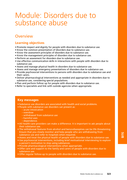
Module: Disorders due to substance abuse mhGAP
recommended
Accessed: 21.03.2019
mhGAP Training Manual for the mhGAP Intervention Guide for mental, neurological and substance use disorders in non-specialized health settings – version 2.0 (for field test
...
ing)
more
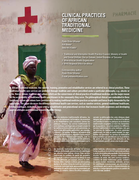
In African traditional medicine, the curative, training, promotive and rehabilitative services are referred to as clinical practices. These traditional health care services are provided through tradition and culture prescribed under a particular phi
...
losophy, e.g. ubuntu or unhu. Norms, taboos, tradition and culture, which are the cornerstones of clinical practice of traditional medicine, are the major reason for the acceptability of traditional health practitioners in the community they serve. The philosophical clinical care embedded in these traditions, culture and taboos have contributed to making traditional medicine practices acceptable and hence highly demanded by the population. This paper discusses the different traditional health care services, such as curative services, general traditional healthcare, mental healthcare, midwifery, bone setting, rehabilitative and promotional services that increases health awareness and developing
positive attitudes and behaviour towards healthier living).
more
The chain-free initiative evolved in response to an urgent need to: provide technical and financial support for hospital reform, improve domestic conditions for people with mental illness, develop community care programmes, raise
...
mental health literacy in the community and among health workers, and ensure that basic rights are monitored and guaranteed
Accessed April 9,2019
more

NAMI HelpLine
Contents
I’m having a lot of anxiety because of the coronavirus. Please help.
I’m quarantined or working from home – lonely and isolated even further – what can I do?
I don’t have health insurance or a regular docto
...
r – how can I get care?
What if I’m quarantined and can’t get my medication? Will there be a shortage?
My business is suffering as a result of the Coronavirus. What assistance programs are available to help?
Are people who have a mental illness at a greater risk of contracting COVID-19?
Is there a vaccine or cure for COVID-19?
I lost a loved one to Coronavirus. Where can I find support?
I’m a smoker. Am I more likely to catch COVID-19? What should I do?
How does homelessness increase risk of contracting COVID-19?
My loved one is incarcerated, are they at increased risk for exposure to COVID-19?
I’m the aging parent of an adult child living with a serious mental illness. I want to be sure they are taken care of.
Are there any online support resources for people with substance use disorders?
more

Severe cases of COVID-19 are associated with rehabilitation needs related to the consequences of ventilatory support, and prolonged immobilization and bed rest. These may include: − Impaired lung function; − Physical deconditioning and muscle weakness; − Delirium and other cognitive impairment
...
s; − Impaired swallow and communication; and − Mental health disorders and psychosocial support needs. − Rehabilitation needs may be amplified by underlying health conditions and decrements in health associated with ageing, − Rehabilitation professionals play an important role in facilitating early discharge, which is especially critical in the context of hospital bed shortages. − Rehabilitation needs of people with severe COVID-19 exist during the acute, sub-acute and long-term phases of care; rehabilitation professionals should be positioned in ICUs, hospital wards, stepdown facilities and in the community. − Particularly in the acute phase, rehabilitation interventions for patients with severe COVID-19 requiring ventilatory support generally require a particular skill-set acquired through specialist training.
more

This booklet is intended to heighten awareness of the mental health needs of nurses and provide useful exercises to assist nurses to manage stress at work.
This book is not designed to be a substit
...
ute for professional advice. It should be used in conjunction with specific health advice from your health care provider.
more
Understanding and building resilience to early life trauma in Belarus and Ukraine
Marais, J.F.; Ol. Kazakova, D. Krupchanka, et al.
World Health Organization WHO, Regional Office of Europe
(2019)
C_WHO
In 2018 and early 2019, the WHO Regional Office for Europe’s cultural contexts of health and well-being project worked alongside the University of Exeter’s WHO Collaborating Centre on Culture and Healt
...
h, the Minsk Regional Centre for Psychiatry and Addiction, and the Institute of Mental Health of the Ukrainian Catholic University to engage researchers, practitioners, health-care workers and other relevant stakeholders in a series of workshops on the cultural contexts of early life trauma in Belarus and Ukraine.
more

Access to NCD medicines: emergent issues during the COVID-19 pandemic and key structural factors
recommended
The coronavirus disease (COVID-19) pandemic exacerbated pre-existing inequalities in the treatment and care of noncommunicable diseases (NCDs). This report examines the effect of the COVID-19 pandemic on access to NCD medicines, and the policies and
...
strategies implemented by countries and health systems to anticipate and mitigate stresses across NCD medicine supply chains. The full range of upstream and downstream impacts are investigated, including: manufacturing; procurement, importation and last mile delivery; patient-level effects through affordability and availability; and the effects on NCD medicine availability by category of disease. The report culminates in recommended actions and interventions for key stakeholders in the NCD pharmaceutical supply chain, including governments, regulatory authorities, manufacturers and the private sector; as well as directions for future research for improving access and supply chain access resilience.
more

Surveillance of NCDs
World Health Organization WHO; Eastern Mediterranean Region
World Health Organization (WHO)
(2024)
C_WHO
The WHO Eastern Mediterranean Region's Noncommunicable Diseases (NCD) Data and Statistics page offers comprehensive information on NCD surveillance, including mortality rates, morbidity, and risk factor exposures. It emphasizes the importance of monitoring NCD trends to inform prevention and control
...
strategies, aligning with global targets such as reducing premature NCD deaths by one-third by 2030. The page also highlights the WHO STEPwise approach to NCD risk factor surveillance, providing standardized methods for data collection and analysis.
more
Maladies non transmissibles 2024
World Health Organization WHO; Eastern Mediterranean Region
World Health Organization (WHO)
(2024)
C_WHO
The WHO Eastern Mediterranean Region's Noncommunicable Diseases (NCD) Data and Statistics page offers comprehensive information on NCD surveillance, including mortality rates, morbidity, and risk factor exposures. It emphasizes the importance of monitoring NCD trends to inform prevention and control
...
strategies, aligning with global targets such as reducing premature NCD deaths by one-third by 2030. The page also highlights the WHO STEPwise approach to NCD risk factor surveillance, providing standardized methods for data collection and analysis.
more
Surveillance of NCDs - arabic version
World Health Organization WHO; Eastern Mediterranean Region
World Health Organization (WHO)
(2024)
C_WHO
The WHO Eastern Mediterranean Region's Noncommunicable Diseases (NCD) Data and Statistics page offers comprehensive information on NCD surveillance, including mortality rates, morbidity, and risk factor exposures. It emphasizes the importance of monitoring NCD trends to inform prevention and control
...
strategies, aligning with global targets such as reducing premature NCD deaths by one-third by 2030. The page also highlights the WHO STEPwise approach to NCD risk factor surveillance, providing standardized methods for data collection and analysis.
more

The coronavirus disease (COVID-19) pandemic exacerbated pre-existing inequalities in the treatment and care of noncommunicable diseases (NCDs). This report examines the effect of the COVID-19 pandemic on access to NCD medicines, and the policies and
...
strategies implemented by countries and health systems to anticipate and mitigate stresses across NCD medicine supply chains. The full range of upstream and downstream impacts are investigated, including: manufacturing; procurement, importation and last mile delivery; patient-level effects through affordability and availability; and the effects on NCD medicine availability by category of disease. The report culminates in recommended actions and interventions for key stakeholders in the NCD pharmaceutical supply chain, including governments, regulatory authorities, manufacturers and the private sector; as well as directions for future research for improving access and supply chain access resilience.
more
У цьому модулі описано основні принципи медичної допомоги людям, які її потребують, зокрема людям з ПНПР-розладами, а також їхнім доглядачам.
У першому підрозділі Ñ
...
†ього модуля подаються загальні принципи клінічної практики.
more

Caring for burns patients from the incident scene to definitive treatment can be a complex, resource-consuming process with the potential to overwhelm health system capacity.This document provides p
...
ractical guidance for building capacity and capability for burns care from clinical, human resources and operational perspectives. It is therefore recommended that guidance in this document be applied to any contexts in which the local health system might struggle to cope and require surge support.
more
Guidelines for essential trauma care
recommended
The Guidelines for essential trauma care seek to set achievable standards for trauma treatment services which could realistically be made available to almost every injured person in the world. They then seek to define the resources that would be nec
...
essary to assure such care. These include human resources (staffing and training) and physical resources (infrastructure, equipment and supplies).
more
Directrices de la OMS sobre el tratamiento farmacológico del dolor persistente en niños con enfermedades médicas
World Health Organization
(2012)
The Access to Controlled Medications Programme identified the development of treatment guidelines that cover the treatment of all types of pain as one of the core areas of focus for improving acces
...
s to opioid analgesics. Such guidelines are interesting both for health-care professionals and policy-makers. They are also important in improving access to controlled medicines for determining when those opioid medicines and when non-opioid medicines are preferred.
Based on a Delphi study, WHO planned the development of three treatment guidelines, covering chronic pain in children, chronic pain in adults and acute pain.
more
