
Filter
2316
Text search:
stay
safe
Featured
277
621
Language
2274
58
58
43
25
23
17
17
11
8
7
7
6
6
6
6
5
5
5
4
4
4
4
4
4
4
4
4
4
4
3
3
3
3
3
3
3
3
3
3
3
3
3
3
2
2
2
2
2
2
2
2
2
2
2
2
2
1
1
1
1
1
1
1
1
1
1
1
Document type
1126
352
343
180
108
90
56
25
13
7
7
6
1
1
Countries
129
100
63
59
59
55
53
49
49
46
44
40
35
34
33
33
31
30
19
18
17
16
16
16
16
15
13
12
12
12
11
11
11
11
10
10
9
9
9
9
8
8
8
8
8
8
8
7
7
6
6
6
6
6
6
6
6
5
5
5
5
4
4
4
4
4
4
4
4
4
3
3
3
3
3
2
2
2
2
2
2
2
2
2
2
2
2
2
2
2
1
1
1
1
1
1
1
1
1
1
1
1
1
1
1
1
1
1
1
1
1
1
1
1
1
1
1
1
1
1
1
1
1
1
1
Authors & Publishers
301
88
69
66
57
45
44
38
27
25
25
23
23
18
18
17
16
15
15
15
15
14
14
13
13
12
12
10
10
10
10
10
9
9
9
9
9
9
9
8
8
8
8
8
8
7
7
7
7
7
7
6
6
6
6
6
6
6
6
6
6
6
6
6
5
5
5
5
5
5
5
5
5
5
5
5
5
5
5
5
5
5
4
4
4
4
4
4
4
4
4
4
4
4
4
4
4
4
4
4
4
4
4
4
4
4
4
4
4
4
3
3
3
3
3
3
3
3
3
3
3
3
3
3
3
3
3
3
3
3
3
3
3
3
3
3
3
3
3
3
3
3
3
3
3
3
3
3
3
3
3
3
3
3
3
3
3
3
3
2
2
2
2
2
2
2
2
2
2
2
2
2
2
2
2
2
2
2
2
2
2
2
2
2
2
2
2
2
2
2
2
2
2
2
2
2
2
2
2
2
2
2
2
2
2
2
2
2
2
2
2
2
2
2
2
2
2
2
2
2
2
2
2
2
2
2
2
2
2
2
2
2
2
2
2
2
2
2
2
2
2
2
2
2
2
2
2
2
2
2
2
2
2
2
2
2
2
2
2
2
2
2
2
2
2
2
2
2
2
2
2
2
2
2
2
2
2
2
2
2
2
2
2
2
2
2
2
2
2
2
2
2
2
2
2
2
2
2
2
2
2
2
2
2
2
2
2
2
2
2
2
2
2
2
2
2
2
1
1
1
1
1
1
1
1
1
1
1
1
1
1
1
1
1
1
1
1
1
1
1
1
1
1
1
1
1
1
1
1
1
1
1
1
1
1
1
1
1
1
1
1
1
1
1
1
1
1
1
1
1
1
1
1
1
1
1
1
1
1
1
1
1
1
1
1
1
1
1
1
1
1
1
1
1
1
1
1
1
1
1
1
1
1
1
1
1
1
1
1
1
1
1
1
1
1
1
1
1
1
1
1
1
1
1
1
1
1
1
1
1
1
1
1
1
1
1
1
1
1
1
1
1
1
1
1
1
1
1
1
1
1
1
1
1
1
1
1
1
1
1
1
1
1
1
1
1
1
1
1
1
1
1
1
1
1
1
1
1
1
1
1
1
1
1
1
1
1
1
1
1
1
1
1
1
1
1
1
1
1
1
1
1
1
1
1
1
1
1
1
1
1
1
1
1
1
1
1
1
1
1
1
1
1
1
1
1
1
1
1
1
1
1
1
1
1
1
1
1
1
1
1
1
1
1
1
1
1
1
1
1
1
1
1
1
1
1
1
1
1
1
1
1
1
1
1
1
1
1
1
1
1
1
1
1
1
1
1
1
1
1
1
1
1
1
1
1
1
1
1
1
1
1
1
1
1
1
1
1
1
1
1
1
1
1
1
1
1
1
1
1
1
1
1
1
1
1
1
1
1
1
1
1
1
1
1
1
1
1
1
1
1
1
1
1
1
1
1
1
1
1
1
1
1
1
1
1
1
1
1
1
1
1
1
1
1
1
1
1
1
1
1
1
1
1
1
1
1
1
1
1
1
1
1
1
1
1
1
1
1
1
1
1
1
1
1
1
1
1
1
1
1
1
1
1
1
1
1
1
1
1
1
1
1
1
1
1
1
1
1
1
1
1
1
1
1
1
1
1
1
1
1
1
1
1
1
1
1
1
1
1
1
1
1
1
1
1
1
1
1
1
1
1
1
1
1
1
1
1
1
1
1
1
1
1
1
1
1
1
1
1
1
1
1
1
1
1
1
1
1
1
1
1
1
1
1
1
1
1
1
1
1
1
1
1
1
1
1
1
1
1
1
1
1
1
1
1
1
1
1
1
1
1
1
1
1
1
1
1
1
1
1
1
1
1
1
1
1
1
1
1
1
1
1
1
1
1
1
1
1
1
1
1
1
1
1
1
1
1
1
1
1
1
1
1
1
1
1
1
1
1
1
1
1
1
1
1
1
1
1
1
1
1
1
1
1
1
1
1
1
1
1
1
1
1
1
1
1
1
1
1
1
1
1
1
1
1
1
1
1
1
1
1
1
1
1
1
1
1
1
1
1
1
1
1
1
1
1
1
1
1
1
1
1
1
1
1
1
1
1
1
1
1
1
1
1
1
1
1
1
1
1
1
1
1
1
1
1
1
1
1
1
1
1
1
1
1
1
1
1
1
1
1
1
1
1
1
1
1
1
1
1
1
1
1
1
1
1
1
1
1
1
1
1
1
1
1
1
1
1
1
1
1
1
1
1
1
1
1
1
1
1
1
1
1
1
1
1
1
1
1
1
1
1
1
1
1
1
1
1
1
1
1
1
1
1
1
1
1
1
1
1
1
1
1
1
1
1
1
1
1
1
1
1
1
1
1
1
1
1
1
1
1
1
1
1
1
1
1
1
1
1
1
1
1
1
1
1
1
1
1
1
1
1
1
1
1
1
1
1
1
1
1
1
1
1
1
1
1
1
1
1
1
1
1
1
1
1
1
1
1
1
1
1
1
1
1
1
1
1
1
1
1
1
1
1
1
1
1
1
1
1
1
1
1
1
1
1
1
1
1
1
1
1
1
1
1
1
1
1
1
1
1
1
1
1
1
1
1
1
1
1
1
1
1
1
1
1
1
1
1
1
1
1
1
1
1
1
1
1
1
1
1
1
1
1
1
1
1
1
1
1
1
1
1
1
1
1
1
1
1
1
1
1
1
1
1
1
1
1
1
1
1
1
1
1
1
1
1
1
1
1
1
1
1
1
1
1
1
1
1
1
1
1
1
1
1
1
1
1
1
1
1
1
1
1
1
1
1
1
1
1
1
1
1
1
1
1
1
1
1
1
1
1
1
1
1
1
1
1
1
1
1
1
1
1
1
1
1
1
1
1
1
1
1
1
1
1
1
1
1
1
1
1
1
1
1
1
1
1
1
1
1
1
1
1
1
1
1
1
1
1
1
1
1
1
1
1
1
1
1
1
1
1
1
1
1
1
1
1
1
1
1
1
1
1
1
1
1
1
1
1
1
1
1
1
1
1
1
1
1
1
1
1
1
1
1
1
1
1
1
1
1
1
1
1
1
1
1
1
1
1
1
1
1
1
1
1
1
1
1
1
1
1
1
1
1
1
1
1
1
1
1
1
1
1
1
1
1
1
1
1
1
1
1
1
1
1
1
1
1
1
1
1
1
1
1
1
1
1
1
1
1
1
1
1
1
1
1
1
1
1
1
1
1
1
1
1
1
1
1
1
1
1
1
1
1
1
1
1
1
1
1
1
1
1
1
1
1
1
1
1
1
1
1
1
1
1
1
1
1
1
1
1
1
1
1
1
1
1
1
1
1
1
1
1
1
1
1
1
1
1
1
1
1
1
1
1
1
1
1
1
1
1
1
1
1
1
1
1
1
1
1
1
1
1
1
1
1
1
1
1
1
1
1
1
1
1
1
1
1
1
1
1
1
1
1
1
1
1
1
1
1
1
1
1
1
1
1
1
1
1
1
1
1
1
1
1
1
1
1
1
1
1
1
1
1
1
1
1
1
1
1
1
1
1
1
1
1
1
1
1
1
1
1
1
1
1
1
1
1
1
1
1
1
1
1
1
1
1
1
1
1
1
1
1
1
1
1
1
1
1
1
1
1
1
1
1
1
1
1
1
1
1
1
1
1
1
1
1
1
1
1
1
1
1
1
1
1
1
1
1
1
1
1
1
1
1
1
1
1
1
1
1
1
1
1
1
1
1
1
1
1
1
1
1
1
1
1
1
1
1
1
1
1
1
1
1
1
1
1
1
1
1
1
1
1
1
1
1
1
1
1
1
1
1
1
1
1
1
1
1
1
1
1
1
1
1
1
1
1
1
1
1
1
1
1
1
1
1
1
1
1
1
1
1
1
1
1
1
1
1
1
1
1
1
1
1
1
1
1
1
1
1
1
1
1
1
1
1
1
1
1
1
1
1
1
1
1
1
1
1
1
1
1
1
1
1
1
1
1
1
1
1
1
1
1
1
1
1
1
1
1
1
1
1
1
1
1
1
1
1
1
1
1
1
1
1
1
1
1
1
1
1
1
1
1
1
1
1
1
1
1
1
1
1
1
1
1
1
1
1
1
1
1
1
1
1
1
1
1
1
1
1
1
1
1
1
1
1
1
1
1
1
1
1
1
1
1
1
1
1
1
1
1
1
1
1
1
1
1
1
1
1
1
1
1
1
1
1
1
1
1
1
1
1
1
1
1
1
1
1
1
1
1
1
1
1
1
1
1
1
1
1
1
1
1
1
1
1
1
1
1
1
1
1
1
1
1
1
1
1
1
1
1
1
1
1
1
1
1
1
1
1
1
1
1
1
1
1
1
1
1
1
1
1
1
1
1
1
1
Publication Years
1
795
1316
194
9
1
Category
783
200
146
138
131
99
11
1
Toolboxes
339
220
118
107
103
103
94
75
64
61
54
44
35
32
31
29
28
23
20
20
18
15
13
10
5
1
1
The purpose of these guidelines is to help health workers to participate in the process of continuous surveillance of safety and efficacy of the pharmaceutical products which are used in clinical practice, thus help to achieve the ultimate goal to make safer and more effective treatment available to
...
patients. This guideline addresses specifically the issues on what to report, why to report, when to report, where to report and how to report.
more
The aim of this report is to: (1) synthesize the findings from selected maternal and newborn related studies in Nepal conducted during 2011-2014, (2) identify areas of improvement in existing interventions, and (3) recommend possible strategies to fulfill such gaps.
Nepal has made substantial progress in reducing under-five mortality and is on track to achieve Millennium Development Goal 4, but advances in neonatal health are less encouraging. The objectives of this study were to assess relative and absolute inequalities in neonatal mortality over time, and to
...
review experience with major programs to promote neonatal health.
more
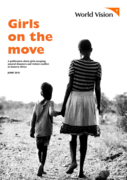
A publication about girls escaping natural disasters and violent conflict in Eastern Africa
Children are on the move. In East Africa region, it is estimated that over 5 million children have migrated across borders or been forcibly displaced in their own country.
Forcable displacement is p ... ushing more and more children out of their homes and communities, escaping the violence of war and conflict, only to fall vulnerable to other forms of violence. Girls are particularly vulnerable and need extra protection.
Every day, girls on the move in East Africa face a variety of rights violations, including:
• Exploitation and violence
• Being separated from their families
• Deprivation of essential services
• Use and recruitment by armed groups
• Sexual abuse
• Child marriage
This report highlights concerns that girls in eastern Africa face and calls on international and national decision makers to prevent and end violence that children face when they are forced to flee their homes. more
Children are on the move. In East Africa region, it is estimated that over 5 million children have migrated across borders or been forcibly displaced in their own country.
Forcable displacement is p ... ushing more and more children out of their homes and communities, escaping the violence of war and conflict, only to fall vulnerable to other forms of violence. Girls are particularly vulnerable and need extra protection.
Every day, girls on the move in East Africa face a variety of rights violations, including:
• Exploitation and violence
• Being separated from their families
• Deprivation of essential services
• Use and recruitment by armed groups
• Sexual abuse
• Child marriage
This report highlights concerns that girls in eastern Africa face and calls on international and national decision makers to prevent and end violence that children face when they are forced to flee their homes. more
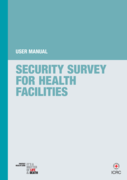
Security Survey for Health Facilities
recommended
The purpose of the survey is to identify the level of preparedness required by a health-care facility to be able to continue operating during, or following a conflict-related security event.
The survey method provides a measure of the security and preparedness of a given health facility in it ... s specific context. Such a measure offers evidence-based guidance to assess whether urgent action needs to be taken and, if so, in what form.
Decision-makers can prioritize the most effective actions to mitigate specific risks and, eventually, will be able to rank the importance of needs faced by multiple facilities.
The survey covers three modules: the hazards affecting the facility, the current management procedures in place and the state of the physical infrastructure. Each of these modules is further divided into categories, and each category contains the questions – or indicators ‒ that cover the actual issues addressed in the survey. A detailed description of each indicator is provided in this manual. more
The survey method provides a measure of the security and preparedness of a given health facility in it ... s specific context. Such a measure offers evidence-based guidance to assess whether urgent action needs to be taken and, if so, in what form.
Decision-makers can prioritize the most effective actions to mitigate specific risks and, eventually, will be able to rank the importance of needs faced by multiple facilities.
The survey covers three modules: the hazards affecting the facility, the current management procedures in place and the state of the physical infrastructure. Each of these modules is further divided into categories, and each category contains the questions – or indicators ‒ that cover the actual issues addressed in the survey. A detailed description of each indicator is provided in this manual. more
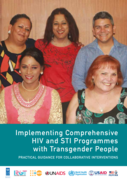
This publication offers practical advice on implementing HIV and STI programmes for transgender people, with a focus on transgender women, aligned with the 2011 Recommendations and the 2014 Key Populations Consolidated Guidelines. It contains examples of good practice from around the world that may
...
support efforts in planning programmes and services, and describes issues that should be considered and how to overcome challenges.
This tool describes how services can be designed and implemented to be acceptable and accessible to transgender women. To accomplish this, respectful and ongoing engagement with them is essential.
This tool gives particular attention to programmes run by transgender people themselves, in contexts where this is possible. more
This tool describes how services can be designed and implemented to be acceptable and accessible to transgender women. To accomplish this, respectful and ongoing engagement with them is essential.
This tool gives particular attention to programmes run by transgender people themselves, in contexts where this is possible. more
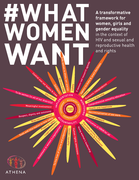
This report brings attention to achieving gender equality in the context of women, girls, and the HIV response. This six-month consultation in 2016 with adolescent women and young girls found that #WhatWomenWant is: collaboration and joint action by all to invest in women's HIV and Sexual and Reprod
...
uctive Health and Rights (SRHR), to be leaders and articulate the priorities of women and girls in all their diversity, and to speak to the new Political Declaration on AIDS and the SDG framework as a tool for civil society to meet their agenda to achieve gender equality in the HIV and SRHR response.
more

This booklet presents key messages for action, summarized from a set of chapters on different environmental health issues, available at www.who.int/ ceh/publications/healthyenvironmentsforhealthychildren. The work is a result of an on-going partnership between WHO, UNEP and UNICEF in the area of chi
...
ldren’s environmental health, and seeks to update the 2002 joint publication “Children in the New Millennium: Environmental Impact on Health.”
more

An action research conducted in Bang Shau village Northern Shan State, Myanmar

A companion to the Child Friendly Schools Manual
WASH in Schools aims to improve the health and learning performance of school-aged children – and, by extension, that of their families – by reducing the incidence of water and sanitation-related diseases. Every child friendly school r ... equires appropriate WASH initiatives that keep the school environment clean and free of smells and inhibit the transmission of harmful bacteria, viruses and parasites. more
WASH in Schools aims to improve the health and learning performance of school-aged children – and, by extension, that of their families – by reducing the incidence of water and sanitation-related diseases. Every child friendly school r ... equires appropriate WASH initiatives that keep the school environment clean and free of smells and inhibit the transmission of harmful bacteria, viruses and parasites. more
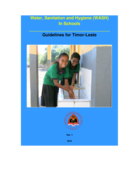
The development of water, sanitation and hygiene (WASH) in schools guidelines for TimorLeste is a landmark moment in our quest to make every school child-friendly – a place where every child can learn, play and grow with pride and dignity. The overarching goal is to improve health, boost education
...
achievement and promote gender equity in our schools.
The guidelines set clear levels of acceptable standards for water supply, provision of sanitation facilities and hygiene promotion in schools and provide a common framework and policy direction for all sub-sector actors. Therefore, all implementing agencies, managers, planners, architects, water and sanitation technicians, teaching staff, school directors, school boards, district WASH committees, local authorities and other relevant bodies should consult these guidelines, when making implementation plans. more
The guidelines set clear levels of acceptable standards for water supply, provision of sanitation facilities and hygiene promotion in schools and provide a common framework and policy direction for all sub-sector actors. Therefore, all implementing agencies, managers, planners, architects, water and sanitation technicians, teaching staff, school directors, school boards, district WASH committees, local authorities and other relevant bodies should consult these guidelines, when making implementation plans. more
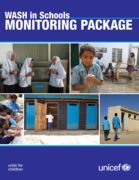
The package is designed to help address the WASH in Schools monitoring deficit at the national level.
The package consists of three modules:
The EMIS module: a set of basic monitoring questions on WASH in Schools to be incorporated into national Education Monitoring Information Syst ... ems (EMIS), usually administered annually;
The survey module: a more comprehensive set of questions, observations and focus group discussion guidelines for use in national WASH in Schools surveys as well as for sub-national, project level or thematic surveys;
The children’s monitoring module: a teacher’s guide and tool set for the monitoring of WASH in Schools by students, including observation checklists, survey questions and special monitoring exercises. more
The package consists of three modules:
The EMIS module: a set of basic monitoring questions on WASH in Schools to be incorporated into national Education Monitoring Information Syst ... ems (EMIS), usually administered annually;
The survey module: a more comprehensive set of questions, observations and focus group discussion guidelines for use in national WASH in Schools surveys as well as for sub-national, project level or thematic surveys;
The children’s monitoring module: a teacher’s guide and tool set for the monitoring of WASH in Schools by students, including observation checklists, survey questions and special monitoring exercises. more

A two-week mission was conducted by WASH and quality UHC technical experts from WHO headquarters and supported by the WHO Ethiopia Country Office (WASH and health systems teams) in July 2016, to understand how change in WASH services and quality improvements have been implemented in Ethiopia at nati
...
onal, sub-national and facility levels; to document existing activities; and through the “joint lens” of quality UHC and WASH, to identify and seek to address key bottlenecks in specific areas including leadership, policy/financing, monitoring and evaluation, evidence application and facility improvements. Ethiopia has implemented a number of innovative and successful interventions.
more
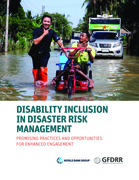
Disability Inclusion in Disaster Risk Management: Promising practices and opportunities for enhanced engagement
Guernsey, Katherine; Scherrer, Valérie
Global Facility for Disaster Reduction and Recovery (GFDRR), World Bank
(2018)
C1
This paper provides information to assist World Bank and GFDRR staff in affecting disability-inclusive DRM. It is based upon desk reviews of existing practice, as well as consultations with experts in the field of disability-inclusive DRM. The paper:
- Illustrates promising practices related to ... disability-inclusive DRM;
- Identifies key gaps in knowledge and practices;
- Identifies value-added areas for GFDRR and the World Bank, including specific actions they can take to advance the disability and social inclusion agenda in DRM;
It includess:
- Relevant guiding international policy frameworks;
- Disability inclusion in the priorities of the Sendai Framework for Disaster Risk Reduction; - Illustrations of promising practices in disability-inclusive DRM;
- An annex of resources related to disability and DRM. more
- Illustrates promising practices related to ... disability-inclusive DRM;
- Identifies key gaps in knowledge and practices;
- Identifies value-added areas for GFDRR and the World Bank, including specific actions they can take to advance the disability and social inclusion agenda in DRM;
It includess:
- Relevant guiding international policy frameworks;
- Disability inclusion in the priorities of the Sendai Framework for Disaster Risk Reduction; - Illustrations of promising practices in disability-inclusive DRM;
- An annex of resources related to disability and DRM. more
Integrating community engagement and accountability into disaster risk reduction activities of the Maternal, Newborn and Child Healthcare programme in rural Myanmar
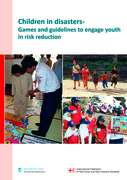
This guideline consists of two main parts:
i.) Guidelines for Red Cross and Red Crescent national societies on how to start up and engage with other stakeholders in country in rolling out disaster risk reduction (DRR) education and awareness activities for children - not only in school, but also ... in the community;
ii.) Games and activities to engage children with key lessons and messages to carry away. With a focus on Southeast Asia, cases from Viet Nam and Indonesia are highlighted. more
i.) Guidelines for Red Cross and Red Crescent national societies on how to start up and engage with other stakeholders in country in rolling out disaster risk reduction (DRR) education and awareness activities for children - not only in school, but also ... in the community;
ii.) Games and activities to engage children with key lessons and messages to carry away. With a focus on Southeast Asia, cases from Viet Nam and Indonesia are highlighted. more
The Look Back Study (LBS) focuses on the water and sanitation and hygiene (WASH) component of the project but some additional information was collected along side the WASH data. This data has been compared to the baseline survey data that was reported at start of the project (see tables in annex D t
...
o this report).
more
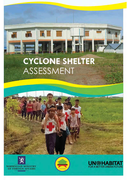
The purpose of this study was to document a technical assessment of a sample of these existing shelters on their functionality, accessibility, operation and management, community perspectives in Myanmar; identify gaps, needs and further the linkages with community-based disaster risk reduction (CDBR
...
R) activities. The study also aims at a wider assessment: looking at broader recovery in terms of shelter and livelihood aspects with clear linkages and strategic direction for future cyclone shelter support activities.
No publication year indicated. more
No publication year indicated. more
No publication year indicated.
Version-1, June 2018
This document provides 3MDG stakeholders with essential information on SRHR indicators, derived from the 3MDG Logical Framework, Data Dictionary for Health Service Indicators (2014 June, DoPH, MoHA), A Guide to Monitoring and Evaluating Adolescent Reproductive Health Progra ... ms (MEASURE Evaluation, June 2000) and Monitoring National Cervical Cancer Prevention and Control Programmes (WHO, PAHO, 2013). Partners are strongly encouraged to integrate the SRHR indicators into their ongoing monitoring and evaluation (M&E) activities.
These indicators are designed to help partners assess the current state of their activities, their progress towards achieving their targets, and contribution towards the national response. This guideline is designed to improve the quality and consistency of data collected at the township level, which will enhance the accuracy of conclusions drawn when the data are aggregated. more
This document provides 3MDG stakeholders with essential information on SRHR indicators, derived from the 3MDG Logical Framework, Data Dictionary for Health Service Indicators (2014 June, DoPH, MoHA), A Guide to Monitoring and Evaluating Adolescent Reproductive Health Progra ... ms (MEASURE Evaluation, June 2000) and Monitoring National Cervical Cancer Prevention and Control Programmes (WHO, PAHO, 2013). Partners are strongly encouraged to integrate the SRHR indicators into their ongoing monitoring and evaluation (M&E) activities.
These indicators are designed to help partners assess the current state of their activities, their progress towards achieving their targets, and contribution towards the national response. This guideline is designed to improve the quality and consistency of data collected at the township level, which will enhance the accuracy of conclusions drawn when the data are aggregated. more
