
Filter
1598
Text search:
Influenza
Featured
216
296
Language
Document type
510
490
247
109
75
74
25
25
17
12
6
6
2
Countries
79
68
59
49
46
44
35
33
28
26
25
25
24
22
20
19
18
18
18
17
16
15
14
14
14
14
12
12
12
12
11
11
11
10
9
9
9
9
9
9
9
8
8
8
6
6
6
6
5
5
5
5
5
5
5
5
4
4
4
4
4
4
4
3
3
3
3
3
3
3
2
2
2
2
2
2
2
2
2
2
2
2
1
1
1
1
1
1
1
1
1
1
1
1
1
1
1
1
1
1
1
1
1
1
1
1
1
1
1
1
1
1
1
1
1
1
1
1
1
1
Authors & Publishers
Publication Years
Category
653
92
85
73
43
25
16
Toolboxes
552
100
77
71
63
58
56
37
33
29
28
22
20
16
16
13
12
12
12
8
7
6
5
3
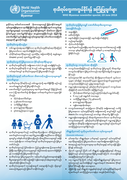
WHO Myanmar newsletter special, 19 June 2018

Access 03.05.2017
Flutool Plus is the WHO Tool, designed to help lower- and middle-income countries in the process of costing of Seasonal Influenza Immunisation Programs. The aim of this course is to promote the dissemination and use of Flutool Plus. The course is me
...

This resource pack was developed for the country offices of the World Health Organization and national Public Health institutions, as an overview of the key information needed for advising their Member States in response to questions raised on human health due to
...

Vaccines are powerful weapons in the fight against pandemic viruses as shown by responses to both the 2009 H1N1 influenza and the COVID-19 pandemics. However, planning for accessing, allocating and deploying vaccines in a pandemic situation is a com
...

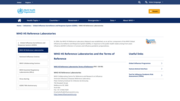
The webpage ”H5 Reference Laboratories” on the WHO Global Influenza Surveillance and Response System (GISRS) site describes a network of specialized laboratories designated by the World Health Organization to support global
...

Unsere Infoboxen zeigen das Ansteckungs-, Erkrankungs- und Sterberisiko für Menschen verschiedenen Alters, wenn sie in Kontakt mit dem Influenza- oder Corona-Virus kommen (z.B. durch engen Kontakt mit einem infizierten Haushaltsmitglied) und die Ri
...
with special reference to prevention and control of avian influenza
The Facilitator Training Manual on Workplace Pandemic Preparedness is a guide developed by GIZ and the Ministry of Health to help organizations prepare for and respond to pandemics while ensuring business continuity. It provides structured guidance on training, risk assessment, prevention, and respo
...
The Humanitarian Pandemic Preparedness (H2P) Initiative and its many partners have developed ready-to-use training curricula for district- and community-level leaders, and community volunteers and workers in order to minimize morbidity and mortality in the event of an
...
Logistics is a key component of the function of the Global Influenza Surveillance and Response System (GISRS). Logistics supports the smooth functioning of GISRS through providing advice, guidance and assistance with regards to shipping virus sample
...
WHO Essential Regulatory Laboratories (ERLs), inside the Global Influenza Surveillance and Response System (GISRS), are a crucial element of influenza prevention and control, especially vaccine resp
...
This checklist is an operational tool to help national authorities develop or revise national respiratory pathogen (inclusive of influenza and coronaviruses) pandemic preparedness plans.
Clinical managment
recommended
Quality clinical care is at the heart of a robust, effective response to outbreaks. Frontline health workers need evidence-based tools and training to provide safe, effective and quality clinical care.
The Clinical Management channel includes videos on a range of diseases, such as Ebola, diphther
...
The WHO Global Respiratory Syncytial Virus (RSV) Surveillance page describes a World Health Organization initiative under the Global Influenza Programme to monitor RSV infections worldwide. It explains that WHO uses the existing Global
...
Each year, dozens of communities around the world face natural disasters, disease outbreaks, and other emergencies. Scientists think that a worldwide influenza outbreak will happen sometime in the next decade. The purpose of this guide is to help lo
...
Workplace Pandemic Preparedness. Training Manual
recommended
A training manual for identifying, assessing, preventing and controlling the risks of pandemics in the workplace. This training manual has been developed for both medical and non-medical personnel who may be called upon to lead emergency response, (eg epidemic outbreak, etc), ensure effective conta
...
Planning and preparedness are the keys to dealing effectively with threats that include infectious diseases caused by SARS and the Middle East Respiratory Syndrome or MERS, novel influenza viruses like H1N1, and Ebola. During outbreaks or epidemics
...
