
Filter
5520
Text search:
new
infections
Featured
611
1475
Language
5078
323
143
103
67
58
32
28
10
9
8
7
7
6
5
5
5
4
4
3
3
3
3
3
3
3
2
2
2
2
2
2
2
2
2
2
2
2
2
2
2
2
1
1
1
1
1
1
1
1
1
1
1
1
1
1
1
1
1
1
1
1
1
Document type
2660
965
933
324
223
176
130
49
19
15
11
7
2
1
Countries
276
227
162
132
123
119
117
110
107
101
94
93
92
81
80
77
76
67
65
64
50
48
46
44
44
43
40
36
35
35
35
31
29
29
29
29
29
28
26
26
26
25
24
24
18
17
17
16
15
14
12
11
11
10
10
9
9
9
9
9
8
8
8
7
7
6
6
6
6
6
6
6
6
6
6
6
5
5
5
5
5
5
5
4
4
4
4
4
4
4
4
4
4
3
3
3
3
3
2
2
2
2
2
2
2
2
2
2
2
2
2
2
1
1
1
1
1
1
1
1
1
1
1
1
1
1
1
1
1
1
1
1
1
1
Authors & Publishers
867
233
177
143
137
127
99
95
74
61
40
35
34
30
29
28
28
27
24
24
22
22
22
22
22
22
21
21
21
21
20
20
20
19
19
18
18
17
17
16
16
16
16
15
15
14
14
14
14
13
13
13
12
12
12
12
12
12
12
11
11
11
11
11
11
11
11
11
11
11
10
10
10
10
10
10
9
9
9
9
9
9
8
8
8
8
8
8
8
8
8
8
8
8
8
8
8
7
7
7
7
7
7
7
7
7
7
7
6
6
6
6
6
6
6
6
6
6
6
6
6
6
6
6
6
6
6
6
6
6
6
5
5
5
5
5
5
5
5
5
5
5
5
5
5
5
5
5
5
5
5
5
5
5
5
5
5
5
5
4
4
4
4
4
4
4
4
4
4
4
4
4
4
4
4
4
4
4
4
4
4
4
4
4
4
4
4
4
4
4
4
4
4
4
4
4
4
4
4
4
4
4
4
4
4
4
4
4
4
4
4
4
3
3
3
3
3
3
3
3
3
3
3
3
3
3
3
3
3
3
3
3
3
3
3
3
3
3
3
3
3
3
3
3
3
3
3
3
3
3
3
3
3
3
3
3
3
3
3
3
3
3
3
3
3
3
3
3
3
3
3
3
3
3
3
3
3
3
3
3
3
3
3
3
3
3
3
3
3
3
3
3
3
3
3
3
3
3
3
3
3
3
3
3
3
3
3
3
3
3
3
3
3
3
3
3
3
3
3
3
3
3
3
3
3
3
3
3
3
3
3
3
2
2
2
2
2
2
2
2
2
2
2
2
2
2
2
2
2
2
2
2
2
2
2
2
2
2
2
2
2
2
2
2
2
2
2
2
2
2
2
2
2
2
2
2
2
2
2
2
2
2
2
2
2
2
2
2
2
2
2
2
2
2
2
2
2
2
2
2
2
2
2
2
2
2
2
2
2
2
2
2
2
2
2
2
2
2
2
2
2
2
2
2
2
2
2
2
2
2
2
2
2
2
2
2
2
2
2
2
2
2
2
2
2
2
2
2
2
2
2
2
2
2
2
2
2
2
2
2
2
2
2
2
2
2
2
2
2
2
2
2
2
2
2
2
2
2
2
2
2
2
2
2
2
2
2
2
2
2
2
2
2
2
2
2
2
2
2
2
2
2
2
2
2
2
2
2
2
2
2
2
2
2
2
2
2
2
2
2
2
2
2
2
2
2
2
2
2
2
2
2
2
2
2
2
2
2
2
2
2
2
2
2
2
2
2
2
2
2
2
2
2
2
2
2
2
2
2
2
2
2
2
2
2
2
2
2
2
2
2
2
2
2
2
2
2
2
2
2
2
2
2
2
2
2
2
2
2
2
2
2
2
2
2
2
2
2
2
2
2
2
2
2
2
2
2
2
2
2
2
2
2
2
2
2
2
2
2
2
2
2
2
2
2
2
2
2
2
2
2
1
1
1
1
1
1
1
1
1
1
1
1
1
1
1
1
1
1
1
1
1
1
1
1
1
1
1
1
1
1
1
1
1
1
1
1
1
1
1
1
1
1
1
1
1
1
1
1
1
1
1
1
1
1
1
1
1
1
1
1
1
1
1
1
1
1
1
1
1
1
1
1
1
1
1
1
1
1
1
1
1
1
1
1
1
1
1
1
1
1
1
1
1
1
1
1
1
1
1
1
1
1
1
1
1
1
1
1
1
1
1
1
1
1
1
1
1
1
1
1
1
1
1
1
1
1
1
1
1
1
1
1
1
1
1
1
1
1
1
1
1
1
1
1
1
1
1
1
1
1
1
1
1
1
1
1
1
1
1
1
1
1
1
1
1
1
1
1
1
1
1
1
1
1
1
1
1
1
1
1
1
1
1
1
1
1
1
1
1
1
1
1
1
1
1
1
1
1
1
1
1
1
1
1
1
1
1
1
1
1
1
1
1
1
1
1
1
1
1
1
1
1
1
1
1
1
1
1
1
1
1
1
1
1
1
1
1
1
1
1
1
1
1
1
1
1
1
1
1
1
1
1
1
1
1
1
1
1
1
1
1
1
1
1
1
1
1
1
1
1
1
1
1
1
1
1
1
1
1
1
1
1
1
1
1
1
1
1
1
1
1
1
1
1
1
1
1
1
1
1
1
1
1
1
1
1
1
1
1
1
1
1
1
1
1
1
1
1
1
1
1
1
1
1
1
1
1
1
1
1
1
1
1
1
1
1
1
1
1
1
1
1
1
1
1
1
1
1
1
1
1
1
1
1
1
1
1
1
1
1
1
1
1
1
1
1
1
1
1
1
1
1
1
1
1
1
1
1
1
1
1
1
1
1
1
1
1
1
1
1
1
1
1
1
1
1
1
1
1
1
1
1
1
1
1
1
1
1
1
1
1
1
1
1
1
1
1
1
1
1
1
1
1
1
1
1
1
1
1
1
1
1
1
1
1
1
1
1
1
1
1
1
1
1
1
1
1
1
1
1
1
1
1
1
1
1
1
1
1
1
1
1
1
1
1
1
1
1
1
1
1
1
1
1
1
1
1
1
1
1
1
1
1
1
1
1
1
1
1
1
1
1
1
1
1
1
1
1
1
1
1
1
1
1
1
1
1
1
1
1
1
1
1
1
1
1
1
1
1
1
1
1
1
1
1
1
1
1
1
1
1
1
1
1
1
1
1
1
1
1
1
1
1
1
1
1
1
1
1
1
1
1
1
1
1
1
1
1
1
1
1
1
1
1
1
1
1
1
1
1
1
1
1
1
1
1
1
1
1
1
1
1
1
1
1
1
1
1
1
1
1
1
1
1
1
1
1
1
1
1
1
1
1
1
1
1
1
1
1
1
1
1
1
1
1
1
1
1
1
1
1
1
1
1
1
1
1
1
1
1
1
1
1
1
1
1
1
1
1
1
1
1
1
1
1
1
1
1
1
1
1
1
1
1
1
1
1
1
1
1
1
1
1
1
1
1
1
1
1
1
1
1
1
1
1
1
1
1
1
1
1
1
1
1
1
1
1
1
1
1
1
1
1
1
1
1
1
1
1
1
1
1
1
1
1
1
1
1
1
1
1
1
1
1
1
1
1
1
1
1
1
1
1
1
1
1
1
1
1
1
1
1
1
1
1
1
1
1
1
1
1
1
1
1
1
1
1
1
1
1
1
1
1
1
1
1
1
1
1
1
1
1
1
1
1
1
1
1
1
1
1
1
1
1
1
1
1
1
1
1
1
1
1
1
1
1
1
1
1
1
1
1
1
1
1
1
1
1
1
1
1
1
1
1
1
1
1
1
1
1
1
1
1
1
1
1
1
1
1
1
1
1
1
1
1
1
1
1
1
1
1
1
1
1
1
1
1
1
1
1
1
1
1
1
1
1
1
1
1
1
1
1
1
1
1
1
1
1
1
1
1
1
1
1
1
1
1
1
1
1
1
1
1
1
1
1
1
1
1
1
1
1
1
1
1
1
1
1
1
1
1
1
1
1
1
1
1
1
1
1
1
1
1
1
1
1
1
1
1
1
1
1
1
1
1
1
1
1
1
1
1
1
1
1
1
1
1
1
1
1
1
1
1
1
1
1
1
1
1
1
1
1
1
1
1
1
1
1
1
1
1
1
1
1
1
1
1
1
1
1
1
1
1
1
1
1
1
1
1
1
1
1
1
1
1
1
1
1
1
1
1
1
1
1
1
1
1
1
1
1
1
1
1
1
1
1
1
1
1
1
1
1
1
1
1
1
1
1
1
1
1
1
1
1
1
1
1
1
1
1
1
1
1
1
1
1
1
1
1
1
1
1
1
1
1
1
1
1
1
1
1
1
1
1
1
1
1
1
1
1
1
1
1
1
1
1
1
1
1
1
1
1
1
1
1
1
1
1
1
1
1
1
1
1
1
1
1
1
1
1
1
1
1
1
1
1
1
1
1
1
1
1
1
1
1
1
1
1
1
1
1
1
1
1
1
1
1
1
1
1
1
1
1
1
1
1
1
1
1
1
1
1
1
1
1
1
1
1
1
1
1
1
1
1
1
1
1
1
1
1
1
1
1
1
1
1
1
1
1
1
1
1
1
1
1
1
1
1
1
1
1
1
1
1
1
1
1
1
1
1
1
1
1
1
1
1
1
1
1
1
1
1
1
1
1
1
1
1
1
1
1
1
1
1
1
1
1
1
1
1
1
1
1
1
1
1
1
1
1
1
1
1
1
1
1
1
1
1
1
1
1
1
1
1
1
1
1
1
1
1
1
1
1
1
1
1
1
1
1
1
1
1
1
1
1
1
1
1
1
1
1
1
1
1
1
1
1
1
1
1
1
1
1
1
1
1
1
1
1
1
1
1
1
1
1
1
1
1
1
1
1
1
1
1
1
1
1
1
1
1
1
1
1
1
1
1
1
1
1
1
1
1
1
1
1
1
1
1
1
1
1
1
1
1
1
1
1
1
1
1
1
1
1
1
1
1
1
1
1
1
1
1
1
1
1
1
1
1
1
1
1
1
1
1
1
1
1
1
1
1
1
1
1
1
1
1
1
1
1
1
1
1
1
1
1
1
1
1
1
1
1
1
1
1
1
1
1
1
1
1
1
1
1
1
1
1
1
1
1
1
1
1
1
1
1
1
1
1
1
1
1
1
1
1
1
1
1
1
1
1
1
1
1
1
1
1
1
1
1
1
1
1
1
1
1
1
1
1
1
1
1
1
1
1
1
1
1
1
1
1
1
1
1
1
1
1
1
1
1
1
1
1
1
1
1
1
1
1
1
1
1
1
1
1
1
1
1
1
1
1
1
1
1
1
1
1
1
1
1
1
1
1
1
1
1
1
1
1
1
1
1
1
1
1
1
1
1
1
1
1
1
1
1
1
1
1
1
1
1
1
1
1
1
1
1
1
1
1
1
1
1
1
1
1
1
1
1
1
1
1
1
1
1
1
1
1
1
1
1
1
1
1
1
1
1
1
1
1
1
1
1
1
1
1
1
1
1
1
1
1
1
1
1
1
1
1
1
1
1
1
1
1
1
1
1
1
1
1
1
1
1
1
1
1
1
1
1
1
1
1
1
1
1
1
1
1
1
1
1
1
1
1
1
1
1
1
1
1
1
1
1
1
1
1
1
1
1
1
1
1
1
1
1
1
1
1
1
1
1
1
1
1
1
1
1
1
1
1
1
1
1
1
1
1
1
1
1
1
1
1
1
1
1
1
1
1
1
1
1
1
1
1
1
1
1
1
1
1
1
1
1
1
1
1
1
1
1
1
1
1
1
1
1
1
1
1
1
1
1
1
1
1
1
1
1
1
1
1
1
1
1
1
1
1
1
1
1
1
1
1
1
1
1
1
1
1
1
1
1
1
1
1
1
1
1
1
1
1
1
1
1
1
1
1
1
1
1
1
1
1
1
1
1
1
1
1
1
1
1
1
1
1
1
1
1
1
1
1
1
1
1
1
1
1
1
1
1
1
1
1
1
1
1
1
1
1
1
1
1
1
1
1
1
1
1
1
1
1
1
1
1
1
1
1
1
1
1
1
1
1
1
1
1
1
1
1
1
1
1
1
1
1
1
1
1
1
1
1
1
1
1
1
1
1
1
1
1
1
1
1
1
1
1
1
1
1
1
1
1
1
1
1
1
1
1
1
1
1
1
1
1
1
1
1
1
1
1
1
1
1
1
1
1
1
1
1
1
1
1
1
1
1
1
1
1
1
1
1
1
1
1
1
1
1
1
1
1
1
1
1
1
1
1
1
1
1
1
1
1
1
1
1
1
1
1
1
1
1
1
1
1
1
1
1
1
1
1
1
1
1
1
1
1
1
1
1
1
1
1
1
1
1
1
1
1
1
1
1
1
1
1
1
1
1
1
1
1
1
1
1
1
1
1
1
1
1
1
1
1
1
1
1
1
1
1
1
1
1
1
1
1
1
1
1
1
1
1
1
1
1
1
1
1
1
1
1
1
1
1
1
1
1
1
1
1
1
1
1
1
1
1
1
1
1
1
1
1
1
1
1
1
1
1
1
1
1
1
1
1
1
1
1
1
1
1
1
1
1
1
1
1
1
1
1
1
1
1
1
1
1
1
1
1
1
1
1
1
1
1
1
1
1
1
1
1
1
1
1
1
1
1
1
1
1
1
1
1
1
1
1
1
1
1
1
1
1
1
1
1
1
1
1
1
1
1
1
1
1
1
1
1
1
1
1
1
1
1
1
1
1
1
1
1
1
1
1
1
1
1
1
1
1
1
1
1
1
1
1
1
1
1
1
1
1
1
1
1
1
1
1
1
1
1
1
1
1
1
1
1
1
1
1
1
1
1
1
1
1
1
1
1
1
1
1
1
1
1
1
1
1
1
1
1
1
1
1
1
1
1
1
1
1
1
1
1
1
1
1
1
1
1
1
1
1
1
1
1
1
1
1
1
1
1
1
1
1
1
1
1
1
1
1
1
1
1
1
1
1
1
1
1
1
1
1
1
1
1
1
1
1
1
1
1
1
1
1
1
1
1
1
1
1
1
1
1
1
1
1
1
1
1
1
1
1
1
1
1
1
1
1
1
1
1
1
1
1
1
1
1
1
1
1
1
1
1
1
1
1
1
1
1
1
1
1
1
1
1
1
1
1
1
1
1
1
1
1
1
1
1
1
1
1
1
1
1
1
1
1
1
1
1
1
1
1
1
1
1
1
1
1
1
1
1
1
1
1
1
1
1
1
1
1
1
1
1
1
1
1
1
1
1
1
1
1
1
1
1
1
1
1
1
1
1
1
1
1
1
1
1
1
1
1
1
1
1
1
1
1
1
1
1
1
1
1
1
1
1
1
1
1
1
1
1
1
1
1
1
1
1
1
1
1
1
1
1
1
1
1
1
1
1
1
1
1
1
1
1
1
1
1
1
1
1
1
1
1
1
1
1
1
1
1
1
1
1
1
1
1
1
1
1
1
1
1
1
1
1
1
1
1
1
1
1
1
1
1
1
1
1
1
1
1
1
1
1
1
1
1
1
1
1
1
1
1
1
1
1
1
1
1
1
1
1
1
1
1
1
1
1
1
1
1
1
1
1
1
1
1
1
1
1
1
1
1
1
1
1
1
1
1
1
1
1
1
1
1
1
1
1
1
1
1
1
1
1
1
1
1
1
1
1
1
1
1
1
1
1
1
1
1
1
1
1
1
1
1
1
1
1
1
1
1
1
1
1
1
1
1
1
1
1
1
1
1
1
1
1
1
1
1
1
1
1
1
1
1
1
1
1
1
1
1
1
1
1
1
1
1
1
1
1
1
1
1
1
1
1
1
1
1
1
1
1
1
1
1
1
1
1
1
1
1
1
1
1
1
1
1
1
1
1
1
1
1
1
1
1
1
1
1
1
1
1
1
1
1
1
1
1
1
1
1
1
1
1
1
1
1
1
1
1
1
1
1
1
1
1
1
1
1
1
1
1
1
1
1
1
1
1
1
1
1
1
1
1
1
1
1
1
1
1
1
1
1
1
1
1
1
1
1
1
1
1
1
1
1
1
1
1
1
1
1
1
1
1
1
1
1
1
1
1
1
1
1
1
1
1
1
1
1
1
1
1
1
1
1
1
1
1
1
1
1
1
1
1
1
1
1
1
1
1
1
1
1
1
1
1
1
1
1
1
1
1
1
1
1
1
1
1
1
1
1
1
1
1
1
1
1
1
1
1
1
1
1
1
1
1
1
1
1
1
1
1
1
1
1
1
1
1
1
1
1
1
1
1
1
1
1
1
1
1
1
1
1
1
1
1
1
1
1
1
1
1
1
1
1
1
1
1
1
1
1
1
1
1
1
1
1
1
1
1
1
1
1
1
1
1
1
1
1
1
1
1
1
1
1
1
1
1
1
1
1
1
1
1
1
1
1
1
1
1
1
1
1
1
1
1
1
1
1
1
1
1
1
1
1
1
1
1
1
1
1
1
1
1
1
1
1
1
1
1
1
1
1
1
1
1
1
1
1
1
1
1
1
1
1
1
1
1
1
1
1
1
1
1
1
1
1
1
1
1
1
1
1
1
1
1
1
1
1
1
1
1
1
1
1
1
1
1
1
1
1
1
1
1
1
1
1
1
1
1
1
1
1
1
1
1
1
1
1
1
1
1
1
1
1
1
1
1
1
1
1
1
1
1
1
1
1
1
1
1
1
1
1
1
1
1
1
1
1
1
1
1
1
1
1
1
1
1
1
1
1
1
1
1
1
1
1
1
1
1
1
1
1
1
1
1
1
1
1
1
1
1
1
1
1
1
1
1
1
1
1
1
1
1
1
1
1
1
1
1
1
1
1
1
1
1
1
1
1
1
1
1
1
1
1
1
1
1
1
1
1
1
1
1
1
1
1
1
1
1
1
1
1
1
1
1
1
1
1
1
1
1
1
1
1
1
1
1
1
1
1
1
1
1
1
1
1
1
1
1
1
1
1
1
1
1
1
1
1
1
1
1
1
1
1
1
1
1
1
1
1
1
1
1
1
1
1
1
1
1
1
1
1
1
1
1
1
1
1
1
1
1
1
1
1
1
1
1
1
1
1
1
1
1
1
1
1
1
1
1
1
1
1
1
1
1
1
1
1
1
1
1
1
1
1
1
1
1
1
1
1
1
1
1
1
1
1
1
1
1
1
1
1
1
1
1
1
1
1
1
1
1
1
1
1
1
1
1
1
1
1
1
1
1
1
1
1
1
1
1
1
1
1
1
1
1
1
1
1
1
1
1
1
1
1
1
1
1
1
1
1
1
1
1
1
1
1
1
1
1
1
1
1
1
1
1
1
1
1
1
1
1
1
1
1
1
1
1
1
1
1
1
1
1
1
1
1
1
1
1
1
1
1
1
1
1
1
1
1
1
1
1
1
1
1
1
1
1
1
1
1
1
1
1
1
1
1
1
1
1
1
1
1
1
1
1
1
1
1
1
1
1
1
1
1
1
1
1
1
1
1
1
1
1
1
1
1
1
1
1
1
1
1
1
1
1
1
1
1
1
1
1
1
1
1
1
1
1
1
1
1
1
1
1
1
1
1
1
1
1
Publication Years
1817
3161
501
39
2
Category
2196
503
364
277
249
137
72
3
Toolboxes
587
323
313
273
240
197
185
169
154
97
94
91
87
87
86
79
75
69
65
51
50
30
27
18
7
2
1
23rd February 2017, Protea Hotel Thuringerhof, Windhoek | 2017 Namibia ART Guidelines: Summary of New and Old Recommendations
In case of resistance to rifampicin, fluoroquinolones become the preferred category of second-line drugs. Unfortunately, quinolone-resistant strains of Mycobacterium leprae have also been reported in several countries, probably due to the extensive use of quinolones for treating several types of
...
infections. Clofazimine resistance is still rare but this antimicrobial cannot be given alone
more

Overuse and misuse of antibiotics in animals and humans is contributing to the rising threat of antibiotic resistance. Some types of bacteria that cause serious infections in humans have already developed resistance to most or al
...
l of the available treatments, and there are very few promising options in the research pipeline
more
ECDC Technical Report
In line with ECDC’s recommendations provided in the ’Risk Assessment of HTLV-1/2 transmission by tissue/cell transplantation’ dated 14 March 2012, this Directive replaces the term ‘incidence’ with ‘prevalence’ in the description of endemic areas of HTLV-1/2 i ... nfection. According to the new requirements ‘HTLV-1 antibody testing must be performed for donors living in, or originating from high-prevalence areas or with sexual partners originating from those areas or where the donor’s parents originate from those areas’ and this applies to both donors of non-reproductive tissues and cells and reproductive cells.
ECDC contracted experts from the Institut Pasteur in Paris to systematically review the published evidence on the distribution of HTLV-1 infection prevalence throughout the world and to identify high-prevalence countries and areas. more
In line with ECDC’s recommendations provided in the ’Risk Assessment of HTLV-1/2 transmission by tissue/cell transplantation’ dated 14 March 2012, this Directive replaces the term ‘incidence’ with ‘prevalence’ in the description of endemic areas of HTLV-1/2 i ... nfection. According to the new requirements ‘HTLV-1 antibody testing must be performed for donors living in, or originating from high-prevalence areas or with sexual partners originating from those areas or where the donor’s parents originate from those areas’ and this applies to both donors of non-reproductive tissues and cells and reproductive cells.
ECDC contracted experts from the Institut Pasteur in Paris to systematically review the published evidence on the distribution of HTLV-1 infection prevalence throughout the world and to identify high-prevalence countries and areas. more
Long-lasting insecticidal nets (LNs) constitute a core vector control intervention against malaria. A number of new LN products are under development and will require assessment of risks to humans. This document provides an updated generic model tha
...
t can be used for the risk assessment of exposure to insecticides of individuals sleeping under LNs and during the washing of nets.
In an Annex, exposures and health risks are described for the conventional treatment or retreatment of nets (ITNs) with an insecticide considering that such practices may still be used in evaluation of ITNs and their use. The generic model does not include the risks associated with the manufacturing of LNs in a factory environment. more
In an Annex, exposures and health risks are described for the conventional treatment or retreatment of nets (ITNs) with an insecticide considering that such practices may still be used in evaluation of ITNs and their use. The generic model does not include the risks associated with the manufacturing of LNs in a factory environment. more
This manual will contribute directly to the fourth focus area of the FAO Action Plan by promoting the prevention of infections and the prudent use of antibiotics in the pig and poultry sectors. The pig and poultry sectors are addressed together, as
...
these sectors generally have the highest use of antibiotics. This manual is jointly applicable to veterinarians, other health professionals and farmers; a key to success in using antibiotics effectively and prudently is good dialogue among these professions.
more
This publication seeks to describe the best treatments and practices based on the scientific evidence available at the time of writing as evaluated by the authors and may change as a result of new research. Readers need to apply this knowledge to pa
...
tients in accordance with the guidelines and laws of their country of practice. Some medications may not be available in some countries and readers should consult the specific drug information since not all the unwanted effects of medications are mentioned.
more
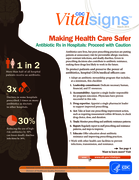
Antibiotics save lives, but poor prescribing practices are putting patients at unnecessary risk for preventable allergic reactions,
super-resistant infections, and deadly diarrhea. Errors in prescribing decisions also contribute to antibiotic resis
...
tance, making these drugs less likely to work in the future.
more
This manual for developing national action plans to address antimicrobial resistance has been developed at the request of the World Health Assembly to assist countries in the initial phase of developing new, or refining existing national action plan
...
s in line with the
strategic objectives of the Global Action Plan. It proposes an incremental approach that countries can adapt to the specific needs, circumstances and available resources of each individual country. Details of actions to be taken will vary according to national contexts.
more
Responding to community spread of COVID-19
recommended
Interim Guidance 7 March 2020
This document provides technical guidance for government authorities, health workers, and other key stakeholders to guide response to community spread. It will be updated as new information or technical guidance become
...
available. For countries that are already preparing or responding, this document can also serve as a checklist to identify any remaining gaps.
more
Given an increase in outbreaks caused by resistant microorganisms associated with medical tourism, the Pan American Health Organization / World Health Organization (PAHO/WHO) encourages Member States to strengthen their capacity to detect and manage
...
infections caused by resistant microorganismsin patients who traveled outside of their country of residence to receive healthcare. Furthermore, PAHO/WHO stresses the importance to implement preventive measures to reduce healthcare-associated infections at all levels of the health system.
more
The escalating antimicrobial resistance (AMR) pandemic is a global public health threat with extensive health, economic and societal implications. Resistance emerges because of selection pressure from rational and indiscriminate antimicrobial use in human health as well as in the veterinary, agricul
...
ture and environmental sectors. Infections caused by resistant bacteria result in longer duration of illness, higher mortality rates and increased costs associated with alternative treatment. AMR further constrains procedures that rely on antimicrobial prophylaxis, and AMR is recognized as a threat to theworld economy.
Journal of Public Health | Vol. 39, No. 1, pp. 8–13 | doi:10.1093/pubmed/fdw015 | Advance Access Publication March 3 2016
more
China is one of the major countries for the production and use of antibacterial agents. Antibacterial agents are widely used in healthcare and animal husbandry. It plays a significant role in treating infections and saving patient lives, preventing
...
and treating animal diseases, improving farming efficiency, and guaranteeing public health security. However, antimicrobial resistance has become increasingly prominent due to insufficient research and development capacity of new antimicrobials, sales of antimicrobials without prescriptions in pharmacies, irrational use of antibacterial agents in medical and food animal sectors, non-compliant waste emissions of pharmaceutical enterprises, as well as lack of public awareness toward rational use of antimicrobials. Bacterial resistance ultimately affects human health, but the cause of bacterial resistance and consequences are beyond the health sector. Antimicrobial resistance brings increasing biosecurity threats, worsens environmental pollution, constrains economic development and other adverse effects to human society, thus, there is an urgent need to strengthen multi-sectoral and multi-domain collaborative planning to jointly cope with this issue.
more
On 31st December 2019, the World Health Organization (WHO) China Country Office was informed of cases of pneumonia of unknown etiology (unknown cause) detected in Wuhan City, Hubei Province of China. On 7th January 2020, Chinese authorities identified a ne
...
w strain of Coronavirus as the causative agent for the disease. The virus has been renamed by WHO as SARS-CoV-2 and the disease caused by it as COVID-19. The disease since its first detection in China has now spread to over 200 countries/territories, with reports of local transmission happening in more than 160 of these countries/territories. As per WHO (as of 1st April, 2020), there has been a total of 823626 confirmed cases and 40598 deaths due to COVID-19 worldwide.
In India, as on 2nd April, 2020, 1965 confirmed cases (including 51 foreign nationals) and 50 deaths reported from 29 States/UTs. Large number of cases has been reported from Delhi, Karnataka, Kerala, Maharashtra, Rajasthan, Tamil Nadu, Telangana and Uttar Pradesh.
more
Migration continues to be an essential ingredient of socioeconomic development everywhere.
Whether it is a case of people moving from the countryside to cities to find work, or people crossing seas and borders to meet host country demands for new l
...
abour, migrants are an integral part of the modern world. They bring with them new skills and talents, and a willingness to take on jobs that host societies have difficulty filling. Despite this, migrants tend to be overlooked by many health and social service systems. They are also vulnerable to exclusion, stigma and discrimination, particularly if “undocumented” or irregular. Today, in the context of COVID-19, a neglect of migrants will make it impossible to stem the pandemic.
These Notes are designed to remind national and local authorities that the war against COVID-19 cannot be won if migrants are forgotten; unus pro omnibus, omnes pro uno”, or one for all, and all for one, must guide the fight against COVID-19.
more
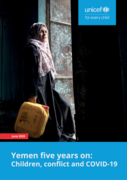
Millions of children in Yemen could be pushed to ‘the brink of starvation’ due to huge shortfalls in humanitarian aid funding amid the COVID-19 pandemic – according to a new UNICEF report marking more than five years since conflict escalated i
...
n the country.
more
10 July 2020
Guidance for authorities and event organizers planning mass gatherings during the current COVID-19 pandemic
The content of this Risk Assessment tool has been updated to reflect new WHO guidance and
...
new evidence on both COVID-19 and mass gatherings, as well as feedback from end-users.
Additional improvements have been made to the way the information is organized and presented: the Decision Tree is now built into the tool and a new tab dedicated to Risk Communication has been added. The expanded tool now includes six tabs: 1. Instructions; 2. Decision Tree; 3. Risk Evaluation; 4. Risk Mitigation; 5. Decision Matrix; 6. Risk Communication.
more
At the time of writing, the novel coronavirus pandemic had reached every region of the world, with millions of infections globally and untold disruptions to nearly every aspect of daily life.
The report finds that, as of 3 November, in 87 countries with age-disaggregated data, children and adolescents under 20 years of age accounted for 1 in 9 of COVID-19 infections, or 11 per cent of the 25.7 million
...
infections reported by these countries. More reliable, age-disaggregated data on infection, deaths and testing is needed to better understand how the crisis impacts the most vulnerable children and guide the response
more

Hands-on information and practical advice for everyday life and work in the field as well as background information on crisis management structures in international organizations lie at the heart of the new handbook. It has been developed in the rea
...
lm of Europe’s New Training Initiative for Civilian Crisis Management (ENTRi) by the project coordination team at ZIF.
The handbook is designed to accompany civilian experts on their way to crisis management missions. In addition to providing a general overview of the institutional landscape of crisis management as well as relevant concepts, the handbook also provides practical information on a variety of issues that are common to working in a mission. From dealing with health and security challenges to technical information on radio operation, map reading, four-wheel driving – the ENTRi handbook is a valuable companion for work in a mission.
more
