
Filter
4044
Text search:
food
assistance
Featured
355
1273
Language
3947
96
51
44
30
17
15
11
7
7
5
5
5
4
4
4
4
3
3
3
3
3
3
3
3
3
3
3
3
2
2
2
2
2
2
2
2
2
2
2
2
2
1
1
1
1
1
1
1
1
1
1
1
1
1
1
1
Document type
2295
696
396
204
204
82
74
70
9
7
6
1
Countries
165
158
122
116
115
110
106
98
94
93
85
81
67
66
65
65
64
63
62
61
56
55
53
49
46
39
38
35
35
34
34
33
31
28
26
23
23
23
21
21
20
19
17
17
16
16
15
15
15
14
14
12
12
12
11
11
11
10
10
10
10
10
9
9
9
9
8
8
7
7
7
6
6
5
5
5
5
5
5
4
4
4
4
4
3
3
3
3
3
3
3
2
2
2
2
2
2
2
2
2
2
2
2
2
2
2
2
1
1
1
1
1
1
1
1
1
1
1
1
1
1
1
1
1
1
1
1
1
1
1
1
1
1
1
1
1
1
1
1
Authors & Publishers
343
120
109
96
73
72
64
63
47
41
40
36
33
33
32
30
28
26
24
24
24
23
21
21
21
20
19
17
17
16
16
15
15
15
14
13
13
13
12
12
12
12
11
11
11
11
11
11
10
10
10
10
9
9
9
9
9
9
9
9
8
8
8
8
8
8
8
8
8
8
8
8
8
7
7
7
7
7
7
7
7
7
7
7
7
7
7
7
7
6
6
6
6
6
6
6
6
6
6
6
6
6
6
6
6
6
6
6
6
6
6
6
6
6
6
6
5
5
5
5
5
5
5
5
5
5
5
5
5
5
5
5
5
5
5
5
5
5
5
5
5
5
5
5
5
5
5
5
4
4
4
4
4
4
4
4
4
4
4
4
4
4
4
4
4
4
4
4
4
4
4
4
4
4
4
4
4
4
4
4
4
4
4
4
4
4
4
4
4
4
4
4
4
4
4
4
4
4
4
4
3
3
3
3
3
3
3
3
3
3
3
3
3
3
3
3
3
3
3
3
3
3
3
3
3
3
3
3
3
3
3
3
3
3
3
3
3
3
3
3
3
3
3
3
3
3
3
3
3
3
3
3
3
3
3
3
3
3
3
3
3
3
3
3
3
3
3
3
3
3
3
3
3
3
3
3
3
3
3
3
3
3
3
2
2
2
2
2
2
2
2
2
2
2
2
2
2
2
2
2
2
2
2
2
2
2
2
2
2
2
2
2
2
2
2
2
2
2
2
2
2
2
2
2
2
2
2
2
2
2
2
2
2
2
2
2
2
2
2
2
2
2
2
2
2
2
2
2
2
2
2
2
2
2
2
2
2
2
2
2
2
2
2
2
2
2
2
2
2
2
2
2
2
2
2
2
2
2
2
2
2
2
2
2
2
2
2
2
2
2
2
2
2
2
2
2
2
2
2
2
2
2
2
2
2
2
2
2
2
2
2
2
2
2
2
2
2
2
2
2
2
2
2
2
2
2
2
2
2
2
2
2
2
2
2
2
2
2
2
2
2
2
2
2
2
2
2
2
2
2
2
2
2
2
2
2
2
2
2
2
2
2
2
2
2
2
2
2
2
2
2
2
2
2
2
2
2
2
2
2
2
2
2
2
2
2
2
2
2
2
2
2
2
2
2
2
2
2
2
2
2
2
2
2
2
2
2
2
2
2
2
2
2
2
1
1
1
1
1
1
1
1
1
1
1
1
1
1
1
1
1
1
1
1
1
1
1
1
1
1
1
1
1
1
1
1
1
1
1
1
1
1
1
1
1
1
1
1
1
1
1
1
1
1
1
1
1
1
1
1
1
1
1
1
1
1
1
1
1
1
1
1
1
1
1
1
1
1
1
1
1
1
1
1
1
1
1
1
1
1
1
1
1
1
1
1
1
1
1
1
1
1
1
1
1
1
1
1
1
1
1
1
1
1
1
1
1
1
1
1
1
1
1
1
1
1
1
1
1
1
1
1
1
1
1
1
1
1
1
1
1
1
1
1
1
1
1
1
1
1
1
1
1
1
1
1
1
1
1
1
1
1
1
1
1
1
1
1
1
1
1
1
1
1
1
1
1
1
1
1
1
1
1
1
1
1
1
1
1
1
1
1
1
1
1
1
1
1
1
1
1
1
1
1
1
1
1
1
1
1
1
1
1
1
1
1
1
1
1
1
1
1
1
1
1
1
1
1
1
1
1
1
1
1
1
1
1
1
1
1
1
1
1
1
1
1
1
1
1
1
1
1
1
1
1
1
1
1
1
1
1
1
1
1
1
1
1
1
1
1
1
1
1
1
1
1
1
1
1
1
1
1
1
1
1
1
1
1
1
1
1
1
1
1
1
1
1
1
1
1
1
1
1
1
1
1
1
1
1
1
1
1
1
1
1
1
1
1
1
1
1
1
1
1
1
1
1
1
1
1
1
1
1
1
1
1
1
1
1
1
1
1
1
1
1
1
1
1
1
1
1
1
1
1
1
1
1
1
1
1
1
1
1
1
1
1
1
1
1
1
1
1
1
1
1
1
1
1
1
1
1
1
1
1
1
1
1
1
1
1
1
1
1
1
1
1
1
1
1
1
1
1
1
1
1
1
1
1
1
1
1
1
1
1
1
1
1
1
1
1
1
1
1
1
1
1
1
1
1
1
1
1
1
1
1
1
1
1
1
1
1
1
1
1
1
1
1
1
1
1
1
1
1
1
1
1
1
1
1
1
1
1
1
1
1
1
1
1
1
1
1
1
1
1
1
1
1
1
1
1
1
1
1
1
1
1
1
1
1
1
1
1
1
1
1
1
1
1
1
1
1
1
1
1
1
1
1
1
1
1
1
1
1
1
1
1
1
1
1
1
1
1
1
1
1
1
1
1
1
1
1
1
1
1
1
1
1
1
1
1
1
1
1
1
1
1
1
1
1
1
1
1
1
1
1
1
1
1
1
1
1
1
1
1
1
1
1
1
1
1
1
1
1
1
1
1
1
1
1
1
1
1
1
1
1
1
1
1
1
1
1
1
1
1
1
1
1
1
1
1
1
1
1
1
1
1
1
1
1
1
1
1
1
1
1
1
1
1
1
1
1
1
1
1
1
1
1
1
1
1
1
1
1
1
1
1
1
1
1
1
1
1
1
1
1
1
1
1
1
1
1
1
1
1
1
1
1
1
1
1
1
1
1
1
1
1
1
1
1
1
1
1
1
1
1
1
1
1
1
1
1
1
1
1
1
1
1
1
1
1
1
1
1
1
1
1
1
1
1
1
1
1
1
1
1
1
1
1
1
1
1
1
1
1
1
1
1
1
1
1
1
1
1
1
1
1
1
1
1
1
1
1
1
1
1
1
1
1
1
1
1
1
1
1
1
1
1
1
1
1
1
1
1
1
1
1
1
1
1
1
1
1
1
1
1
1
1
1
1
1
1
1
1
1
1
1
1
1
1
1
1
1
1
1
1
1
1
1
1
1
1
1
1
1
1
1
1
1
1
1
1
1
1
1
1
1
1
1
1
1
1
1
1
1
1
1
1
1
1
1
1
1
1
1
1
1
1
1
1
1
1
1
1
1
1
1
1
1
1
1
1
1
1
1
1
1
1
1
1
1
1
1
1
1
1
1
1
1
1
1
1
1
1
1
1
1
1
1
1
1
1
1
1
1
1
1
1
1
1
1
1
1
1
1
1
1
1
1
1
1
1
1
1
1
1
1
1
1
1
1
1
1
1
1
1
1
1
1
1
1
1
1
1
1
1
1
1
1
1
1
1
1
1
1
1
1
1
1
1
1
1
1
1
1
1
1
1
1
1
1
1
1
1
1
1
1
1
1
1
1
1
1
1
1
1
1
1
1
1
1
1
1
1
1
1
1
1
1
1
1
1
1
1
1
1
1
1
1
1
1
1
1
1
1
1
1
1
1
1
1
1
1
1
1
1
1
1
1
1
1
1
1
1
1
1
1
1
1
1
1
1
1
1
1
1
1
1
1
1
1
1
1
1
1
1
1
1
1
1
1
1
1
1
1
1
1
1
1
1
1
1
1
1
1
1
1
1
1
1
1
1
1
1
1
1
1
1
1
1
1
1
1
1
1
1
1
1
1
1
1
1
1
1
1
1
1
1
1
1
1
1
1
1
1
1
1
1
1
1
1
1
1
1
1
1
1
1
1
1
1
1
1
1
1
1
1
1
1
1
1
1
1
1
1
1
1
1
1
1
1
1
1
1
1
1
1
1
1
1
1
1
1
1
1
1
1
1
1
1
1
1
1
1
1
1
1
1
1
1
1
1
1
1
1
1
1
1
1
1
1
1
1
1
1
1
1
1
1
1
1
1
1
1
1
1
1
1
1
1
1
1
1
1
1
1
1
1
1
1
1
1
1
1
1
1
1
1
1
1
1
1
1
1
1
1
1
1
1
1
1
1
1
1
1
1
1
1
1
1
1
1
1
1
1
1
1
1
1
1
1
1
1
1
1
1
1
1
1
1
1
1
1
1
1
1
1
1
1
1
1
1
1
1
1
1
1
1
1
1
1
1
1
1
1
1
1
1
1
1
1
1
1
1
1
1
1
1
1
1
1
1
1
1
1
1
1
1
1
1
1
1
1
1
1
1
1
1
1
1
1
1
1
1
1
1
1
1
1
1
1
1
1
1
1
1
1
1
1
1
1
1
1
1
1
1
1
1
1
1
1
1
1
1
1
1
1
1
1
1
1
1
1
1
1
1
1
1
1
1
1
1
1
1
1
1
1
1
1
1
1
1
1
1
1
1
1
1
1
1
1
1
1
1
1
1
1
1
1
1
1
1
1
1
1
1
1
1
1
1
1
1
1
1
1
1
1
1
1
1
1
1
1
1
1
1
1
1
1
1
1
1
1
1
1
1
1
1
1
1
1
1
1
1
1
1
1
1
1
1
1
1
1
1
1
1
1
1
1
1
1
1
1
1
1
1
1
1
1
1
1
1
1
1
1
1
1
1
1
1
1
1
1
1
1
1
1
1
1
1
1
1
1
1
1
1
1
1
1
1
1
1
1
1
1
1
1
1
1
1
1
1
1
1
1
1
1
1
1
1
1
1
1
1
1
1
1
1
1
1
1
1
1
1
1
1
1
1
1
1
1
1
1
1
1
1
1
1
1
1
1
1
1
1
1
1
1
1
1
1
1
1
1
1
1
1
1
1
1
1
1
1
1
1
1
1
1
1
1
1
1
1
1
1
1
1
1
1
1
1
1
1
1
1
1
1
1
1
1
1
1
1
1
1
1
1
1
1
1
1
1
1
1
1
1
1
1
1
1
1
1
1
1
1
1
1
1
1
1
1
1
1
1
1
1
1
1
1
1
1
1
1
1
1
1
1
1
1
1
1
1
1
1
1
1
1
1
1
1
1
1
1
1
1
1
1
1
1
1
1
1
1
1
1
1
1
1
1
1
1
1
1
1
1
1
1
1
1
1
1
1
1
1
1
1
1
1
1
1
1
1
1
1
1
1
1
1
1
1
1
1
1
1
1
1
1
1
1
1
1
1
1
1
1
1
1
1
1
1
1
1
1
1
1
1
1
1
1
1
1
1
1
1
1
1
1
1
1
1
1
1
1
1
1
1
1
1
1
1
1
1
1
1
1
1
1
1
1
1
1
1
1
1
1
1
1
1
1
1
1
1
1
1
1
1
1
1
1
1
1
1
1
1
1
1
1
1
1
1
1
1
1
1
1
1
1
1
1
1
1
1
1
1
1
1
1
1
1
1
1
1
1
1
1
1
1
1
1
1
1
1
1
1
1
1
1
1
1
1
1
1
1
1
1
1
1
1
1
1
1
1
1
1
1
1
1
1
1
1
1
1
1
1
1
1
1
1
1
1
1
1
1
1
1
1
1
1
1
1
1
1
1
1
1
1
1
1
1
1
1
1
1
1
1
1
1
1
1
1
1
1
1
1
1
1
1
1
1
1
1
1
1
1
1
1
1
1
1
1
1
1
1
1
1
1
1
1
1
1
1
1
1
1
1
1
1
1
1
1
1
1
1
1
1
1
1
1
1
1
1
1
1
1
1
1
1
1
1
1
1
1
1
1
1
1
1
1
1
1
1
1
1
1
1
1
1
1
1
1
1
1
1
1
1
1
1
1
1
1
1
1
1
1
1
1
1
1
1
1
1
1
1
1
1
1
1
1
1
1
1
1
1
1
1
1
1
1
1
1
1
1
1
1
1
1
1
1
1
1
1
1
1
1
1
1
1
1
1
1
1
1
1
1
1
1
1
1
1
1
1
1
1
1
1
1
1
1
1
1
1
1
1
1
1
1
1
1
1
1
1
1
1
1
1
1
1
1
1
1
1
1
1
1
1
1
1
1
1
1
1
1
1
1
1
1
1
1
1
1
1
1
1
1
1
1
1
1
1
1
1
1
1
1
1
1
1
1
1
1
1
1
1
1
1
1
1
1
1
1
1
1
1
1
1
1
1
1
1
1
1
1
1
1
1
1
1
1
1
1
1
1
1
1
1
1
1
1
1
1
1
1
1
1
1
1
1
1
1
1
1
1
1
1
1
1
1
1
1
1
1
1
1
1
1
1
1
1
1
1
1
1
1
1
1
1
1
1
1
1
1
1
1
1
1
1
1
1
1
1
1
1
1
1
1
1
1
1
1
1
1
1
1
1
1
1
1
1
1
1
1
1
1
1
1
1
1
1
1
1
1
1
1
1
1
1
1
1
1
1
1
1
1
1
1
1
1
1
1
1
1
1
1
1
1
1
1
1
1
1
1
1
1
1
1
1
1
1
1
1
1
1
1
1
1
1
1
1
1
1
1
1
1
1
1
1
1
1
1
1
1
1
1
1
1
1
1
1
1
1
1
1
1
1
1
1
1
1
1
1
1
1
1
1
1
1
1
1
1
1
1
1
1
1
1
1
1
1
1
1
1
1
1
1
1
1
1
1
1
1
1
1
1
1
1
1
1
1
1
1
1
1
1
1
1
1
1
1
1
1
1
1
1
1
1
1
1
1
1
1
1
1
1
1
1
1
1
1
1
1
1
1
1
1
1
1
1
1
1
1
1
1
1
1
1
1
1
1
1
1
1
1
1
1
1
1
1
1
1
1
1
1
1
1
1
1
1
1
1
1
1
1
1
1
1
1
1
1
1
1
1
1
1
1
1
1
1
1
1
1
1
1
1
1
1
1
1
1
1
1
1
1
1
1
1
1
1
1
1
1
1
1
1
1
1
1
1
1
1
1
1
1
1
1
1
1
1
1
1
1
1
1
1
1
1
1
1
1
1
1
1
1
1
1
1
1
1
1
1
1
1
1
1
1
1
1
1
1
1
1
1
1
1
1
1
1
1
1
1
1
1
1
1
1
1
1
1
1
1
1
1
1
1
1
1
1
1
1
1
1
1
1
1
1
1
1
1
1
1
1
1
1
1
1
1
1
1
1
1
1
1
1
1
1
1
1
1
1
1
1
1
1
1
1
1
1
1
1
1
1
1
1
1
1
1
1
1
1
1
1
1
1
1
1
1
1
1
1
1
1
1
1
1
1
1
1
1
1
1
1
1
1
1
1
Publication Years
1144
2454
417
26
2
1
Category
1765
398
185
183
155
88
16
Toolboxes
335
302
258
185
153
138
136
132
107
84
82
78
70
67
63
62
46
45
40
40
34
15
14
14
10
10
2
Vision Statement
From birth to 8 years of age, all children of the Republic of the Union of Myanmar will receive holistic, high-quality and developmentally-appropriate care from their parents, caregivers and service providers to ensure they will be happy, healthy, well nourished, socially adept ... , emotionally balanced and well protected in conditions of freedom, equity and dignity in order to contribute positively to their families, communities and the nation. more
From birth to 8 years of age, all children of the Republic of the Union of Myanmar will receive holistic, high-quality and developmentally-appropriate care from their parents, caregivers and service providers to ensure they will be happy, healthy, well nourished, socially adept ... , emotionally balanced and well protected in conditions of freedom, equity and dignity in order to contribute positively to their families, communities and the nation. more
No publication year indicated.
MYANMAR/BURMA Breaking Barriers: Advocating Sexual and Reproductive Health and Rights
McGuin, Rachael; Nang Lao Liang Won (Researcher)
Asian-Pacific Resource and Research Centre for Women (ARROW)
(2016)
C1
arrow country studies
Political developments in Myanmar/Burma prompted the Asian-Pacific Resource and Research Centre for Women (ARROW) in 2013 to undertake a small-scale scoping study to re-evaluate and refine its advocacy strategies for sexual and reproductive health and rights (SRHR), and to s ... trengthen partnerships for advocacy with civil society organisations (CSO) working on SRHR in the country. The study aimed to identify the status of and the potential for SRHR advocacy by CSOs in Central Myanmar/Burma and in Eastern states along the Thai-Myanmar/Burma border, and increase the current knowledge base on SRHR issues, gaps, and challenges. more
Political developments in Myanmar/Burma prompted the Asian-Pacific Resource and Research Centre for Women (ARROW) in 2013 to undertake a small-scale scoping study to re-evaluate and refine its advocacy strategies for sexual and reproductive health and rights (SRHR), and to s ... trengthen partnerships for advocacy with civil society organisations (CSO) working on SRHR in the country. The study aimed to identify the status of and the potential for SRHR advocacy by CSOs in Central Myanmar/Burma and in Eastern states along the Thai-Myanmar/Burma border, and increase the current knowledge base on SRHR issues, gaps, and challenges. more

The main objective of the malaria prevention and control programme in Somalia is to prevent mortality and reduce morbidity due to malaria. The groups most vulnerable to the disease, children aged under 5 years and pregnant women, are especially targeted. Effective case management - early diagnosis a
...
nd treatment - is a critical component of malaria prevention and control. To achieve the main objective of reducing malaria morbidity and prevention of malaria mortality, the availability of safe, effective, affordable and accessible anti-malarial drugs is a prerequisite.
more
No publication year indicated.
This manual is intended to enable WASH practitioners
who work in Mozambique to contribute to the
reduction of WASH-preventable NTDs.
This brief focuses specifically on the Grand Nord (Great North): the Beni and Lubero territories of northern North Kivu that are the epicentre of the outbreak. Further participatory enquiry should be undertaken with the affected populations, but given ongoing transmission, conveying key consideratio
...
ns and immediate recommendations have been prioritised.
This brief is based on a rapid review of existing published and grey literature, professional ethnographic research in DRC, personal communication with administrative and health officials and practitioners in the country, and experience of previous Ebola outbreaks.
more

State of Health in the WHO African Region
recommended
This report is not a country scorecard. Rather, its purpose is to act as a compass to guide progress towards health in the SDGs.
There has been a significant improvement in the state of health in the region with healthy life expectancy - time spent in full health - in the region increasing from 50
...
.9 years to 53.8 between 2012 and 2015 - the most marked increase of any region in the world.
What is making Africans sick is changing. The top killers are still lower respiratory infections, HIV and diarrhoeal disease and countries have routinely focused on preventing and treating this trio, often through specialized programmes. The payoff has been significant declines in deaths due to these diseases. There has been a 50% reduction in the burden of disease caused by what have been the top 10 killers since 2000 and death rates have dropped from 87.7 to 51.1 deaths per 100,000 persons between 2000 and 2015...
Chronic diseases like heart disease and cancer are now claiming more lives with a person aged 30 to 70 in the region having a one in five chance of dying from a noncommunicable disease (NCDs).
Countries are specifically failing to provide essential services to two critical age groups – adolescents and the elderly...
more

Audit Report

Prevention, Assessment and Management

People younger than 20 years comprise 35% of the global population and 40% of the global population of least-developed nations. The number of children - neonates, infants, children, and adolescents up to 19 years of age - who need pediatric palliative care (PPC) each year may be as high as 21 millio
...
n. Another study found that almost 2.5 million children die each year with serious health related suffering and that more than 98% of these children are in low- and middle-income countries (LMICs) (3). While estimates differ, there is no doubt that there is an enormous need for prevention and relief of suffering among children - for PPC.
more

Humanitarian emergencies and crises (Humanitarian emergencies and crises) are large-scale events that may result in the breakdown of health care systems and society, forced displacement, death, and physical, psychological, social and spiritual suffering on a massive scale. Current responses to Human
...
itarian emergencies and crises rightfully focus on saving lives, but for both ethical and medical reasons, the prevention and relief of pain, as well as other physical and psychological symptoms, social and spiritual distress, also are imperative. Therefore, palliative care, should be integrated into responses to Humanitarian emergencies and crises. The principles of humanitarianism and impartiality require that all patients receive care and should never be abandoned for any reason, even if they are dying. Thus, there is significant overlap in the principles and mission of palliative care and humanitarianism: relief of suffering; respect for the dignity of all people; support for basic needs; and accompaniment during the most difficult of times
more
As part of an ongoing effort to promote disability-inclusive humanitarian action in Pacific countries, this policy brief identifies priority actions for disaster readiness, response and recovery. It has been prepared through a collaborative approach and should be a key reference in the future, promo
...
ting coordination across all levels and stages of the humanitarian cycle in the Region.
more
This guidance has been developed in line with the WHO corporate risk management framework, the WHO business continuity and contingency plans, as well as the Inter-Agency Emergency Response Preparedness Framework. It is based on a common organiza-tional approach and procedures for managing including
...
emergency response across all hazards and at each level of the Organization. It relates WHO’s responsibilities (1) under the International Health Regulations (2005) and the Sendai Framework for Disaster Risk Reduction 2015-2030, and other international treaties; (2) as the United Nations’ lead agency for health and the health cluster; and (3) as a member of the United Nations or Humanitarian Country Teams
more
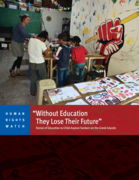
This report found that fewer than 15 percent of more than 3,000 school-age asylum-seeking children on the islands were enrolled in public school at the end of the 2017-2018 school year, and that in government-run camps on the islands, only about 100 children, all preschoolers, had access to formal e
...
ducation. The asylum-seeking children on the islands are denied the educational opportunities they would have on the mainland. Most of those who were able to go to school had been allowed to leave the government-run camps for housing run by local authorities and volunteers
more
