
Filter
3591
Text search:
The
Population
Council
Featured
229
1049
Language
3424
110
58
46
29
22
11
11
5
5
4
4
4
4
4
3
3
3
3
3
2
2
2
2
2
2
2
2
2
2
2
2
2
1
1
1
1
1
1
1
1
1
1
1
1
1
1
1
1
1
1
1
Document type
2083
714
349
164
139
49
39
33
7
5
2
1
1
Countries / Regions
173
147
134
118
103
97
95
81
75
70
68
63
62
62
59
54
49
49
48
46
42
40
39
39
36
31
31
31
29
22
21
20
20
19
18
18
18
17
16
15
15
15
14
14
14
13
13
13
12
12
12
12
11
11
10
10
9
9
9
8
8
7
7
7
7
7
6
6
6
5
5
5
5
5
5
5
4
4
4
4
4
4
3
3
3
3
3
3
3
3
3
3
3
3
2
2
2
2
2
2
2
2
2
2
2
2
2
2
2
2
1
1
1
1
1
1
1
1
1
1
1
1
1
1
1
1
1
1
1
1
1
1
1
1
1
1
1
1
1
Authors & Publishers
285
152
96
70
64
60
56
56
33
29
28
22
22
21
21
20
19
17
17
16
16
15
15
14
14
14
14
14
13
13
13
13
12
12
12
12
11
11
11
11
11
11
10
10
10
9
9
9
9
9
9
9
9
8
8
8
8
8
8
8
8
8
8
7
7
7
7
7
7
6
6
6
6
6
6
6
6
6
6
6
6
6
6
5
5
5
5
5
5
5
5
5
5
5
5
5
5
5
5
5
5
5
5
5
5
5
4
4
4
4
4
4
4
4
4
4
4
4
4
4
4
4
4
4
4
4
4
4
4
4
4
4
4
4
4
4
4
4
4
4
4
4
4
4
4
4
4
4
3
3
3
3
3
3
3
3
3
3
3
3
3
3
3
3
3
3
3
3
3
3
3
3
3
3
3
3
3
3
3
3
3
3
3
3
3
3
3
3
3
3
3
3
3
3
3
3
3
3
3
3
3
3
3
3
3
3
3
3
3
3
3
3
3
3
3
3
3
3
3
3
3
3
3
3
3
3
3
3
3
3
3
3
3
3
3
3
3
3
3
3
2
2
2
2
2
2
2
2
2
2
2
2
2
2
2
2
2
2
2
2
2
2
2
2
2
2
2
2
2
2
2
2
2
2
2
2
2
2
2
2
2
2
2
2
2
2
2
2
2
2
2
2
2
2
2
2
2
2
2
2
2
2
2
2
2
2
2
2
2
2
2
2
2
2
2
2
2
2
2
2
2
2
2
2
2
2
2
2
2
2
2
2
2
2
2
2
2
2
2
2
2
2
2
2
2
2
2
2
2
2
2
2
2
2
2
2
2
2
2
2
2
2
2
2
2
2
2
2
2
2
2
2
2
2
2
2
2
2
2
2
2
2
2
2
2
2
2
2
2
2
2
2
2
2
2
2
2
2
2
2
2
2
2
2
2
2
2
2
2
2
2
2
2
2
2
2
2
2
2
2
2
2
2
2
2
2
2
2
2
2
2
2
2
2
2
2
2
2
2
2
2
2
2
2
2
2
2
2
2
2
2
2
2
2
2
2
2
2
2
2
2
2
2
2
1
1
1
1
1
1
1
1
1
1
1
1
1
1
1
1
1
1
1
1
1
1
1
1
1
1
1
1
1
1
1
1
1
1
1
1
1
1
1
1
1
1
1
1
1
1
1
1
1
1
1
1
1
1
1
1
1
1
1
1
1
1
1
1
1
1
1
1
1
1
1
1
1
1
1
1
1
1
1
1
1
1
1
1
1
1
1
1
1
1
1
1
1
1
1
1
1
1
1
1
1
1
1
1
1
1
1
1
1
1
1
1
1
1
1
1
1
1
1
1
1
1
1
1
1
1
1
1
1
1
1
1
1
1
1
1
1
1
1
1
1
1
1
1
1
1
1
1
1
1
1
1
1
1
1
1
1
1
1
1
1
1
1
1
1
1
1
1
1
1
1
1
1
1
1
1
1
1
1
1
1
1
1
1
1
1
1
1
1
1
1
1
1
1
1
1
1
1
1
1
1
1
1
1
1
1
1
1
1
1
1
1
1
1
1
1
1
1
1
1
1
1
1
1
1
1
1
1
1
1
1
1
1
1
1
1
1
1
1
1
1
1
1
1
1
1
1
1
1
1
1
1
1
1
1
1
1
1
1
1
1
1
1
1
1
1
1
1
1
1
1
1
1
1
1
1
1
1
1
1
1
1
1
1
1
1
1
1
1
1
1
1
1
1
1
1
1
1
1
1
1
1
1
1
1
1
1
1
1
1
1
1
1
1
1
1
1
1
1
1
1
1
1
1
1
1
1
1
1
1
1
1
1
1
1
1
1
1
1
1
1
1
1
1
1
1
1
1
1
1
1
1
1
1
1
1
1
1
1
1
1
1
1
1
1
1
1
1
1
1
1
1
1
1
1
1
1
1
1
1
1
1
1
1
1
1
1
1
1
1
1
1
1
1
1
1
1
1
1
1
1
1
1
1
1
1
1
1
1
1
1
1
1
1
1
1
1
1
1
1
1
1
1
1
1
1
1
1
1
1
1
1
1
1
1
1
1
1
1
1
1
1
1
1
1
1
1
1
1
1
1
1
1
1
1
1
1
1
1
1
1
1
1
1
1
1
1
1
1
1
1
1
1
1
1
1
1
1
1
1
1
1
1
1
1
1
1
1
1
1
1
1
1
1
1
1
1
1
1
1
1
1
1
1
1
1
1
1
1
1
1
1
1
1
1
1
1
1
1
1
1
1
1
1
1
1
1
1
1
1
1
1
1
1
1
1
1
1
1
1
1
1
1
1
1
1
1
1
1
1
1
1
1
1
1
1
1
1
1
1
1
1
1
1
1
1
1
1
1
1
1
1
1
1
1
1
1
1
1
1
1
1
1
1
1
1
1
1
1
1
1
1
1
1
1
1
1
1
1
1
1
1
1
1
1
1
1
1
1
1
1
1
1
1
1
1
1
1
1
1
1
1
1
1
1
1
1
1
1
1
1
1
1
1
1
1
1
1
1
1
1
1
1
1
1
1
1
1
1
1
1
1
1
1
1
1
1
1
1
1
1
1
1
1
1
1
1
1
1
1
1
1
1
1
1
1
1
1
1
1
1
1
1
1
1
1
1
1
1
1
1
1
1
1
1
1
1
1
1
1
1
1
1
1
1
1
1
1
1
1
1
1
1
1
1
1
1
1
1
1
1
1
1
1
1
1
1
1
1
1
1
1
1
1
1
1
1
1
1
1
1
1
1
1
1
1
1
1
1
1
1
1
1
1
1
1
1
1
1
1
1
1
1
1
1
1
1
1
1
1
1
1
1
1
1
1
1
1
1
1
1
1
1
1
1
1
1
1
1
1
1
1
1
1
1
1
1
1
1
1
1
1
1
1
1
1
1
1
1
1
1
1
1
1
1
1
1
1
1
1
1
1
1
1
1
1
1
1
1
1
1
1
1
1
1
1
1
1
1
1
1
1
1
1
1
1
1
1
1
1
1
1
1
1
1
1
1
1
1
1
1
1
1
1
1
1
1
1
1
1
1
1
1
1
1
1
1
1
1
1
1
1
1
1
1
1
1
1
1
1
1
1
1
1
1
1
1
1
1
1
1
1
1
1
1
1
1
1
1
1
1
1
1
1
1
1
1
1
1
1
1
1
1
1
1
1
1
1
1
1
1
1
1
1
1
1
1
1
1
1
1
1
1
1
1
1
1
1
1
1
1
1
1
1
1
1
1
1
1
1
1
1
1
1
1
1
1
1
1
1
1
1
1
1
1
1
1
1
1
1
1
1
1
1
1
1
1
1
1
1
1
1
1
1
1
1
1
1
1
1
1
1
1
1
1
1
1
1
1
1
1
1
1
1
1
1
1
1
1
1
1
1
1
1
1
1
1
1
1
1
1
1
1
1
1
1
1
1
1
1
1
1
1
1
1
1
1
1
1
1
1
1
1
1
1
1
1
1
1
1
1
1
1
1
1
1
1
1
1
1
1
1
1
1
1
1
1
1
1
1
1
1
1
1
1
1
1
1
1
1
1
1
1
1
1
1
1
1
1
1
1
1
1
1
1
1
1
1
1
1
1
1
1
1
1
1
1
1
1
1
1
1
1
1
1
1
1
1
1
1
1
1
1
1
1
1
1
1
1
1
1
1
1
1
1
1
1
1
1
1
1
1
1
1
1
1
1
1
1
1
1
1
1
1
1
1
1
1
1
1
1
1
1
1
1
1
1
1
1
1
1
1
1
1
1
1
1
1
1
1
1
1
1
1
1
1
1
1
1
1
1
1
1
1
1
1
1
1
1
1
1
1
1
1
1
1
1
1
1
1
1
1
1
1
1
1
1
1
1
1
1
1
1
1
1
1
1
1
1
1
1
1
1
1
1
1
1
1
1
1
1
1
1
1
1
1
1
1
1
1
1
1
1
1
1
1
1
1
1
1
1
1
1
1
1
1
1
1
1
1
1
1
1
1
1
1
1
1
1
1
1
1
1
1
1
1
1
1
1
1
1
1
1
1
1
1
1
1
1
1
1
1
1
1
1
1
1
1
1
1
1
1
1
1
1
1
1
1
1
1
1
1
1
1
1
1
1
1
1
1
1
1
1
1
1
1
1
1
1
1
1
1
1
1
1
1
1
1
1
1
1
1
1
1
1
1
1
1
1
1
1
1
1
1
1
1
1
1
1
1
1
1
1
1
1
1
1
1
1
1
1
1
1
1
1
1
1
1
1
1
1
1
1
1
1
1
1
1
1
1
1
1
1
1
1
1
1
1
1
1
1
1
1
1
1
1
1
1
1
1
1
1
1
1
1
1
1
1
1
1
1
1
1
1
1
1
1
1
1
1
1
1
1
1
1
1
1
1
1
1
1
1
1
1
1
1
1
1
1
1
1
1
1
1
1
1
1
1
1
1
1
1
1
1
1
1
1
1
1
1
1
1
1
1
1
1
1
1
1
1
1
1
1
1
1
1
1
1
1
1
1
1
1
1
1
1
1
1
1
1
1
1
1
1
1
1
1
1
1
1
1
1
1
1
1
1
1
1
1
1
1
1
1
1
1
1
1
1
1
1
1
1
1
1
1
1
1
1
1
1
1
1
1
1
1
1
1
1
1
1
1
1
1
1
1
1
1
1
1
1
1
1
1
1
1
1
1
1
1
1
1
1
1
1
1
1
1
1
1
1
1
1
1
1
1
1
1
1
1
1
1
1
1
1
1
1
1
1
1
1
1
1
1
1
1
1
1
1
1
1
1
1
1
1
1
1
1
1
1
1
1
1
1
1
1
1
1
1
1
1
1
1
1
1
1
1
1
1
1
1
1
1
1
1
1
1
1
1
1
1
1
1
1
1
1
1
1
1
1
1
1
1
1
1
1
1
1
1
1
1
1
1
1
1
1
1
1
1
1
1
1
1
1
1
1
1
1
1
1
1
1
1
1
1
1
1
1
1
1
1
1
1
1
1
1
1
1
1
1
1
1
1
1
1
1
1
1
1
1
1
1
1
1
1
1
1
1
1
1
1
1
1
1
1
1
1
1
1
1
1
1
1
1
1
1
1
1
1
1
1
1
1
1
1
1
1
1
1
1
1
1
1
1
1
1
1
1
1
1
1
1
1
1
1
1
1
1
1
1
1
1
1
1
1
1
1
1
1
1
1
1
1
1
1
1
1
1
1
1
1
1
1
1
1
1
1
1
1
1
1
1
1
1
1
1
1
1
1
1
1
1
1
1
1
1
1
1
1
1
1
1
1
1
1
1
1
1
1
1
1
1
1
1
1
1
1
1
1
1
1
1
1
1
1
1
1
1
1
1
1
1
1
1
1
1
1
1
1
1
1
1
1
1
1
1
1
1
1
1
1
1
1
1
1
1
1
1
1
1
1
1
1
1
1
1
1
1
1
1
1
1
1
1
1
1
1
1
1
1
1
1
1
1
1
1
1
1
1
1
1
1
1
1
1
1
1
1
1
1
1
1
1
1
1
1
1
1
1
1
1
1
1
1
1
1
1
1
1
1
1
1
1
1
1
1
1
1
1
1
1
1
1
1
1
1
1
1
1
1
1
1
1
1
1
1
1
1
1
1
1
1
1
1
1
1
1
1
1
1
1
1
1
1
1
1
1
1
1
1
1
1
1
1
1
1
1
1
1
1
1
1
1
1
1
1
1
1
1
1
1
1
1
1
1
1
1
1
1
1
1
1
1
1
1
1
1
1
1
1
1
1
1
1
1
1
1
1
1
1
1
1
1
1
1
1
1
1
1
1
1
1
1
1
1
1
1
1
1
1
1
1
1
1
1
1
1
1
1
1
1
1
1
1
1
1
1
1
1
1
1
1
1
1
1
1
1
1
1
1
1
1
1
1
1
1
1
1
1
1
1
1
1
1
1
1
1
1
1
1
1
1
1
1
1
1
1
1
1
1
1
1
1
1
1
1
1
1
1
1
1
1
1
1
1
1
1
1
1
1
1
1
1
1
1
1
1
1
1
1
1
1
1
1
1
1
1
1
1
1
1
1
1
1
1
1
1
1
1
1
1
1
1
1
1
1
1
1
1
1
1
1
1
1
1
1
1
1
1
1
1
1
1
1
1
1
1
1
1
1
1
1
1
1
1
1
1
1
1
1
1
1
1
1
1
1
1
1
1
1
1
1
1
1
1
1
1
1
1
1
1
1
1
1
1
1
1
1
1
1
1
1
1
1
1
1
1
1
1
1
1
1
1
1
1
1
1
1
1
1
1
1
1
1
1
1
1
1
1
1
1
1
1
1
1
1
1
1
1
1
1
1
1
1
1
1
1
1
1
1
1
1
1
1
1
1
1
1
1
1
1
1
1
1
1
1
1
1
1
1
1
1
1
1
1
1
1
1
1
1
1
1
1
1
1
1
1
1
1
1
1
1
1
1
1
1
1
1
1
1
1
1
1
1
1
1
1
1
1
1
1
1
1
1
1
1
1
1
1
1
1
1
1
1
1
1
1
1
1
1
1
1
1
1
1
1
1
1
1
1
1
1
1
1
1
1
1
1
1
1
1
1
1
1
1
1
1
1
1
1
1
1
1
1
1
1
1
1
1
1
1
1
1
1
1
1
1
1
1
1
1
1
1
1
1
1
1
1
1
1
1
1
1
1
1
1
1
1
1
1
1
1
1
1
1
1
1
1
1
1
1
1
1
1
1
1
1
1
1
1
1
1
1
1
1
1
1
1
1
1
1
1
1
1
1
1
1
1
1
1
1
1
1
1
1
1
1
1
1
1
1
1
1
1
1
1
1
1
1
1
1
1
1
1
1
1
1
1
1
1
1
1
1
1
1
1
1
1
1
1
1
1
1
1
1
1
1
1
1
1
1
1
1
1
1
1
1
1
1
1
1
1
1
1
1
1
1
1
1
1
1
1
1
1
1
1
1
1
1
1
1
1
1
1
1
1
1
1
1
1
1
1
1
1
1
1
1
1
1
1
1
1
1
1
1
1
1
1
1
1
1
1
1
1
1
1
1
1
1
1
1
1
1
1
1
1
1
1
1
1
1
1
1
1
1
1
1
1
1
1
1
1
1
1
1
1
1
1
1
1
1
1
1
1
1
1
1
1
1
1
1
1
1
1
1
1
1
1
1
1
1
1
1
1
1
1
1
1
1
1
1
1
1
1
1
1
1
1
1
1
1
1
1
1
1
1
1
1
1
1
1
1
1
1
1
1
1
1
1
1
1
1
1
1
1
1
1
1
1
1
1
1
1
1
1
1
1
1
1
1
1
1
1
1
1
1
1
1
1
1
1
1
1
1
1
1
1
1
1
1
1
1
1
1
1
1
1
1
1
1
1
1
1
1
1
1
1
1
1
1
1
1
1
1
1
1
1
1
1
1
1
1
1
1
1
1
1
1
1
1
1
1
1
1
1
1
1
1
1
1
1
1
1
1
1
1
1
1
1
1
1
1
1
1
1
1
1
1
1
1
1
1
1
1
1
1
1
1
1
1
1
1
1
1
1
1
1
1
1
1
1
1
1
1
1
1
1
1
1
1
1
1
1
1
1
1
1
1
1
1
1
1
1
1
1
1
1
1
1
1
1
1
1
1
1
1
1
1
1
1
1
1
1
1
1
1
1
1
1
1
1
1
1
1
1
1
1
1
1
1
1
1
1
1
1
1
1
1
1
Publication Years
1
924
2325
321
17
1
1
1
Category
1614
208
187
163
159
47
14
Toolboxes
267
213
188
170
160
158
136
110
96
81
69
62
58
58
56
51
49
36
28
26
23
21
18
9
8
3
Notable progress has also been made on other key health indicators such as reducing maternal, infant and child deaths and malnutrition, increasing immunization coverage, eliminating infectious diseases such as polio and reducing the incidence of mal
...
aria, tuberculosis and diarrhoeal diseases.
But despite such substantial progress, the country now faces new and emerging new challenges such as the rising burden of noncommunicable diseases, increased risks associated with disasters, environmental threats and health emergencies during disease outbreaks including the COVID-19 pandemic that is a serious public health threat to Bangladesh. To establish a resilience system for future potential pandemics, the national capacity for emergency preparedness and early response to health emergencies needs to be bolstered considerably.
more

Humanitarian emergencies, regardless of type and cause, have a number of common risk factors for communicable diseases inextricably linked to excess risk of morbidity and mortality which can come from vaccine–preventable diseases (VPDs). The reduc
...
tion of VPDs is a significant aim of public-health interventions during crises.
The WHO Strategic Advisory Group of Experts (SAGE) on Immunization carried out a comprehensive review of evidence on vaccination decision-making processes and considerations in humanitarian emergencies.
more
This monograph presents 12 reports of successful programs serving children with special needs in various nations. The program locations and the program report titles and authors are as follows: (1)
...
Austria: "Integration Models for Elementary and Secondary Schools in Austria" (Volker Rutte); (2) China: "Integrated Education Project, Anhui Province" (Janet C. Holdsworth); (3) Ghana: "The Community-Based Rehabilitation Programme in Ghana" (Lawrence Ofori-Addo); (4) Guyana: "Involvement of Volunteers, Parents and Community Members with Children with Special Needs" (Brian O'Toole); (5) India: "Teacher Development Initiative To Meet Special Needs in the Classroom" (N. K. Jangira and Anupam Ahuja); (6) Jamaica: "Early Intervention and Education Initiatives in Rural Areas" (M. J. Thorburn); (7) Jordan: "The Role of Institutions in Community-based Rehabilitation and in Community-based Special Education" (Andrew L. de Carpentier); (8) Jordan: "The Resource Room at the Amman National School" (Hala T. Ibrahim); (9) Netherlands: "Individual Integration of Children with Down's Syndrome in Ordinary Schools" (Trijntje de Wit-Gosker); (10) Norway: "In Harmony We Learn" (Marna Moe); (11) International: "INITIATIVES for Deaf Education in the Third World" (Andrew L. de Carpentier); and (12) Sri Lanka: "The Integrated Education of Visually Impaired Children in Sri Lanka" (B. L. Rajapakse).
more
There is a substantial and ever-increasing unmet need for rehabilitation worldwide, which is particularly profound in low- and middle
-income countries. The availability of accessible and affordable rehabilitation is necessary for many people with
...
health conditions to remain as independent as possible, to participate in education, to be economically productive, and fulfil meaningful life roles.
more
"Patient decontamination principles are set forth here from a strategic perspective, rather than a tactical
one. The principles are meant to guide, but not specify, operational practices. The guida
...
nce is evidencebased
to the extent possible and the supporting evidence is documented and briefly discussed."
more
These guidelines provide a recommendation on iodine thyroid blocking (ITB), via oral administration of stable iodine, as an urgent protective action in responding to a nuclear accident. This recommendation aims to support emergency planners, policy makers, public health specialists, clinicians and o
...
ther relevant stakeholders, in order to strengthen public health preparedness for radiation emergencies in WHO Member States as required by the International Health Regulations (IHR) and in line with the international safety standards (GSR Part 7). The scope of the guidelines is confined to public health aspects of planning and implementation of ITB before and during a radiation emergency, such as dosage and timing of ITB administration, adverse effects of stable iodine, its packaging, storage, and distribution.
These guidelines supersede the 1999 WHO Guidelines for Iodine Prophylaxis following Nuclear Accidents.
more
"National Disaster Management Guidelines: Management
of Chemical (Terrorism) Disasters (are intended to
focus on all aspects of the disaster management
cycle, including prevention measures such as
surveillance and intelligence, mitigation of dir
...
ect
and indirect risks, preparedness in terms of
capacity development of human resources and
infrastructure development, as well as relief,
rehabilitation and reconstruction/recovery."
more
Disability-inclusive social protection research in Nepal
Banks, Lena M., Walsham, Matthew and others
International Centre for Evidence in Disability
(2018)
C1
A national overview with a case study from Tanahun district. The overall aims of this study are (1) to assess the extent to which social protection systems in Nepal address
...
the needs of people with disabilities; and (2) to identify and document elements of good practice, as well as challenges, in the design and delivery of social protection for people with disabilities. As most social protection programmes in Nepal are targeted to various groups considered to be a high risk of poverty or marginalisation (e.g. orphans, widows), the research mainly focuses on disability-specific schemes, as they are relevant to a higher proportion of people with disabilities.
more

This National Food and Nutrition Policy developed in 2013 builds on several achievements that have improved the status of nutrition and household food security in Rwanda during the past six years.
...
The outlines ambitious but necessary strategies needed to solve serious and
persistent problems including the high prevalence of child stunting and high levels of anaemia in children and women. The NFNP also takes into account major differences in the economic development environment and the higher national and international priority placed on improving nutrition and related household food security problems in the second decade of the new millennium compared to 2007 when the country’s first National Nutrition Policy was adopted.
more
Building on Nigeria’s Call to Action to Save Newborn Lives, the Federal Ministry of Health (FMoH) has developed the National Strategy and Implementation Plan for Scale-up of Chlorhexidine.
...
The Ministry incorporated existing maternal, newborn, and child health plans with additional comprehensive strategic planning and consultation to develop a comprehensive, five-year costed scale-up plan. The strategy and implementation plan is intended to guide programming, resource allocation, and commitments to achieve the national objective of Chlorhexidine uptake of 52% after the fifth year of national scaleup.
more
This document provides a generic model that can be used for risk assessment of exposure to insecticide products applied as indoor residual sprays. It aims to harmonize the risk assessment of such insecticides for public health use in order to genera
...
te comparable data for their registering and labelling by national regulatory authorities. The assessment considers both adults and children (all age groups) as well as people in the following specific categories:
- those preparing the spray;
- those applying the spray;
- residents living in the treated houses;
- residents who participate in preparing and applying insecticides. more
- those preparing the spray;
- those applying the spray;
- residents living in the treated houses;
- residents who participate in preparing and applying insecticides. more
Long-lasting insecticidal nets (LNs) constitute a core vector control intervention against malaria. A number of new LN products are under development and will require assessment of risks to humans. This document provides an updated generic model that can be used for
...
the risk assessment of exposure to insecticides of individuals sleeping under LNs and during the washing of nets.
In an Annex, exposures and health risks are described for the conventional treatment or retreatment of nets (ITNs) with an insecticide considering that such practices may still be used in evaluation of ITNs and their use. The generic model does not include the risks associated with the manufacturing of LNs in a factory environment. more
In an Annex, exposures and health risks are described for the conventional treatment or retreatment of nets (ITNs) with an insecticide considering that such practices may still be used in evaluation of ITNs and their use. The generic model does not include the risks associated with the manufacturing of LNs in a factory environment. more
Infectious disease outbreaks are frequently characterized by scientific uncertainty, social and institutional disruption, and an overall climate of fear and distrust. Policy makers and public health professionals may be forced to weigh and prioritize potentially competing ethical values in
...
the face of severe time and resource constraints. This document seeks to assist policy-makers, health care providers, researchers, and others prepare for outbreak situations by anticipating and preparing for the critical ethical issues likely to arise.
more

Myanmar has made significant progress in its disaster management policies, plans, and procedures since 2008, when Cyclone Nargis impacted the country leaving devastation in its aftermath. The Govern
...
ment of Myanmar (GoM) has modified the government structure and created new authorities and plans to improve the effectiveness of disaster management at all levels. While this progress is encouraging and shows the determination of the government to make necessary adjustments, the resources to implement the policy changes have been slower to develop. Myanmar has made significant progress in its disaster management policies, plans, and procedures since 2008, when Cyclone Nargis impacted the country leaving devastation in its aftermath. The Government of Myanmar (GoM) has modified the government structure and created new authorities and plans to improve the effectiveness of disaster management at all levels. While this progress is encouraging and shows the determination of the government to make necessary adjustments, the resources to implement the policy changes have been slower to develop.
more

Disability Data Collection in Community-based Rehabilitation
Sunil Deepak, Franesca Ortali, Geraldine Mason Halls, Tulgamaa Damdinsuren, Enhbuyant Lhagvajav, Steven Msowoya, Malek Qutteina, Jayanth Kumar
Disability, CBR & Inclusive Development Journal (DCIDJ)
(2016)
CC
Today there are Community-based Rehabilitation (CBR) programmes in a large number of countries. In many countries, the CBR approach is a part of the national rehabilitation services. However, there
...
is a lack of reliable data about persons with disabilities who benefit from CBR and the kind of benefits they receive. This article reviews the disability data collection systems and presents some case studies to understand the influence of operational factors on data collection in the CBR programmes. The review shows that most CBR programmes use a variable number of broad functional categories to collect information about persons with disabilities, combined occasionally with more specific diagnostic categories. This categorisation is influenced by local contexts and operational factors, including the limitations of human and material resources available for its implementation, making it difficult to have comparable CBR data. Therefore, any strategies to strengthen the data collection in CBR programmes must take these operational factors into account.
more
Communities can play a critical role in suicide prevention. Facilitating community engagement in suicide prevention is an important task. The toolkit is a step-by-step guide for communities to engage in suicide prevention activities and have ownersh
...
ip of the process and keep efforts sustained. It is hoped that the pilot version will be used, after necessary adaptation, in many countries and contexts, so that the final product can be strengthened and become more effective and user-friendly.
more
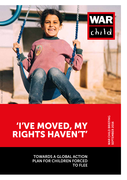
War child: "I´ve moved, my rights haven't" (Towards a global action plan for children forced to flee)
recommended
We live in a world in which 28 million children have been driven from their
homes as a result of conflict, persecution and insecurity¹. If current trends
continue, more than 63 million children could be forced to flee by 2025², of
which over 25 million will cross borders and become refugees. At
...
least
300,000 of these child refugees will end up alone, separated from their
families³. Without a step-change in the provision of education for refugee
children, at least 12 million of them will be out of school by 2025⁴.
more

Good mental health is integral to human health and well being. A person’s mental health and many common mental disorders are shaped by various social, economic, and physical environments operating at different stages of life. Risk factors for many common mental disorders are heavily associated wit
...
h social inequalities, whereby the greater the inequality the higher the inequality in risk.
more
1. Provide treatment for mental disorders in primary care
2. Ensure wider accessibility to essential psychotropic drugs
3. Provide care in the community
4. Educate the public
5. Involve communit
...
ies, families and consumers
6. Establish national policies, programmes and legislation on mental health
7. Develop human resources
8. Link with other sectors
9. Monitor community mental health
10. Support relevant research.
more
