
Filter
3630
Text search:
case
definition
Featured
380
909
Language
3474
107
79
49
45
44
26
18
3
3
3
3
3
3
3
3
2
2
2
2
2
2
2
1
1
1
1
1
1
1
1
1
1
1
1
1
1
1
1
1
1
1
1
1
Document type
1926
614
557
256
106
83
45
19
9
5
4
2
1
Countries
174
172
84
83
80
79
77
64
63
61
59
57
54
53
51
45
43
41
37
37
34
32
29
25
24
23
22
21
20
20
19
18
18
17
17
17
16
16
15
15
15
14
14
13
12
12
11
10
9
9
9
8
8
8
8
8
8
7
7
7
6
5
5
5
5
5
5
4
4
4
4
4
4
3
3
3
3
3
3
3
3
3
3
2
2
2
2
2
2
2
2
2
2
2
2
2
2
2
1
1
1
1
1
1
1
1
1
1
1
1
1
1
1
1
1
1
1
1
1
1
1
1
1
1
1
1
1
1
Authors & Publishers
540
166
105
91
65
62
53
44
38
29
22
21
21
21
20
20
20
19
18
18
17
16
16
15
15
15
14
14
13
13
13
13
12
12
12
12
12
11
11
10
10
10
10
9
9
9
9
9
9
9
8
8
8
8
8
8
8
8
8
8
7
7
7
7
7
7
7
7
7
7
7
7
7
7
6
6
6
6
6
6
6
6
6
6
6
6
6
5
5
5
5
5
5
5
5
5
5
5
5
5
5
5
5
5
5
5
5
5
5
5
4
4
4
4
4
4
4
4
4
4
4
4
4
4
4
4
4
4
4
4
4
4
4
4
4
4
4
4
4
4
4
4
4
4
4
4
4
4
4
4
4
4
4
4
4
4
3
3
3
3
3
3
3
3
3
3
3
3
3
3
3
3
3
3
3
3
3
3
3
3
3
3
3
3
3
3
3
3
3
3
3
3
3
3
3
3
3
3
3
3
3
3
3
3
3
3
3
3
3
3
3
3
3
3
3
3
3
3
2
2
2
2
2
2
2
2
2
2
2
2
2
2
2
2
2
2
2
2
2
2
2
2
2
2
2
2
2
2
2
2
2
2
2
2
2
2
2
2
2
2
2
2
2
2
2
2
2
2
2
2
2
2
2
2
2
2
2
2
2
2
2
2
2
2
2
2
2
2
2
2
2
2
2
2
2
2
2
2
2
2
2
2
2
2
2
2
2
2
2
2
2
2
2
2
2
2
2
2
2
2
2
2
2
2
2
2
2
2
2
2
2
2
2
2
2
2
2
2
2
2
2
2
2
2
2
2
2
2
2
2
2
2
2
2
2
2
2
2
2
2
2
2
2
2
2
2
2
2
2
2
2
2
2
2
2
2
2
2
2
2
2
2
2
2
2
2
2
2
2
2
2
2
2
2
2
1
1
1
1
1
1
1
1
1
1
1
1
1
1
1
1
1
1
1
1
1
1
1
1
1
1
1
1
1
1
1
1
1
1
1
1
1
1
1
1
1
1
1
1
1
1
1
1
1
1
1
1
1
1
1
1
1
1
1
1
1
1
1
1
1
1
1
1
1
1
1
1
1
1
1
1
1
1
1
1
1
1
1
1
1
1
1
1
1
1
1
1
1
1
1
1
1
1
1
1
1
1
1
1
1
1
1
1
1
1
1
1
1
1
1
1
1
1
1
1
1
1
1
1
1
1
1
1
1
1
1
1
1
1
1
1
1
1
1
1
1
1
1
1
1
1
1
1
1
1
1
1
1
1
1
1
1
1
1
1
1
1
1
1
1
1
1
1
1
1
1
1
1
1
1
1
1
1
1
1
1
1
1
1
1
1
1
1
1
1
1
1
1
1
1
1
1
1
1
1
1
1
1
1
1
1
1
1
1
1
1
1
1
1
1
1
1
1
1
1
1
1
1
1
1
1
1
1
1
1
1
1
1
1
1
1
1
1
1
1
1
1
1
1
1
1
1
1
1
1
1
1
1
1
1
1
1
1
1
1
1
1
1
1
1
1
1
1
1
1
1
1
1
1
1
1
1
1
1
1
1
1
1
1
1
1
1
1
1
1
1
1
1
1
1
1
1
1
1
1
1
1
1
1
1
1
1
1
1
1
1
1
1
1
1
1
1
1
1
1
1
1
1
1
1
1
1
1
1
1
1
1
1
1
1
1
1
1
1
1
1
1
1
1
1
1
1
1
1
1
1
1
1
1
1
1
1
1
1
1
1
1
1
1
1
1
1
1
1
1
1
1
1
1
1
1
1
1
1
1
1
1
1
1
1
1
1
1
1
1
1
1
1
1
1
1
1
1
1
1
1
1
1
1
1
1
1
1
1
1
1
1
1
1
1
1
1
1
1
1
1
1
1
1
1
1
1
1
1
1
1
1
1
1
1
1
1
1
1
1
1
1
1
1
1
1
1
1
1
1
1
1
1
1
1
1
1
1
1
1
1
1
1
1
1
1
1
1
1
1
1
1
1
1
1
1
1
1
1
1
1
1
1
1
1
1
1
1
1
1
1
1
1
1
1
1
1
1
1
1
1
1
1
1
1
1
1
1
1
1
1
1
1
1
1
1
1
1
1
1
1
1
1
1
1
1
1
1
1
1
1
1
1
1
1
1
1
1
1
1
1
1
1
1
1
1
1
1
1
1
1
1
1
1
1
1
1
1
1
1
1
1
1
1
1
1
1
1
1
1
1
1
1
1
1
1
1
1
1
1
1
1
1
1
1
1
1
1
1
1
1
1
1
1
1
1
1
1
1
1
1
1
1
1
1
1
1
1
1
1
1
1
1
1
1
1
1
1
1
1
1
1
1
1
1
1
1
1
1
1
1
1
1
1
1
1
1
1
1
1
1
1
1
1
1
1
1
1
1
1
1
1
1
1
1
1
1
1
1
1
1
1
1
1
1
1
1
1
1
1
1
1
1
1
1
1
1
1
1
1
1
1
1
1
1
1
1
1
1
1
1
1
1
1
1
1
1
1
1
1
1
1
1
1
1
1
1
1
1
1
1
1
1
1
1
1
1
1
1
1
1
1
1
1
1
1
1
1
1
1
1
1
1
1
1
1
1
1
1
1
1
1
1
1
1
1
1
1
1
1
1
1
1
1
1
1
1
1
1
1
1
1
1
1
1
1
1
1
1
1
1
1
1
1
1
1
1
1
1
1
1
1
1
1
1
1
1
1
1
1
1
1
1
1
1
1
1
1
1
1
1
1
1
1
1
1
1
1
1
1
1
1
1
1
1
1
1
1
1
1
1
1
1
1
1
1
1
1
1
1
1
1
1
1
1
1
1
1
1
1
1
1
1
1
1
1
1
1
1
1
1
1
1
1
1
1
1
1
1
1
1
1
1
1
1
1
1
1
1
1
1
1
1
1
1
1
1
1
1
1
1
1
1
1
1
1
1
1
1
1
1
1
1
1
1
1
1
1
1
1
1
1
1
1
1
1
1
1
1
1
1
1
1
1
1
1
1
1
1
1
1
1
1
1
1
1
1
1
1
1
1
1
1
1
1
1
1
1
1
1
1
1
1
1
1
1
1
1
1
1
1
1
1
1
1
1
1
1
1
1
1
1
1
1
1
1
1
1
1
1
1
1
1
1
1
1
1
1
1
1
1
1
1
1
1
1
1
1
1
1
1
1
1
1
1
1
1
1
1
1
1
1
1
1
1
1
1
1
1
1
1
1
1
1
1
1
1
1
1
1
1
1
1
1
1
1
1
1
1
1
1
1
1
1
1
1
1
1
1
1
1
1
1
1
1
1
1
1
1
1
1
1
1
1
1
1
1
1
1
1
1
1
1
1
1
1
1
1
1
1
1
1
1
1
1
1
1
1
1
1
1
1
1
1
1
1
1
1
1
1
1
1
1
1
1
1
1
1
1
1
1
1
1
1
1
1
1
1
1
1
1
1
1
1
1
1
1
1
1
1
1
1
1
1
1
1
1
1
1
1
1
1
1
1
1
1
1
1
1
1
1
1
1
1
1
1
1
1
1
1
1
1
1
1
1
1
1
1
1
1
1
1
1
1
1
1
1
1
1
1
1
1
1
1
1
1
1
1
1
1
1
1
1
1
1
1
1
1
1
1
1
1
1
1
1
1
1
1
1
1
1
1
1
1
1
1
1
1
1
1
1
1
1
1
1
1
1
1
1
1
1
1
1
1
1
1
1
1
1
1
1
1
1
1
1
1
1
1
1
1
1
1
1
1
1
1
1
1
1
1
1
1
1
1
1
1
1
1
1
1
1
1
1
1
1
1
1
1
1
1
1
1
1
1
1
1
1
1
1
1
1
1
1
1
1
1
1
1
1
1
1
1
1
1
1
1
1
1
1
1
1
1
1
1
1
1
1
1
1
1
1
1
1
1
1
1
1
1
1
1
1
1
1
1
1
1
1
1
1
1
1
1
1
1
1
1
1
1
1
1
1
1
1
1
1
1
1
1
1
1
1
1
1
1
1
1
1
1
1
1
1
1
1
1
1
1
1
1
1
1
1
1
1
1
1
1
1
1
1
1
1
1
1
1
1
1
1
1
1
1
1
1
1
1
1
1
1
1
1
1
1
1
1
1
1
1
1
1
1
1
1
1
1
1
1
1
1
1
1
1
1
1
1
1
1
1
1
1
1
1
1
1
1
1
1
1
1
1
1
1
1
1
1
1
1
1
1
1
1
1
1
1
1
1
1
1
1
1
1
1
1
1
1
1
1
1
1
1
1
1
1
1
1
1
1
1
1
1
1
1
1
1
1
1
1
1
1
1
1
1
1
1
1
1
1
1
1
1
1
1
1
1
1
1
1
1
1
1
1
1
1
1
1
1
1
1
1
1
1
1
1
1
1
1
1
1
1
1
1
1
1
1
1
1
1
1
1
1
1
1
1
1
1
1
1
1
1
1
1
1
1
1
1
1
1
1
1
1
1
1
1
1
1
1
1
1
1
1
1
1
1
1
1
1
1
1
1
1
1
1
1
1
1
1
1
1
1
1
1
1
1
1
1
1
1
1
1
1
1
1
1
1
1
1
1
1
1
1
1
1
1
1
1
1
1
1
1
1
1
1
1
1
1
1
1
1
1
1
1
1
1
1
1
1
1
1
1
1
1
1
1
1
1
1
1
1
1
1
1
1
1
1
1
1
1
1
1
1
1
1
1
1
1
1
1
1
1
1
1
1
1
1
1
1
1
1
1
1
1
1
1
1
1
1
1
1
1
1
1
1
1
1
1
1
1
1
1
1
1
1
1
1
1
1
1
1
1
1
1
1
1
1
1
1
1
1
1
1
1
1
1
1
1
1
1
1
1
1
1
1
1
1
1
1
1
1
1
1
1
1
1
1
1
1
1
1
1
1
1
1
1
1
1
1
1
1
1
1
1
1
1
1
1
1
1
1
1
1
1
1
1
1
1
1
1
1
1
1
1
1
1
1
1
1
1
1
1
1
1
1
1
1
1
1
1
1
1
1
1
1
1
1
1
1
1
1
1
1
1
1
1
1
1
1
1
1
1
1
1
1
1
1
1
1
1
1
1
1
1
1
1
1
1
1
1
1
1
1
1
1
1
1
1
1
1
1
1
1
1
1
1
1
1
1
1
1
1
1
1
1
1
1
1
1
1
1
1
1
1
1
1
1
1
1
1
1
1
1
1
1
1
1
1
1
1
1
1
1
1
1
1
1
1
1
1
1
1
1
1
1
1
1
1
1
1
1
1
1
1
1
1
1
1
1
1
1
1
1
1
1
1
1
1
1
1
1
1
1
1
1
1
1
1
1
1
1
1
1
1
1
1
1
1
1
1
1
1
1
1
1
1
1
1
1
1
1
1
1
1
1
1
1
1
1
1
1
1
1
1
1
1
1
1
1
1
1
1
1
1
1
1
1
1
1
1
1
1
1
1
1
1
1
1
1
1
1
1
1
1
1
1
1
1
1
1
1
1
1
1
1
1
1
1
1
1
1
1
1
1
1
1
1
1
1
1
1
1
1
1
1
1
1
1
1
1
1
1
1
1
1
1
1
1
1
1
1
1
1
1
1
1
1
1
1
1
1
1
1
1
1
1
1
1
1
1
1
1
1
1
1
1
1
1
1
1
1
1
1
1
1
1
1
1
1
1
1
1
1
1
1
1
1
1
1
1
1
1
1
1
1
1
1
1
1
1
1
1
1
1
1
1
1
1
1
1
1
1
1
1
1
1
1
1
1
1
1
1
1
1
1
1
1
1
1
1
1
1
1
1
1
1
1
1
1
1
1
1
1
1
1
1
1
1
1
1
1
1
1
1
1
1
1
1
1
1
1
1
1
1
1
1
1
1
1
1
1
1
1
1
1
1
1
1
1
1
1
1
1
1
1
1
1
1
1
1
1
1
1
1
1
1
1
1
1
1
1
1
1
1
1
1
1
1
1
1
1
1
1
1
1
1
1
1
1
1
1
1
1
1
1
1
1
1
1
1
1
1
1
1
1
1
1
1
1
1
1
1
1
1
1
1
1
1
1
1
1
1
1
1
1
1
1
1
1
1
1
1
1
1
1
1
1
1
1
1
1
1
1
1
1
1
1
1
1
1
1
1
1
1
1
1
1
1
1
1
1
1
1
1
1
1
1
1
1
1
1
1
1
1
1
1
1
1
1
1
1
1
1
1
1
1
1
1
1
1
1
1
1
1
1
1
1
1
1
1
1
1
1
1
1
1
1
1
1
1
1
1
1
1
1
1
1
1
1
1
1
1
1
1
1
1
1
1
1
1
1
1
1
1
1
1
1
1
1
1
1
1
1
1
1
1
1
1
1
1
1
1
1
1
1
1
1
1
1
1
1
1
1
1
1
1
1
1
1
1
1
1
1
1
1
1
1
1
1
1
1
1
1
1
1
1
1
1
1
1
1
1
1
1
1
1
1
1
1
1
1
1
1
1
1
1
1
1
1
1
1
1
1
1
1
1
1
1
1
1
1
1
1
1
1
1
1
1
1
1
1
1
1
1
1
1
1
1
1
1
1
1
1
1
1
1
1
1
1
1
1
1
1
1
1
1
1
1
1
1
1
1
1
1
1
1
1
1
1
1
1
1
1
1
1
1
1
1
1
1
1
1
1
1
1
1
1
1
1
1
1
1
1
1
1
1
1
1
1
1
1
1
1
1
1
1
1
1
1
1
1
1
1
1
1
1
1
1
1
1
1
1
1
1
1
1
1
1
1
1
1
1
1
1
1
1
1
1
1
1
1
1
1
1
1
1
1
1
1
1
1
1
1
1
1
1
1
1
1
1
1
1
1
1
1
1
1
1
1
1
1
1
1
1
1
1
1
1
1
1
1
1
1
1
1
1
1
1
1
1
1
1
1
1
1
1
1
1
1
1
1
1
Publication Years
1
1073
2146
380
25
3
1
1
Category
1246
308
276
219
213
111
38
Toolboxes
316
280
221
175
131
115
106
106
98
87
82
80
78
75
72
60
49
48
47
46
43
39
31
25
20
2

The CDAC Network commissioned a practice guide to draw both on their experiences and many others’ in order to document approaches, practices and tools to working with rumors. It is aimed primarily at humanitarian programme managers and field staff to provide them with practical tips on how to work
...
with rumors in their response programs in a way that is achievable amid competing demands.
Part One focuses on some of the theory behind rumors: the definition, nature and importance of rumors, and why we need to work with them.
Part Two explains the key steps and considerations to identifying and addressing rumous: listening, verifying and engaging.
Part Three examines different roles and responsibilities in working with rumous, and how anticipation, coordination and partnerships can enhance what you do.
more
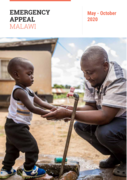
Coronavirus Disease-19 (COVID-19) was declared a global pandemic on 11 March 2020, and Malawi declared its first case on 2 April. As of 30 April, there were 36 confirmed positive cases of COVID-19 and 3 deaths. A State of Disaster was declared by Pr
...
esident Arthur Peter Mutharika on 20 March and a 21-day lockdown was implemented from 18 April to 9 May. The lockdown measures include: bans on public gatherings; closure of schools; and bans on international flights and cross-border passenger buses.
more
The Boston Medical Center Patient Navigation Toolkit
The Boston Medical Center AVON Foundation for Women
The Boston Medical Center AVON Foundation for Women
(2020)
C1
This toolkit is designed to help you plan and implement a Patient Navigation program with the best chance of reducing health disparities and improving health outcomes for your patients. It contains evidence-based and experience-based examples, case
...
studies, practical tools, and resources to help you:
1. Establish an evidence-based patient navigation program tailored to reduce barriers for your patients
2. Incorporate best practices to enhance current patient navigation programs or services
3. Implement a patient navigation model to address any targeted medical condition
where disparities exist
4. Hire, prepare, supervise, support and retain effective Patient Navigators
5. Navigate patients who experience health disparities
6. Evaluate patient navigation programs with the aim of continuous quality
improvement
more
This publication presents a comprehensive methodology to support the Member States of the Pan American Health Organization (PAHO) in preparing for and responding to heat-health risks in the Region of the Americas. It builds on World Health Organization and the World Meteorological Organization globa
...
l documents, as well as on the disaster preparedness methodologies employed throughout the countries of the Region. This publication is part of an effort coordinated by PAHO to support Member States in multihazard preparedness, and includes: early warning system strengthening; threat characterization; activation and deactivation procedure definition; and institutional coordination. It engages different disciplines and recognizes the importance of intersectoral collaboration to respond to heat-health risks. It aims to bring awareness of the impacts of heat on the health of people of the Americas to public health decisionmakers, and thereby strengthen health service provision.
more
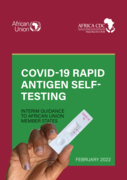
This guidance addresses rationale, risk-based scenarios, practical considerations prior to adoption of the self-testing products, quality assurance, safety and ethical considerations, and data management considerations for COVID-19 self-testing. The Africa CDC recommends the use of rapid antigen sel
...
f-testing within two key scenarios. The first includes testing for case identification within scenarios with a high risk of infection, including symptomatic cases and contacts of a confirmed case. The second scenario involves general screening within scenarios of low or unknown risk exposure allowing for self-care such as before gatherings with at-risk individuals and prior to participation in events involving members of different households. Within these scenarios, a positive test result indicates likelihood of current infection, while a negative test result indicates a lower risk of active infection, though it does not rule out infection altogether. All positive cases should be managed following the national COVID-19 management protocol of Member States.ssur
more
The Updated guidelines on Management of tuberculosis in children and adolescents include new recommendations that cover diagnostic approaches for TB, shorter treatment for children with non-severe drug-susceptible TB, a new option for the treatment of TB meningitis, the use of bedaquiline and delama
...
nid in young children with multidrug- and rifampicin-resistant TB and decentralized and family-centred, integrated models of care for TB case detection and prevention in children and adolescents.
more
This European compendium was produced to provide operational examples of the new nursing and midwifery roles and new service delivery models currently being employed across the Region. The case studies directly relate to the priority areas in Health
...
2020 and exemplify the types of activities needed to fully implement the objectives within the Strategic Directions framework.
more

Tuberculosis continues to represent a severe public health problem in the Region of the Americas, even more so in the case of indigenous peoples, whose TB incidence is much higher than that of the general population. To achieve tuberculosis control
...
in these communities, it is necessary to respond to communities’ diverse needs from an intercultural perspective that allows the application of a holistic approach—from a standpoint of equality and mutual respect—and considers the value of their cultural practices. In the Region of the Americas, although there has been progress toward recognizing the need for an intercultural approach to health services, obstacles rooted in discrimination, racism, and the exclusion of indigenous peoples and other ethnic groups persist. To respond to this situation, the Pan American Health Organization (PAHO) prepared this guidance which––based on an intercultural approach in accordance with the priority lines of the current PAHO Policy on Ethnicity and Health and its practical development in the Region’s indigenous populations––represent a support tool for implementing the End TB Strategy. This publication integrates PAHO’s accumulated experience and best practices developed by its Member States in recent years, including discussions and experiences shared in regional meetings on the issue, and emphasizes innovation and social inclusion. This requires an urgent shift away from traditional paradigms, taking specific actions that gradually reduce TB incidence and moving toward effective multisectoral actions that have proven effective in quickly containing the epidemic. This publication integrates PAHO’s accumulated experience and best practices developed by its Member States in recent years, including discussions and experiences shared in regional meetings on the issue, and emphasizes innovation and social inclusion. This requires an urgent shift away from traditional paradigms, taking specific actions that gradually reduce TB incidence and moving toward effective multisectoral actions that have proven effective in quickly containing the epidemic.
more

Self-care interventions are among the most promising and exciting new approaches to improve health and well-being, both from a health systems perspective and for people who use these interventions.
The World Health Organization (WHO) uses the following working
...
definition of self-care: Self-care is the ability of individuals, families and communities to promote health, prevent disease, maintain health, and cope with illness and disability with or without the support of a health worker. The scope of self-care as described in this definition includes health promotion; disease prevention and control; self-medication; providing care to dependent persons; seeking hospital/specialist/primary care if necessary; and rehabilitation, including palliative care. It includes a range of self-care modes and approaches. While this is a broad definition that includes many activities, it is important for health policy to recognize the importance of self-care, especially where it intersects with health systems and health professionals.
more

The ultimate aim of the framework is to assist the user to thoughtfully, deliberately, ethically, and rationally determine whether or not the delivery of one or more vaccines to specific target populations during the acute phase of an emergency would result in an overall saving of lives, a reduction
...
in the population burden of disease, and generally more favourable outcomes than would otherwise be the case.
more
This clinical management manual for Ebola Viral Disease in Liberia was developed after several ETUs were established in the country following the outbreak early this year. As the outbreak evolved, it became evident that different SOPs were being used by clinicians across these treatment facilities.
...
As a result of discussions held by the National Case Management Committee of the Incident Management System, various stakeholders were brought together to contribute their time and expertise to the development of this manual.
more
This preliminary report summarizes the impact of the Ebola epidemic on the health workforce of Guinea, Liberia and Sierra Leone. It investigates the determinants of infection and describes safe practices put in place to protect health workers during the epidemic. The report covers the period from 1
...
January 2014 to 31 March 2015 and is presents findings from the 815 confirmed and probable cases for whom individual case reports were available.
more

Accessed: 02.05.2020
These interim IPC recommendations for health settings have been developed through the contributions of many individuals and institutions, such as the Centers for Disease Control-Kenya; ITECH; US Agency for International Development (USAID) Medicines, Technologies, and Pharmaceu
...
tical Services (MTaPS) Program; and WHO that are committed to ensuring that the transmission of COVID-19 to HCWs and the public within the health care setting is limited. The Ministry of Health (MOH) through the Directorate of Health Standards Quality Assurance and Regulations wishes to thank all the contributing authors led by the sub-committee on case management and IPC for the COVID-19 response for their expertise and time given to writing these guidelines.
more
Interim guidance, 6 October 2021
Direct detection of SARS-CoV-2 viral proteins (antigens) in nasal swabs and other respiratory secretions using lateral flow immunoassays (also known as rapid diagnostic tests, RDTs) offers a faster and less expensive method to test for SARS-CoV-2 than the reference
...
method, nucleic acid amplification tests (NAATs). This interim guidance offers recommendations on the priority uses of antigen-detecting rapid diagnostic tests (Ag-RDTs) in specific populations and settings, including (i) for primary case detection in symptomatic individuals suspected to be infected and asymptomatic individuals at high risk of COVID-19, (ii) for contact tracing, (iii) during outbreak investigations and (iv) to monitor trends of disease incidence in communities. Ag-RDTs meeting minimum performance requirements can be used outside of clinical and laboratory settings, including in communities, by trained operators in accordance with instructions. The guidance additionally provides recommendations on implementation, product selection and storage.
more
Interim Guidance October 2022. This addendum addresses some of the methodological aspects of VE evaluations that have been learned during the past year, as well as those that have become relevant in the current epidemiological setting of the COVID-19 pandemic. For some of the COVID-19 vaccine method
...
ology issues there are still insufficient data to make a recommendation, in which case different options for approaching VE evaluations are presented.
more

As of 12 December 2022, over 645 million people worldwide have been diagnosed with COVID-19, with over 6.6 million deaths (4).
The Omicron variant, which emerged in late November 2021, and its subvariants, are now the dominant circulating viruses, contributing to the ongoing surge in several countr
...
ies (4). Vaccination has substantially reduced case numbers and hospitalizations in many countries,but limitations in global access to vaccines mean that many populations, including those in low- and middle-income countries, remain vulnerable. Even in vaccinated individuals, uncertainties remain about duration of protection and efficacy, and the degree of crossprotection with new variants.
There remains a need for more effective treatment and management for those affected by COVID-19. The pandemic – and the
explosion of both research and misinformation – has highlighted the need for trustworthy, accessible and regularly updated living
guidelines to place emerging findings into context and provide clear recommendations for clinical practice
more

Developmental disabilities are common. Yet, children with developmental disabilities have been neglected in health systems planning and policy provisions for health and continue to experience stigmatization, institutionalization, barriers to access health care and inequalities in health and educatio
...
n outcomes.
Using findings from research and practice and guided by the tenets of international human rights conventions, this WHO-UNICEF Global Report on children with developmental disabilities provides principles and approaches to intentionally include the needs and aspirations of children and young people with developmental disabilities in policy, programming and public health monitoring. It makes the case for greater accountability and proposes 10 priority actions to accelerate changes towards inclusive environments and responsive multisectoral care systems for children with developmental disabilities.
more

WHO guideline on contact tracing
recommended
This practical guideline establishes definitions for “contact”, “contact person”, “contact tracing” and other associated concepts. It allows for improvement of contact tracing strategies and provides recommendations attempting to answer some, though not all, questions that arose during t
...
he 2019 coronavirus pandemic and other outbreaks. The use of this guideline begins once people have been diagnosed and the potential for transmission exists. It is not, however, intended to assist with case investigation. The guideline empowers health workers, governments, and public health officials with the tools to implement effective contact tracing strategies.
more
The document “Public Health Surveillance for Cholera – Guidance Document (2024)” provides practical recommendations for countries on how to design, implement, and strengthen cholera surveillance systems. Developed by the Global Task Force on Cholera Control (GTFCC), it outlines the minimum req
...
uirements for detecting, confirming, reporting, and monitoring cholera cases and outbreaks.
The guidance explains the core functions of cholera surveillance, including case detection, laboratory testing (such as RDTs, culture, and PCR), routine data collection, outbreak notification, case and field investigation, data analysis, and performance monitoring. It also describes how surveillance strategies should be adapted depending on whether a country is experiencing no outbreak, clustered transmission, or community transmission.
Overall, the document aims to help countries establish adaptive, fit-for-purpose surveillance systems that enable early outbreak detection, guide timely response measures, and support long-term cholera control and elimination efforts.
more

The document Integrated Disease Surveillance and Response Technical Guidelines, Booklet Four: Sections 8 and 9 (Third Edition, 2019) provides guidance for strengthening public health surveillance and response systems in the WHO African Region. It focuses on monitoring, supervision, evaluation, and f
...
eedback mechanisms to improve the performance and quality of Integrated Disease Surveillance and Response (IDSR) systems. The text outlines key surveillance core functions—such as case detection, reporting, data analysis, outbreak investigation, preparedness, response, and feedback—and introduces indicators to measure system effectiveness, including timeliness, completeness, and data quality. Additionally, it discusses the implementation of electronic IDSR (eIDSR) to enhance real-time reporting and outbreak management. Overall, the booklet aims to strengthen early detection, rapid response, and health security capacity across all levels of the health system.
more
