
Filter
59
Featured
3
4
Language
Document type
57
1
1
Countries
4
3
2
1
1
1
1
1
1
1
Authors & Publishers
Publication Years
Category
3
1
The book is designed for use everywhere, and especially in low-resource settings. With its focus on improving conditions at the community level, this book proposes ways to challenge stigma and build support for people with epilepsy, especially in places where care is limited. Prevent, manage, live w
...
7 February 2019
7 de febrero de 2019

Accessed: 10.03.2019
Accessed: 10.03.2019
mhGAP Training Manual for the mhGAP Intervention Guide for mental, neurological and substance use disorders in non-specialized health settings – version 2.0 (for field testing)
Lancet Neurol. 2019 Apr;18(4):357-375. doi: 10.1016/S1474-4422(18)30454-X. Epub 2019 Feb 14.

Epilepsy: a public health imperative
recommended
This is the first global report on epilepsy summarizing the available evidence on the burden of epilepsy and the public health response required at global, regional and national levels.
The reports highlights major gaps in awareness, diagnosis, treatment, and health policies through a series of a
...





8 février 2018

SIGN 143. A national clinical guideline
Published May 2015, Revised 2018

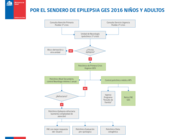
Por el Sendero de Epilepsia Ges 2016 Niños y Adultos
Clasificación de las Crisis

This is the fifteenth edition of the lecture notes. They were first published in 1987 as a summary of the material used in the biannual epilepsy teaching weekend organised under the auspices of the UK Chapter of the International League against Epilepsy.
(Lecture series consist of a total of 59 cha
...
Scoping Question: For adults and children living with HIV, which antiepileptic medications (such as phenobarbital, phenytoin, carbamazepine or valproic acid) produce benefits and/or harms when compared to a placebo or controls?
SCOPING QUESTION: In adults with acute convulsive seizures, where intravenous access is available, which first-line anti- epileptic medication should be used to abort seizures when compared to comparator?
