
Filter
773
Text search:
Urbanization
Featured
43
214
Language
Document type
351
224
66
45
37
34
6
5
2
2
1
Countries
56
28
27
22
19
18
17
16
15
15
13
13
12
12
10
10
10
10
8
7
7
7
6
6
5
5
5
5
5
5
5
5
4
4
4
4
4
4
3
3
3
3
3
3
3
3
2
2
2
2
2
2
2
2
2
2
2
1
1
1
1
1
1
1
1
1
1
1
1
1
1
1
1
1
1
1
1
1
1
1
1
1
1
1
1
1
Authors & Publishers
Publication Years
Category
317
73
56
32
28
8
3
Toolboxes
128
50
43
32
26
23
21
20
18
17
15
11
9
8
7
7
7
6
6
6
5
4
2
2
2

Current Opinion in Psychiatry: May 2018 - Volume 31 - Issue 3 - p 256–257
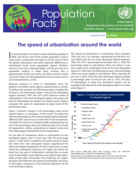
Globally, more people live in urban areas than in rural areas, with 55 % of the world’s population residing in urban areas in 2018. In 1950, 30 % of the world’s population was urban, and by 2050, 68 % of the world’s population is projected to be urban.
An overview on the health equity impact of policy and action: Is it making a difference? Why or why not?
Productive and Inclusive Cities for an Emerging Democratic Republic of Congo
The World Cities Report 2020 shows that the intrinsic value of sustainable urbanization can and should be harnessed for the wellbeing of all. The Report provides evidence and policy analysis of the value of
...
This report presents the results of the official United Nations estimates and projections of urban and rural populations for 233 countries and areas of the world and for close to 1,900 urban settlements with 300,000 inhabitants or more in 2018, as published in World
...
The increasing prevalence of childhood asthma in the developed world is a cause for concern. A so-called Western lifestyle has been the factor most commonly cited to explain this worrying increase in asthma prevalence. Early studies in a limited number of African countries showed a very low rural pr
...

A handbook on child-responsive urban planning
Urbanization, land use, global trade and industrialization have led to profound and negative impacts on nature, biodiversity and ecosystems across the world. The ongoing depletion of natural resources not only afects environmental conditions but als
...
Due to Nepal’s difficult geographic structure, rapid urbanization, varied groundwater level, and increasing population the country is prone to earthquakes, floods, landslides, fires, lightning, hailstone, drought, epidemic, and other d
...
Nature, biodiversity and health: an overview of interconnections
Urbanization, land use, global trade and industrialization have led to profound and negative impacts on nature, biodiversity and ecosystems across the world. The ongoing depletion of
...
The region of Latin America and the Caribbean (LAC) has high levels of income inequality and urbanization. This leaves a large percentage of the population exposed and vulnerable to infectious disease outbreaks (1). The COVID-19 outbreak occurred su
...
Many groups in sub-Saharan Africa have historically linked persons with disabilities with witchcraft as a component of a wider link between accusations of witchcraft and socially marginalized populations. It is commonly assumed that traditional prejudices towards persons with disabilities are recedi
...
Namibia is no exception to the growingglobal concern on the increasing burden of NCDs. Namibia is an upper middle income country with fast economic growth since independence in 1990. The country is bearing the double burden of communicable and noncommunicable diseases and rapid
...
Known avoidable environmental risks to health cause at least 12.6 million deaths every year, and account for about one quarter of the global burden of disease (2016 data) (1). Air pollution alone causes about 7 million
deaths a year, placing it among the top global risks to health (2). Global envir
...

This report is the annual global monitoring report documenting progress towards Sustainable Development Goal (SDG) 2 targets 2.1 and 2.2. This year’s report explores the links between urbanization and changing food systems and how these changes ar
...

Diabetes is a major public health problem. The rising incidence of Diabetes Type 2 is related to the effects of urbanization and unhealthy lifestyles. Research studies show that healthy eating and regular physical activity can prevent or delay the o
...

Aerosol pollutants are known to raise the risk of development of non-communicable respiratory diseases (NCRDs) such as asthma, chronic bronchitis, chronic obstructive pulmonary disease, and allergic rhinitis. Sub-Saharan Africa’s rapid pace of urbanizati
...

With this World Health Day, WHO is drawing attention to a group of diseases that are spread by insects and other vectors, the heavy health and economic burdens they impose, and what needs to be done to reduce these burdens. Many of these diseases have been historically confined to distinct geographi
...
Traditional medicine, including the knowledge, skills and practices of holistic health care, exists in all cultures. It is based on indigenous theories, beliefs and experiences and is widely accepted for its role in health maintenance and the treatment of disease.Medicinal plants are the main ingred
...
