Filter
92
Text search:
Handicap
International
Ethiopia
Featured
7
10
Language
Document type
69
9
6
5
2
1
Countries / Regions
15
4
4
4
3
3
3
3
3
3
3
3
2
2
2
2
2
2
2
2
2
1
1
1
1
1
1
1
1
1
1
1
1
1
Authors & Publishers
Publication Years
Category
32
14
10
5
3
2
Toolboxes
43
9
5
3
3
2
1
1
1
1
1
Achieving education for all in Ethiopia will remain a distant aspiration if most of the 5 million children with special educational needs in the country cannot go to school. Since 2014, Handicap
...
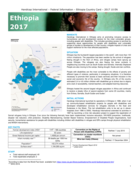
MANDATEHandicap International in Ethiopia aims at promotinginclusive access to humanitarian aid and development sectors for the most vulnerable groups, including people with disabilitie
...
.This assessment was conducted using focus group discussion(FGD)with peopleliving with disabilities who were members of the Ethiopian National Association of the Deaf(Person with hearing impairment), Ethiopian National Association of the Deaf -Blind ( Person with hearing and visual impairment), Ethi
...
The purpose of this document is to share good practices and processes concerning the inclusion of disability issues in HIV policy and programming, drawing on specific experiences in Senegal, Ethiopia, Kenya, Rwanda and Cambodia and on lessons learne
...
Recommendations to develop guidelines on community-based rehabilitation (CBR) were made during the International Consultation to Review Community-based Rehabilitation which was held in Helsinki, Finland in 2003. WHO; the
...

Abstract-The paper precisely and briefly explains the socio-economic challenges of persons with disabilities with focus on Ethiopia. The findings of the paper also indicates that, across the countries persons with disabilities have po
...

This Module, Count me in! Inclusive WASH in Ethiopia, was prepared by Ethiopian authors with support from The Open University UK. It was first published in June 2018. The contributors of original material are:Girma Aboma, Manager, GAA Economic Devel
...
Lymphatic Filariasis and Podoconiosis morbidity management and disability prevention guidelines
recommended
National Guideline
International Conference on AIDS and STIs in Africa (ICASA) 2013 | 7th – 12th December | Cape Town, South Africa

Disability, CBR & Inclusive Development, [S.l.], v. 24, n. 3, p. 112-122, nov. 2013. ISSN 2211-5242
Children with disabilities encounter more violence in their lives than their peers without disability. Organisations involved in Community Based Rehabilitation (CBR) come across many cases of violen
...