
Filter
1898
Text search:
antiretroviral
treatment
guidelines
Featured
204
568
Language
1789
42
36
33
7
6
6
4
3
3
3
2
2
1
1
1
1
1
1
1
1
1
1
1
1
1
1
Document type
1181
287
209
76
47
44
33
7
6
2
1
1
1
Countries / Regions
83
77
66
65
61
55
46
44
44
38
35
31
31
30
28
27
26
25
25
24
24
21
17
16
16
15
12
12
12
11
11
11
11
10
10
9
8
6
6
5
5
5
5
5
4
4
4
4
4
4
4
4
3
3
3
3
3
3
3
3
3
2
2
2
2
2
2
2
1
1
1
1
1
1
1
1
1
1
1
1
1
1
1
1
1
1
1
1
1
1
1
1
1
1
1
1
1
Authors & Publishers
202
137
122
91
51
41
36
35
28
23
20
18
17
16
16
15
15
15
14
13
12
11
11
11
11
10
10
9
9
9
8
7
7
7
7
7
7
7
6
6
6
6
6
6
6
6
5
5
5
5
5
5
5
5
5
5
5
5
5
5
5
5
5
4
4
4
4
4
4
4
4
4
4
4
4
4
4
4
4
4
4
4
4
4
4
4
4
4
4
4
4
4
4
4
4
4
4
4
4
4
3
3
3
3
3
3
3
3
3
3
3
3
3
3
3
3
3
3
3
3
3
3
3
3
3
3
3
3
3
3
3
3
3
3
3
3
3
3
3
3
3
3
3
3
3
3
3
3
3
3
3
3
3
2
2
2
2
2
2
2
2
2
2
2
2
2
2
2
2
2
2
2
2
2
2
2
2
2
2
2
2
2
2
2
2
2
2
2
2
2
2
2
2
2
2
2
2
2
2
2
2
2
2
2
2
2
2
2
2
2
2
2
2
2
2
2
2
2
2
2
2
2
2
2
2
2
2
2
2
2
2
2
2
2
2
2
2
2
2
2
2
2
2
2
2
2
2
2
2
2
2
2
2
2
2
2
2
2
2
2
2
2
2
2
2
2
2
2
2
2
2
2
2
2
2
2
2
2
2
2
2
2
2
2
2
2
2
2
2
2
2
2
2
2
2
2
1
1
1
1
1
1
1
1
1
1
1
1
1
1
1
1
1
1
1
1
1
1
1
1
1
1
1
1
1
1
1
1
1
1
1
1
1
1
1
1
1
1
1
1
1
1
1
1
1
1
1
1
1
1
1
1
1
1
1
1
1
1
1
1
1
1
1
1
1
1
1
1
1
1
1
1
1
1
1
1
1
1
1
1
1
1
1
1
1
1
1
1
1
1
1
1
1
1
1
1
1
1
1
1
1
1
1
1
1
1
1
1
1
1
1
1
1
1
1
1
1
1
1
1
1
1
1
1
1
1
1
1
1
1
1
1
1
1
1
1
1
1
1
1
1
1
1
1
1
1
1
1
1
1
1
1
1
1
1
1
1
1
1
1
1
1
1
1
1
1
1
1
1
1
1
1
1
1
1
1
1
1
1
1
1
1
1
1
1
1
1
1
1
1
1
1
1
1
1
1
1
1
1
1
1
1
1
1
1
1
1
1
1
1
1
1
1
1
1
1
1
1
1
1
1
1
1
1
1
1
1
1
1
1
1
1
1
1
1
1
1
1
1
1
1
1
1
1
1
1
1
1
1
1
1
1
1
1
1
1
1
1
1
1
1
1
1
1
1
1
1
1
1
1
1
1
1
1
1
1
1
1
1
1
1
1
1
1
1
1
1
1
1
1
1
1
1
1
1
1
1
1
1
1
1
1
1
1
1
1
1
1
1
1
1
1
1
1
1
1
1
1
1
1
1
1
1
1
1
1
1
1
1
1
1
1
1
1
1
1
1
1
1
1
1
1
1
1
1
1
1
1
1
1
1
1
1
1
1
1
1
1
1
1
1
1
1
1
1
1
1
1
1
1
1
1
1
1
1
1
1
1
1
1
1
1
1
1
1
1
1
1
1
1
1
1
1
1
1
1
1
1
1
1
1
1
1
1
1
1
1
1
1
1
1
1
1
1
1
1
1
1
1
1
1
1
1
1
1
1
1
1
1
1
1
1
1
1
1
1
1
1
1
1
1
1
1
1
1
1
1
1
1
1
1
1
1
1
1
1
1
1
1
1
1
1
1
1
1
1
1
1
1
1
1
1
1
1
1
1
1
1
1
1
1
1
1
1
1
1
1
1
1
1
1
1
1
1
1
1
1
1
1
1
1
1
1
1
1
1
1
1
1
1
1
1
1
1
1
1
1
1
1
1
1
1
1
1
1
1
1
1
1
1
1
1
1
1
1
1
1
1
1
1
1
1
1
1
1
1
1
1
1
1
1
1
1
1
1
1
1
1
1
1
1
1
1
1
1
1
1
1
1
1
1
1
1
1
1
1
1
1
1
1
1
1
1
1
1
1
1
1
1
1
1
1
1
1
1
1
1
1
1
1
1
1
1
1
1
1
1
1
1
1
1
1
1
1
1
1
1
1
1
1
1
1
1
1
1
1
1
1
1
1
1
1
1
1
1
1
1
1
1
1
1
1
1
1
1
1
1
1
1
1
1
1
1
1
1
1
1
1
1
1
1
1
1
1
1
1
1
1
1
1
1
1
1
1
1
1
1
1
1
1
1
1
1
1
1
1
1
1
1
1
1
1
1
1
1
1
1
1
1
1
1
1
1
1
1
1
1
1
1
1
1
1
1
1
1
1
1
1
1
1
1
1
1
1
1
1
1
1
1
1
1
1
1
1
1
1
1
1
1
1
1
1
1
1
1
1
1
1
1
1
1
1
1
1
1
1
1
1
1
1
1
1
1
1
1
1
1
1
1
1
1
1
1
1
1
1
1
1
1
1
1
1
1
1
1
1
1
1
1
1
1
1
1
1
1
1
1
1
1
1
1
1
1
1
1
1
1
1
1
1
1
1
1
1
1
1
1
1
1
1
1
1
1
1
1
1
1
1
1
1
1
1
1
1
1
1
1
1
1
1
1
1
1
1
1
1
1
1
1
1
1
1
1
1
1
1
1
1
1
1
1
1
1
1
1
1
1
1
1
1
1
1
1
1
1
1
1
1
1
1
1
1
1
1
1
1
1
1
1
1
1
1
1
1
1
1
1
1
1
1
1
1
1
1
1
1
1
1
1
1
1
1
1
1
1
1
1
1
1
1
1
1
1
1
1
1
1
1
1
1
1
1
1
1
1
1
1
1
1
1
1
1
1
1
1
1
1
1
1
1
1
1
1
1
1
1
1
1
1
1
1
1
1
1
1
1
1
1
1
1
1
1
1
1
1
1
1
1
1
1
1
1
1
1
1
1
1
1
1
1
1
1
1
1
1
1
1
1
1
1
1
1
1
1
1
1
1
1
1
1
1
1
1
1
1
1
1
1
1
1
1
1
1
1
1
1
1
1
1
1
1
1
1
1
1
1
1
1
1
1
1
1
1
1
1
1
1
1
1
1
1
1
1
1
1
1
1
1
1
1
1
1
1
1
1
1
1
1
1
1
1
1
1
1
1
1
1
1
1
1
1
1
1
1
1
1
1
1
1
1
1
1
1
1
1
1
1
1
1
1
1
1
1
1
1
1
1
1
1
1
1
1
1
1
1
1
1
1
1
1
1
1
1
1
1
1
1
1
1
1
1
1
1
1
1
1
1
1
1
1
1
1
1
1
1
1
1
1
1
1
1
1
1
1
1
1
1
1
1
1
1
1
1
1
1
1
1
1
1
1
1
1
1
1
1
1
1
1
1
1
1
1
1
1
1
1
1
1
1
1
1
1
1
1
1
1
1
1
1
1
1
1
1
1
1
1
1
1
1
1
1
1
1
1
1
1
1
1
1
1
1
1
1
1
1
1
1
1
1
1
1
1
1
1
1
1
1
1
1
1
1
1
1
1
1
1
1
1
1
1
1
1
1
1
1
1
1
1
1
1
1
1
1
1
1
1
1
1
1
1
1
1
1
1
1
1
1
1
1
1
1
1
1
1
1
1
1
1
1
1
1
1
1
1
1
1
1
1
1
1
1
1
1
1
1
1
1
1
1
1
1
1
1
1
1
1
1
1
1
1
1
1
1
1
1
1
1
1
1
1
1
1
1
1
1
1
1
1
1
1
1
1
1
1
1
1
1
1
1
1
1
1
1
1
1
1
1
1
1
1
1
1
1
1
1
1
1
1
1
1
1
1
1
1
1
1
1
1
1
1
1
1
1
1
1
1
1
1
1
1
1
1
1
1
1
1
1
1
1
1
1
1
1
1
1
1
1
1
1
1
1
1
1
1
1
1
1
1
1
1
1
1
1
1
1
1
1
1
1
1
1
1
1
1
1
1
1
1
1
1
1
1
1
1
1
1
1
1
1
1
1
1
1
1
1
1
1
1
1
1
1
1
1
1
1
1
1
1
1
1
1
1
1
1
1
1
1
1
1
1
1
1
1
1
1
1
1
1
1
1
1
1
1
1
1
1
1
1
1
1
1
1
1
1
1
1
1
1
1
1
1
1
Publication Years
395
1345
158
Category
845
169
107
62
54
47
21
1
Toolboxes
471
273
49
40
36
26
24
24
24
20
17
16
12
12
10
9
8
6
4
4
3
3
1
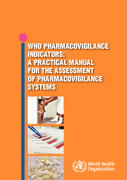
WHO Pharmacovigilance indicators: a practical manual for the assessment of pharmacovigilance systems
This manual provides a practical method for determining the pharmacovigilance indices. It is designed to be simple and can be understood by any worker in pharmacovigilance without formal training in monitoring and evaluation. Pharmacovigilance as a medical discipline is crucial in preventing medicin
...
e-related adverse effects in humans, promoting patient safety, and the rational use of medicines. The indicators proposed in this manual are based on the expected functions of pharmacovigilance centres as described in the WHO Mimimum Requirements for a Functional Pharmacovigilance System (1) (see Annex 1 of the manual).
more

2nd edition. The 2018 Roadmap incorporates an additional critical population: adolescents. Despite making up 1 in 6 of the world’s people, adolescents have been largely overlooked as global momentum to address TB has grown. Spanning the ages of 10–19 years, adolescents are both at risk of TB and
...
represent an important population for TB control. They often present with infectious TB and frequently have multiple contacts in congregate settings, such as schools and other educational institutions. Nevertheless, few countries capture TB data in suitably age-disaggregated ways to allow full understanding of its impact in this group and even fewer provide the adolescent-friendly services our young people need to access diagnosis and care.
more

Uganda is Africa's largest refugee-hosting country and ranks fifth globally. Over the decades, Uganda has hosted refugees from nations including South Sudan, the Democratic Republic of Congo, Eritrea, Somalia, Sudan, Burundi, and Rwanda. As of early 2024, it hosts 1 600 000 refugees, primarily in re
...
fugee settlements in northern and southwestern Uganda, and in Kampala City. Thirteen districts accommodate 94% of these refugees.
The World Health Organization (WHO) and Uganda’s Ministry of Health conducted a joint review mission to provide a comprehensive overview of the health system's response. The aim was to understand service delivery challenges and identify opportunities to further support Uganda in strengthening health system capacity and ensuring continued access to health services for refugees, migrants and host communities.
more
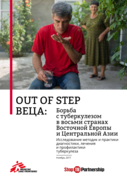
В борьбе с туберкулезом достигнуты значительные прорывы, среди которых ускоренные и более точные методы диагностики и первые новые лекарственные средства за 50 лÐ
...
µт, однако сохраняется губительное отставание во внедрении этих нововведений в практику и обеспечения доступа к ним для уязвимых и социально ущемленных групп населения, в том числе заключенных, людей, живущих с ВИЧ, внутренних и внешних мигранты и наркопотребителей
more
Guidance
Second Edition
Monitoring and Evaluation

Antimicrobial resistance (AMR) is an important public health concern shared by developed and developing countries. In developing countries the burden of infectious diseases is greater and exacerbated by limited access to, and availability and affordability of, antimicrobials required to treat infect
...
ions caused by AMR organisms. With drugs not listed on the essential drugs list (EDL), problems of increased morbidity, costs of extended hospitalisation and mortality are extremely serious. The problem of susceptibility to and spread of infections caused by multidrug-resistant (MDR) infectious agents is fuelled by factors such as limited access to clean water and sanitation to ensure personal hygiene, malnutrition, and the HIV/TB epidemic.
more
The current trend in AMR in Uganda and globally is rising and calls for immediate action. The 71st UN General Assembly (UNGA), the 68th World Health Assembly, and organizations including the World Health Organization (WHO), the Food and Agriculture Organization (FAO), and the World Organization for
...
Animal Health (OIE), have agreed on a set of actions that member countries such as Uganda are committed to implement. The Government of Uganda (GoU) has put in place a framework through this National AMR Action Plan to address the threat AMR poses to the welfare of the peoples of Uganda. The Action Plan sets out a coordinated and collaborative One Health approach involving key stakeholders in government and other sectors to confront the threat and shall be coordinated by a Uganda National Antimicrobial Resistance Committee (UNAMRC).
more

South Africa has faced many challenges over the past two decades, accomplishing profound positive changes in the social structure and government of the nation. This has not yet fully translated into better health for the population, however, particularly the poorest segment. In fact, the p
...
opulation has lost ground since the 1990s in virtually all important health indicators, leaving South Africa with a high burden of infectious disease.
August 2011, Vol. 101, No. 8 SAMJ
more
The Pharmacovigilance team in WHO aims to assure the safety of medicines and vaccines by ensuring reliable and timely exchange of information on safety issues, promoting pharmacovigilance activities throughout the Organization and encouraging participation in the WHO Programme for International Drug
...
Monitoring. This text was developed in consultation with the WHO Collaborating Centre for International Drug Monitoring and the national pharmacovigilance centres participating in the WHO Programme for International Drug Monitoring.
more

The development of the Country Cooperation Strategy (CCS) was based on a consultative and participatory process with strong commitment and support from the Ministry of Health of Ghana. The CCS draws on lessons from the implementation of the first, and second generation CCSs, the country focus strate
...
gy, and the United Nations Sustainable Development Cooperation Framework (2023–2025).
The strategic agenda of the CCS outlines three strategic priorities, which are:
1. improving universal access to essential health services through the primary health care approach.
2. health emergency preparedness and response: addressing gaps in IHR core capacities and strengthening national capacities to prevent, detect and respond appropriately to public health emergencies through a resilient health system.
3. addressing social, economic, and environmental determinants of health; promoting high-impact interventions to address public health risks using multisectoral approaches.
more

Operational Guideline
