Filter
1975
Text search:
outpatient
care
Featured
235
527
Language
Document type
1070
322
286
142
54
39
24
22
5
4
3
1
1
Countries
89
76
70
61
54
50
49
43
38
35
33
33
32
31
30
29
28
26
25
25
23
21
21
20
16
15
15
12
12
12
11
11
10
10
9
9
8
8
8
8
7
7
7
7
7
7
6
6
6
6
6
5
5
4
4
4
4
4
4
4
4
4
4
3
3
3
3
3
3
3
3
3
3
3
2
2
2
2
2
2
2
2
2
2
2
2
2
2
2
2
2
2
2
1
1
1
1
1
1
1
1
1
1
1
1
1
1
1
1
1
1
1
1
1
1
1
1
1
1
1
1
1
1
Authors & Publishers
Publication Years
Category
847
192
114
105
100
40
20
Toolboxes
273
148
136
81
77
65
43
39
38
36
34
32
31
28
26
26
22
21
19
16
11
8
7
5
5
1

Operational requirements for implementing WHO recommendations in digital systems. 2nd edition.
To ensure that countries can effectively benefit from digital health investments, “digital adaptation kits” (DAKs) are designed to facilitate the accurate reflection of WHO’s clinical, public health
...
Pathogens 2022, 11, 33. https://doi.org/10.3390/pathogens11010033

National Policy

The 2026 appeal seeks nearly US$ 1 billion to respond to 36 emergencies worldwide, including 14 Grade 3 emergencies requiring the highest level of organizational response. These emergencies span sudden-onset and protracted humanitarian crises where health needs are critical.
2nd edition
This guideline provides global, evidence-informed recommendations on a number of specific issues related to the management of severe acute malnutrition in infants and children, including in the context of HIV.
This evaluation is the first systematic effort by UNICEF to generate evidence on how well its global as well as country level Community Management of Acute Malnutrition (CMAM) strategies have worked, including their acceptance and ownership in various contexts and appropriateness of investments in c
...
This Technical Brief focuses on current principles and approaches to Moderate Acute Malnutrition (MAM) management, highlighting key constraints, gaps in knowledge and areas still lacking consensus. It is intended to inform ongoing debates among practitioners, national partners, donors and analysts o
...
The document is primarily meant to inform mental health and psychosocial support (MHPSS) staff, such as: psychologists, psychosocial counsellors, social workers, psychiatrists, psychiatric nurses, and others who are involved providing individual or group counselling, psychotherapy and/or psychiatric
...
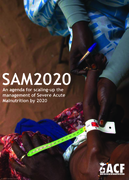
The agenda focuses on six critical changes necessary for more children suffering from SAM to access effective treatment. Building on lessons from the last decade, and the experiences of other successful health initiatives, the agenda addresses issues ranging from the creation of a more enabling envi
...
Systematic Review Summary 4

8–18 December 2015
4–15 February 2013
The World Health Organization Disability Assessment Schedule (WHODAS 2.0) is a generic assessment instrument developed by WHO to provide a standardized method for measuring health and disability across cultures. It was developed from a comprehensive set of International Classification of Functioning
...
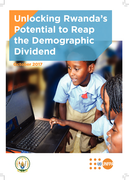
The Demographic Dividend study on Rwanda assessed the socio-economic and human development potential of our country in the short, medium and long-term period using a comprehensive approach. It generated relevant policy and programme information to guide a well-informed polciy required to propel Rwan
...
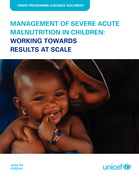
The objectives of this guidance document are to:
1. Strengthen the capacity of country teams to effectively scale up and manage programmes to address severe acute malnutrition
2. Extend the geographic reach of quality treatment for SAM to all vulnerable communities in need
3. Maximize ...
1. Strengthen the capacity of country teams to effectively scale up and manage programmes to address severe acute malnutrition
2. Extend the geographic reach of quality treatment for SAM to all vulnerable communities in need
3. Maximize ...