
Filter
1860
Text search:
psychological
intervention
Featured
204
408
Language
1729
59
52
41
25
19
19
11
7
5
5
5
4
4
3
3
3
3
3
3
3
2
2
2
2
2
2
2
2
2
2
2
1
1
1
1
1
1
1
1
1
1
1
1
1
1
1
1
1
1
1
Document type
1130
235
222
139
44
41
27
11
5
4
1
1
Countries
75
68
56
42
38
35
32
31
29
28
27
26
25
21
20
19
18
17
17
17
15
14
14
13
13
12
12
12
11
11
9
9
8
8
8
8
8
7
7
7
6
6
5
5
5
5
4
4
4
3
3
3
3
3
3
3
3
3
2
2
2
2
2
2
2
2
2
2
2
2
2
2
2
2
2
2
1
1
1
1
1
1
1
1
1
1
1
1
1
1
1
1
1
1
1
1
1
1
1
1
1
1
Authors & Publishers
232
88
87
81
41
40
40
30
17
17
16
13
13
11
11
11
10
10
9
9
8
8
8
7
7
7
7
7
6
6
6
6
6
6
6
6
6
6
6
6
5
5
5
5
5
5
5
5
5
5
5
5
5
5
5
5
5
5
5
4
4
4
4
4
4
4
4
4
4
4
4
4
4
4
4
3
3
3
3
3
3
3
3
3
3
3
3
3
3
3
3
3
3
3
3
3
3
3
3
3
3
3
3
3
3
3
3
3
3
3
3
3
3
3
3
2
2
2
2
2
2
2
2
2
2
2
2
2
2
2
2
2
2
2
2
2
2
2
2
2
2
2
2
2
2
2
2
2
2
2
2
2
2
2
2
2
2
2
2
2
2
2
2
2
2
2
2
2
2
2
2
2
2
2
2
2
2
2
2
2
2
2
2
2
2
2
2
2
2
2
2
2
2
2
2
2
2
2
2
2
2
2
2
2
2
2
2
2
2
2
2
2
2
2
2
2
2
2
2
2
2
2
2
2
2
2
2
2
2
2
2
2
2
2
2
2
2
2
2
2
2
2
2
2
2
2
2
2
2
2
2
2
2
1
1
1
1
1
1
1
1
1
1
1
1
1
1
1
1
1
1
1
1
1
1
1
1
1
1
1
1
1
1
1
1
1
1
1
1
1
1
1
1
1
1
1
1
1
1
1
1
1
1
1
1
1
1
1
1
1
1
1
1
1
1
1
1
1
1
1
1
1
1
1
1
1
1
1
1
1
1
1
1
1
1
1
1
1
1
1
1
1
1
1
1
1
1
1
1
1
1
1
1
1
1
1
1
1
1
1
1
1
1
1
1
1
1
1
1
1
1
1
1
1
1
1
1
1
1
1
1
1
1
1
1
1
1
1
1
1
1
1
1
1
1
1
1
1
1
1
1
1
1
1
1
1
1
1
1
1
1
1
1
1
1
1
1
1
1
1
1
1
1
1
1
1
1
1
1
1
1
1
1
1
1
1
1
1
1
1
1
1
1
1
1
1
1
1
1
1
1
1
1
1
1
1
1
1
1
1
1
1
1
1
1
1
1
1
1
1
1
1
1
1
1
1
1
1
1
1
1
1
1
1
1
1
1
1
1
1
1
1
1
1
1
1
1
1
1
1
1
1
1
1
1
1
1
1
1
1
1
1
1
1
1
1
1
1
1
1
1
1
1
1
1
1
1
1
1
1
1
1
1
1
1
1
1
1
1
1
1
1
1
1
1
1
1
1
1
1
1
1
1
1
1
1
1
1
1
1
1
1
1
1
1
1
1
1
1
1
1
1
1
1
1
1
1
1
1
1
1
1
1
1
1
1
1
1
1
1
1
1
1
1
1
1
1
1
1
1
1
1
1
1
1
1
1
1
1
1
1
1
1
1
1
1
1
1
1
1
1
1
1
1
1
1
1
1
1
1
1
1
1
1
1
1
1
1
1
1
1
1
1
1
1
1
1
1
1
1
1
1
1
1
1
1
1
1
1
1
1
1
1
1
1
1
1
1
1
1
1
1
1
1
1
1
1
1
1
1
1
1
1
1
1
1
1
1
1
1
1
1
1
1
1
1
1
1
1
1
1
1
1
1
1
1
1
1
1
1
1
1
1
1
1
1
1
1
1
1
1
1
1
1
1
1
1
1
1
1
1
1
1
1
1
1
1
1
1
1
1
1
1
1
1
1
1
1
1
1
1
1
1
1
1
1
1
1
1
1
1
1
1
1
1
1
1
1
1
1
1
1
1
1
1
1
1
1
1
1
1
1
1
1
1
1
1
1
1
1
1
1
1
1
1
1
1
1
1
1
1
1
1
1
1
1
1
1
1
1
1
1
1
1
1
1
1
1
1
1
1
1
1
1
1
1
1
1
1
1
1
1
1
1
1
1
1
1
1
1
1
1
1
1
1
1
1
1
1
1
1
1
1
1
1
1
1
1
1
1
1
1
1
1
1
1
1
1
1
1
1
1
1
1
1
1
1
1
1
1
1
1
1
1
1
1
1
1
1
1
1
1
1
1
1
1
1
1
1
1
1
1
1
1
1
1
1
1
1
1
1
1
1
1
1
1
1
1
1
1
1
1
1
1
1
1
1
1
1
1
1
1
1
1
1
1
1
1
1
1
1
1
1
1
1
1
1
1
1
1
1
1
1
1
1
1
1
1
1
1
1
1
1
1
1
1
1
1
1
1
1
1
1
1
1
1
1
1
1
1
1
1
1
1
1
1
1
1
1
1
1
1
1
1
1
1
1
1
1
1
1
1
1
1
1
1
1
1
1
1
1
1
1
1
1
1
1
1
1
1
1
1
1
1
1
1
1
1
1
1
1
1
1
1
1
1
1
1
1
1
1
1
1
1
1
1
1
1
1
1
1
1
1
1
1
1
1
1
1
1
1
1
1
1
1
1
1
1
1
1
1
1
1
1
1
1
1
1
1
1
1
1
1
1
1
1
1
1
1
1
1
1
1
1
1
1
1
1
1
1
1
1
1
1
1
1
1
1
1
1
1
1
1
1
1
1
1
1
1
1
1
1
1
1
1
1
1
1
1
1
1
1
1
1
1
1
1
1
1
1
1
1
1
1
1
1
1
1
1
1
1
1
1
1
1
1
1
1
1
1
1
1
1
1
1
1
1
1
1
1
1
1
1
1
1
1
1
1
1
1
1
1
1
1
1
1
1
1
1
1
1
1
1
1
1
1
1
1
1
1
1
1
1
1
1
1
1
1
1
1
1
1
1
1
1
1
1
1
1
1
1
1
1
1
1
1
1
1
1
1
1
1
1
1
1
1
1
1
1
1
1
1
1
1
1
1
1
1
1
1
1
1
1
1
1
1
1
1
1
1
1
1
1
1
1
1
1
1
1
1
1
1
1
1
1
1
1
1
1
1
1
1
1
1
1
1
1
1
1
1
1
1
1
1
1
1
1
1
1
1
1
1
1
1
1
1
1
1
1
1
1
1
1
1
1
1
1
1
1
1
1
1
1
1
1
1
1
1
1
1
1
1
1
1
1
1
1
1
1
1
1
1
1
1
1
1
1
1
1
1
1
1
1
1
1
1
1
1
1
1
1
1
1
1
1
1
1
1
1
1
1
1
1
1
1
1
1
1
1
1
1
1
1
1
1
1
1
1
1
1
1
1
1
1
1
1
1
1
1
1
1
1
1
1
1
1
1
1
1
1
1
1
1
1
1
1
1
1
1
1
1
1
1
1
1
1
1
1
1
1
1
1
1
1
1
1
1
1
1
1
1
1
1
1
1
1
1
1
1
1
1
1
1
1
1
1
1
1
1
1
1
1
1
1
1
1
1
1
1
1
1
1
1
1
1
1
1
1
1
1
1
1
1
1
1
1
1
1
1
1
1
1
1
1
1
1
1
1
1
1
1
1
1
1
1
1
1
1
1
1
1
1
1
1
1
1
1
1
1
1
1
1
1
1
1
1
1
1
1
1
1
1
1
1
1
1
1
1
1
1
1
1
1
1
1
1
1
1
1
1
1
1
1
1
1
1
1
1
1
1
1
1
1
1
1
1
1
1
1
1
1
1
1
1
1
1
1
1
1
1
1
1
1
1
1
1
1
1
1
1
1
1
1
1
1
1
1
1
1
1
1
1
1
1
1
1
1
1
1
1
1
1
1
1
1
1
1
1
1
1
1
1
1
1
1
1
1
1
1
1
1
1
1
1
1
1
1
1
1
1
1
1
1
1
1
1
1
1
1
1
1
1
1
1
1
1
1
1
1
1
1
1
1
1
1
1
1
1
1
1
1
1
1
1
1
1
1
1
1
1
1
1
1
1
1
1
1
1
1
1
1
1
1
1
1
1
1
1
1
1
1
1
1
1
1
1
1
1
1
1
1
1
1
1
1
1
1
1
1
1
1
1
1
1
1
1
1
1
1
1
1
1
1
1
1
1
1
1
1
1
1
1
1
1
1
1
1
1
1
1
1
1
1
1
1
1
1
1
1
1
1
1
1
1
1
1
1
1
1
1
1
1
1
1
1
1
1
1
1
1
1
1
1
1
1
1
1
1
1
1
1
1
1
1
1
1
1
1
1
1
1
1
1
1
1
1
1
1
1
1
1
1
1
1
1
1
1
1
1
1
1
Publication Years
445
1212
198
4
1
Category
520
127
117
103
101
31
1
Toolboxes
552
115
111
86
67
62
56
55
48
32
29
29
29
20
17
14
13
11
10
6
3
3
3
2
Kuruluşlararası Daimî Komite (IASC) Acil Durumlarda Ruh Sağlığı ve Psikososyal Destek Referans Grubu
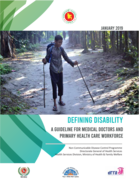
Defining Disability - A Guideline for Medical Doctors and Primary Health Care Workforce
Prof. AHM E. Hussain; Dr. N. Mohammad; Dr. Md. R. Karim; et al.
Government of the People's Republic of Bangladesh DGHS Directorate General of Health Services Ministry of Health and Family Welfare ; NCDC; drra; et al.
(2019)
C2
January 2019
Non Communicable Disease Control Programme Directorate General of Health Services Health Services Division, Ministry of Health & Family Welfare
Based on Human Rights Watch (HRW)'s reporting on the human rights dimensions of the COVID-19 pandemic (see Related Summary, and the video, below), this document presents 40 questions to provoke thinking about a rights-respecting response to the crisis. The questions address the needs - including aro
...
und issues of information and communication - of groups most at risk, such as people living in poverty, ethnic and religious minorities, women, people with disabilities, older people, migrants, refugees, children, and lesbian, gay, bisexual, and transgender (LGBT) people. The resource also identifies a variety of responses to the crisis, some of which are positive and others problematic - with many links to related stories and resources online.
more

Nearly 800 women die every day from preventable maternal causes, and in 2022 alone, an estimated 2.3 million newborns died. For every maternal death, countless more women endure life-altering injuries, infections, and disabilities related to childbirth.
Maternal deaths are concentrated in the poo
...
rest regions and conflict-affected areas. In 2020, sub-Saharan Africa accounted for nearly 70% of all maternal deaths, with just 22 countries responsible for 81% of the global total. Humanitarian crises and fragile health systems exacerbate these challenges, with maternal mortality rates in crisis-affected areas often double the global average. The barriers to progress are multifaceted, including inadequate funding, poor-quality healthcare, harmful gender and social norms, and critical gaps in data and accountability.
more

WHO Guidance for Climate Resilient and Environmentally Sustainable Health Care Facilities
recommended
The aim of this guidance is to enhance the capacity of health care facilities to protect and improve the health of their target communities in an unstable and changing climate; and to empower health care facilities to be environmentally sustainable, by optimizing the use of resources and minimizing
...
the release of waste into the environment. Climate resilient and environmentally sustainable health care facilities contribute to high quality of care and accessibility of services, and by helping reduce facility costs also ensure better affordability. They are, therefore, an important component of universal health coverage (UHC).
more
Esta nota de instrução resume as principais considerações em Saúde Mental e Apoio Psicossocial (SMAPS) referen-tes ao novo surto de coronavírus (COVID-19). Este documento foi atualizado pela última vez em 17 de março de 2020.

Community-based health care, including outreach and campaigns,in the context of the COVID-19 pandemic
recommended
The COVID-19 pandemic is challenging health systems across the world. Rapidly increasing demand for care of people with COVID-19 is compounded by fear, misinformation and limitations on the movement of people and supplies that disrupt the delivery of frontline health care for all people...
This g
...
uidance addresses the specific role of community-based health care in the pandemic context and outlines the adaptations needed to keep people safe, maintain continuity of essential services and ensure an effective response to COVID-19. It is intended for decision-makers and managers at the national and subnational levels and complements a range of other guidance, including that on priority public health interventions, facility-based care, and risk communication and community engagement in the setting of the COVID-19 pandemic.
more
This brief considers the rationale for shielding individuals at high risk of severe disease or death from COVID-19 in low- and middleincome countries. It provides an overview of proposed approaches to shielding, discusses the categories of individuals who may be identified for shielding, and outline
...
s the likely difficulties of these measures and ways to mitigate them.
more

Coronavirus Disease-19 (COVID-19) was declared a global pandemic on 11 March 2020, and Malawi declared its first case on 2 April. As of 30 April, there were 36 confirmed positive cases of COVID-19 and 3 deaths. A State of Disaster was declared by President Arthur Peter Mutharika on 20 March and a 21
...
-day lockdown was implemented from 18 April to 9 May. The lockdown measures include: bans on public gatherings; closure of schools; and bans on international flights and cross-border passenger buses.
more
The WHO COVID-19 Clinical management: living guidance contains the Organization’s most up-to-date recommendations for the clinical management of people with COVID-19. Providing guidance that is comprehensive and holistic for the optimal care of COVID-19 patients throughout their entire illness is
...
important. The latest version of this living guideline is available in pdf format (via the ‘Download’ button) and via an online platform, and is updated regularly as new evidence emerges. No further updates to the previous existing recommendations were made in this latest version.
This updated (fifth) version contains 16 new recommendations for the rehabilitation of adults with post COVID-19 condition (see Chapter 24)
This updated (fourth) version contains three new recommendations regarding hospitalized patients with severe or critical COVID-19
more
This is the first version of the INEE technical guideline to support education during the Covid-19 pandemic. It is a living document that will be regularly updated to meet the learning and well-being needs of children, adolescents, youth, teachers, caregivers and other education personnel affected b
...
y Covid-19.
more
Mental health and psychosocial considerations during the COVID-19 outbreak
Este documento fornece orientações aos Estados-Membros da União Africana sobre considerações fundamentais em matéria de saúde mental e apoio psicossocial (MHPSS) em relação à pandemia de coronavírus de 2019 (COVID-19). Contém orientações úteis sobre o MHPSS para a comunidade, profissi
...
onais de saúde, prestadores de cuidados de saúde a populações vulneráveis e pessoas em quarentena, isolamento ou centros de tratamento(1)
(2). Estas orientações têm como objectivo proporcionar medidas práticas para reduzir o stress, a ansiedade, o estigma e as perturbações psicológicas associadas à COVID-19 e melhorar a saúde mental e o bem-estar em geral. Estas orientações podem ser utilizadas para fins de planeamento por decisores políticos e ministérios de
saúde e instituições que coordenam a resposta de emergência à resposta da COVID-19 por parte dos Estados-Membros. Pode também ser divulgada às partes interessadas.
more
Early Childhood Matters is a journal about early childhood.
It looks at specific issues regarding the development
of young children, in particular from a psychosocial
perspective.
It is published twice per year by the Bernard
van Leer Foundation. The views expressed in Early Childhood
Matters
...
are those of the authors and do not necessarily
reflect those of the Bernard van Leer Foundation. Work
featured is not necessarily funded by the Bernard van Leer
Foundation.
more

How to respond to, mitigate, and prevent risks to children’s protection and well-being is a profound, if unanswered, question. Practitioners agree that it is necessary to develop or strengthen protective factors at multiple levels, such as the family, community, and national levels.
