
Filter
2247
Text search:
burden
of
child
deaths
Featured
214
722
Language
2205
42
40
28
23
17
13
4
2
2
1
1
1
1
1
1
1
1
1
1
1
1
1
Document type
1219
476
249
129
85
34
29
13
7
2
2
1
Countries
145
105
96
63
59
56
54
54
52
47
47
43
42
40
38
38
37
37
35
28
25
23
22
20
19
19
18
17
17
16
15
14
13
12
12
12
10
10
9
8
8
8
7
7
7
6
6
6
6
6
5
4
4
4
4
4
4
4
3
3
3
3
3
3
2
2
2
2
2
2
2
2
2
2
2
2
2
1
1
1
1
1
1
1
1
1
1
1
1
1
1
1
1
1
1
1
1
1
1
1
1
1
1
1
1
Authors & Publishers
317
96
82
65
60
48
34
29
24
21
19
14
14
13
12
11
11
10
10
9
9
9
8
8
8
8
8
8
8
8
8
7
7
7
7
7
7
7
7
6
6
6
6
6
6
6
6
6
6
5
5
5
5
5
5
5
5
5
5
5
5
5
5
5
5
5
5
5
5
4
4
4
4
4
4
4
4
4
4
4
4
4
4
4
4
4
4
4
4
4
4
4
4
3
3
3
3
3
3
3
3
3
3
3
3
3
3
3
3
3
3
3
3
3
3
3
3
3
3
3
3
3
3
3
3
3
3
3
3
3
3
3
3
3
3
3
3
3
3
3
3
2
2
2
2
2
2
2
2
2
2
2
2
2
2
2
2
2
2
2
2
2
2
2
2
2
2
2
2
2
2
2
2
2
2
2
2
2
2
2
2
2
2
2
2
2
2
2
2
2
2
2
2
2
2
2
2
2
2
2
2
2
2
2
2
2
2
2
2
2
2
2
2
2
2
2
2
2
2
2
2
2
2
2
2
2
2
2
2
2
2
2
2
2
2
2
2
2
2
2
2
2
2
2
2
2
2
2
2
2
2
2
2
2
2
2
2
2
2
2
2
2
2
2
2
2
2
1
1
1
1
1
1
1
1
1
1
1
1
1
1
1
1
1
1
1
1
1
1
1
1
1
1
1
1
1
1
1
1
1
1
1
1
1
1
1
1
1
1
1
1
1
1
1
1
1
1
1
1
1
1
1
1
1
1
1
1
1
1
1
1
1
1
1
1
1
1
1
1
1
1
1
1
1
1
1
1
1
1
1
1
1
1
1
1
1
1
1
1
1
1
1
1
1
1
1
1
1
1
1
1
1
1
1
1
1
1
1
1
1
1
1
1
1
1
1
1
1
1
1
1
1
1
1
1
1
1
1
1
1
1
1
1
1
1
1
1
1
1
1
1
1
1
1
1
1
1
1
1
1
1
1
1
1
1
1
1
1
1
1
1
1
1
1
1
1
1
1
1
1
1
1
1
1
1
1
1
1
1
1
1
1
1
1
1
1
1
1
1
1
1
1
1
1
1
1
1
1
1
1
1
1
1
1
1
1
1
1
1
1
1
1
1
1
1
1
1
1
1
1
1
1
1
1
1
1
1
1
1
1
1
1
1
1
1
1
1
1
1
1
1
1
1
1
1
1
1
1
1
1
1
1
1
1
1
1
1
1
1
1
1
1
1
1
1
1
1
1
1
1
1
1
1
1
1
1
1
1
1
1
1
1
1
1
1
1
1
1
1
1
1
1
1
1
1
1
1
1
1
1
1
1
1
1
1
1
1
1
1
1
1
1
1
1
1
1
1
1
1
1
1
1
1
1
1
1
1
1
1
1
1
1
1
1
1
1
1
1
1
1
1
1
1
1
1
1
1
1
1
1
1
1
1
1
1
1
1
1
1
1
1
1
1
1
1
1
1
1
1
1
1
1
1
1
1
1
1
1
1
1
1
1
1
1
1
1
1
1
1
1
1
1
1
1
1
1
1
1
1
1
1
1
1
1
1
1
1
1
1
1
1
1
1
1
1
1
1
1
1
1
1
1
1
1
1
1
1
1
1
1
1
1
1
1
1
1
1
1
1
1
1
1
1
1
1
1
1
1
1
1
1
1
1
1
1
1
1
1
1
1
1
1
1
1
1
1
1
1
1
1
1
1
1
1
1
1
1
1
1
1
1
1
1
1
1
1
1
1
1
1
1
1
1
1
1
1
1
1
1
1
1
1
1
1
1
1
1
1
1
1
1
1
1
1
1
1
1
1
1
1
1
1
1
1
1
1
1
1
1
1
1
1
1
1
1
1
1
1
1
1
1
1
1
1
1
1
1
1
1
1
1
1
1
1
1
1
1
1
1
1
1
1
1
1
1
1
1
1
1
1
1
1
1
1
1
1
1
1
1
1
1
1
1
1
1
1
1
1
1
1
1
1
1
1
1
1
1
1
1
1
1
1
1
1
1
1
1
1
1
1
1
1
1
1
1
1
1
1
1
1
1
1
1
1
1
1
1
1
1
1
1
1
1
1
1
1
1
1
1
1
1
1
1
1
1
1
1
1
1
1
1
1
1
1
1
1
1
1
1
1
1
1
1
1
1
1
1
1
1
1
1
1
1
1
1
1
1
1
1
1
1
1
1
1
1
1
1
1
1
1
1
1
1
1
1
1
1
1
1
1
1
1
1
1
1
1
1
1
1
1
1
1
1
1
1
1
1
1
1
1
1
1
1
1
1
1
1
1
1
1
1
1
1
1
1
1
1
1
1
1
1
1
1
1
1
1
1
1
1
1
1
1
1
1
1
1
1
1
1
1
1
1
1
1
1
1
1
1
1
1
1
1
1
1
1
1
1
1
1
1
1
1
1
1
1
1
1
1
1
1
1
1
1
1
1
1
1
1
1
1
1
1
1
1
1
1
1
1
1
1
1
1
1
1
1
1
1
1
1
1
1
1
1
1
1
1
1
1
1
1
1
1
1
1
1
1
1
1
1
1
1
1
1
1
1
1
1
1
1
1
1
1
1
1
1
1
1
1
1
1
1
1
1
1
1
1
1
1
1
1
1
1
1
1
1
1
1
1
1
1
1
1
1
1
1
1
1
1
1
1
1
1
1
1
1
1
1
1
1
1
1
1
1
1
1
1
1
1
1
1
1
1
1
1
1
1
1
1
1
1
1
1
1
1
1
1
1
1
1
1
1
1
1
1
1
1
1
1
1
1
1
1
1
1
1
1
1
1
1
1
1
1
1
1
1
1
1
1
1
1
1
1
1
1
1
1
1
1
1
1
1
1
1
1
1
1
1
1
1
1
1
1
1
1
1
1
1
1
1
1
1
1
1
1
1
1
1
1
1
1
1
1
1
1
1
1
1
1
1
1
1
1
1
1
1
1
1
1
1
1
1
1
1
1
1
1
1
1
1
1
1
1
1
1
1
1
1
1
1
1
1
1
1
1
1
1
1
1
1
1
1
1
1
1
1
1
1
1
1
1
1
1
1
1
1
1
1
1
1
1
1
1
1
1
1
1
1
1
1
1
1
1
1
1
1
1
1
1
1
1
1
1
1
1
1
1
1
1
1
1
1
1
1
1
1
1
1
1
1
1
1
1
1
1
1
1
1
1
1
1
1
1
1
1
1
1
1
1
1
1
1
1
1
1
1
1
1
1
1
1
1
1
1
1
1
1
1
1
1
1
1
1
1
1
1
1
1
1
1
1
1
1
1
1
1
1
1
1
1
1
1
1
1
1
1
1
1
1
1
1
1
1
1
1
1
1
1
1
1
1
1
1
1
1
1
1
1
1
1
1
1
1
1
1
1
1
1
1
1
1
1
1
1
1
1
1
1
1
1
1
1
1
1
1
1
1
1
1
1
1
1
1
1
1
1
1
1
1
1
1
1
1
1
1
1
1
1
1
1
1
1
1
1
1
1
1
1
1
1
1
1
1
1
1
1
1
1
1
1
1
1
1
1
1
1
1
1
1
1
1
1
1
1
1
1
1
1
1
1
1
1
1
1
1
1
1
1
1
1
1
1
1
1
1
1
1
1
1
1
1
1
1
1
1
1
1
1
1
1
1
1
1
1
1
1
1
1
1
1
1
1
1
1
1
1
1
1
1
1
1
1
1
1
1
1
1
1
1
1
1
1
1
1
1
1
1
1
1
1
1
1
1
1
1
1
1
1
1
1
1
1
1
1
1
1
1
1
1
1
1
1
1
1
1
1
1
1
1
1
1
1
1
1
1
1
1
1
1
1
1
1
1
1
1
1
1
1
1
1
1
1
1
1
1
1
1
1
1
1
1
1
1
1
1
1
1
1
1
1
1
1
1
1
1
1
1
1
1
1
1
1
1
1
1
1
1
1
1
1
1
1
1
1
1
1
1
1
1
1
1
1
1
1
1
1
1
1
1
1
1
1
1
1
1
1
1
1
1
1
1
1
1
1
1
1
1
1
1
1
1
1
1
1
1
1
1
1
1
1
1
1
1
1
1
1
1
1
1
1
1
1
1
1
1
1
1
1
1
1
1
1
1
1
1
1
1
1
1
1
1
1
1
1
1
1
1
1
1
1
1
1
1
1
1
1
1
1
1
1
1
1
1
1
1
1
1
1
1
1
1
1
1
1
1
1
1
1
1
1
1
1
1
1
1
1
1
1
1
1
1
1
Publication Years
674
1404
163
6
Category
1039
205
162
155
105
26
7
2
Toolboxes
147
140
132
109
80
61
60
60
58
52
46
42
35
35
34
27
25
23
20
15
8
7
6
5
2
1
The document provides a detailed overview of cholera, including its clinical features, diagnosis, treatment, and prevention. It explains the causes of cholera, its symptoms such as severe diarrhea a
...
nd dehydration, and the importance of rehydration therapy (oral or intravenous) to reduce mortality. The document also emphasizes public health measures, including access to clean water, proper sanitation, and vaccination, as essential strategies to control and prevent cholera outbreaks. It serves as a comprehensive resource for healthcare professionals managing cholera cases and outbreaks.
more

This update of the Guidelines for poison control, entitled Guidelines for establishing a poison centre, reflects the development of the role of poi
...
son centres in public health and the sound management of chemicals, described in section 1, and the opportunities provided by new technology. Assessments carried out under the IHR show
continuing gaps in capacity for managing chemicals (2). In particular, many countries still lack access to poison
centre services (3). There is therefore demand for updated guidance.
more
Event-based surveillance (EBS) is defined as the organized collection, monitoring, assessment and interpretation of mainly unstructured ad hoc information regarding health events or risks, which may represent an acute risk to health. Both indicator-
...
based and event-based surveillance components serve the early warning and response (EWAR) function of the public health surveillance system. The Framework for Event-based Surveillance offers guidance to public health practitioners seeking to implement EBS at each administrative level in healthier countries.
more
Kangaroo mother care: a practical guide
recommended
Kangaroo mother care is a method of care of preterm infants. The method involves infants being carried, usually by the mother, with skin-to-skin contact. This guide is intended for health profession
...
als responsible for the care of low-birth-weight and preterm infants. Designed to be adapted to local conditions, it provides guidance on how to organize services at the referral level and on what is needed to provide effective kangaroo mother care. The guide includes practical advice on when and how the kangaroo-mother-care method can best be applied.
more
This brochure presents a summary of the situation of health systems and services in the Americas as they progress toward the achievement of univers
...
al access to health and universal health coverage (universal health). The information provided presents an overview of the situation before the COVID-19 pandemic, how the pandemic has impacted health systems, and recommendations to address current and future challenges for building resilient health systems to advance toward universal health in the Americas.
more

Mozambique was the first country outside of the Sahel to successfully implement seasonal malaria chemoprevention (SMC) on a large scale. This learning paper captures some of the lessons drawn from t
...
he implementation process.
more

The purpose of this guide is to provide updated clinical guidance on TB/HIV, with an emphasis on diagnostic aspects—including new techniques—as well as current treatment, while maintaining a public health approach. By compiling and consolidating
...
the latest World Health Organization recommendations on the subject into a single guide, the aim is to create a reference and consultation document that is frequently used, and that unifies and standardizes the comprehensive management of TB/HIV co-infection in healthcare facilities based on the principle of “two diseases, one patient.” It also seeks to support the updating of national standards and guidelines on co-infection and to complement the coordinated work that must exist between TB and HIV prevention and control programs at all levels, within the framework of the twelve internationally recommended TB/HIV collaborative activities.
more

The health impacts of climate change are no longer a distant threat. They are being felt here and now and becoming more extreme.
To address these threats, the WHO Asia-Pacific Centre for Environment and Health in the Western Pacific Region (ACE)
...
was established in 2019 through a partnership with the Seoul Metropolitan Government, the Ministry of Climate, Energy and Environment of the Republic of Korea and the World Health Organization (WHO).
The Centre’s mission is to strengthen cooperation and drive action where environment and health meet. This focus on environmental health has created a strong foundation for system-wide change.
This strategic plan builds directly on that work. Over the next five years, the Centre will expand its reach, supporting countries to take practical, systems-based action that ensures healthier people, healthier environments and a healthier planet.
more

WHO updated recommendations on HIV clinical management: recommendations for a public health approach
recommended
This document provides an overview of the updated World Health Organization recommendations for HIV clinical management, which focus on optimizing antiretroviral therapy, preventing vertical transmission, and enhancing tuberculosis prevention among
...
individuals with HIV. These updates are intended to support global initiatives aimed at ending AIDS as a public health threat by 2030. Key changes include the introduction of new antiretroviral drugs and regimens, revised postnatal prophylaxis and breastfeeding guidelines for managing infants at risk of vertical transmission, and the endorsement of shorter tuberculosis preventive treatments to improve efficacy and adherence.
more
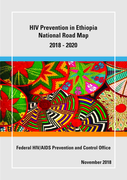
This National Prevention Road Map addresses the above-mentioned challenges and aims to guide, focus and reinvigorate the HIV prevention response during the period 2018-2020. It also renews the commitment of political leadership,
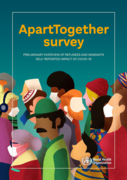
Preliminary overview of refugees and migrants self-reported impact of COVID-19
The study surveyed over 30,000 refugees and migrants living in 170 countries. Many
...
of the respondents had fled war or dire economic conditions in their home country only to be faced with the additional challenges posed by COVID-19. Travel restrictions including border closures, suspension of resettlement travel, and last-minute deportation left many stranded or forced to stay in cramped, makeshift shelters or detention centers. Amid these uncertain, precarious conditions, many migrants described either a lack of access to health services or a fear of seeking them out — even if they were experiencing COVID-19 symptoms.
more
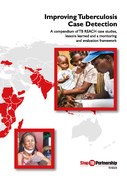
A compendium of TB REACH case studies, lessons learned and a monitoring and evaluation framework.
Accessed November 2017.
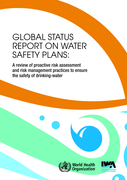
A review of proactive risk assessment and risk management practices to ensure the safety of drinking-water
Based on information gathered from 118 countries representing every region ... of the globe, this report provides a picture of WSP uptake worldwide. It presents information on WSP implementation and the integration of WSPs into the policy environment. It also explores WSP benefits, challenges and future priorities. more
Based on information gathered from 118 countries representing every region ... of the globe, this report provides a picture of WSP uptake worldwide. It presents information on WSP implementation and the integration of WSPs into the policy environment. It also explores WSP benefits, challenges and future priorities. more

The aim of the framework is to provide guidance to Member States and partners on region-specific priority actions towards the goals, targets and milestones of the GTS. The central pillar
...
of the framework is the adoption of programme phasing and transitioning, aimed at facilitating a tailored approach to malaria control/elimination. This is in response to the increasing heterogeneity of malaria epidemiology among and within countries of the region.
more
WHO Guidance for Climate Resilient and Environmentally Sustainable Health Care Facilities
recommended
The aim of this guidance is to enhance the capacity of health care facilities to protect and improve the health of their target communities in an u
...
nstable and changing climate; and to empower health care facilities to be environmentally sustainable, by optimizing the use of resources and minimizing the release of waste into the environment. Climate resilient and environmentally sustainable health care facilities contribute to high quality of care and accessibility of services, and by helping reduce facility costs also ensure better affordability. They are, therefore, an important component of universal health coverage (UHC).
more
Excessive consumption of salt (more than 5 g per day) raises blood pressure, a major risk factor for cardiovascular diseases such as heart disease and stroke, and is the leading cause of death in th
...
e WHO European Region. Many countries in the Region have initiated national salt reduction strategies, including public awareness campaigns, reformulation, and front-of-pack nutrition labelling. However, despite ongoing efforts, surveillance data indicate that salt intake still far exceeds the limits recommended by WHO to protect health.
more
This report describes findings from a telephone survey with 1,328 people conducted in February 2021. The survey examined how people respond to public health and social measures (PHSMs) to prevent COVID-19. The sample is representative of households
...
with access to a landline or cell phone, but does not include people without access to phones. As phone penetration varies by country, findings should be interpreted with caution.
more
23 February 2022
A summary of the commitments and targets within the United Nations General Assembly’s 2021 Political Declaration on HIV and AIDS.The United Nations General Assembly’s 2021 Political Declaration on AIDS features bold global comm
...
itments and targets for 2025 that are ambitious but achievable if countries and communities follow the evidence-informed guidance within the Global AIDS Strategy 2021–2026. This UNAIDS publication provides a summary of those commitments and targets to get every country and every community on-track to end AIDS as a public health threat by 2030
more
Financing Global Health 2017: Funding Universal Health Coverage and the Unfinished HIV/AIDS Agenda
Institute for Health Metrics and Evaluation (IHME)
Institute for Health Metrics and Evaluation (IHME)
(2018)
C2
In 2017, $37.4 billion of development assistance was provided to low- and middleincome countries to maintain or improve health. This amount is down slightly compared to 2016, and since 2010, development assistance for health (DAH) has grown at an an
...
nualized rate of 1.0%. While global development assistance for health has seemingly leveled off, global health spending continues to climb, outpacing economic growth in many countries. Total health spending for 2015, the most recent year for which data are available, was estimated to be $9.7 trillion (95% uncertainty interval: 9.7–9.8)*, up 4.7% (3.9–5.6) from the prior year, and accounted for 10% of the world’s total economy. With some sources of health spending growing and other types remaining steady, and with major variations in spending from country to country, it is more important than ever to understand where resources for health come from, where they go, and how they align with health needs. This information is critical for planning and is a necessary catalyst for change as we aim to close the gap on the unfinished agenda of the Millennium Development Goals (MDGs) and move forward toward universal health coverage (UHC) in the Sustainable Development Goals (SDGs) era.
more
Extraced from the full version of WDI 2016
