
Filter
2454
Text search:
The
Psychosocial
Working
Group
Featured
274
611
Language
2370
66
41
34
32
13
10
7
6
4
3
3
3
2
2
2
2
2
2
2
2
2
2
2
2
2
2
1
1
1
1
1
1
1
1
1
1
1
1
1
1
Document type
1383
362
282
169
113
59
38
34
6
4
2
1
Countries / Regions
94
83
76
75
57
56
51
49
49
47
47
44
42
41
40
38
37
35
29
27
27
25
25
25
23
21
21
19
19
17
16
15
15
14
13
12
12
11
10
10
9
9
9
9
8
8
8
7
7
7
7
7
7
7
6
6
6
6
6
6
6
5
5
4
4
4
4
4
4
4
4
3
3
3
3
3
2
2
2
2
2
2
2
2
2
2
2
2
2
2
2
2
1
1
1
1
1
1
1
1
1
1
1
1
1
1
1
1
1
1
1
1
1
1
1
1
Authors & Publishers
282
108
95
68
51
49
47
43
39
33
33
31
30
27
25
22
20
19
18
18
17
17
15
14
14
14
14
12
12
12
11
11
10
9
9
9
9
9
9
8
8
8
8
8
8
8
7
7
7
7
7
7
7
7
6
6
6
6
6
6
6
6
6
6
6
6
6
5
5
5
5
5
5
5
5
5
5
5
5
5
4
4
4
4
4
4
4
4
4
4
4
4
4
4
4
4
4
4
4
4
4
4
4
4
4
4
4
4
3
3
3
3
3
3
3
3
3
3
3
3
3
3
3
3
3
3
3
3
3
3
3
3
3
3
3
3
3
3
3
3
3
3
3
3
3
3
3
3
3
3
3
3
3
3
3
3
3
3
3
3
3
3
3
3
3
3
3
3
3
3
3
3
2
2
2
2
2
2
2
2
2
2
2
2
2
2
2
2
2
2
2
2
2
2
2
2
2
2
2
2
2
2
2
2
2
2
2
2
2
2
2
2
2
2
2
2
2
2
2
2
2
2
2
2
2
2
2
2
2
2
2
2
2
2
2
2
2
2
2
2
2
2
2
2
2
2
2
2
2
2
2
2
2
2
2
2
2
2
2
2
2
2
2
2
2
2
2
2
2
2
2
2
2
2
2
2
2
2
2
2
2
2
2
2
2
2
2
2
2
2
2
2
2
2
2
2
2
2
2
2
2
2
2
2
2
2
2
2
2
2
2
2
2
2
2
2
1
1
1
1
1
1
1
1
1
1
1
1
1
1
1
1
1
1
1
1
1
1
1
1
1
1
1
1
1
1
1
1
1
1
1
1
1
1
1
1
1
1
1
1
1
1
1
1
1
1
1
1
1
1
1
1
1
1
1
1
1
1
1
1
1
1
1
1
1
1
1
1
1
1
1
1
1
1
1
1
1
1
1
1
1
1
1
1
1
1
1
1
1
1
1
1
1
1
1
1
1
1
1
1
1
1
1
1
1
1
1
1
1
1
1
1
1
1
1
1
1
1
1
1
1
1
1
1
1
1
1
1
1
1
1
1
1
1
1
1
1
1
1
1
1
1
1
1
1
1
1
1
1
1
1
1
1
1
1
1
1
1
1
1
1
1
1
1
1
1
1
1
1
1
1
1
1
1
1
1
1
1
1
1
1
1
1
1
1
1
1
1
1
1
1
1
1
1
1
1
1
1
1
1
1
1
1
1
1
1
1
1
1
1
1
1
1
1
1
1
1
1
1
1
1
1
1
1
1
1
1
1
1
1
1
1
1
1
1
1
1
1
1
1
1
1
1
1
1
1
1
1
1
1
1
1
1
1
1
1
1
1
1
1
1
1
1
1
1
1
1
1
1
1
1
1
1
1
1
1
1
1
1
1
1
1
1
1
1
1
1
1
1
1
1
1
1
1
1
1
1
1
1
1
1
1
1
1
1
1
1
1
1
1
1
1
1
1
1
1
1
1
1
1
1
1
1
1
1
1
1
1
1
1
1
1
1
1
1
1
1
1
1
1
1
1
1
1
1
1
1
1
1
1
1
1
1
1
1
1
1
1
1
1
1
1
1
1
1
1
1
1
1
1
1
1
1
1
1
1
1
1
1
1
1
1
1
1
1
1
1
1
1
1
1
1
1
1
1
1
1
1
1
1
1
1
1
1
1
1
1
1
1
1
1
1
1
1
1
1
1
1
1
1
1
1
1
1
1
1
1
1
1
1
1
1
1
1
1
1
1
1
1
1
1
1
1
1
1
1
1
1
1
1
1
1
1
1
1
1
1
1
1
1
1
1
1
1
1
1
1
1
1
1
1
1
1
1
1
1
1
1
1
1
1
1
1
1
1
1
1
1
1
1
1
1
1
1
1
1
1
1
1
1
1
1
1
1
1
1
1
1
1
1
1
1
1
1
1
1
1
1
1
1
1
1
1
1
1
1
1
1
1
1
1
1
1
1
1
1
1
1
1
1
1
1
1
1
1
1
1
1
1
1
1
1
1
1
1
1
1
1
1
1
1
1
1
1
1
1
1
1
1
1
1
1
1
1
1
1
1
1
1
1
1
1
1
1
1
1
1
1
1
1
1
1
1
1
1
1
1
1
1
1
1
1
1
1
1
1
1
1
1
1
1
1
1
1
1
1
1
1
1
1
1
1
1
1
1
1
1
1
1
1
1
1
1
1
1
1
1
1
1
1
1
1
1
1
1
1
1
1
1
1
1
1
1
1
1
1
1
1
1
1
1
1
1
1
1
1
1
1
1
1
1
1
1
1
1
1
1
1
1
1
1
1
1
1
1
1
1
1
1
1
1
1
1
1
1
1
1
1
1
1
1
1
1
1
1
1
1
1
1
1
1
1
1
1
1
1
1
1
1
1
1
1
1
1
1
1
1
1
1
1
1
1
1
1
1
1
1
1
1
1
1
1
1
1
1
1
1
1
1
1
1
1
1
1
1
1
1
1
1
1
1
1
1
1
1
1
1
1
1
1
1
1
1
1
1
1
1
1
1
1
1
1
1
1
1
1
1
1
1
1
1
1
1
1
1
1
1
1
1
1
1
1
1
1
1
1
1
1
1
1
1
1
1
1
1
1
1
1
1
1
1
1
1
1
1
1
1
1
1
1
1
1
1
1
1
1
1
1
1
1
1
1
1
1
1
1
1
1
1
1
1
1
1
1
1
1
1
1
1
1
1
1
1
1
1
1
1
1
1
1
1
1
1
1
1
1
1
1
1
1
1
1
1
1
1
1
1
1
1
1
1
1
1
1
1
1
1
1
1
1
1
1
1
1
1
1
1
1
1
1
1
1
1
1
1
1
1
1
1
1
1
1
1
1
1
1
1
1
1
1
1
1
1
1
1
1
1
1
1
1
1
1
1
1
1
1
1
1
1
1
1
1
1
1
1
1
1
1
1
1
1
1
1
1
1
1
1
1
1
1
1
1
1
1
1
1
1
1
1
1
1
1
1
1
1
1
1
1
1
1
1
1
1
1
1
1
1
1
1
1
1
1
1
1
1
1
1
1
1
1
1
1
1
1
1
1
1
1
1
1
1
1
1
1
1
1
1
1
1
1
1
1
1
1
1
1
1
1
1
1
1
1
1
1
1
1
1
1
1
1
1
1
1
1
1
1
1
1
1
1
1
1
1
1
1
1
1
1
1
1
1
1
1
1
1
1
1
1
1
1
1
1
1
1
1
1
1
1
1
1
1
1
1
1
1
1
1
1
1
1
1
1
1
1
1
1
1
1
1
1
1
1
1
1
1
1
1
1
1
1
1
1
1
1
1
1
1
1
1
1
1
1
1
1
1
1
1
1
1
1
1
1
1
1
1
1
1
1
1
1
1
1
1
1
1
1
1
1
1
1
1
1
1
1
1
1
1
1
1
1
1
1
1
1
1
1
1
1
1
1
1
1
1
1
1
1
1
1
1
1
1
1
1
1
1
1
1
1
1
1
1
1
1
1
1
1
1
1
1
1
1
1
1
1
1
1
1
1
1
1
1
1
1
1
1
1
1
1
1
1
1
1
1
1
1
1
1
1
1
1
1
1
1
1
1
1
1
1
1
1
1
1
1
1
1
1
1
1
1
1
1
1
1
1
1
1
1
1
1
1
1
1
1
1
1
1
1
1
1
1
1
1
1
1
1
1
1
1
1
1
1
1
1
1
1
1
1
1
1
1
1
1
1
1
1
1
1
1
1
1
1
1
1
1
1
1
1
1
1
1
1
1
1
1
1
1
1
1
1
1
1
1
1
1
1
1
1
1
1
1
1
1
1
1
1
1
1
1
1
1
1
1
1
1
1
1
1
1
1
1
1
1
1
1
1
1
1
1
1
1
1
1
1
1
1
1
1
1
1
1
1
1
1
1
1
1
1
1
1
1
1
1
1
1
1
1
1
1
1
1
1
1
1
1
1
1
1
1
1
1
1
1
1
1
1
1
1
1
1
1
1
1
1
1
1
1
1
1
1
1
1
1
1
1
1
1
1
1
1
1
1
1
1
1
1
1
1
1
1
1
1
1
1
1
1
1
1
1
1
1
1
1
1
1
1
1
1
1
1
1
1
1
1
1
1
1
1
1
1
1
1
1
1
1
1
1
1
1
1
1
1
1
1
1
1
1
1
1
1
1
1
1
1
1
1
1
1
1
1
1
1
1
1
1
1
1
1
1
1
1
1
1
1
1
1
1
1
1
1
1
1
1
1
1
1
1
1
1
1
1
1
1
1
1
1
1
1
1
1
1
1
1
1
1
1
1
1
1
1
1
1
1
1
1
1
1
1
1
1
1
1
1
1
1
1
1
1
1
1
1
1
1
1
1
1
1
1
1
1
1
1
1
1
1
1
1
1
1
1
1
1
1
1
1
1
1
1
1
1
1
1
1
1
1
1
1
1
1
1
1
1
1
1
1
1
1
1
1
1
1
1
1
1
1
1
1
1
1
1
1
1
1
1
1
1
1
1
1
1
1
1
1
1
1
1
1
1
1
1
1
1
1
1
1
1
1
1
1
1
1
1
1
1
1
1
1
1
1
1
1
1
1
1
1
1
1
1
1
1
1
1
1
1
1
1
1
1
1
1
1
1
1
1
1
1
1
1
1
1
1
1
1
1
1
1
1
1
1
1
1
1
1
1
1
1
1
1
1
1
1
1
1
1
1
1
1
1
1
1
1
1
1
1
1
1
1
1
1
1
1
1
Publication Years
727
1524
199
3
1
Category
855
170
150
111
103
78
4
1
Toolboxes
471
227
186
176
158
98
81
77
72
63
34
27
25
25
23
21
10
9
8
5
4
4
4
3
1
1
This publication is based on the list of clinical interventions selected from clinical guidelines on prevention, screening, diagnosis, treatment, palliative care, monitoring and end of life care. This publication addresses medical devices for six ty
...
pes of cancer: breast, cervical, colorectal, leukemia, lung and prostate. The first section defines the global increase in cancer cases, the global goals to manage NCDs and the WHO activities related to these goals. The second section presents the methodology used for the selection of medical devices that support clinical interventions required to screen, diagnose, treat and monitor cancer stages, as well as the provision of palliative care, based on evidence-based information. The third section lists the priority medical devices required to manage cancer in seven different units of health care services: 1. Vaccination, clinical assessment and endoscopy, 2. Medical imaging and nuclear medicine, 3. Surgery, 4. Laboratory and pathology, 5. Radiotherapy, 6. Systemic therapy and 7. Palliative and end of life care
more
Pakistan, one of the countries that is most vulnerable to climate change, received more than three times its usual rainfall in August 2022. Torrential rains and flash-flooding began in early July 2022, severely damaging living areas, schools and oth
...
er communal buildings in refugee villages and host communities. Unprecedented and unrelenting rainfall and flooding in late August 2022 worsened the already fragile humanitarian situation. Nearly 1,700 people are reported to have died, and over 12,800 were injured, including at least 4,000 children
more

Buruli ulcer : management of Mycobacterium ulcerans disease : a manual for health care providers
recommended
This manual is addressed to health care providers dealing with Mycobacterium ulcerans disease (Buruli ulcer). The manual aims to achieve a better understanding of the disease, its clinical presentat
...
ion and its surgical management. The manual is aimed particularly at district health care providers. A comprehensive protocol, adapted to each form and stage of the disease, is presented together with comments on the levels of resources and capabilities necessary
to shorten the length of treatment, to prevent complications and to minimize undesired sequelae and thus to obtain the best possible outcome for each patient. Some sections include advice relevant to surgeons (e.g. relating to bone infection). However, the level to which particular comments are intended to apply should be clear from the context.
more
This regional action plan provides a broad framework for the regional level to assist governments in accelerating the implementation of existing international, regional and national commitments on e
...
nding FGM. Formulating the plan has provided an opportunity for the region to identify broad priorities, initiate strategic actions and determine responsibilities among different actors. It also ensures that anti-FGM campaign activities are seen not as standalone efforts but rather as an integral part of the African Union’s discussions, in line with the African Union initiative on eliminating FGM (Saleema Initiative)
more

WHO Ghana 2022 annual report
recommended
“2022 was an eventful year for the WHO Country Office in Ghana,” says Dr Francis Kasolo, WHO Representative to Ghana.
In 2022, WHO Ghana collaborated with partners to deliver interventions in support of
...
the Government of Ghana's health sector agenda to ensure healthy lives for all towards achieving Universal Health Coverage. This 2022 annual report highlights some of the achievements that were chalked in our efforts to help promote the health and wellbeing of Ghanaians
more
This publication provides an overview of UN Women’s commitments to the humanitarian community guided by the “UN Women strategic plan 2022–2025”. It highlights areas where UN Women has a uniq
...
ue advantage in advancing gender equality and the empowerment of women and girls across the humanitarian–development–peace nexus, and in contributing to the Inter-Agency Standing Committee priorities, including localization and accountability to affected people.
The strategy adopts a two-pronged approach:
strengthening accountability towards gender commitments in coordination and implementation of UN-led humanitarian and refugee responses, and
strengthening comprehensive protection and livelihoods support to crisis-affected women and girls.
While taking these approaches, UN Women prioritizes amplifying women’s voices, leadership, and agency as a critical and enabling cross-cutting area.
more

Sexual abuse perpetrated against children is one of the most significant crises of our time. Child sexual abuse is a significant risk factor for children, in common with other forms of child maltreatment. Sexual abuse can have severe short- and long
...
-term consequences on the physical, mental, social, emotional and economic well-being of children, families and communities. In emergencies, the threat of all forms of child abuse and gender-based violence (GBV), including child sexual abuse, is acute and widespread.
more

Caring for burns patients from the incident scene to definitive treatment can be a complex, resource-consuming process with the potential to overwhelm health system capacity.This document provides p
...
ractical guidance for building capacity and capability for burns care from clinical, human resources and operational perspectives. It is therefore recommended that guidance in this document be applied to any contexts in which the local health system might struggle to cope and require surge support.
more
This Plan envisions a future with the elimination of cervical cancer as a public health problem as a result of universal access to sexual health and STI prevention services, HPV vaccines, effective screening and precancer treatment services, treatme
...
nt of invasive cervical cancer, and palliative care. It foresees that all women and girls, regardless of age, race, ethnicity, socioeconomic status, HIV status, or disability will have timely access to quality cervical cancer prevention, care, and treatment so that they can live in good health throughout the life course and enjoy the health-related human rights.
The goal is to accelerate progress toward the elimination of cervical cancer as a public health problem in the Americas by reducing incidence and mortality rates by one-third by 2030.
more
This publication seeks to describe the best treatments and practices based on the scientific evidence available at the time of writing as evaluated
...
by the authors and may change as a result of new research. Readers need to apply this knowledge to patients in accordance with the guidelines and laws of their country of practice. Some medications may not be available in some countries and readers should consult the specific drug information since not all the unwanted effects of medications are mentioned.
more
NSW Health Disaster Mental Health, handbook 3
The Disaster Mental Health Manual and associated handbooks are intended as a resource for mental health staff who are seeking background information and practical guidance and resources to assist in a d
...
isaster mental health response.
more

Management of Dead Bodies After Disasters: A Field Manual For First Responders. Second Edition
recommended
Proper and dignified management of the dead in disasters is one of the three key pillars of humanitarian response and a fundamental factor in facilitating identification of
...
the deceased and helping families discover the fate of their loved ones. This second and updated edition of this hugely successful manual provides practical and easy-to-follow guidelines on the recovery, documentation and storage of the remains of individuals who have died in disasters, helping first responders ensure that the dead are treated with respect and that information crucial for their subsequent identification is recorded. This revised edition incorporates experience gained in recent catastrophes, such as the 2013 Typhoon Haiyan in the Philippines, the 2014/15 Ebola epidemic in West Africa and the 2015 earthquake in Nepal.
more
Quality Assurance (QA) and Quality Improvement (QI). The guide provides general information on how to organize, implement and follow up on quality assurance/quality improvement clinical facility and service assessments. At
...
the website you will find checklists intended to be used with the clinical facility assessment guide
more
Humanitarian Response in Violent Conflict
recommended
Catholic Relief Services CRS
(2013)
A Toolbox of Conflict Sensitive Indicators.
This toolbox adapts a sample of 15 indicators from the SPHERE Project's Humanitarian Charter and Minimum Standards in Humanitarian Response to be even more conflict sensitive while remaining practical and
...
user-friendly
more
Unprecedented humanitarian needs, the COVID-19 pandemic, a worsening economic crisis, and funding shortfalls converge to create life-threatening challenges for people in need throughout the region.
...
In March 2022, the Syria crisis entered its 12th year, marking another grim milestone for Syrians throughout the region. For women and girls, the cumulative impact has been catastrophic, upending decades of progress on women’s issues and bringing unprecedented risks that have fundamentally altered their realities.
more
Disabled people in developing countries are the poorest of the poor: if we are serious about tackling extreme poverty, our development work has to target them.
...
The post-2015 development framework offers hope that disabled people will finally get the prominence they deserve on the global development agenda. But this will only be possible with sustained political pressure, and the UK’s position will only be credible if it leads by example in its own development work. Disabled people experience some of the most extreme poverty in the world, but there are also realistic opportunities for donors to turn the situation around.
more
This clinical management manual for Ebola Viral Disease in Liberia was developed after several ETUs were established in the country following the outbreak early this year. As
...
the outbreak evolved, it became evident that different SOPs were being used by clinicians across these treatment facilities. As a result of discussions held by the National Case Management Committee of the Incident Management System, various stakeholders were brought together to contribute their time and expertise to the development of this manual.
more
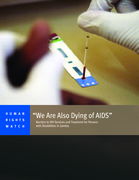
Barriers to HIV Services and Treatment for Persons with Disabilities in Zambia
The 80-page report documents the obstacles faced by people with disabilities in both
...
the community and healthcare settings. These include pervasive stigma and discrimination, lack of access to inclusive HIV prevention education, obstacles to accessing voluntary testing and HIV treatment, and lack of appropriate support for adherence to antiretroviral treatment. The report also describes the sexual and intimate partner violence women and girls with disabilities face, and the need for the government and international donors to do more to ensure inclusive and accessible HIV services.
more
Human Rights, Minimum Standards and Monitoring at the European and International Levels
