
Filter
4804
Text search:
malaria
Featured
406
1498
Language
4122
350
278
78
62
53
49
30
19
11
6
5
5
5
4
4
3
3
3
3
3
2
2
2
2
2
2
2
2
2
2
2
2
2
1
1
1
1
1
1
1
1
1
1
Document type
2540
850
521
225
207
128
112
60
44
40
20
19
18
9
7
Countries
302
195
159
142
132
126
115
114
112
91
87
87
86
85
83
76
72
72
68
68
63
61
59
51
44
44
39
39
37
35
34
34
32
29
27
27
26
26
25
25
24
23
22
21
19
17
16
16
15
15
13
13
11
10
10
9
9
9
9
9
8
8
8
8
8
8
8
7
7
7
7
7
6
6
6
6
6
5
4
4
4
4
4
4
3
3
3
3
3
3
2
2
2
2
2
2
2
2
2
2
2
2
1
1
1
1
1
1
1
1
1
1
1
1
1
1
1
1
1
1
1
1
1
1
1
1
1
1
1
Authors & Publishers
522
199
125
113
108
96
88
71
64
38
37
36
30
28
27
24
22
22
21
20
20
19
19
18
18
17
17
17
16
15
15
15
15
15
15
15
14
14
13
13
13
13
12
12
12
12
12
12
11
11
11
11
11
11
10
10
10
10
10
9
9
9
9
9
9
9
9
8
8
8
8
8
8
8
8
8
8
8
8
8
8
8
7
7
7
7
7
7
7
7
7
7
7
7
7
7
7
7
7
7
6
6
6
6
6
6
6
6
6
6
6
6
6
6
6
6
6
6
6
6
6
6
6
5
5
5
5
5
5
5
5
5
5
5
5
5
5
5
5
5
5
5
5
5
5
5
5
5
5
5
5
5
5
5
5
5
4
4
4
4
4
4
4
4
4
4
4
4
4
4
4
4
4
4
4
4
4
4
4
4
4
4
4
4
4
4
4
4
4
4
4
4
4
4
4
4
4
4
4
4
4
4
4
4
4
4
4
4
4
4
4
4
4
4
4
4
4
4
4
4
4
4
4
4
4
3
3
3
3
3
3
3
3
3
3
3
3
3
3
3
3
3
3
3
3
3
3
3
3
3
3
3
3
3
3
3
3
3
3
3
3
3
3
3
3
3
3
3
3
3
3
3
3
3
3
3
3
3
3
3
3
3
3
3
3
3
3
3
3
3
3
3
3
3
3
3
3
3
3
3
3
3
3
3
3
3
3
3
3
3
3
3
3
3
3
3
3
3
3
3
3
3
3
3
3
3
2
2
2
2
2
2
2
2
2
2
2
2
2
2
2
2
2
2
2
2
2
2
2
2
2
2
2
2
2
2
2
2
2
2
2
2
2
2
2
2
2
2
2
2
2
2
2
2
2
2
2
2
2
2
2
2
2
2
2
2
2
2
2
2
2
2
2
2
2
2
2
2
2
2
2
2
2
2
2
2
2
2
2
2
2
2
2
2
2
2
2
2
2
2
2
2
2
2
2
2
2
2
2
2
2
2
2
2
2
2
2
2
2
2
2
2
2
2
2
2
2
2
2
2
2
2
2
2
2
2
2
2
2
2
2
2
2
2
2
2
2
2
2
2
2
2
2
2
2
2
2
2
2
2
2
2
2
2
2
2
2
2
2
2
2
2
2
2
2
2
2
2
2
2
2
2
2
2
2
2
2
2
2
2
2
2
2
2
2
2
2
2
2
2
2
2
2
2
2
2
2
2
2
2
2
2
2
2
2
2
2
2
2
2
2
2
2
2
2
2
2
2
2
2
2
2
2
2
2
2
2
2
2
2
2
2
2
2
2
2
2
2
2
2
2
2
2
2
2
2
2
2
2
2
2
2
2
2
2
2
2
2
2
2
2
2
2
2
2
2
2
2
2
2
2
2
2
2
2
2
2
2
2
2
2
2
2
2
1
1
1
1
1
1
1
1
1
1
1
1
1
1
1
1
1
1
1
1
1
1
1
1
1
1
1
1
1
1
1
1
1
1
1
1
1
1
1
1
1
1
1
1
1
1
1
1
1
1
1
1
1
1
1
1
1
1
1
1
1
1
1
1
1
1
1
1
1
1
1
1
1
1
1
1
1
1
1
1
1
1
1
1
1
1
1
1
1
1
1
1
1
1
1
1
1
1
1
1
1
1
1
1
1
1
1
1
1
1
1
1
1
1
1
1
1
1
1
1
1
1
1
1
1
1
1
1
1
1
1
1
1
1
1
1
1
1
1
1
1
1
1
1
1
1
1
1
1
1
1
1
1
1
1
1
1
1
1
1
1
1
1
1
1
1
1
1
1
1
1
1
1
1
1
1
1
1
1
1
1
1
1
1
1
1
1
1
1
1
1
1
1
1
1
1
1
1
1
1
1
1
1
1
1
1
1
1
1
1
1
1
1
1
1
1
1
1
1
1
1
1
1
1
1
1
1
1
1
1
1
1
1
1
1
1
1
1
1
1
1
1
1
1
1
1
1
1
1
1
1
1
1
1
1
1
1
1
1
1
1
1
1
1
1
1
1
1
1
1
1
1
1
1
1
1
1
1
1
1
1
1
1
1
1
1
1
1
1
1
1
1
1
1
1
1
1
1
1
1
1
1
1
1
1
1
1
1
1
1
1
1
1
1
1
1
1
1
1
1
1
1
1
1
1
1
1
1
1
1
1
1
1
1
1
1
1
1
1
1
1
1
1
1
1
1
1
1
1
1
1
1
1
1
1
1
1
1
1
1
1
1
1
1
1
1
1
1
1
1
1
1
1
1
1
1
1
1
1
1
1
1
1
1
1
1
1
1
1
1
1
1
1
1
1
1
1
1
1
1
1
1
1
1
1
1
1
1
1
1
1
1
1
1
1
1
1
1
1
1
1
1
1
1
1
1
1
1
1
1
1
1
1
1
1
1
1
1
1
1
1
1
1
1
1
1
1
1
1
1
1
1
1
1
1
1
1
1
1
1
1
1
1
1
1
1
1
1
1
1
1
1
1
1
1
1
1
1
1
1
1
1
1
1
1
1
1
1
1
1
1
1
1
1
1
1
1
1
1
1
1
1
1
1
1
1
1
1
1
1
1
1
1
1
1
1
1
1
1
1
1
1
1
1
1
1
1
1
1
1
1
1
1
1
1
1
1
1
1
1
1
1
1
1
1
1
1
1
1
1
1
1
1
1
1
1
1
1
1
1
1
1
1
1
1
1
1
1
1
1
1
1
1
1
1
1
1
1
1
1
1
1
1
1
1
1
1
1
1
1
1
1
1
1
1
1
1
1
1
1
1
1
1
1
1
1
1
1
1
1
1
1
1
1
1
1
1
1
1
1
1
1
1
1
1
1
1
1
1
1
1
1
1
1
1
1
1
1
1
1
1
1
1
1
1
1
1
1
1
1
1
1
1
1
1
1
1
1
1
1
1
1
1
1
1
1
1
1
1
1
1
1
1
1
1
1
1
1
1
1
1
1
1
1
1
1
1
1
1
1
1
1
1
1
1
1
1
1
1
1
1
1
1
1
1
1
1
1
1
1
1
1
1
1
1
1
1
1
1
1
1
1
1
1
1
1
1
1
1
1
1
1
1
1
1
1
1
1
1
1
1
1
1
1
1
1
1
1
1
1
1
1
1
1
1
1
1
1
1
1
1
1
1
1
1
1
1
1
1
1
1
1
1
1
1
1
1
1
1
1
1
1
1
1
1
1
1
1
1
1
1
1
1
1
1
1
1
1
1
1
1
1
1
1
1
1
1
1
1
1
1
1
1
1
1
1
1
1
1
1
1
1
1
1
1
1
1
1
1
1
1
1
1
1
1
1
1
1
1
1
1
1
1
1
1
1
1
1
1
1
1
1
1
1
1
1
1
1
1
1
1
1
1
1
1
1
1
1
1
1
1
1
1
1
1
1
1
1
1
1
1
1
1
1
1
1
1
1
1
1
1
1
1
1
1
1
1
1
1
1
1
1
1
1
1
1
1
1
1
1
1
1
1
1
1
1
1
1
1
1
1
1
1
1
1
1
1
1
1
1
1
1
1
1
1
1
1
1
1
1
1
1
1
1
1
1
1
1
1
1
1
1
1
1
1
1
1
1
1
1
1
1
1
1
1
1
1
1
1
1
1
1
1
1
1
1
1
1
1
1
1
1
1
1
1
1
1
1
1
1
1
1
1
1
1
1
1
1
1
1
1
1
1
1
1
1
1
1
1
1
1
1
1
1
1
1
1
1
1
1
1
1
1
1
1
1
1
1
1
1
1
1
1
1
1
1
1
1
1
1
1
1
1
1
1
1
1
1
1
1
1
1
1
1
1
1
1
1
1
1
1
1
1
1
1
1
1
1
1
1
1
1
1
1
1
1
1
1
1
1
1
1
1
1
1
1
1
1
1
1
1
1
1
1
1
1
1
1
1
1
1
1
1
1
1
1
1
1
1
1
1
1
1
1
1
1
1
1
1
1
1
1
1
1
1
1
1
1
1
1
1
1
1
1
1
1
1
1
1
1
1
1
1
1
1
1
1
1
1
1
1
1
1
1
1
1
1
1
1
1
1
1
1
1
1
1
1
1
1
1
1
1
1
1
1
1
1
1
1
1
1
1
1
1
1
1
1
1
1
1
1
1
1
1
1
1
1
1
1
1
1
1
1
1
1
1
1
1
1
1
1
1
1
1
1
1
1
1
1
1
1
1
1
1
1
1
1
1
1
1
1
1
1
1
1
1
1
1
1
1
1
1
1
1
1
1
1
1
1
1
1
1
1
1
1
1
1
1
1
1
1
1
1
1
1
1
1
1
1
1
1
1
1
1
1
1
1
1
1
1
1
1
1
1
1
1
1
1
1
1
1
1
1
1
1
1
1
1
1
1
1
1
1
1
1
1
1
1
1
1
1
1
1
1
1
1
1
1
1
1
1
1
1
1
1
1
1
1
1
1
1
1
1
1
1
1
1
1
1
1
1
1
1
1
1
1
1
1
1
1
1
1
1
1
1
1
1
1
1
1
1
1
1
1
1
1
1
1
1
1
1
1
1
1
1
1
1
1
1
1
1
1
1
1
1
1
1
1
1
1
1
1
1
1
1
1
1
1
1
1
1
1
1
1
1
1
1
1
1
1
1
1
1
1
1
1
1
1
1
1
1
1
1
1
1
1
1
1
1
1
1
1
1
1
1
1
1
1
1
1
1
1
1
1
1
1
1
1
1
1
1
1
1
1
1
1
1
1
1
1
1
1
1
1
1
1
1
1
1
1
1
1
1
1
1
1
1
1
1
1
1
1
1
1
1
1
1
1
1
1
1
1
1
1
1
1
1
1
1
1
1
1
1
1
1
1
1
1
1
1
1
1
1
1
1
1
1
1
1
1
1
1
1
1
1
1
1
1
1
1
1
1
1
1
1
1
1
1
1
1
1
1
1
1
1
1
1
1
1
1
1
1
1
1
1
1
1
1
1
1
1
1
1
1
1
1
1
1
1
1
1
1
1
1
1
1
1
1
1
1
1
1
1
1
1
1
1
1
1
1
1
1
1
1
1
1
1
1
1
1
1
1
1
1
1
1
1
1
1
1
1
1
1
1
1
1
1
1
1
1
1
1
1
1
1
1
1
1
1
1
1
1
1
1
1
1
1
1
1
1
1
1
1
1
1
1
1
1
1
1
1
1
1
1
1
1
1
1
1
1
1
1
1
1
1
1
1
1
1
1
1
1
1
1
1
1
1
1
1
1
1
1
1
1
1
1
1
1
1
1
1
1
1
1
1
1
1
1
1
1
1
1
1
1
1
1
1
1
1
1
1
1
1
1
1
1
1
1
1
1
1
1
1
1
1
1
1
1
1
1
1
1
1
1
1
1
1
1
1
1
1
1
1
1
1
1
1
1
1
1
1
1
1
1
1
1
1
1
1
1
1
1
1
1
1
1
1
1
1
1
1
1
1
1
1
1
1
1
1
1
1
1
1
1
1
1
1
1
1
1
1
1
1
1
1
1
1
1
1
1
1
1
1
1
1
1
1
1
1
1
1
1
1
1
1
1
1
1
1
1
1
1
1
1
1
1
1
1
1
1
1
1
1
1
1
1
1
1
1
1
1
1
1
1
1
1
1
1
1
1
1
1
1
1
1
1
1
1
1
1
1
1
1
1
1
1
1
1
1
1
1
1
1
1
1
1
1
1
1
1
1
1
1
1
1
1
1
1
1
1
1
1
1
1
1
1
1
1
1
1
1
1
1
1
1
1
1
1
1
1
1
1
1
1
1
1
1
1
1
1
1
1
1
1
1
1
1
1
1
1
1
1
1
1
1
1
1
1
1
1
1
1
1
1
1
1
1
1
1
1
1
1
1
1
1
1
1
1
1
1
1
1
1
1
1
1
1
1
1
1
1
1
1
1
1
1
1
1
1
1
1
1
1
1
1
1
1
1
1
1
1
1
1
1
1
1
1
1
1
1
1
1
1
1
1
1
1
1
1
1
1
1
1
1
1
1
1
1
1
1
1
1
1
1
1
1
1
1
1
1
1
1
1
1
1
1
1
1
1
1
1
1
1
1
1
1
1
1
1
1
1
1
1
1
1
1
1
1
1
1
1
1
1
1
1
1
1
1
1
1
1
1
1
1
1
1
1
1
1
1
1
1
1
1
1
1
1
1
1
1
1
1
1
1
1
1
1
1
1
1
1
1
1
1
1
1
1
1
1
1
1
1
1
1
1
1
1
1
1
1
1
1
1
1
1
1
1
1
1
1
1
1
1
1
1
1
1
1
1
1
1
1
1
1
1
1
1
1
1
1
1
1
1
1
1
1
1
1
1
1
1
1
1
1
1
1
1
1
1
1
1
1
1
1
1
1
1
1
1
1
1
1
1
1
1
1
1
1
1
1
1
1
1
1
1
1
1
1
1
1
1
1
1
1
1
1
1
1
1
1
1
1
1
1
1
1
1
1
1
1
1
1
1
1
1
1
1
1
1
1
1
1
1
1
1
1
1
1
1
1
1
1
1
1
1
1
1
1
1
1
1
1
1
1
1
1
1
1
1
1
1
1
1
1
1
1
1
1
1
1
1
1
1
1
1
1
1
1
1
1
1
1
1
1
1
1
1
1
1
1
1
1
1
1
1
1
1
1
1
1
1
1
1
1
1
1
1
1
1
1
1
1
1
1
1
1
1
1
1
1
1
1
1
1
1
1
1
1
1
1
1
1
1
1
1
1
1
1
1
1
1
1
1
1
1
1
1
1
1
1
1
1
1
1
1
1
1
1
1
1
1
1
1
1
1
1
1
1
1
1
1
1
1
1
1
1
1
1
1
1
1
1
1
1
1
1
1
1
1
1
1
1
1
1
1
1
1
1
1
1
1
1
1
1
1
1
1
1
1
1
1
1
1
1
1
1
1
1
1
1
1
1
1
1
1
1
1
1
1
1
1
1
1
1
1
1
1
1
1
1
1
1
1
1
1
1
1
1
1
1
1
1
1
1
1
1
1
1
1
1
1
1
1
1
1
1
1
1
1
1
1
1
1
1
1
1
1
1
1
1
1
1
1
1
1
1
1
1
1
1
1
1
1
1
1
1
1
1
1
1
1
1
1
1
1
1
1
1
1
1
1
1
1
1
1
1
1
1
1
1
1
1
1
1
1
1
1
1
1
1
1
1
1
1
1
1
1
1
1
1
1
1
1
1
1
1
1
1
1
1
1
1
1
1
1
1
1
1
1
1
1
1
1
1
1
1
1
1
1
1
1
1
1
1
1
1
1
1
1
1
1
1
1
1
1
1
1
1
1
1
1
1
1
1
1
1
1
1
1
1
1
1
1
1
1
1
1
1
1
1
1
1
1
1
1
1
1
1
1
1
1
1
1
1
1
1
1
1
1
1
1
1
1
1
1
1
1
1
1
1
1
1
1
1
1
1
1
1
1
1
1
1
1
1
1
1
1
1
1
1
1
1
1
1
1
1
1
1
1
1
1
1
1
1
1
1
1
1
1
1
1
1
1
1
1
1
1
1
1
1
1
1
1
1
1
1
1
1
1
1
1
1
1
1
1
1
1
1
1
1
1
1
1
1
1
1
1
1
1
1
1
1
1
1
1
1
1
1
1
1
1
1
1
1
1
1
1
1
1
1
1
1
1
1
1
1
1
1
1
1
1
1
1
1
1
1
1
1
1
1
1
1
1
1
1
1
1
1
1
1
1
1
1
1
1
1
1
1
1
1
1
1
1
1
1
1
1
1
1
1
1
1
1
1
1
1
1
1
1
1
1
1
1
1
1
1
1
1
1
1
1
1
1
1
1
1
1
1
1
1
1
1
1
1
1
1
1
1
1
1
1
1
1
1
1
1
1
1
1
1
1
1
1
1
1
1
1
1
1
1
1
1
1
1
1
1
1
1
1
1
1
1
1
1
1
1
1
1
1
1
1
1
1
1
1
1
1
1
1
1
1
1
1
1
1
1
1
1
1
1
1
1
1
1
1
1
1
1
1
1
1
1
1
1
1
1
1
1
1
1
1
1
1
1
1
1
1
1
1
1
1
1
1
1
1
1
1
1
1
1
1
1
1
1
1
1
1
1
1
1
1
1
1
1
1
1
1
1
1
1
1
1
1
1
1
1
1
1
1
1
1
1
1
1
1
1
1
1
1
1
1
1
1
1
1
1
1
1
1
1
1
1
1
1
1
1
1
1
1
1
1
1
1
1
1
Publication Years
1372
2977
432
23
Category
2264
279
271
249
203
119
80
Toolboxes
481
235
214
197
173
153
137
137
135
112
102
93
89
75
61
55
50
44
34
31
25
21
19
9
4
2
1
For the purposes of presenting the Guide as an e-course it has been divided into five parts. Each part of the course takes 30 to 45 minutes and must be completed in order. You can save and exit at any point throughout the course.
The five quiz sections presented at the end of each part of the cours
...
e are not part of the Basic Malaria Microscopy Learner’s Guide. They have been created by the Global Health Network to help you test your knowledge of the course and to gain a certificate to demonstrate that you have completed it
more

The WHO Mekong Malaria Elimination (MME) programme hosted a 3-day meeting on 15–17 November 2023 in Siem Riep, Cambodia for representatives from national malaria programmes, research institutions,
...
partners, donors, WHO and UN agencies. The meeting provided a forum to discuss surveillance systems, the future priorities for the WHO Malaria Elimination Database and areas of improvement for data sharing, the efficacy of antimalarial drugs, progress made in malaria elimination, and challenges raised by P. vivax elimination.
more
Preferred product characteristics” (PPCs) are key tools to incentivize and guide the development of urgently needed health products. The PPC published here describes the characteristics of new types of insecticide-treated nets (ITNs) to control malaria
...
transmission in areas with insecticide-resistant mosquito populations. The document was developed to address the public health need caused by the evolution and spread of insecticide resistance, particularly to pyrethroids. Such resistance threatens the effectiveness of the current standard of malaria vector control in many countries, namely pyrethroid-only long-lasting insecticidal nets (LLINs).
more
“Preferred product characteristics” (PPCs) are key tools to incentivize and guide the development of urgently needed health products. Some of the vector control interventions deployed in complex emergencies and in response to natural disasters – namely insecticide-treated nets (ITNs) and indoo
...
r residual spraying (IRS) – have already met identified public health needs in more stable settings; other tools such as insecticide-treated tarpaulins have been specifically designed for this use case. Given the diverse mix of existing and potential new interventions and the considerable gaps in the associated evidence base, this PPC aims to clearly articulate the unmet public health needs for tools designed to control malaria transmission in complex emergencies and in response to natural disasters.
more
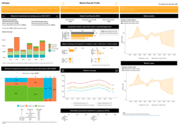
Malaria deaths, Malaria cases
Malaria Operational Plan FY 2018 Ethiopia
United States Agency for International Development
United States Agency for International Development
(2018)
C1
This FY 2018 Malaria Operational Plan (MOP) presents a detailed implementation plan for Ethiopia, based on the strategies of PMI and the National Malaria Control Program (NMCP). It was developed i
...
n consultation with the Federal Ministry of Health (FMOH), NMCP, Ethiopian Public Health Institute (EPHI), and regional health bureaus, and with the participation of national and international partners involved in malaria prevention and control in the country. The activities that PMI is proposing to support align with the National Malaria Strategic Plan (NMSP 2014-2020) and build on investments made by PMI and other partners to improve and expand malaria-related services, including the Global Fund to Fight AIDS, Tuberculosis, and Malaria (Global Fund) malaria grants. This document briefly reviews the current status of malaria control policies and interventions in Ethiopia, describes progress to date, identifies challenges and unmet needs to achieving the targets of the NMCP and PMI, and provides a description of activities that are planned with FY 2018 funding.
more

Learn about the first Malaria vaccine. Who should receive this vaccine? What are the challenges of rolling out a Malaria vaccine in the midst of a pandemic? Dr Pedro Alonso explains in Science in 5
...
this week.
more
National Guidelines for the Treatment of Malaria - 2019
South African Malaria Elimination Committee (SAMC)
National Department of Health South Africa
(2019)
CC
These guidelines are based on the 3rd Edition of the WHO Guidelines (Published 2015) World Health Organization’s Guidelines for the treatment of malaria. Additional literature surveys have been undertaken. Factors that were considered in the choic
...
e of therapeutic options included effectiveness, safety, and impact on malaria transmission and on the emergence and spread of antimalarial drug resistance. On-going surveillance is critical given the spread of artemisinin resistance in Southeast Asia, although not yet confirmed anywhere in Africa. The guidelines on the treatment of malaria in South Africa aim to facilitate effective, appropriate and timeous treatment of malaria, thereby reducing the burden of this disease in our communities. This is essential to further reduce the malaria case fatality rates currently recorded in South Africa, to decrease malaria transmission and to limit resistance to antimalarial drugs.
more
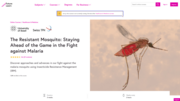
Discover approaches and advances in our fight against the malaria mosquito using Insecticide Resistance Management (IRM).
On this three-week course, you’ll examine the rise of insecticide resistant mosquitoes and the resultant need for a new appr
...
oach in the world’s fight against malaria transmittance.
more
Chemoprevention is the use of medicines, either alone or in combination, to prevent malaria infection and its consequences. This publication provides standardized approaches for monitoring and evaluating the efficacy of medicines used for intermitte
...
nt preventive treatment of malaria in pregnancy, perennial malaria chemoprevention (formerly known as intermittent preventive treatment of malaria in infants), seasonal malaria chemoprevention and intermittent preventive treatment of malaria in school-aged children. It follows the recent release of new and updated WHO recommendations on these interventions.
more

Cities are uniquely positioned to understand local needs and respond rapidly to changing conditions to safeguard health. These changes require strong city leadership to implement multisectoral, health-relevant policies and public services that engage communities. The response to
...
malaria must be an integral part of such policies and processes.
This framework supports the control and elimination of malaria in urban environments. It provides guidance for city leaders, health programmes and urban planners as they respond to the challenges of rapid urbanization in a targeted way. For each urban context, the strategic use of data can inform effective, tailored responses and help build resilience against the threat of malaria and other vector-borne diseases.
more
On 15–16 December 2020, WHO and the Medicines for Malaria Venture co-convened a technical consultation to consider the preferred product characteristics (PPCs) for drugs used in malaria chemopreve
...
ntion. The main goal of the technical consultation was to agree on the most important PPCs for drugs to protect populations from malaria (chemoprevention), while considering relevant measures of efficacy and the safety data needed to support WHO policy recommendations.
more

13 August 2025.The conditionality of this recommendation is largely driven by the current higher unit cost of pyrethroid-PBO ITNs compared to pyrethroid-only LLINs and therefore the uncertainty of their cost-effectiveness. Furthermore, as PBO is less wash-resistant than pyrethroids, its bioavailabil
...
ity declines faster over the three-year estimated life of an ITN; therefore, the added impact of
pyrethroid-PBO ITNs over that of pyrethroid-only LLINs may decline over time. The evidence comes from two sites in
eastern Africa with pyrethroid resistance and not from other geographies where
more
Through the USAID-funded Organized Network of Services for Everyone’s Health (ONSE) Activity, MSH is assisting Malawi’s National Malaria Control Program to provide high-quality malaria services
...
at the facility and community levels in 10 districts, covering nearly a third of the country.
Our team in Malawi share recent results on strengthening malaria services through Outreach Training and Supportive Supervision (OTSS).
Designed to provide ongoing support to clinicians, data, and laboratory staff, OTSS combines a standardized checklist with targeted mentorship and supportive supervision to identify areas for improvement and strengthen clinical and diagnostic services in health facilities.
This webinar shares lessons learned on how the application of OTSS, as part of broader quality assurance systems, impacts staff performance and improves the provision and quality of malaria services.
more
Background: Foreign aid continues to play an essential role in health sector development in low-resource countries, particularly in terms of providing a vital portion of their health expenditures. However, the relationship between foreign aid allocation and
...
malaria policy formulation and/or implementation among state aid recipients remains unknown.
Methods: Publicly available data were collected with the country as observational unit to set up the conceptual framework. The quality and strength of relationships between socioeconomic, environmental and institutional parameters were estimated by Pearson and polychoric correlations. A correlation matrix was explored by factor analysis.
more
Background: Foreign aid has been shown to be favourably biased towards small countries. This study investigated whether country size bias also occurs in national malaria policy and development assistance from international agencies. Methods: Data fr
...
om publicly available sources were collected with countries as observational units. The exploratory data analysis was based on the conceptual framework with socio-economic, environmental and institutional parameters. The strength of relationships was estimated by the Pearson and polychoric correlation coefficients. The correlation matrix was explored by factor analysis.
more
This action plan is intended for senior-level decision-makers in ministries of health, malaria
programme managers, entomologists, and epidemiologists working on malaria and other vectorborne diseas
...
es programmes. It is also intended for decision-makers and technical and advocacy
staff at other organizations and stakeholders involved in public health, malaria control and
elimination, and urban and rural development.
more
This publication describes the reasons for the resurgence of malaria in Kyrgyzstan and presents an analysis of evidence-based elimination strategies and policies that were applied to contain the epidemic and outbreaks of the disease, achieve its eli
...
mination, and maintain the country malaria-free. The strong political commitment and the mobilization of human resources that were crucial in achieving elimination are emphasized. It is hoped that the experiences of Kyrgyzstan's national malaria control programme can assist other countries aiming to eliminate malaria. The publication is intended for health managers and personnel, researchers, teachers, students and post-graduates at medical schools.
more
Prompt, effective antimalarial treatment, and supportive care can substantially reduce the rate of mortality from severe malaria. However, many children in malaria-endemic countries do not have acce
...
ss to health facilities or a qualified health care provider and do not receive the necessary care in a timely fashion. Without rapid detection of danger signs and access to effective treatment, including pre-referral treatment that can be administered in the community level, many of these children with severe malaria die.
In situations where there is no immediate access to a health care facility, WHO recommends the administration of a standard dose of an effective antimalarial medicine as pre-referral treatment before referral to a facility at which complete treatment can be administered.
Rectal artesunate is the WHO-recommended pre-referral intervention in situations where artesunate injection are not feasible for children under the age of 6 years with suspected severe malaria. The intervention reduces the risk of death or permanent disability by up to 50% provided the child is referred to a health facility at which complete treatment can be administered.
This field guide is aimed at supporting the effective deployment of RAS as pre-referral treatment of suspected severe malaria in line with the WHO malaria guidelines.
more
Each year, WHO’s World malaria report provides a comprehensive and up-to-date assessment of trends in malaria control and elimination across the globe. This year’s report includes, for the first
...
time, a dedicated chapter focused on the intersection between climate change and malaria. As described in the report, climate change is one of many threats to the global response to malaria. Millions of people continue to miss out on the services they need to prevent, detect, and treat the disease. Conflict and humanitarian crises, resource constraints and biological challenges such as drug and insecticide resistance also continue to hamper progress.
more
