
Filter
3399
Filtered Results: 3399
Text search:
Human
Rights
Council
Featured
Recommendations
249
New Publications
962
Language
Document type
No document type
2014
Studies & Reports
637
Guidelines
325
Manuals
169
Strategic & Response Plan
139
Training Material
40
Fact sheets
36
Situation Updates
25
Resource Platforms
7
Brochures
3
Infographics
3
App
1
Countries / Regions
India
136
Kenya
129
Global
125
South Africa
105
Uganda
91
Western and Central Europe
84
Nepal
82
Nigeria
69
Zambia
69
Sierra Leone
66
Syria
62
Myanmar / Burma
61
Ethiopia
58
Malawi
57
Bangladesh
55
Ghana
54
Tanzania
54
Ukraine
46
Africa
46
Latin America and the Carribbean
41
Namibia
41
Liberia
41
Rwanda
39
Philippines
35
Lesotho
29
Zimbabwe
29
South Sudan
29
Cambodia
27
Venezuela
26
Congo, Democratic Republic of
26
Eastern Europe
26
Mozambique
25
Yemen
25
Germany
18
Central African Republic
18
Indonesia
18
Asia
17
Eastern Europe and Central Asia
17
Guinea
16
Eswatini/ Swaziland
16
Senegal
15
East and Southern Africa
15
Botswana
15
Russia
13
Colombia
12
Jordan
12
West and Central Africa
12
Middle East and North Africa
12
South–East Asia Region
12
Brazil
12
Pakistan
12
Cameroon
11
Moldova
11
Lebanon
10
Sudan
10
Burkina Faso
9
Afghanistan
9
Thailand
8
Somalia
8
China
7
Albania
7
Poland
7
Iraq
7
Turkey
6
Iran
6
Haiti
6
Western Pacific Region
6
Sri Lanka
6
Greece
6
Libya
6
USA
5
Hungary
5
Paraguay
5
North America
5
Côte d’Ivoire / Ivory Coast
5
Romania
5
Peru
4
Southern Africa
4
Vietnam
4
Tajikistan
3
Timor Leste/ East Timor
3
Mexico
3
Benin
3
Gambia
3
Laos
3
Burundi
3
Jamaica
3
Belarus
3
Bolivia
3
Argentina
3
Palestine
3
Georgia
3
Mali
3
Angola
3
Chad
3
Serbia
2
Togo
2
Kazakhstan
2
Chile
2
Kyrgyzstan
2
Niger
2
Malaysia
2
Morocco
2
Bulgaria
2
Italy
2
Croatia
2
Saudi Arabia
2
Turkmenistan
2
Tunisia
2
United Kingdom
2
Portugal
2
Papua New Guinea
2
Slovakia
2
Madagascar
2
Guatemala
2
North Macedonia
1
El Salvador
1
Australia
1
Canada
1
Fiji
1
Singapore
1
Estonia
1
Armenia
1
Lithuania
1
Ireland
1
Japan
1
Denmark
1
Mauritius
1
Norway
1
Spain
1
Azerbaijan
1
Israel
1
Bosnia and Herzegovina
1
Egypt
1
Honduras
1
Bhutan
1
Ecuador
1
Authors & Publishers
Publication Years
Category
Countries
1411
Key Resources
218
Women & Child Health
187
Clinical Guidelines
144
Public Health
130
Capacity Building
55
Pharmacy & Technologies
17
Toolboxes
HIV
264
Mental Health
243
Disability
209
COVID-19
201
Conflict
159
Planetary Health
139
Refugee
127
TB
122
Caregiver
98
Global Health Education
73
AMR
68
Pharmacy
59
NTDs
58
Ebola & Marburg
53
Social Ethics
51
Natural Hazards
50
Health Financing Toolbox
45
Rapid Response
33
Specific Hazards
32
NCDs
28
2.0 Rapid Response
21
Malaria
20
Polio
9
Cholera
8
Zika
4
Typhoon
1
Despite the existence of criminal law, which is an important aspect of anti-FGM policies and programmes, there is not much research on the effects of cross-border practices that invalidate the law as a deterrent. Much remains unknown about the practice of cross-border FGM, specifically about gaps in...

Reflecting its commitment to achieving the Sustainable Development Goals (SDGs), Namibia volunteered to undertake a second national review of the SDGs in 2021. The focus is on three SDG dimensions, namely, Economic, Social, and Environmental. These three dimensions are comprehensively integrated in ...

Early Identification and Early Intervention Services for Young Children with Developmental Delays and Disabilities in Namibia Republic of Namibia Namibia
Regional Consultations Report

Global tuberculosis report 2025
recommended
The WHO Global tuberculosis report 2025 provides a comprehensive and up-to-date assessment of the TB epidemic and of progress in prevention, diagnosis and treatment of the disease, at global, regional and country levels. This is done in the context of global TB commitments, strategies and targets.
...
The essential medicines are those that meet the priority needs of the healthcare of the population. While reviewing the 5th edition of the essential Medicines, special attention focused on the health sector policy. Indeed, medicines play an important role in protecting, maintaining and restoring th...
Men are less likely than women to seek help for mental health issues and are much more likely to commit suicide. This scoping review examined recent evidence published in English and Russian on the role of socially constructed masculinity norms in men’s help-seeking behaviour for mental health iss...

This resulting toolkit is a practical guide intended to assist users to become advocates for palliative care in a practical and effective
way. It is not necessarily a resource to read from cover to cover; rather, it can also be used selectively to each reader’s needs to engage audiences and...
Response strategy for South Sudan to Covid-19 pandemic
A sourcebook
INEE pocket gu ide to inclusive education.
This guide is aimed at anyone working to provide, manage or support education services in emergencies and complements the INEE Minimum Standards.
The Pocket Guide to Inclusive Education outlines useful principles for an inclusive education approach in...
Skin and mucosal conditions are extremely common in all children and adults in particular in HIV-infected adults and children and are one of the commonest daily management problems faced by health care workers caring for patients with HIV infection

Community health nurses have the potential to make significant contributions to meet the health care needs of various population groups in a variety of community settings. In order to assess the extent to which CHNs are achieving this potential, WHO conducted a study between 2010 and 2014 that exami...
The guide is organized into the major types of toxicities, the associated symp-toms, possible offending medications, and the suggested nursing assessments and interventions. Some symptoms (e.g. nausea) may be associated with a num-ber of underlying causes and may be mild, or a symptom of...
The 2014–2015 Ebola epidemic in western Africa was the longest and most deadly Ebola epidemic in history, resulting in 28,616 cases and 11,310 deaths in Guinea, Liberia, and Sierra Leone. The Ebola virus has been known since 1976, when two separate outbreaks were identified in the Democratic Repub...
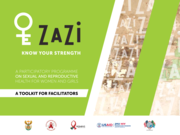
This toolkit has been developed by the ZAZI campaign for use by peer educators, community outreach workers, faith-based organisations, and traditional health practitioners to help facilitate participatory discussions on sexual and reproductive health with women aged between 20 and 49 years of age. T...
