
Filter
2080
Text search:
sexual
violence
against
children
Featured
190
628
Language
2011
56
54
37
22
15
11
8
8
7
7
6
5
5
4
4
4
4
4
4
4
4
4
3
3
3
3
3
3
3
3
3
3
2
2
2
2
2
2
2
2
2
2
1
1
1
1
1
1
1
1
1
1
1
1
1
1
1
1
1
1
Document type
1244
371
170
97
81
38
33
28
7
4
2
1
1
Countries
90
84
70
65
59
52
51
45
45
43
42
40
39
38
35
34
32
32
32
30
29
28
24
21
21
20
20
19
19
18
17
16
15
15
15
14
14
14
11
11
11
11
10
10
10
9
9
9
8
7
7
6
5
5
5
5
5
4
4
4
4
4
4
3
3
3
3
3
3
3
2
2
2
2
2
2
2
2
2
2
2
2
1
1
1
1
1
1
1
1
1
1
1
1
1
1
1
1
1
1
1
1
1
1
Authors & Publishers
157
70
59
59
58
50
40
29
29
24
24
24
23
22
20
20
20
18
18
17
14
13
13
12
11
11
11
11
10
10
10
9
9
9
8
8
8
8
8
8
8
8
8
8
7
7
7
7
6
6
6
6
5
5
5
5
5
5
5
5
5
5
5
5
5
5
5
5
5
5
5
5
5
5
5
5
5
5
5
4
4
4
4
4
4
4
4
4
4
4
4
4
4
4
4
4
4
3
3
3
3
3
3
3
3
3
3
3
3
3
3
3
3
3
3
3
3
3
3
3
3
3
3
3
3
3
3
3
3
3
3
3
3
3
3
3
3
3
3
3
3
3
2
2
2
2
2
2
2
2
2
2
2
2
2
2
2
2
2
2
2
2
2
2
2
2
2
2
2
2
2
2
2
2
2
2
2
2
2
2
2
2
2
2
2
2
2
2
2
2
2
2
2
2
2
2
2
2
2
2
2
2
2
2
2
2
2
2
2
2
2
2
2
2
2
2
2
2
2
2
2
2
2
2
2
2
2
2
2
2
2
2
2
2
2
2
2
2
2
2
2
2
2
2
2
2
2
2
2
2
2
2
2
2
2
2
2
2
2
2
2
2
2
2
2
2
2
2
2
2
2
2
2
1
1
1
1
1
1
1
1
1
1
1
1
1
1
1
1
1
1
1
1
1
1
1
1
1
1
1
1
1
1
1
1
1
1
1
1
1
1
1
1
1
1
1
1
1
1
1
1
1
1
1
1
1
1
1
1
1
1
1
1
1
1
1
1
1
1
1
1
1
1
1
1
1
1
1
1
1
1
1
1
1
1
1
1
1
1
1
1
1
1
1
1
1
1
1
1
1
1
1
1
1
1
1
1
1
1
1
1
1
1
1
1
1
1
1
1
1
1
1
1
1
1
1
1
1
1
1
1
1
1
1
1
1
1
1
1
1
1
1
1
1
1
1
1
1
1
1
1
1
1
1
1
1
1
1
1
1
1
1
1
1
1
1
1
1
1
1
1
1
1
1
1
1
1
1
1
1
1
1
1
1
1
1
1
1
1
1
1
1
1
1
1
1
1
1
1
1
1
1
1
1
1
1
1
1
1
1
1
1
1
1
1
1
1
1
1
1
1
1
1
1
1
1
1
1
1
1
1
1
1
1
1
1
1
1
1
1
1
1
1
1
1
1
1
1
1
1
1
1
1
1
1
1
1
1
1
1
1
1
1
1
1
1
1
1
1
1
1
1
1
1
1
1
1
1
1
1
1
1
1
1
1
1
1
1
1
1
1
1
1
1
1
1
1
1
1
1
1
1
1
1
1
1
1
1
1
1
1
1
1
1
1
1
1
1
1
1
1
1
1
1
1
1
1
1
1
1
1
1
1
1
1
1
1
1
1
1
1
1
1
1
1
1
1
1
1
1
1
1
1
1
1
1
1
1
1
1
1
1
1
1
1
1
1
1
1
1
1
1
1
1
1
1
1
1
1
1
1
1
1
1
1
1
1
1
1
1
1
1
1
1
1
1
1
1
1
1
1
1
1
1
1
1
1
1
1
1
1
1
1
1
1
1
1
1
1
1
1
1
1
1
1
1
1
1
1
1
1
1
1
1
1
1
1
1
1
1
1
1
1
1
1
1
1
1
1
1
1
1
1
1
1
1
1
1
1
1
1
1
1
1
1
1
1
1
1
1
1
1
1
1
1
1
1
1
1
1
1
1
1
1
1
1
1
1
1
1
1
1
1
1
1
1
1
1
1
1
1
1
1
1
1
1
1
1
1
1
1
1
1
1
1
1
1
1
1
1
1
1
1
1
1
1
1
1
1
1
1
1
1
1
1
1
1
1
1
1
1
1
1
1
1
1
1
1
1
1
1
1
1
1
1
1
1
1
1
1
1
1
1
1
1
1
1
1
1
1
1
1
1
1
1
1
1
1
1
1
1
1
1
1
1
1
1
1
1
1
1
1
1
1
1
1
1
1
1
1
1
1
1
1
1
1
1
1
1
1
1
1
1
1
1
1
1
1
1
1
1
1
1
1
1
1
1
1
1
1
1
1
1
1
1
1
1
1
1
1
1
1
1
1
1
1
1
1
1
1
1
1
1
1
1
1
1
1
1
1
1
1
1
1
1
1
1
1
1
1
1
1
1
1
1
1
1
1
1
1
1
1
1
1
1
1
1
1
1
1
1
1
1
1
1
1
1
1
1
1
1
1
1
1
1
1
1
1
1
1
1
1
1
1
1
1
1
1
1
1
1
1
1
1
1
1
1
1
1
1
1
1
1
1
1
1
1
1
1
1
1
1
1
1
1
1
1
1
1
1
1
1
1
1
1
1
1
1
1
1
1
1
1
1
1
1
1
1
1
1
1
1
1
1
1
1
1
1
1
1
1
1
1
1
1
1
1
1
1
1
1
1
1
1
1
1
1
1
1
1
1
1
1
1
1
1
1
1
1
1
1
1
1
1
1
1
1
1
1
1
1
1
1
1
1
1
1
1
1
1
1
1
1
1
1
1
1
1
1
1
1
1
1
1
1
1
1
1
1
1
1
1
1
1
1
1
1
1
1
1
1
1
1
1
1
1
1
1
1
1
1
1
1
1
1
1
1
1
1
1
1
1
1
1
1
1
1
1
1
1
1
1
1
1
1
1
1
1
1
1
1
1
1
1
1
1
1
1
1
1
1
1
1
1
1
1
1
1
1
1
1
1
1
1
1
1
1
1
1
1
1
1
1
1
1
1
1
1
1
1
1
1
1
1
1
1
1
1
1
1
1
1
1
1
1
1
1
1
1
1
1
1
1
1
1
1
1
1
1
1
1
1
1
1
1
1
1
1
1
1
1
1
1
1
1
1
1
1
1
1
1
1
1
1
1
1
1
1
1
1
1
1
1
1
1
1
1
1
1
1
1
1
1
1
1
1
1
1
1
1
1
1
1
1
1
1
1
1
1
1
1
1
1
1
1
1
1
1
1
1
1
1
1
1
1
1
1
1
1
1
1
1
1
1
1
1
1
1
1
1
1
1
1
1
1
1
1
1
1
1
1
1
1
1
1
1
1
1
1
1
1
1
1
1
1
1
1
1
1
1
1
1
1
1
1
1
1
1
1
1
1
1
1
1
1
1
1
1
1
1
1
1
1
1
1
1
1
1
1
1
1
1
1
1
1
1
1
1
1
1
1
1
1
1
1
1
1
1
1
1
1
1
1
1
1
1
1
1
1
1
1
1
1
1
1
1
1
1
1
1
1
1
1
1
1
1
1
1
1
1
1
1
1
1
1
1
1
1
1
1
1
1
1
1
1
1
1
1
1
1
1
1
1
1
1
1
1
1
1
1
1
1
1
1
1
1
1
1
1
1
1
1
1
1
1
1
1
1
1
1
1
1
1
1
1
1
1
1
1
1
1
1
1
1
1
1
1
1
1
1
1
1
1
1
1
1
1
1
1
1
1
1
1
1
1
1
1
1
1
1
1
1
1
1
1
1
1
1
1
1
1
1
1
1
1
1
1
1
1
1
1
1
1
1
1
1
1
1
1
1
1
1
1
1
1
1
1
1
1
1
1
1
1
1
1
1
1
1
1
1
1
1
1
1
1
1
1
1
1
1
1
1
1
1
1
1
1
1
1
1
1
1
1
1
1
1
1
1
1
1
1
1
1
1
1
1
1
1
Publication Years
1
618
1305
151
5
Category
912
219
145
74
48
47
2
Toolboxes
252
154
146
146
130
124
42
37
35
24
23
21
16
9
7
5
4
4
3
3
2
1
1
1
1
1
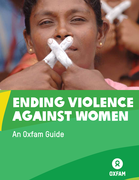
Ending violence against women - an Oxfam Guide
Oxfam
(2012)
C2
What is Violence Against Women? Why does it happen? What does it have to do with development? What does Oxfam do to end violence
...
against women? What does it mean to do that work with a transformative approach?
Available in: English, Arabic, French, Spanish: https://policy-practice.oxfam.org.uk/publications/ending-violence-against-women-an-oxfam-guide-254118
more
This handbook is an adaptation from the WHO Clinical Handbook Health care for women subjected to intimate partner violence or sexual violence devel
...
oped by the World Health Organization (WHO), UN Women and United Nations Population Fund. The handbook draws on the work from professionals who are dedicated to preventing and responding to Gender Based Violence.
The Handbook guides health care service providers to provide comprehensive services to survivors of intimate partner violence and/or sexual violence. It also guides health professionals with respect to relevant stakeholders for referral purposes. The purpose is to ensure that relevant authorities are informed timeously in order act and ensure that those affected by violence receive speedy service as required.
more
Developed as part of the UN Women–WHO Global Joint Programme on Violence Against Women Data, this briefing note focuses on the measurement of violence
...
against women with disability and is one in a series of methodological briefing notes for strengthening the measurement and data collection of violence against particular groups of women or specific aspects of violence against women.
The briefing note is meant for researchers, national statistics offices, and others involved in data collection on violence against women. It provides an overview of the challenges in the availability, measurement, and collection of data on violence against women with disability and outlines recommendations for good practice in measurement, with the aim of strengthening ongoing and future data collection efforts and increasing the availability of such data.
The inclusion of women with disability and the issue of disability within population-based surveys and research on violence against women is necessary for an improved understanding of populations of women at specific risk of violence. This knowledge would also allow more tailored prevention strategies and response/services and programmes to be designed in a way that addresses the specific needs of women with disability.
more
The health system responseto violence against women in the WHO European Region:a baseline assessment
World Health Organization
(2019)
C_WHO
WHO is launching a “Revised edition, 2021” for the Caring for women subjected to violence: A WHO training curriculum for health-care providers today. The revised edition includes 4 new modules three of which are for health managers to assess and
...
strengthen health facility readiness and one module, which is for managers and providers to support prevention of violence against women. The earlier content published in 2019 remains unchanged. The 2021 edition is aimed at creating an enabling health systems environment for health workers to provide quality care to women subjected to violence.
more

Vol 5 No 27 | ISSN 2039-2117 (online) | ISSN 2039-9340 (print) | The rate of sexual victimization of mentally retarded children is alarming and it goes unnoticed because the perpetrators could be pa
...
rents, step- parents, relatives, well-respected individuals by family members, neighbours and educators. Drawing from labelling theory that the mentally retarded have low IQ, majority of perpetrators tend not to get arrested because of lack of evidence. Research indicates that educators struggle to identify the psychological, behavioural and physical symptoms of sexual abuse owing to their limited training. Having employed systematic review as methodology, this research study found that mentally retarded children are prone to HIV/AIDS, PTSD and feelings of helplessness owing to uninvolvement of parents, dysfunctional communities, poverty and their inability to differentiate between abuse and affection. Based on the findings, the recommendations are that: (1) extensive training for professionals, families and community members be executed to protect children with intellectual disability. Furthermore, the rights of the mentally retarded children must be respected in the court of law when reporting sexual abuse.
more
Training Manual and Reference Guide
This briefing note summarizes work undertaken by UN Women and WHO to inform the development of a module on violence against women 60 years and older that can be included in dedicated surveys on
...
violence against women. It provides an overview of the challenges in the availability, measurement, and collection of data on violence against older women. It also makes recommendations to address some of the issues identified, with the aim of strengthening ongoing and future data collection efforts on violence against older women and increasing its availability.
Developed as part of the UN Women–WHO Global Joint Programme on Violence Against Women Data, this methodological briefing note is one in a series that aims to strengthen the measurement and data collection of violence against particular groups of women or specific aspects of violence against women. These briefing notes are meant for researchers, national statistics offices, and others involved in data collection on violence against women. They seek to contribute to strengthening the quality and availability of data on violence against women and enhance global, regional, and national level monitoring of progress towards its elimination.
more

The international reconstruction effort in Afghanistan after 2001 created an opportunity to advance human rights, and women’s and girls’ rights in particular. Although its achievements have fallen short of what was envisioned, significant improvements in legal protections have emerged through th
...
e adoption of new and revised laws, the founding and growth of legal aid organizations, and the training of a cadre of women lawyers, prosecutors, and judges.
more
Refugee 1 men and boys can be subjected to sexual and gender‑based violence (SGBV). Survivors have specific health, psychosocial, legal, and safety needs, but often find it hard to discuss their e
...
xperience and access the support they need. It is important that UNHCR and its partners take steps to address these difficulties. The objectives of this note are to emphasise that programmes on sexual and gender‑based violence need to include men and boys, and to provide guidance on how to access survivors, facilitate reporting, provide protection and deliver essential medical, legal and social services. 2
more
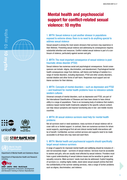
1. MYTH: Sexual violence is just another stressor in populations exposed to extreme stress: there is no need to do anything special to address sexual
...
violence | 2. MYTH: The most important consequence of sexual violence is posttraumatic stress disorder (PTSD) | 3. MYTH. Concepts of mental disorders – such as depression and PTSD – and treatment for mental health problems have no relevance outside western cultures | 4. MYTH: All sexual violence survivors need help for mental health problems | 5. MYTH: Mental health and psychosocial supports should specifically target sexual violence survivors | 6. MYTH: Vertical (stand-alone) specialized services are a priority to meet the needs of sexual violence survivors | 7. MYTH: The most important support is specialized mental health care | 8. Only psychologists and psychiatrists can deliver services for sexual violence survivors | 9. MYTH: Any intervention is better than nothing | 10. MYTH: Only the victim/survivor suffers as a result of sexual violence
more

In the present report, the Special Rapporteur on the sale and sexual exploitation of children, including child prostitution, child pornography and other child
...
sexual abuse material, Mama Fatima Singhateh, focuses on the impact of the coronavirus disease (COVID-19) pandemic on increased risk and various manifestations of sale and sexual exploitation of children. The Special Rapporteur outlines the push and pull factors, protection challenges and good practices, and provides recommendations on measures to address the heightened risks of sale and sexual exploitation of children, both online and offline, during and in the aftermath of the COVID-19 crisis and the ensuing lockdowns.
more
"They burned it all". Destruction of Villages, Killings, and Sexual Violence in Unity State, South Sudan
Human Rights Watch
(2015)
http://www.klinikbewertungen.de/klinik-forum/krankenhaus-suche?selText=&selRadius=bad+kissingen&selFB=kardio
