
Filter
1136
Text search:
Évaluation
des
programmes
Featured
128
284
Language
Document type
572
169
165
95
81
29
18
3
1
1
1
Countries
63
62
47
39
37
35
30
25
24
21
18
18
14
13
13
12
12
11
11
9
9
9
9
9
8
8
8
7
7
7
6
6
6
5
5
5
5
5
4
4
4
4
4
4
3
3
3
3
3
3
2
2
2
2
2
2
2
2
2
1
1
1
1
1
1
1
1
1
1
1
1
1
1
1
1
1
Authors & Publishers
Publication Years
Category
443
164
102
99
97
39
14
Toolboxes
68
53
48
48
40
36
36
35
35
34
32
29
25
21
20
20
18
17
11
10
7
7
6
3
1
The objectives of these WHO guidelines are to provide updated evidence- based recommendations for the treatment of persons with hepatitis C infection using, where possible, all DAA-only combinations. The guidelines also provide recommendations on the preferred regimens based on a patient’s HCV gen
...
WHO guidelines on the pharmacological treatment of persisting pain in children with medical illnesses
WHO Guideline. Since 2010, countries in the meningitis belt have started to introduce a new serogroup A meningococcal conjugate vaccine conferring individual protection and herd immunity. Following the successful roll-out of this vaccine, epidemics due to Neisseria meningitidis serogroup A (NmA) are
...
An international field study by African and German Theologicans and health workers
front cover © Jonathan Hyams/Save the Children

A process for improving community awareness and preparedness for technological hazards and environmental emergencies
Inerim Guidance. These guidelines have been developed in recognition that infection with Zika virus may present a risk to blood safety, and in consideration of the declaration on 1 February 2016 by the WHO Director-General of a Public Health Emergency of International Concern with regard to clusters
...

Economic Issues, Policies and Option for Action
Psychosocial Support and Social and Emotional Learning for Children and Youth in Emergency Settings
recommended
The purpose of this paper is to clarify relevant terminologies and approaches relating to psychosocial well-being and social and emotional learning (SEL) in education in crisis affected contexts, and to explore how psychosocial support (PSS) and social and emotional learning relate to one another.

Health Evidence Network synthesis report 53
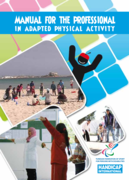
Detailed adapted physical activities are provided with practical guides, group sport guides and assessment tools in order to promote a more inclusive society through sports
