
Filter
1812
Text search:
WHO
Country
Office
for
India
Featured
162
507
Language
Document type
964
379
226
106
56
27
23
15
11
2
1
1
Countries / Regions
239
118
70
46
42
38
32
24
23
20
19
17
16
15
15
14
13
13
13
12
11
11
11
10
9
9
8
7
7
6
6
6
6
6
6
5
5
5
5
5
5
5
4
4
4
4
4
4
4
3
3
3
3
3
3
3
3
3
3
3
3
2
2
2
2
2
2
2
2
2
2
2
2
2
2
2
2
1
1
1
1
1
1
1
1
1
1
1
1
1
1
1
1
1
1
1
1
1
1
1
1
1
1
1
1
1
1
1
1
1
Authors & Publishers
Publication Years
Category
585
162
131
130
117
25
18
Toolboxes
184
121
108
102
88
76
63
50
50
49
39
39
33
32
32
26
21
20
18
15
11
10
10
5
2
2
1
The main objective of this document is to inform and inspire community activists in the EECA region to actively engage in domestic budget advocacy, in order to ensure the sustainability of services and programs for KAPs and to secure funding from na
...
BMJ Global Health 2022;7:e008007. doi:10.1136/ bmjgh-2021-00800
Maldives has made significant strides in the area of infectious disease prevention and control. This is exemplified by elimination of malaria from Maldives in 2015 and successes in TB control. In addition, Maldives is a front runner in infectious disease prevention through successful water, sanitati
...

PLoS Med 15(7): e1002615. https://doi.org/10.1371/journal. pmed.1002615

Driving progress towards rabies elimination: Results of Gavi’s Learning Agenda on rabies and new WHO position on rabies immunization
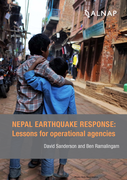
In the aftermath of the April 2015 earthquake in Nepal, this paper looks at lessons drawn from previous comparable disasters and seeks to provide invaluable information and assistance to the operational agencies responding to the crisis.
Abuses against Women and Girls with Psychosocial or Intellectual Disabilities in institutions in India
Lancet Public Health 2018 Published Online September 12, 2018 http://dx.doi.org/10.1016/ S2468-2667(18)30138-5

Independent Monitoring Board of the Global Polio Eradication Initiative (Twelfth Report: October 2015)
The report surveyed 9 leading bilateral and multilateral education donors in respect of their approach to disability-inclusive education.

People with mental disorders in low-income countries are at risk of being left behind during efforts to expand universal health coverage. Aim is to propose context-relevant strategies for moving towards universal health coverage
...
Society first acknowledges a child’s existence and identity
through birth registration. The right to be recognized as
a person before the law is a critical step in ensuring
lifelong protection and is a prerequisite for exercising all
other rig
...
