Filter
2591
Text search:
accountability
report
Featured
221
847
Language
2527
66
48
38
34
16
12
5
4
3
2
2
2
2
2
2
2
2
2
2
1
1
1
1
1
1
1
1
1
1
1
1
1
1
1
1
1
1
1
Document type
1409
463
253
206
166
33
30
22
5
1
1
Countries
150
104
78
78
71
70
62
60
57
54
49
46
43
43
40
39
39
38
37
35
33
27
27
25
22
20
19
17
17
17
16
16
16
15
15
15
15
15
13
13
13
12
10
10
9
9
9
8
8
7
6
6
6
5
5
5
5
5
5
4
4
4
4
4
4
3
3
3
3
3
3
3
3
3
3
3
2
2
2
2
2
2
2
2
2
2
2
2
2
2
1
1
1
1
1
1
1
1
1
1
1
1
1
1
1
1
1
1
1
1
1
1
1
1
1
1
1
1
1
1
1
1
1
1
1
1
1
Authors & Publishers
316
74
71
69
66
64
43
40
35
34
22
21
18
17
16
16
16
15
15
14
12
11
11
11
11
11
11
11
10
10
10
10
10
10
9
9
9
9
8
8
8
8
8
8
8
7
7
7
7
7
7
7
7
7
6
6
6
6
6
6
6
6
6
6
6
5
5
5
5
5
5
5
5
5
5
5
5
5
5
4
4
4
4
4
4
4
4
4
4
4
4
4
4
4
4
4
4
4
4
4
4
4
4
4
4
4
4
4
3
3
3
3
3
3
3
3
3
3
3
3
3
3
3
3
3
3
3
3
3
3
3
3
3
3
3
3
3
3
3
3
3
3
3
3
3
3
3
3
3
3
3
3
3
3
3
3
3
3
3
3
3
3
3
3
3
3
3
3
3
3
3
3
3
3
3
3
3
3
2
2
2
2
2
2
2
2
2
2
2
2
2
2
2
2
2
2
2
2
2
2
2
2
2
2
2
2
2
2
2
2
2
2
2
2
2
2
2
2
2
2
2
2
2
2
2
2
2
2
2
2
2
2
2
2
2
2
2
2
2
2
2
2
2
2
2
2
2
2
2
2
2
2
2
2
2
2
2
2
2
2
2
2
2
2
2
2
2
2
2
2
2
2
2
2
2
2
2
2
2
2
2
2
2
2
2
2
2
2
2
2
2
2
2
2
2
2
2
2
2
2
2
2
2
2
2
2
2
2
2
2
2
2
2
2
2
2
2
2
2
2
2
2
2
2
2
2
1
1
1
1
1
1
1
1
1
1
1
1
1
1
1
1
1
1
1
1
1
1
1
1
1
1
1
1
1
1
1
1
1
1
1
1
1
1
1
1
1
1
1
1
1
1
1
1
1
1
1
1
1
1
1
1
1
1
1
1
1
1
1
1
1
1
1
1
1
1
1
1
1
1
1
1
1
1
1
1
1
1
1
1
1
1
1
1
1
1
1
1
1
1
1
1
1
1
1
1
1
1
1
1
1
1
1
1
1
1
1
1
1
1
1
1
1
1
1
1
1
1
1
1
1
1
1
1
1
1
1
1
1
1
1
1
1
1
1
1
1
1
1
1
1
1
1
1
1
1
1
1
1
1
1
1
1
1
1
1
1
1
1
1
1
1
1
1
1
1
1
1
1
1
1
1
1
1
1
1
1
1
1
1
1
1
1
1
1
1
1
1
1
1
1
1
1
1
1
1
1
1
1
1
1
1
1
1
1
1
1
1
1
1
1
1
1
1
1
1
1
1
1
1
1
1
1
1
1
1
1
1
1
1
1
1
1
1
1
1
1
1
1
1
1
1
1
1
1
1
1
1
1
1
1
1
1
1
1
1
1
1
1
1
1
1
1
1
1
1
1
1
1
1
1
1
1
1
1
1
1
1
1
1
1
1
1
1
1
1
1
1
1
1
1
1
1
1
1
1
1
1
1
1
1
1
1
1
1
1
1
1
1
1
1
1
1
1
1
1
1
1
1
1
1
1
1
1
1
1
1
1
1
1
1
1
1
1
1
1
1
1
1
1
1
1
1
1
1
1
1
1
1
1
1
1
1
1
1
1
1
1
1
1
1
1
1
1
1
1
1
1
1
1
1
1
1
1
1
1
1
1
1
1
1
1
1
1
1
1
1
1
1
1
1
1
1
1
1
1
1
1
1
1
1
1
1
1
1
1
1
1
1
1
1
1
1
1
1
1
1
1
1
1
1
1
1
1
1
1
1
1
1
1
1
1
1
1
1
1
1
1
1
1
1
1
1
1
1
1
1
1
1
1
1
1
1
1
1
1
1
1
1
1
1
1
1
1
1
1
1
1
1
1
1
1
1
1
1
1
1
1
1
1
1
1
1
1
1
1
1
1
1
1
1
1
1
1
1
1
1
1
1
1
1
1
1
1
1
1
1
1
1
1
1
1
1
1
1
1
1
1
1
1
1
1
1
1
1
1
1
1
1
1
1
1
1
1
1
1
1
1
1
1
1
1
1
1
1
1
1
1
1
1
1
1
1
1
1
1
1
1
1
1
1
1
1
1
1
1
1
1
1
1
1
1
1
1
1
1
1
1
1
1
1
1
1
1
1
1
1
1
1
1
1
1
1
1
1
1
1
1
1
1
1
1
1
1
1
1
1
1
1
1
1
1
1
1
1
1
1
1
1
1
1
1
1
1
1
1
1
1
1
1
1
1
1
1
1
1
1
1
1
1
1
1
1
1
1
1
1
1
1
1
1
1
1
1
1
1
1
1
1
1
1
1
1
1
1
1
1
1
1
1
1
1
1
1
1
1
1
1
1
1
1
1
1
1
1
1
1
1
1
1
1
1
1
1
1
1
1
1
1
1
1
1
1
1
1
1
1
1
1
1
1
1
1
1
1
1
1
1
1
1
1
1
1
1
1
1
1
1
1
1
1
1
1
1
1
1
1
1
1
1
1
1
1
1
1
1
1
1
1
1
1
1
1
1
1
1
1
1
1
1
1
1
1
1
1
1
1
1
1
1
1
1
1
1
1
1
1
1
1
1
1
1
1
1
1
1
1
1
1
1
1
1
1
1
1
1
1
1
1
1
1
1
1
1
1
1
1
1
1
1
1
1
1
1
1
1
1
1
1
1
1
1
1
1
1
1
1
1
1
1
1
1
1
1
1
1
1
1
1
1
1
1
1
1
1
1
1
1
1
1
1
1
1
1
1
1
1
1
1
1
1
1
1
1
1
1
1
1
1
1
1
1
1
1
1
1
1
1
1
1
1
1
1
1
1
1
1
1
1
1
1
1
1
1
1
1
1
1
1
1
1
1
1
1
1
1
1
1
1
1
1
1
1
1
1
1
1
1
1
1
1
1
1
1
1
1
1
1
1
1
1
1
1
1
1
1
1
1
1
1
1
1
1
1
1
1
1
1
1
1
1
1
1
1
1
1
1
1
1
1
1
1
1
1
1
1
1
1
1
1
1
1
1
1
1
1
1
1
1
1
1
1
1
1
1
1
1
1
1
1
1
1
1
1
1
1
1
1
1
1
1
1
1
1
1
1
1
1
1
1
1
1
1
1
1
1
1
1
1
1
1
1
1
1
1
1
1
1
1
1
1
1
1
1
1
1
1
1
1
1
1
1
1
1
1
1
1
1
1
1
1
1
1
1
1
1
1
1
1
1
1
1
1
1
1
1
1
1
1
1
1
1
1
1
1
1
1
1
1
1
1
1
1
1
1
1
1
1
1
1
1
1
1
1
1
1
1
1
1
1
1
1
1
1
1
1
1
1
1
1
1
1
1
1
1
1
1
1
1
1
1
1
1
1
1
1
1
1
1
1
1
1
1
1
1
1
1
1
1
1
1
1
1
1
1
1
1
1
1
1
1
1
1
1
1
1
1
1
1
1
1
1
1
1
1
1
1
1
1
1
1
1
1
1
1
1
1
1
1
1
1
1
1
1
1
1
1
1
1
1
1
1
1
1
1
1
1
1
1
1
1
1
1
1
1
1
1
1
1
1
1
1
1
1
1
1
1
1
1
1
1
1
1
1
1
1
1
1
1
1
1
1
1
1
1
1
1
1
1
1
1
1
1
1
1
1
1
1
1
1
1
1
1
1
1
1
1
1
1
1
1
1
1
1
1
1
1
1
1
1
1
1
1
1
1
1
1
1
1
1
1
1
1
1
1
1
1
1
1
1
1
1
1
1
1
1
1
1
1
1
1
1
1
1
1
1
1
1
1
1
1
1
1
1
1
1
1
1
1
1
1
1
1
1
1
1
1
1
1
1
1
1
1
1
1
1
1
1
1
1
1
1
1
1
1
1
1
1
1
1
1
1
1
1
1
1
1
1
1
1
1
1
1
1
1
1
1
1
1
1
1
1
1
1
1
1
1
1
1
1
1
1
1
1
1
1
1
1
1
1
1
1
1
1
1
1
1
1
1
1
1
1
1
1
1
1
1
1
1
1
1
1
1
1
1
1
1
1
1
1
1
1
1
1
1
1
1
1
1
1
1
1
1
1
1
1
1
1
1
1
1
1
1
1
1
1
1
1
1
1
1
1
1
1
1
1
1
1
1
1
1
1
1
1
1
1
1
1
1
1
1
1
1
1
1
1
1
1
1
1
1
1
1
1
1
1
1
1
1
1
1
1
1
1
1
1
1
1
1
1
1
1
1
1
1
1
1
1
1
1
1
1
1
1
1
1
1
1
1
1
1
1
1
1
1
1
1
1
1
1
1
1
1
1
1
1
1
1
1
1
1
1
1
1
1
1
1
1
1
1
1
1
1
1
1
1
1
1
1
1
1
1
1
1
1
1
1
1
1
1
1
1
1
1
1
1
1
1
1
1
1
1
1
1
1
1
1
1
1
1
1
1
1
1
1
1
1
1
1
1
1
1
1
1
1
1
1
1
1
1
1
1
1
1
1
1
1
1
1
1
1
1
1
1
1
1
1
1
1
1
1
1
1
1
1
1
1
1
1
1
1
1
1
1
1
1
1
1
1
1
1
1
1
1
1
1
1
1
1
1
1
1
1
1
1
1
1
1
1
1
1
1
1
1
1
1
1
1
1
1
1
1
1
1
1
1
1
1
1
1
1
1
1
1
1
1
1
1
1
1
1
1
1
1
1
1
1
1
1
1
1
1
1
1
1
1
1
1
1
1
1
1
1
1
1
1
Publication Years
1
826
1601
158
5
Category
1071
302
146
144
81
47
17
3
Toolboxes
166
123
122
111
92
91
89
79
78
71
69
69
64
55
55
47
32
31
27
26
26
13
10
9
8
3
1
A guide for practical implementation in adult and pediatric emergency department and urgent care settings
Summary the modified Delphi process for common structure and process indicators for hospital antimicrobial stewardship programs
Pollack L. A., D. Plachouras, H. Gruhler et al.
Transatlantic Taskforce on Antimicrobial Resistance (TATFAR)
(2015)
C_CDC
The Transatlantic Task Force on Antimicrobial Resistance (TATFAR) fosters cooperation between the European Union (EU) andthe United States (US) on the issue of antimicrobial resistance. The first TATFAR recommendation refers to appropriate use of antimicrobials in human medicine through hospital Ant
...
imicrobial Stewardship Programs (ASPs) and, specifically, to the development of common structure and process indicators of ASP. These indicators should allow characterization of programs and comparisons among healthcare systems in EU and US.
more
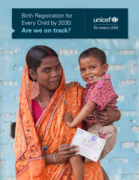
Society first acknowledges a child’s existence and identity
through birth registration. The right to be recognized as
a person before the law is a critical step in ensuring
lifelong protection and is a prerequisite for exercising all
other rights. A birth certificate is proof of that legal ide
...
ntity, and is
the basis upon which children can establish a nationality,
avoid the risk of statelessness and seek protection from
violence and exploitation. For example, proof of age is
needed to help prevent child labour, child marriage and
underage recruitment into the armed forces. A birth
certificate may also be required to access social service
systems, including health, education and justice.
more
Distributing immediate, lifesaving assistance is one of the most urgent actions in an emergency response and can significantly improve the safety and wellbeing of individuals. Non-Food Items (NFI), Food Security, WASH and Shelter in-kind assistance actors can help reduce and mitigate pr
...
otection risks to individuals and communities when conducting distributions.
more
The “United Nations Framework for the immediate socio-economic response to COVID-19: Shared responsibility, global solidarity and urgent action for people in need” calls for protecting jobs, businesses and livelihoods to set in motion a safe recovery of societies and economies as soon as possibl
...
e for a more sustainable, gender-equal, and carbon-neutral path—better than the “old normal”.
more
South Africa reported it fist case of COVID-19 on 5 March 2020. While the first cases were imported, local transmission has led to a rapid increase in the number of cases. As of 21 April 2020, more than 3,400 cases and 58 deaths had been confirmed. On 15 March, President Cyril Ramaphosa declared a n
...
ational state of disaster, and the government has since taken several measures to curb the spread of the virus, including closing borders, implementing strict social distancing measures and a 35-day nation-wide lockdown. These measures, along with the global economic shock caused by the pandemic, are expected to generate rising needs requiring an immediate and urgent response. Although South Africa is considered an upper-middle-income country, the amount of disparities—social, economic, and gender—make the country particularly vulnerable during this emergency.
more
Coronavirus Disease-19 (COVID-19) was declared a global pandemic on 11 March 2020, and Malawi declared its first case on 2 April. As of 30 April, there were 36 confirmed positive cases of COVID-19 and 3 deaths. A State of Disaster was declared by President Arthur Peter Mutharika on 20 March and a 21
...
-day lockdown was implemented from 18 April to 9 May. The lockdown measures include: bans on public gatherings; closure of schools; and bans on international flights and cross-border passenger buses.
more
The Government of Republic of Zambia reported the first confirmed cases of COVID-19 on 18th March 2020. As of April 27th, 2020, there were 89 confirmed cases, three deaths and 42 recoveries. Confirmed cases are located in three provinces: Lusaka (83 cases), Copperbelt province (5 cases) and Central
...
(1 case). Zambia introduced a series of measures including closure of three international airports, closure of all schools, movement restrictions and closure of non-essential services such as restaurant, bar, gym and public gatherings to curb the transmission rate.
more

The arrival of COVID-19 in Afghanistan has brought heartache to millions of people who are now battling a deadly pandemic while simultaneously fighting for their survival amid poverty, disaster and war. Over my three years as Humanitarian Coordinator, I have marvelled at the resilience of the people
...
of this country to cope with the hardships of life in the world’s deadliest conflict – but even this remarkable strength is now being tested by the health, social and economic consequences of COVID-19. The virus is spreading across the country with frightening speed. Every province is now impacted, and people are understandably frightened.
more

Children in every country, every culture and at every social level face various forms of abuse,
neglect, exploitation and violence1. The abuse takes place at home, in school, in institutions,
at work, in the community, in armed conflict and natural disasters. Much violence against
children, such
...
as corporal punishment and sexual abuse, remains legal and socially approved
in many countries. Growing up with violence and abuse seriously affects a child’s development,
dignity, and physical and psychological integrity. Save the Children works to prevent
abuse and neglect from happening, ensure the victims of violence are supported and that
justice is ensured.
more
แนวปฏิบัติในการจัดการความเสี่ยง ดานภาวะฉุกเฉินและความพิการเพื่อสุขภาพ
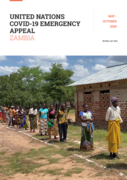
The Government of Republic of Zambia reported the first confirmed cases of COVID-19 on 18th March 2020. As of April 27th, 2020, there were 89 confirmed cases, three deaths and 42 recoveries. Confirmed cases are located in three provinces: Lusaka (83 cases), Copperbelt province (5 cases) and Central
...
(1 case). Zambia introduced a series of measures including closure of three international airports, closure of all schools, movement restrictions and closure of non-essential services such as restaurant, bar, gym and public gatherings to curb the transmission rate.
more
Contact tracing is a key component of the COVID-19 response, particularly as societies begin to lift non-pharmaceutical interventions. However, it is a time-consuming and resource-intensive effort that depends on a trained and motivated workforce. Emergent digital contact tracing and quarantine (
...
DCTQ) tools offer the potential to complement and strengthen conventional contact tracing initiatives on an unprecedented scale. Despite their visibility throughout the pandemic
more
This brief document compiles existing material related to mental health and psychosocial support (MHPSS) for the COVID-19 crisis, as well as other resources that can be applicable to the context. Documents are divided into different sections, based on the ‘’spaces of new vulnerability” inheren
...
t to some IOM programmes although many of them are applicable to other areas. They cover both mainstreaming of MHPSS and specific actions.
MHPSS managers will also find guidance on how to address the less technical and more managerial and programmatic issues related with the pandemic, including programme redefinition, surge capacity and how to manage demands to provide staff support to colleagues in the same missions
more
There is a crucial need to initiate and sustain fistula programs that increase access and strengthen the capacity of the health care system to provide high quality services for repair and care of women living with female genital fistula. Therefore, it is important to pay particular attention to the
...
quality of training, and to proactively determine how this training fits into the health care system. Furthermore, the quality of training is improved by committing adequate resources to ensure competent trainers, able to train and follow-up their trainees. Women with genital fistulae, their families and the community need to have confidence in the health care system. It is therefore necessary to have pro-active discussions about the quality of training with relevant stakeholders. These fistula training guidelines and standards go towards harmonizing the training approach and to improving the quality of training and hence, service delivery.
more
The COVID-19 pandemic has exacerbated and added yet another layer of vulnerability to an already dire web of vulnerabilities of girls in the African continent, which constitute about 49% of the total child population. Critically, gender equality and girls’ multidimensional vulnerability have been
...
accentuated to an unprecedented level. The pandemic has triggered major concerns about the potential reversal of the strides achieved over the years towards gender equality and human development in Africa.
more
This document aims to provide guidance to healthcare facilities and healthcare providers in the European Union/European Economic Area (EU/EEA) and the United Kingdom (UK) on preparedness and infection prevention and control (IPC) measures for the management of possible and confirmed cases of COVID-1
...
9 in healthcare settings, including long-term care facilities (LTCFs). In addition, this document addresses the management of clinical diagnostic specimens at laboratories in the EU/EEA. This is the sixth update of the ECDC guidance on ‘Infection prevention and control and preparedness for COVID-19 in healthcare settings’, and replaces the document dated 6 October 2020.
more