
Filter
853
Text search:
International
Medical
School
Initiative
Featured
Recommendations
56
New Publications
220
Language
Document type
No document type
494
Studies & Reports
170
Guidelines
80
Manuals
49
Strategic & Response Plan
33
Training Material
9
Situation Updates
8
Fact sheets
6
Resource Platforms
2
App
1
Infographics
1
Countries / Regions
Global
40
Kenya
27
India
24
Uganda
17
Nepal
17
Malawi
17
Sierra Leone
16
South Africa
16
Liberia
15
Nigeria
15
Western and Central Europe
15
Ethiopia
14
Latin America and the Carribbean
14
Rwanda
13
Myanmar / Burma
13
Africa
13
Tanzania
11
Ghana
10
Zambia
10
Syria
10
Congo, Democratic Republic of
9
Namibia
9
South Sudan
8
Bangladesh
8
Guinea
7
Ukraine
6
Asia
6
Philippines
5
Lesotho
5
Yemen
5
South–East Asia Region
5
Senegal
4
Cameroon
4
Cambodia
4
Mozambique
4
Eswatini/ Swaziland
4
Botswana
4
Venezuela
4
Haiti
3
Afghanistan
3
Brazil
3
Eastern Europe and Central Asia
3
Russia
3
Burkina Faso
2
USA
2
Zimbabwe
2
Somalia
2
Pakistan
2
Lebanon
2
Chad
2
Indonesia
2
Benin
2
Colombia
2
Eastern Europe
2
Albania
2
Southern Africa
2
Tajikistan
2
Kazakhstan
2
Mali
1
Côte d’Ivoire / Ivory Coast
1
Niger
1
Iraq
1
Jordan
1
Germany
1
Thailand
1
China
1
Singapore
1
Papua New Guinea
1
Sudan
1
Central African Republic
1
Peru
1
Croatia
1
Burundi
1
Honduras
1
Bolivia
1
Libya
1
Angola
1
Mexico
1
Sri Lanka
1
East and Southern Africa
1
Western Pacific Region
1
Palestine
1
Armenia
1
Canada
1
Estonia
1
Moldova
1
Iran
1
Kyrgyzstan
1
Japan
1
Authors & Publishers
Publication Years
Category
Countries
303
Clinical Guidelines
61
Public Health
59
Women & Child Health
52
Key Resources
50
Capacity Building
10
Pharmacy & Technologies
3
Toolboxes
HIV
82
Disability
77
Mental Health
74
COVID-19
55
TB
32
NCDs
28
Planetary Health
27
Caregiver
26
NTDs
26
Conflict
24
AMR
17
Ebola & Marburg
16
Refugee
16
Pharmacy
15
Global Health Education
14
Natural Hazards
12
Health Financing Toolbox
11
Rapid Response
9
Malaria
8
Polio
3
Specific Hazards
3
2.0 Rapid Response
2
Zika
1
Social Ethics
1
The global burden of disease associated with air pollution exposure exacts a massive toll on human health worldwide: exposure to air pollution is estimated to cause millions of deaths and lost years of healthy life annually. The burden of disease attributable to air pollution is now estimated to be
...

Every year, around 830 000 children die from unintentional or "accidental" injuries. The vast majority of these injuries occur in low-income and middle-income countries. However, dozens of prevention strategies and programmes exist. If they were integrated into other child survival programmes and im
...
Vitamin D deficiency is thought to be common among pregnant women, particularly during the winter months, and has been found to be associated with an increased risk of pre-eclampsia, gestational diabetes mellitus, preterm birth, and other tissue-specific conditions.
This guideline is intended for
...
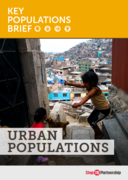
Key Populations Brief
Accessed November 2017
March 2022. This report on good practices to combat AMR focuses on activities across human, animal, and environmental health in European countries. The report provides a description of practices, how they were implemented, achievements, and why the practice was unique.

In 2015, 5.9 million children under age five died (1). The major causes of child deaths globally are pneumonia, prematurity, intrapartum-related complications, neonatal sepsis, congenital anomalies, diarrhoea, injuries and malaria (2). Most of these diseases and conditions are at least partially cau
...
The policy brief focuses on four key areas for intervention - air pollution, energy, transport and food systems. Air pollution causes 7 million deaths annually, and is a leading cause of both NCDs and climate change, thus all interventions to reduce air pollution have a positive impact on both human
...
El presente documento reúne un conjunto de recomendaciones formuladas por la Organización Mundial de la Salud (OMS) y la Organización Panamericana de la Salud (OPS) para ayudar, a los profesionales encargados de los programas de control de vectores de Latinoamérica y el Caribe a nivel nacional,
...
Noncommunicable diseases (NCDs) such as cancer, cardiovascular disease, diabetes and chronic respiratory diseases and their risk factors are an increasing public health and development challenge in Kazakhstan. This report provides evidence through three analyses that NCDs reduce economic output and
...

The "Stories from the field" document by the WHO Regional Office for the Eastern Mediterranean shares effective strategies from the Eastern Mediterranean Region for addressing noncommunicable diseases (NCDs) and mental health challenges, particularly during the COVID-19 pandemic. It highlights regio
...
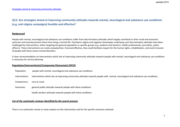
Q13: Are strategies aimed at improving community attitudes towards mental, neurological and substance use conditions (e.g. anti-stigma campaigns) feasible and effective?
· Relevant interventions
· HIV country profiles
· Adolescents country profiles
December 2020 — May 2021
Access to safe blood and blood products is recognized as one of the key requirements for delivery of modern health care in the journey towards health for all. The foundation of safe and sustainable blood supplies depends on the collection of blood from voluntary non-remunerated and low-risk donors.
...

Tuberculosis continues to represent a severe public health problem in the Region of the Americas, even more so in the case of indigenous peoples, whose TB incidence is much higher than that of the general population. To achieve tuberculosis control in these communities, it is necessary to respond t
...
Making the Case for Alcohol as a Public Health Threat in the Region. The purpose of this document is to explain the need for making alcohol a top public health priority in the region and the need for national and regional action. Current evidence-based research shows that alcohol consumption and dri
...
