Filter
1234
Text search:
HIV
expenditure
Featured
Recommendations
74
New Publications
452
Language
Document type
No document type
877
Studies & Reports
182
Guidelines
60
Strategic & Response Plan
57
Manuals
28
Situation Updates
10
Fact sheets
6
Training Material
5
Infographics
4
Resource Platforms
3
Brochures
1
Dashboards/Maps
1
Countries / Regions
India
76
Kenya
74
Global
49
Liberia
42
South Africa
41
Nigeria
38
Uganda
37
Zambia
37
Namibia
37
Sierra Leone
35
Ethiopia
35
Nepal
35
Tanzania
32
Rwanda
32
Malawi
32
Myanmar / Burma
28
Africa
26
Lesotho
24
Bangladesh
22
Western and Central Europe
20
Ghana
18
Cambodia
16
Indonesia
16
Asia
16
Mozambique
13
Botswana
13
Latin America and the Carribbean
13
Zimbabwe
12
Senegal
10
Congo, Democratic Republic of
10
Philippines
9
Eastern Europe
9
Guinea
8
Ukraine
8
South–East Asia Region
7
Haiti
6
Eswatini/ Swaziland
6
Syria
5
East and Southern Africa
5
West and Central Africa
5
Georgia
5
Burkina Faso
4
Cameroon
4
Pakistan
4
Papua New Guinea
4
Benin
4
Middle East and North Africa
4
Russia
4
Moldova
4
Germany
3
Sudan
3
Albania
3
Vietnam
3
Mali
2
South Sudan
2
Jordan
2
Afghanistan
2
China
2
North Macedonia
2
Madagascar
2
Yemen
2
Eastern Europe and Central Asia
2
Armenia
2
Tajikistan
2
Iran
2
Jamaica
2
Japan
2
Saudi Arabia
1
Somalia
1
Iraq
1
Lebanon
1
Egypt
1
Chad
1
Thailand
1
Central African Republic
1
Brazil
1
Serbia
1
Croatia
1
Burundi
1
El Salvador
1
Libya
1
Western Pacific Region
1
Other region
1
Paraguay
1
Venezuela
1
Poland
1
Palestine
1
Djibouti
1
Southern Africa
1
Laos
1
Timor Leste/ East Timor
1
Qatar
1
Kyrgyzstan
1
Kazakhstan
1
North America
1
Turkmenistan
1
Mauritius
1
Portugal
1
Spain
1
Azerbaijan
1
Bosnia and Herzegovina
1
Authors & Publishers
Publication Years
Category
Countries
741
Public Health
60
Clinical Guidelines
33
Key Resources
27
Women & Child Health
23
Capacity Building
3
Pharmacy & Technologies
3
Toolboxes
HIV
117
TB
81
Health Financing Toolbox
53
Mental Health
33
COVID-19
31
AMR
30
Global Health Education
29
Disability
26
NCDs
21
Caregiver
19
Ebola & Marburg
16
Pharmacy
14
Conflict
11
Rapid Response
9
NTDs
9
Planetary Health
7
Refugee
5
Natural Hazards
3
Cholera
2
Polio
2
Specific Hazards
2
Social Ethics
2
Malaria
2
2.0 Rapid Response
2
Zika
1
Noncommunicable diseases (NCDs) – chief among them, cardiovascular diseases (heart disease and stroke), cancer, diabetes and chronic respiratory diseases – along with mental health, cause nearly three quarters of deaths in the world. Their drivers are social, environmental, commercial and geneti
...

This country cooperation strategy (CCS) outlines how the World Health Organization (WHO) will work with the Lao People’s Democratic Republic over the next five years (2024–2028), supporting the implementation of the five-year health sector development plans and the Health Sector Reform Strategy
...
Monitoring the situation of children and women
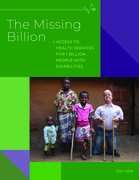
One billion people around the world live with disabilities. This report makes the case that they are being “left behind” in the global community’s work on health. This lack of access not only violates the rights of people with disabilities under international law, but UHC and SDG 3 cannot be a
...
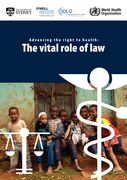
This report aims to raise awareness about the role that the reform of public health laws can play in advancing the right to health and in creating the conditions for people to live healthy lives. By encouraging a better understanding of how public health law can be used to improve the health of the
...
Blueprint for EECA countries, first edition


Background:Neonatal mortality accounts for 43% of global under-five deaths and is decreasing more slowly than maternal or child mortality. Donor funding has increased for maternal, newborn, and child health (MNCH), but no analysis to date has disaggregated aid for newborns. We evaluated if and how a
...
As the culminating volume in the DCP3 series, volume 9 will provide an overview of DCP3 findings and methods, a summary of messages and substantive lessons to be taken from DCP3, and a further discussion of cross-cutting and synthesizing topics across the first eight volumes. The introductory chapte
...

Timor-Leste’s vulnerability to natural hazards means if particular care is not taken in the development of the country’s infrastructure, it will remain at risk to disruption.
Timor-Leste developed the 2008 National Disaster Risk Management Policy, which lays out the government’s vison of ...
Timor-Leste developed the 2008 National Disaster Risk Management Policy, which lays out the government’s vison of ...

In an ambitious new era for health development under the 2030 Agenda for Sustainable Development, WHO and
its partners have a solid foundation of success on which to build. Health plays a fundamental role in development
and is the central focus of Sustainable Development Goal 3, “Ensure healthy
...

Haiti, one of the poorest countries in the world, was devastated by an earthquake in 2010. The disaster uncovered the realities of a non-existent mental health care system with only ten psychiatrists nationwide. Attempts were made to assess the increased prevalence of mental illness, likely due to t
...

The Country Cooperation Strategy is the World Health Organization (WHO)’s reference for country work guiding planning and resource allocation through alignment with national health priorities and harmonization with other development partners. It clarifies roles and functions of WHO in supporting t
...

WHO published and launched the third part of the Wheelchair Service Training Package (WSTP) series consisting of two sub-packages: the Wheelchair Service Training Package for Managers (WSTPm) and the Wheelchair Service Training Package for Stakeholders (WSTPs). WHO recognises that in order to develo
...