Filter
1061
Text search:
interaction
with
disability
Featured
114
213
Language
Document type
662
152
119
73
23
20
4
3
2
2
1
Countries
46
40
24
21
21
19
17
17
16
15
14
14
13
12
12
12
11
11
11
11
11
9
9
9
9
9
8
7
7
7
7
6
6
5
5
5
4
4
4
4
4
3
3
3
3
3
3
3
3
2
2
2
2
2
2
2
2
2
2
1
1
1
1
1
1
1
1
1
1
1
1
1
1
1
1
1
1
1
1
1
1
1
1
1
1
Authors & Publishers
Publication Years
Category
287
90
77
64
62
25
Toolboxes
254
204
45
44
35
33
27
22
19
18
17
16
14
7
7
6
6
6
6
4
3
3
2
1
1

The module is currently available in English, French, Nepali, Portuguese, Russian, and Spanish
The Good Enough Guide
recommended
A set of basic guidelines on how to be accountable to local people and measure program impact in emergency situations. The "good enough" approach emphasizes simple and practical solutions and encourages the user to choose tools that are safe, quick, and easy to implement
Training module

This manual provides guidance for policymakers on the issue of prehospital trauma care systems. The main areas covered include the organisation of the prehospital trauma care system, capacity development, data collection, transportation and communication, as well as ethical and legal considerations
...
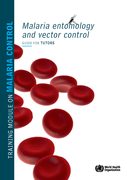
2nd edition. Training module on malaria control

A Trainings Curriculum

Master of Science in Pharmaceutical Management Dissertation

An Easy-Reference Guidebook for Healthcare Providers In Developed and Developing Countries
A Training Curriculum for Multidisciplinary Healthcare Teams. This innovative training package aims to empower multidisciplinary health workers to have the confidence and skills to provide comprehensive, youth-friendly HIV services that support adolescents’ healthy development, psychosocial well b
...
This study examines the gendered impacts of the Ebola virus disease (EVD) in Liberia in the largest outbreak of EVD ever recorded. The findings are based on an extensive two-week desk study and one-week participatory field study conducted in January 2015 in the cities of Monrovia and Buchanan in Lib
...
Advising principles. The purpose of this document is to support competent authorities in charge of IHR implementation to improve national capacities for the prevention, detection and control of events, by strengthening communications and coordination between points of entry and the national health s
...