Filter
1565
Text search:
shortages
Featured
149
451
Language
Document type
720
399
197
93
73
37
24
14
3
2
1
1
1
Countries
80
56
56
48
46
42
42
40
39
36
34
33
30
30
28
25
25
24
24
22
22
21
20
19
19
19
19
18
17
17
16
16
15
14
13
11
11
9
9
9
9
8
7
7
6
6
6
6
5
5
5
5
5
5
5
4
4
4
4
4
4
4
3
3
3
3
3
3
2
2
2
2
2
2
2
2
2
2
2
1
1
1
1
1
1
1
1
1
1
1
1
1
1
1
1
1
1
1
1
1
1
1
1
1
1
1
1
1
1
Authors & Publishers
Publication Years
Category
678
115
68
62
61
17
14
1
Toolboxes
250
106
86
61
58
57
54
44
41
38
36
32
28
28
27
24
16
15
14
13
10
7
6
3
2
2
2


Lancet Glob Health 2020Published OnlineNovember 27, 2020 https://doi.org/10.1016/S2214-109X(20)30449-6
Background paper 7
The Independent Panel for Pandemic Preparedness and Response
May 2021



Glob Health Sci Pract February 1, 2014 vol. 2 no. 1 p. 103-116

- Regional analysis of acute food insecurity: Current situation (February-March 2015)
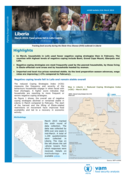
In March, households in Lofa used fewer negative coping strategies than in February. The counties with highest levels of negative coping include Bomi, Grand Cape Mount, Gbarpolu and Lofa.
Negative coping strategies are most frequently used by the poorest households, by those living in Ebola
...
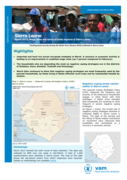
Imported and local rice prices increased modestly in March. A recovery in economic activity is leading to an improvement in unskilled wage rates (up 7 percent compared to February).
The households who are depending the most on negative coping strategies are in the districts of Kailahun, Kon
...
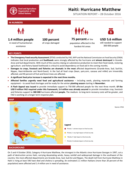
IN NUMBERS
1.4 million people in need of humanitarian assistance
100 percent of crops damaged
75 percent of the population affected in the hardest-hit areas
USD 5.6 million still needed to support 300 000 people