
Filter
2421
Text search:
Save
the
Children
International
Featured
Recommendations
218
New Publications
752
Language
Document type
No document type
1388
Studies & Reports
408
Guidelines
232
Manuals
160
Strategic & Response Plan
107
Training Material
44
Situation Updates
35
Fact sheets
30
Infographics
7
Resource Platforms
6
Brochures
2
Online Courses
2
Countries / Regions
Global
142
Nepal
78
Myanmar / Burma
66
India
61
Bangladesh
58
Sierra Leone
57
Ethiopia
57
Syria
57
Malawi
53
Kenya
47
Nigeria
46
Liberia
43
Uganda
42
South Sudan
35
South Africa
34
Rwanda
30
Western and Central Europe
30
Haiti
28
Mozambique
26
Ukraine
26
Yemen
25
Congo, Democratic Republic of
24
Africa
24
Tanzania
23
Zambia
21
Germany
20
Philippines
19
Indonesia
19
Latin America and the Carribbean
18
Venezuela
18
Central African Republic
16
Eastern Europe
16
Guinea
15
Namibia
15
Ghana
14
Burkina Faso
13
Somalia
12
Afghanistan
12
South–East Asia Region
12
Asia
12
Zimbabwe
11
Cambodia
11
Senegal
10
Lebanon
10
Eswatini/ Swaziland
10
Brazil
10
Colombia
10
West and Central Africa
10
Middle East and North Africa
10
Cameroon
9
Jordan
9
Thailand
9
Lesotho
9
East and Southern Africa
9
China
7
Sri Lanka
7
Vietnam
7
Pakistan
6
Iraq
6
Sudan
6
Botswana
6
Côte d’Ivoire / Ivory Coast
5
Russia
5
Papua New Guinea
4
Western Pacific Region
4
Eastern Europe and Central Asia
4
Mali
3
Guinea-Bissau
3
USA
3
Turkey
3
Benin
3
Peru
3
Greece
3
Libya
3
Bhutan
3
Albania
3
Japan
3
Spain
3
Togo
2
Chad
2
Malaysia
2
Singapore
2
Serbia
2
Burundi
2
Angola
2
Madagascar
2
Italy
2
Iran
2
Kyrgyzstan
2
Turkmenistan
2
Portugal
2
Saudi Arabia
1
Niger
1
Egypt
1
Gambia
1
Hungary
1
Croatia
1
Ecuador
1
El Salvador
1
Bolivia
1
Palestine
1
Mongolia
1
Southern Africa
1
Laos
1
Timor Leste/ East Timor
1
Lithuania
1
Kazakhstan
1
Georgia
1
United Kingdom
1
Azerbaijan
1
Israel
1
Bosnia and Herzegovina
1
Authors & Publishers
Publication Years
Category
Countries
845
Key Resources
265
Women & Child Health
219
Clinical Guidelines
126
Public Health
117
Capacity Building
46
Pharmacy & Technologies
7
Toolboxes
COVID-19
184
Mental Health
168
HIV
142
Conflict
137
Disability
133
Refugee
105
Planetary Health
89
Natural Hazards
82
Ebola & Marburg
70
TB
59
Caregiver
53
Global Health Education
44
NTDs
42
Rapid Response
38
AMR
38
Health Financing Toolbox
33
2.0 Rapid Response
28
Pharmacy
24
NCDs
19
Cholera
17
Malaria
17
Specific Hazards
14
Zika
13
Social Ethics
12
Polio
9
Typhoon
4
South Sudan
1
Anywhere But Syria: How 10 Years of Conflict Left Syria’s Displaced Children Without a Sense of Home
After ten years of war, the vast majority of Syria’s children cannot imagine a future in their country, according to a new report by Save
...
This report addresses the future of basic education, ICT use in deprived locations, and the use of ICTs in primary school learning in 2020 and 2025, especially in deprived contexts. It draws on rese
...
t aims to enable participants to:
know more about children’s reactions to distress
know what psychological first aid for children is and what it is not
understand
...
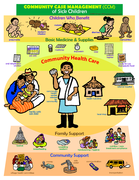
2nd edition. Known as “Community Case Management of Sick Children” (CCM), this approach sends community-based health workers out to find, diagnose, and successfully treat sick children, in partn
...
UNICEF, WHO Whole of Syria Nutrition, Cluster, the Global Nutrition Cluster, the IFE Core Group, and partners call for ALL involved in the response
...
The Return Counselling Toolkit is a capacity-building instrument aimed at providing a harmonized and coherent approach to return counselling, based on key migrant-centred principles while protecting migrants’ rights. Mindful of
...
This document provides a guidance on the importance of consulting with children with disabilities. It provides practical suggestions for consulting with
...
Application for Program Design in the Europe and Eurasia Region

The primary audience of this report with the compendium of resources are youth engagement practitioners in the Red Cross Red Crescent National Soci
...
A MANUAL FOR WASH IMPLEMENTERS, BOTSWANA
Sightsavers | Department for International Development | The International Trachoma Initiative |
...
This guideline consists of two main parts:
i.) Guidelines for Red Cross and Red Crescent national societies on how to start up and engage with other stakeholders in country in rolling out disaster risk reduction (DRR) education and awareness activities for ...
i.) Guidelines for Red Cross and Red Crescent national societies on how to start up and engage with other stakeholders in country in rolling out disaster risk reduction (DRR) education and awareness activities for ...
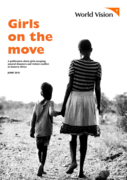
A publication about girls escaping natural disasters and violent conflict in Eastern Africa
Children are on the move. In East Africa region, it is estimated that over 5 million ...
Children are on the move. In East Africa region, it is estimated that over 5 million ...
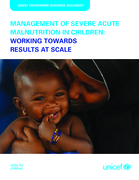
This Guidance Document provides practical assistance to Country Offices scaling up programmes to manage SAM in young children. It outlines a step-by-step process through which countries can analyse their current situation, identify barriers and bott
...
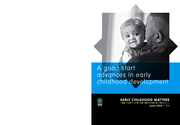
Early Childhood Matters is a journal about early childhood. It looks at specific issues regarding the development of young children, in particular from a psychosocial perspective. It is published tw
...
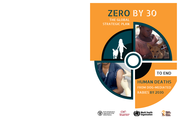
An estimated 59 000 people die from rabies each year. That’s one person every nine minutes of every day, 40% of whom are children living in Asia and Africa. As dog bites cause almost all human cases, we can prevent rabies deaths by increasing awar
...
Nearly 260 000 people died in parts of Somalia between October 2010 and April 2012, including
133 000 children under five during the famine and food crisis in Somalia making it
...
This is an open-access training course for frontline healthcare providers who manage acute illness and injury with limited resources. Produced in response to requests from multiple countries and international partners,
...
This Toolkit is intended to guide humanitarian programme managers and healthcare providers to ensure that sexual and reproductive health interventions put into place both during and after a crisis are responsive to the unique needs of adolescents.
