
Filter
2348
Text search:
Health
Republic
of
South
Africa
Featured
209
572
Language
2274
54
37
23
22
10
8
4
3
2
2
2
1
1
1
1
1
1
1
1
1
1
1
Document type
1192
601
234
117
104
38
25
23
7
4
1
Countries / Regions
157
150
70
65
63
62
57
56
54
46
44
44
41
33
32
31
31
26
25
23
23
23
21
20
20
18
18
17
16
15
15
14
14
13
12
12
12
11
10
9
9
9
9
8
8
7
7
7
7
7
6
6
6
5
5
5
5
5
5
5
5
4
4
4
4
4
4
3
3
3
3
3
3
3
3
3
3
2
2
2
2
2
2
2
2
2
2
2
2
1
1
1
1
1
1
1
1
1
1
1
1
1
1
1
1
1
1
1
1
1
1
1
1
1
1
1
1
1
1
Authors & Publishers
355
134
96
81
72
60
52
51
28
22
22
16
16
16
15
14
11
11
11
11
10
10
10
10
10
9
9
9
9
8
8
8
8
8
7
7
7
7
7
7
7
7
6
6
6
6
6
6
6
6
6
6
6
6
6
6
6
5
5
5
5
5
5
5
5
5
5
5
4
4
4
4
4
4
4
4
4
4
4
4
4
4
4
4
4
4
4
4
4
4
4
3
3
3
3
3
3
3
3
3
3
3
3
3
3
3
3
3
3
3
3
3
3
3
3
3
3
3
3
3
3
3
3
3
3
3
3
3
3
3
3
3
3
3
3
3
2
2
2
2
2
2
2
2
2
2
2
2
2
2
2
2
2
2
2
2
2
2
2
2
2
2
2
2
2
2
2
2
2
2
2
2
2
2
2
2
2
2
2
2
2
2
2
2
2
2
2
2
2
2
2
2
2
2
2
2
2
2
2
2
2
2
2
2
2
2
2
2
2
2
2
2
2
2
2
2
2
2
2
2
2
2
2
2
2
2
2
2
2
2
2
2
2
2
2
2
2
2
2
2
2
2
2
2
2
2
2
2
2
2
2
2
2
2
2
2
2
2
2
2
2
2
2
2
2
2
2
2
2
2
2
2
2
2
2
2
2
2
2
2
1
1
1
1
1
1
1
1
1
1
1
1
1
1
1
1
1
1
1
1
1
1
1
1
1
1
1
1
1
1
1
1
1
1
1
1
1
1
1
1
1
1
1
1
1
1
1
1
1
1
1
1
1
1
1
1
1
1
1
1
1
1
1
1
1
1
1
1
1
1
1
1
1
1
1
1
1
1
1
1
1
1
1
1
1
1
1
1
1
1
1
1
1
1
1
1
1
1
1
1
1
1
1
1
1
1
1
1
1
1
1
1
1
1
1
1
1
1
1
1
1
1
1
1
1
1
1
1
1
1
1
1
1
1
1
1
1
1
1
1
1
1
1
1
1
1
1
1
1
1
1
1
1
1
1
1
1
1
1
1
1
1
1
1
1
1
1
1
1
1
1
1
1
1
1
1
1
1
1
1
1
1
1
1
1
1
1
1
1
1
1
1
1
1
1
1
1
1
1
1
1
1
1
1
1
1
1
1
1
1
1
1
1
1
1
1
1
1
1
1
1
1
1
1
1
1
1
1
1
1
1
1
1
1
1
1
1
1
1
1
1
1
1
1
1
1
1
1
1
1
1
1
1
1
1
1
1
1
1
1
1
1
1
1
1
1
1
1
1
1
1
1
1
1
1
1
1
1
1
1
1
1
1
1
1
1
1
1
1
1
1
1
1
1
1
1
1
1
1
1
1
1
1
1
1
1
1
1
1
1
1
1
1
1
1
1
1
1
1
1
1
1
1
1
1
1
1
1
1
1
1
1
1
1
1
1
1
1
1
1
1
1
1
1
1
1
1
1
1
1
1
1
1
1
1
1
1
1
1
1
1
1
1
1
1
1
1
1
1
1
1
1
1
1
1
1
1
1
1
1
1
1
1
1
1
1
1
1
1
1
1
1
1
1
1
1
1
1
1
1
1
1
1
1
1
1
1
1
1
1
1
1
1
1
1
1
1
1
1
1
1
1
1
1
1
1
1
1
1
1
1
1
1
1
1
1
1
1
1
1
1
1
1
1
1
1
1
1
1
1
1
1
1
1
1
1
1
1
1
1
1
1
1
1
1
1
1
1
1
1
1
1
1
1
1
1
1
1
1
1
1
1
1
1
1
1
1
1
1
1
1
1
1
1
1
1
1
1
1
1
1
1
1
1
1
1
1
1
1
1
1
1
1
1
1
1
1
1
1
1
1
1
1
1
1
1
1
1
1
1
1
1
1
1
1
1
1
1
1
1
1
1
1
1
1
1
1
1
1
1
1
1
1
1
1
1
1
1
1
1
1
1
1
1
1
1
1
1
1
1
1
1
1
1
1
1
1
1
1
1
1
1
1
1
1
1
1
1
1
1
1
1
1
1
1
1
1
1
1
1
1
1
1
1
1
1
1
1
1
1
1
1
1
1
1
1
1
1
1
1
1
1
1
1
1
1
1
1
1
1
1
1
1
1
1
1
1
1
1
1
1
1
1
1
1
1
1
1
1
1
1
1
1
1
1
1
1
1
1
1
1
1
1
1
1
1
1
1
1
1
1
1
1
1
1
1
1
1
1
1
1
1
1
1
1
1
1
1
1
1
1
1
1
1
1
1
1
1
1
1
1
1
1
1
1
1
1
1
1
1
1
1
1
1
1
1
1
1
1
1
1
1
1
1
1
1
1
1
1
1
1
1
1
1
1
1
1
1
1
1
1
1
1
1
1
1
1
1
1
1
1
1
1
1
1
1
1
1
1
1
1
1
1
1
1
1
1
1
1
1
1
1
1
1
1
1
1
1
1
1
1
1
1
1
1
1
1
1
1
1
1
1
1
1
1
1
1
1
1
1
1
1
1
1
1
1
1
1
1
1
1
1
1
1
1
1
1
1
1
1
1
1
1
1
1
1
1
1
1
1
1
1
1
1
1
1
1
1
1
1
1
1
1
1
1
1
1
1
1
1
1
1
1
1
1
1
1
1
1
1
1
1
1
1
1
1
1
1
1
1
1
1
1
1
1
1
1
1
1
1
1
1
1
1
1
1
1
1
1
1
1
1
1
1
1
1
1
1
1
1
1
1
1
1
1
1
1
1
1
1
1
1
1
1
1
1
1
1
1
1
1
1
1
1
1
1
1
1
1
1
1
1
1
1
1
1
1
1
1
1
1
1
1
1
1
1
1
1
1
1
1
1
1
1
1
1
1
1
1
1
1
1
1
1
1
1
1
1
1
1
1
1
1
1
1
1
1
1
1
1
1
1
1
1
1
1
1
1
1
1
1
1
1
1
1
1
1
1
1
1
1
1
1
1
1
1
1
1
1
1
1
1
1
1
1
1
1
1
1
1
1
1
1
1
1
1
1
1
1
1
1
1
1
1
1
1
1
1
1
1
1
1
1
1
1
1
1
1
1
1
1
1
1
1
1
1
1
1
1
1
1
1
1
1
1
1
1
1
1
1
1
1
1
1
1
1
1
1
1
1
1
1
1
1
1
1
1
1
1
1
1
1
1
1
1
1
1
1
1
1
1
1
1
1
1
1
1
1
1
1
1
1
1
1
1
1
1
1
1
1
1
1
1
1
1
1
1
1
1
1
1
1
1
1
1
1
1
1
1
1
1
1
1
1
1
1
1
1
1
1
1
1
1
1
1
1
1
1
1
1
1
1
1
1
1
1
1
1
1
1
1
1
1
1
1
1
1
1
1
1
1
1
1
1
1
1
1
1
1
1
1
1
1
1
1
1
1
1
1
1
1
1
1
1
1
1
1
1
1
1
1
1
1
1
1
1
1
1
1
1
1
1
1
1
1
1
1
1
1
1
1
1
1
1
1
1
1
1
1
1
1
1
1
1
1
1
1
1
1
1
1
1
1
1
1
1
1
1
1
1
1
1
1
1
1
1
1
1
1
1
1
1
1
1
1
1
1
1
1
1
1
1
1
1
1
1
1
1
1
1
1
1
1
1
1
1
1
1
1
1
1
1
1
1
1
1
1
1
1
1
1
1
1
1
1
1
1
1
1
1
1
1
1
1
1
1
1
1
1
1
1
1
1
1
1
1
1
1
1
1
1
1
1
1
1
1
1
1
1
1
1
1
1
1
1
1
1
1
1
1
1
1
1
1
1
1
1
1
1
1
1
1
1
1
1
1
1
1
1
1
1
1
1
1
1
1
1
1
1
1
1
1
1
1
1
1
1
1
1
1
1
1
1
1
1
1
1
1
1
1
1
1
1
1
1
1
1
1
1
1
1
1
1
1
1
1
1
1
1
1
1
1
1
1
1
1
1
1
1
1
1
1
1
1
1
1
1
1
1
1
1
1
1
1
1
1
1
1
1
1
1
1
1
1
1
1
1
1
1
1
1
1
1
1
1
1
1
1
1
1
1
1
1
1
1
1
1
1
1
1
1
1
1
1
1
1
1
1
1
1
1
1
1
1
1
1
1
1
1
1
1
1
1
1
1
1
1
1
1
1
1
1
1
1
1
1
1
1
1
1
1
1
1
1
1
1
1
1
1
1
1
1
1
1
1
1
1
1
1
1
1
1
1
1
1
1
1
1
1
1
1
1
1
1
1
1
1
1
1
1
1
1
1
1
1
1
1
1
1
1
1
1
1
1
1
1
1
1
1
1
1
1
1
1
1
1
1
1
1
1
1
1
1
1
1
1
1
1
1
1
1
1
1
1
1
1
1
1
1
1
1
1
1
1
1
1
1
1
1
1
1
1
1
1
1
1
1
1
1
1
1
1
1
1
1
1
1
1
1
1
1
1
1
1
1
1
1
1
1
1
1
1
1
1
1
1
1
1
1
1
1
1
1
1
1
1
1
1
1
1
1
1
1
1
1
1
1
1
1
1
1
1
1
1
1
1
1
1
1
1
1
1
1
1
1
1
1
1
Publication Years
803
1381
157
6
1
Category
788
163
149
146
137
38
23
Toolboxes
189
182
178
130
105
103
97
87
75
61
60
50
48
41
40
37
34
33
26
25
25
18
16
5
4
2
1
National Plague Control Guidelines
recommended
Accessed Oktober 18, 2017

Uganda is Africa's largest refugee-hosting country and ranks fifth globally. Over the decades, Uganda has hosted refugees from nations including South Sudan, the Democratic
...
Republic of Congo, Eritrea, Somalia, Sudan, Burundi, and Rwanda. As of early 2024, it hosts 1 600 000 refugees, primarily in refugee settlements in northern and southwestern Uganda, and in Kampala City. Thirteen districts accommodate 94% of these refugees.
The World Health Organization (WHO) and Uganda’s Ministry of Health conducted a joint review mission to provide a comprehensive overview of the health system's response. The aim was to understand service delivery challenges and identify opportunities to further support Uganda in strengthening health system capacity and ensuring continued access to health services for refugees, migrants and host communities.
more
Many African countries were amongst the most rapid to respond to the emerging threat of COVID-19, implementing large-scale interventions at very early stages of their epidemic. As demonstrated in th
...
is document using very simple models, this rapid mobilization and timeliness of implementing control measures is likely to be an important determinant of their success. Indeed, as these measures were relaxed, subsequent waves of disease have been observed in many countries including South Africa, Kenya, Tunisia, Morocco, Sudan and the Democratic Republic of Congo (DRC) where such waves have severely impacted the health system by straining the supply of oxygen and ICU beds and inflicting a heavy toll on healthcare workers, often necessitating the re-imposition of control measures.
more
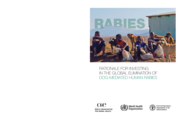
Rabies is a global public health problem with important socioeconomic impacts. Human rabies is preventable; almost all cases are transmitted through the bite of a rabid dog. Elimination
...
of human rabies is possible. Technical support and tools are available. This report covers:
- Why investment is needed: key rationale.
- Investment purpose: global elimination of rabies.
- Investment in action: four case examples in Philippines, Kwa-Zulu Natal, South Africa, United Republic of Tanzania, Bangladesh.
- Summary results of case examples: Programme similarities and differences, and Health impact success stories from case examples. more
- Why investment is needed: key rationale.
- Investment purpose: global elimination of rabies.
- Investment in action: four case examples in Philippines, Kwa-Zulu Natal, South Africa, United Republic of Tanzania, Bangladesh.
- Summary results of case examples: Programme similarities and differences, and Health impact success stories from case examples. more

Uganda hosts approximately 1.1 million refugees making it Africa’s largest refugee hosting country and one of the five largest refugee hosting countries in the world. Most recently, throughout 201
...
6- 2018, Uganda was impacted by three parallel emergencies from South Sudan, the Democratic Republic of the Congo (DRC), and Burundi. In view of the on-going conflicts and famine
vulnerabilities in the Great Lakes Region, more refugee influxes and protracted refugee situations are anticipated in the foreseeable future. The unprecedented mass influx of refugees into Uganda in 2016-2018 has put enormous pressure on
the country’s basic service provision, in particular health and education services. Refugees share all social services with the local host communities. The refugee hosting districts are among the least developed districts in the country, and thus the additional refugee population is putting a high strain on already limited resources.
more
Supportive supervision is considered critical to community health worker programme performance, but there is relatively little understanding of how it can be sustainably done at scale. Supportive su
...
pervision is a holistic concept that encompasses three key functions: management (ensuring performance), education (promoting development) and support (responding to needs and problems). Drawing on the experiences of the ward-based outreach team (WBOT) strategy, South Africa’s national community health worker (CHW) programme, this paper explores and describes approaches to supportive supervision in policy and programme guidelines and how these are implemented in supervision practices in the North West Province, an early adopter of the WBOT strategy. Outreach teams typically consist of six CHWs plus a nurse outreach team leader (OTL).
more
Petersenet al.International Journal of Mental Health Systems2011,5:8http://www.ijmhs.com/content/5/1/8
In the light of the transmissibility of coronaviruses, and the global experience with MERS-CoV (ongoing) and SARS in 2003 which were also caused by coronaviruses,
...
South African authorities have compiled this guideline document to support surveillance, case finding, diagnosis, management and public health responses to cases under investigation.
*Please note*
The interim guidelines are based on what is currently known about the Coronavirus Disease 2019 (COVID-19). The National Department of Health (NDOH) and National Institute for Communicable Diseases will update these interim guidelines as needed and as additional information becomes available.
more
The Ministry of Health and Social Services achnowledges that approximately half the population of the global
...
south live in rural areas and that these areas are only served by 38% of health workers. It is against this background that the Ministry conducted this study on order to estimate the number of health workers required in the country and thus ensure health coverage to all Namibians towards achieving Universal Health Coverage.
more
Child and adolescent mental health policy in South Africa: history, current policy development and implementation, and policy analysis
S. Mokitimi; M. Schneider; P. J. de Vries
International Journal of Mental Health Systems; BioMed Central
(2018)
CC
Mental health problems represent the greatest global burden of disease among children and adolescents. There is, however, lack of policy developmen
...
t and implementation for child and adolescent mental health (CAMH), particularly in low- and middle-income countries (LMICs) where children and adolescents represent up to 50% of populations. South Africa, an upper-middle income country is often regarded as advanced in health and social policy-making and implementation in comparison to other LMICs. It is, however, not clear whether this is the case for CAMH.
more

Non-Communicable Diseases (NCDs), including mental disorders, currently pose one of the biggest threats to health and development globally, particularly in low and middle income countries2. It is pr
...
edicted that unless proven interventions are rapidly implemented in countries, in the short to medium term, health care costs will increase exponentially and severe negative consequences will ensue not only to individuals and families but to whole societies and economies. NCDs are already a major burden in South Africa, but without added rigorous and timely action the health and development consequences may well become catastrophic. Immediate and additional, high quality, evidence based and focussed interventions are needed to promote health, prevent disease and provide more effective and equitable care and treatment for people living with NCDs at all levels of the health system. The problem is further compounded by the rising global prevalence of multi-morbidity (defined as the coexistence of two or more chronic diseases in one individual).
more

PERC produces regional and member state situation analyses, updated regularly.
Integrating Clinical Research into Epidemic Response: The Ebola Experience
Gerald Keusch, Keith McAdam, Patricia Cuff, Michelle Mancher, and Emily R. Busta
National Academies of Sciences, Engineering, and Medicine
(2017)
C1
The 2014–2015 Ebola epidemic in western Africa was the longest and most deadly Ebola epidemic in history, resulting in 28,616 cases and 11,310 deaths in Guinea, Liberia, and Sierra Leone. The Ebola virus has been known since 1976, when two separat
...
e outbreaks were identified in the Democratic Republic of Congo (then Zaire) and South Sudan (then Sudan). However, because all Ebola outbreaks prior to that in West Africa in 2014–2015 were relatively isolated and of short duration, little was known about how to best manage patients to improve survival, and there were no approved therapeutics or vaccines. When the World Heath Organization declared the 2014-2015 epidemic a public health emergency of international concern in August 2014, several teams began conducting formal clinical trials in the Ebola affected countries during the outbreak.
more
Report of the WHO/Bill & Melinda Gates Foundation Consultation. The Consultation was organized back-to-back with the first annual meeting of the International Coordinating Group
...
of the BMGF-funded project for human and dog rabies elimination in developing countries, held at WHO headquarters, Geneva, Switzerland, from 5 to 7 October 2009. This allowed the Consultation to benefit from the participation of the national coordinators and advisers of the BMGF-funded projects in the Philippines, South Africa (KwaZulu-Natal) and the United Republic of Tanzania
more
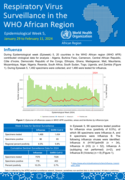
During Epidemiological week (Epiweek) 5, 20 countries in the WHO African region (WHO AFR) contributed virological data for analysis - Algeria, Burkina Faso, Cameroon, Central African Republic, Côte d’Ivoire, Democratic
...
Republic of the Congo, Ethiopia, Ghana, Madagascar, Mali, Mauritania, Mozambique, Niger, Nigeria, Rwanda, South Africa, South Sudan, Togo, Uganda, and Zambia
more
