Filter
8082
Text search:
partners
Featured
Recommendations
642
New Publications
2364
Language
Document type
No document type
4649
Studies & Reports
1276
Guidelines
835
Manuals
390
Strategic & Response Plan
383
Fact sheets
166
Situation Updates
147
Training Material
115
Resource Platforms
46
Infographics
30
Brochures
24
Online Courses
11
Videos
4
Dashboards/Maps
3
App
3
Countries / Regions
Global
352
Kenya
264
India
229
Sierra Leone
211
Ethiopia
201
Uganda
200
Nigeria
187
Liberia
178
Nepal
172
Myanmar / Burma
165
Zambia
145
Syria
143
Malawi
140
Rwanda
139
Bangladesh
132
Tanzania
124
Africa
123
South Africa
116
Congo, Democratic Republic of
103
Ukraine
102
Ghana
101
Western and Central Europe
101
Namibia
95
South Sudan
94
Philippines
73
Lesotho
70
Latin America and the Carribbean
68
Zimbabwe
67
Haiti
65
Mozambique
63
Cambodia
62
Guinea
57
Yemen
57
South–East Asia Region
51
East and Southern Africa
49
Senegal
48
Asia
47
West and Central Africa
45
Indonesia
44
Eastern Europe
40
Burkina Faso
37
Afghanistan
37
Germany
37
Cameroon
36
Pakistan
36
Venezuela
36
Lebanon
35
Botswana
35
Middle East and North Africa
34
Central African Republic
33
Russia
29
Mali
27
Somalia
25
Jordan
25
Brazil
25
Eswatini/ Swaziland
23
Sudan
22
Benin
19
Colombia
19
Eastern Europe and Central Asia
18
Thailand
17
Madagascar
17
Western Pacific Region
17
Vietnam
17
Iraq
16
Côte d’Ivoire / Ivory Coast
15
Laos
14
Tajikistan
14
Moldova
14
China
12
Palestine
12
Albania
12
USA
11
Niger
11
Togo
11
Peru
11
Angola
11
Sri Lanka
11
Turkey
10
Libya
10
Georgia
9
Chad
8
Burundi
8
Gambia
7
Papua New Guinea
7
North Macedonia
7
Greece
7
Timor Leste/ East Timor
7
Guinea-Bissau
6
Mexico
6
Iran
6
Jamaica
6
Egypt
5
Serbia
5
Bolivia
5
Armenia
5
Romania
5
Kyrgyzstan
5
United Kingdom
5
Hungary
4
Honduras
4
Poland
4
Southern Africa
4
Kazakhstan
4
North America
4
Turkmenistan
4
Portugal
4
Morocco
3
Mauritania
3
Vanuatu
3
Argentina
3
Switzerland
3
Croatia
3
El Salvador
3
Paraguay
3
Bhutan
3
Tunisia
3
Spain
3
Belarus
3
Saudi Arabia
2
Malaysia
2
Dominican Republic
2
Ecuador
2
Guatemala
2
Nicaragua
2
Chile
2
North Korea
2
Djibouti
2
Bulgaria
2
Japan
2
Mauritius
2
Azerbaijan
2
Israel
2
Ireland
1
Austria
1
Cape Verde
1
Fiji
1
Solomon Islands
1
Italy
1
Mongolia
1
Canada
1
Qatar
1
Estonia
1
Lithuania
1
Slovakia
1
Uzbekistan
1
Gabon
1
Denmark
1
Belgium
1
France
1
Maldives
1
Norway
1
Algeria
1
French Guyana
1
Bosnia and Herzegovina
1
Latvia
1
Belize
1
Costa Rica
1
Guyana
1
Panama
1
Authors & Publishers
Publication Years
Category
Countries
3224
Key Resources
535
Women & Child Health
427
Clinical Guidelines
412
Public Health
353
Capacity Building
161
Pharmacy & Technologies
43
Annual Report MEDBOX
3
Toolboxes
HIV
778
COVID-19
550
Mental Health
413
TB
352
Conflict
340
Disability
314
Ebola & Marburg
298
Planetary Health
239
Refugee
197
NTDs
190
Caregiver
173
Rapid Response
166
AMR
162
Natural Hazards
149
Global Health Education
123
Health Financing Toolbox
113
Malaria
103
2.0 Rapid Response
96
Pharmacy
86
Cholera
74
Zika
73
NCDs
67
Polio
54
Social Ethics
29
Specific Hazards
28
Typhoon
14
South Sudan
2
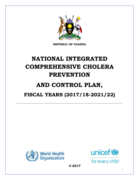
The National Integrated Comprehensive Cholera Prevention and Control Plan (2017-2022) outlines Uganda's strategy to reduce cholera cases and mortality by 50% by 2022. The plan focuses on improving access to clean water, sanitation, and hygiene (WASH), strengthening disease surveillance, enhancing ca
...

Over the period 2015 to 2019, scaling up a package of selected nutrition-specific and nutrition sensitive interventions to cover 90 per cent of Sudan would:
- Reduce the under-five mortality rate to 49/1,000 live births
- Reduce the prevalence of stunting to 25 per cent
- Reduce the ...
- Reduce the under-five mortality rate to 49/1,000 live births
- Reduce the prevalence of stunting to 25 per cent
- Reduce the ...
This Rapid Communication aims to inform national TB programmes and other stakeholders about the key implications of the latest evidence on the use of specific molecular assays as initial diagnostic tests of pulmonary and extrapulmonary TB and RR-TB, in adults and children.

The RTA covered UNICEF’s response to COVID-19 from March 2020 – when WHO declared the disease a pandemic – until January 2021. Further, the RTA applied a broad and cross-cutting lens to all 21 UNICEF county offices across the region, focusing on six case study countries: Kenya, Madagascar, Nam
...
The leishmaniases are a group of diseases caused by Leishmania spp., which occur in cutaneous, mucocutaneous and visceral forms. They are neglected tropical diseases (NTDs), which disproportionately affect marginalized populations who have limited access to health care. HIV co-infected patients with
...

The Cholera Q&A Fact Sheet provides essential information about cholera, including its causes, symptoms, treatment, and prevention. Cholera is an acute diarrheal disease caused by Vibrio cholerae, which spreads through contaminated water and food. It leads to rapid dehydration and can be fatal if un
...
These guidelines have been prepared by the Sub directorate: Maternal Health for the guidance of health workers (doctors and midwives) providing obstetric, surgical and anaesthetic services for pregnant women in district clinics, health centres and district hospitals. These guidelines are intended fo
...

The purpose of cancer screening tests is to detect pre-cancer or early-stage cancer in asymptomatic individuals so that timely diagnosis and early treatment can be offered, where this treatment can lead to better outcomes for some people.
The aim of a cancer screening programme is either to reduc
...
The adoption and the entry into force of the Convention on the Rights of Persons with Disabilities and its Optional Protocol challenge such attitudes and mark a profound shift in existing approaches towards disability.

The European Commission against Racism and Intolerance (ECRI) was established by the Council of Europe. It is an independent body which ensures respect for human rights in the fight against racism, discrimination (based on "race", ethnic/national origin, colour, nationality, religion, language, sexu
...
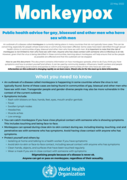
An outbreak of a disease called monkeypox is currently taking place in many countries that do not typically have cases. This can beconcerning, especially for people whose loved ones or community have been affected. Some cases have been identified through sexual health clinics in communities of gay,
...

Infectious disease outbreaks are frequently characterized by scientific uncertainty, social and institutional disruption, and an overall climate of fear and distrust. Policy makers and public health professionals may be forced to weigh and prioritize potentially competing ethical values in the face
...