
Filter
7400
Text search:
impact
assessment
Featured
701
1857
Language
6995
299
181
164
101
71
62
28
14
10
7
6
6
6
6
5
5
5
5
5
4
4
4
4
3
3
3
3
3
3
3
3
3
3
3
2
2
2
2
2
2
2
2
2
2
1
1
1
1
1
1
1
1
1
1
1
1
1
1
1
1
1
Document type
3658
1439
1079
490
347
149
115
70
27
9
8
5
1
Countries
392
224
192
153
147
147
142
138
136
129
126
122
110
103
101
97
94
94
90
83
80
77
69
63
60
52
51
49
47
46
43
42
40
40
39
39
37
36
32
31
30
30
29
29
28
26
26
26
25
23
23
23
23
19
19
17
16
16
16
16
16
13
13
12
12
12
11
11
10
10
9
9
8
8
8
7
7
7
7
7
6
6
6
6
6
6
6
5
5
5
5
5
5
5
5
5
5
5
4
4
4
4
4
4
4
4
4
4
3
3
3
3
3
3
3
3
3
3
3
3
3
3
2
2
2
2
2
2
2
2
2
2
2
2
2
1
1
1
1
1
1
1
1
1
1
1
1
1
1
1
1
1
1
1
1
1
1
Authors & Publishers
1132
319
235
197
193
120
115
111
72
71
63
61
39
37
36
34
34
34
32
29
28
25
25
24
24
24
23
23
23
22
22
21
21
21
21
20
20
20
20
19
18
18
18
18
17
17
17
16
16
16
16
16
16
16
15
15
15
15
15
14
14
14
14
14
14
14
13
13
13
13
13
12
12
12
12
12
11
11
11
11
11
11
11
11
11
10
10
10
10
10
10
10
10
10
9
9
9
9
9
9
9
9
9
9
9
9
8
8
8
8
8
8
8
8
8
8
8
8
7
7
7
7
7
7
7
7
7
7
7
7
7
7
7
7
7
7
7
7
7
7
7
7
7
7
7
7
6
6
6
6
6
6
6
6
6
6
6
6
6
6
6
6
6
6
6
6
6
6
6
6
6
6
6
6
6
6
6
6
6
6
6
6
6
5
5
5
5
5
5
5
5
5
5
5
5
5
5
5
5
5
5
5
5
5
5
5
5
5
5
5
5
5
5
5
5
5
5
5
5
5
5
5
5
5
5
5
5
5
5
5
5
5
5
4
4
4
4
4
4
4
4
4
4
4
4
4
4
4
4
4
4
4
4
4
4
4
4
4
4
4
4
4
4
4
4
4
4
4
4
4
4
4
4
4
4
4
4
4
4
4
4
4
4
4
4
4
4
4
4
4
4
4
4
4
4
4
4
4
4
4
4
4
4
3
3
3
3
3
3
3
3
3
3
3
3
3
3
3
3
3
3
3
3
3
3
3
3
3
3
3
3
3
3
3
3
3
3
3
3
3
3
3
3
3
3
3
3
3
3
3
3
3
3
3
3
3
3
3
3
3
3
3
3
3
3
3
3
3
3
3
3
3
3
3
3
3
3
3
3
3
3
3
3
3
3
3
3
3
3
3
3
3
3
3
3
3
3
3
3
3
3
3
3
3
3
3
3
3
3
3
3
3
3
3
3
3
3
3
3
3
3
3
3
3
3
3
2
2
2
2
2
2
2
2
2
2
2
2
2
2
2
2
2
2
2
2
2
2
2
2
2
2
2
2
2
2
2
2
2
2
2
2
2
2
2
2
2
2
2
2
2
2
2
2
2
2
2
2
2
2
2
2
2
2
2
2
2
2
2
2
2
2
2
2
2
2
2
2
2
2
2
2
2
2
2
2
2
2
2
2
2
2
2
2
2
2
2
2
2
2
2
2
2
2
2
2
2
2
2
2
2
2
2
2
2
2
2
2
2
2
2
2
2
2
2
2
2
2
2
2
2
2
2
2
2
2
2
2
2
2
2
2
2
2
2
2
2
2
2
2
2
2
2
2
2
2
2
2
2
2
2
2
2
2
2
2
2
2
2
2
2
2
2
2
2
2
2
2
2
2
2
2
2
2
2
2
2
2
2
2
2
2
2
2
2
2
2
2
2
2
2
2
2
2
2
2
2
2
2
2
2
2
2
2
2
2
2
2
2
2
2
2
2
2
2
2
2
2
2
2
2
2
2
2
2
2
2
2
2
2
2
2
2
2
2
2
2
2
2
2
2
2
2
2
2
2
2
2
2
2
2
2
2
2
2
2
2
2
2
2
2
2
2
2
2
2
2
2
2
2
2
2
2
2
2
2
2
2
2
2
2
2
2
2
2
2
2
2
2
2
2
2
2
2
2
2
2
2
2
2
2
2
2
2
2
2
2
2
2
2
2
2
2
2
2
2
2
2
2
2
2
2
2
2
2
2
2
2
2
2
2
2
2
2
2
2
2
2
2
2
2
2
2
2
2
2
2
2
2
2
2
2
2
2
2
2
2
1
1
1
1
1
1
1
1
1
1
1
1
1
1
1
1
1
1
1
1
1
1
1
1
1
1
1
1
1
1
1
1
1
1
1
1
1
1
1
1
1
1
1
1
1
1
1
1
1
1
1
1
1
1
1
1
1
1
1
1
1
1
1
1
1
1
1
1
1
1
1
1
1
1
1
1
1
1
1
1
1
1
1
1
1
1
1
1
1
1
1
1
1
1
1
1
1
1
1
1
1
1
1
1
1
1
1
1
1
1
1
1
1
1
1
1
1
1
1
1
1
1
1
1
1
1
1
1
1
1
1
1
1
1
1
1
1
1
1
1
1
1
1
1
1
1
1
1
1
1
1
1
1
1
1
1
1
1
1
1
1
1
1
1
1
1
1
1
1
1
1
1
1
1
1
1
1
1
1
1
1
1
1
1
1
1
1
1
1
1
1
1
1
1
1
1
1
1
1
1
1
1
1
1
1
1
1
1
1
1
1
1
1
1
1
1
1
1
1
1
1
1
1
1
1
1
1
1
1
1
1
1
1
1
1
1
1
1
1
1
1
1
1
1
1
1
1
1
1
1
1
1
1
1
1
1
1
1
1
1
1
1
1
1
1
1
1
1
1
1
1
1
1
1
1
1
1
1
1
1
1
1
1
1
1
1
1
1
1
1
1
1
1
1
1
1
1
1
1
1
1
1
1
1
1
1
1
1
1
1
1
1
1
1
1
1
1
1
1
1
1
1
1
1
1
1
1
1
1
1
1
1
1
1
1
1
1
1
1
1
1
1
1
1
1
1
1
1
1
1
1
1
1
1
1
1
1
1
1
1
1
1
1
1
1
1
1
1
1
1
1
1
1
1
1
1
1
1
1
1
1
1
1
1
1
1
1
1
1
1
1
1
1
1
1
1
1
1
1
1
1
1
1
1
1
1
1
1
1
1
1
1
1
1
1
1
1
1
1
1
1
1
1
1
1
1
1
1
1
1
1
1
1
1
1
1
1
1
1
1
1
1
1
1
1
1
1
1
1
1
1
1
1
1
1
1
1
1
1
1
1
1
1
1
1
1
1
1
1
1
1
1
1
1
1
1
1
1
1
1
1
1
1
1
1
1
1
1
1
1
1
1
1
1
1
1
1
1
1
1
1
1
1
1
1
1
1
1
1
1
1
1
1
1
1
1
1
1
1
1
1
1
1
1
1
1
1
1
1
1
1
1
1
1
1
1
1
1
1
1
1
1
1
1
1
1
1
1
1
1
1
1
1
1
1
1
1
1
1
1
1
1
1
1
1
1
1
1
1
1
1
1
1
1
1
1
1
1
1
1
1
1
1
1
1
1
1
1
1
1
1
1
1
1
1
1
1
1
1
1
1
1
1
1
1
1
1
1
1
1
1
1
1
1
1
1
1
1
1
1
1
1
1
1
1
1
1
1
1
1
1
1
1
1
1
1
1
1
1
1
1
1
1
1
1
1
1
1
1
1
1
1
1
1
1
1
1
1
1
1
1
1
1
1
1
1
1
1
1
1
1
1
1
1
1
1
1
1
1
1
1
1
1
1
1
1
1
1
1
1
1
1
1
1
1
1
1
1
1
1
1
1
1
1
1
1
1
1
1
1
1
1
1
1
1
1
1
1
1
1
1
1
1
1
1
1
1
1
1
1
1
1
1
1
1
1
1
1
1
1
1
1
1
1
1
1
1
1
1
1
1
1
1
1
1
1
1
1
1
1
1
1
1
1
1
1
1
1
1
1
1
1
1
1
1
1
1
1
1
1
1
1
1
1
1
1
1
1
1
1
1
1
1
1
1
1
1
1
1
1
1
1
1
1
1
1
1
1
1
1
1
1
1
1
1
1
1
1
1
1
1
1
1
1
1
1
1
1
1
1
1
1
1
1
1
1
1
1
1
1
1
1
1
1
1
1
1
1
1
1
1
1
1
1
1
1
1
1
1
1
1
1
1
1
1
1
1
1
1
1
1
1
1
1
1
1
1
1
1
1
1
1
1
1
1
1
1
1
1
1
1
1
1
1
1
1
1
1
1
1
1
1
1
1
1
1
1
1
1
1
1
1
1
1
1
1
1
1
1
1
1
1
1
1
1
1
1
1
1
1
1
1
1
1
1
1
1
1
1
1
1
1
1
1
1
1
1
1
1
1
1
1
1
1
1
1
1
1
1
1
1
1
1
1
1
1
1
1
1
1
1
1
1
1
1
1
1
1
1
1
1
1
1
1
1
1
1
1
1
1
1
1
1
1
1
1
1
1
1
1
1
1
1
1
1
1
1
1
1
1
1
1
1
1
1
1
1
1
1
1
1
1
1
1
1
1
1
1
1
1
1
1
1
1
1
1
1
1
1
1
1
1
1
1
1
1
1
1
1
1
1
1
1
1
1
1
1
1
1
1
1
1
1
1
1
1
1
1
1
1
1
1
1
1
1
1
1
1
1
1
1
1
1
1
1
1
1
1
1
1
1
1
1
1
1
1
1
1
1
1
1
1
1
1
1
1
1
1
1
1
1
1
1
1
1
1
1
1
1
1
1
1
1
1
1
1
1
1
1
1
1
1
1
1
1
1
1
1
1
1
1
1
1
1
1
1
1
1
1
1
1
1
1
1
1
1
1
1
1
1
1
1
1
1
1
1
1
1
1
1
1
1
1
1
1
1
1
1
1
1
1
1
1
1
1
1
1
1
1
1
1
1
1
1
1
1
1
1
1
1
1
1
1
1
1
1
1
1
1
1
1
1
1
1
1
1
1
1
1
1
1
1
1
1
1
1
1
1
1
1
1
1
1
1
1
1
1
1
1
1
1
1
1
1
1
1
1
1
1
1
1
1
1
1
1
1
1
1
1
1
1
1
1
1
1
1
1
1
1
1
1
1
1
1
1
1
1
1
1
1
1
1
1
1
1
1
1
1
1
1
1
1
1
1
1
1
1
1
1
1
1
1
1
1
1
1
1
1
1
1
1
1
1
1
1
1
1
1
1
1
1
1
1
1
1
1
1
1
1
1
1
1
1
1
1
1
1
1
1
1
1
1
1
1
1
1
1
1
1
1
1
1
1
1
1
1
1
1
1
1
1
1
1
1
1
1
1
1
1
1
1
1
1
1
1
1
1
1
1
1
1
1
1
1
1
1
1
1
1
1
1
1
1
1
1
1
1
1
1
1
1
1
1
1
1
1
1
1
1
1
1
1
1
1
1
1
1
1
1
1
1
1
1
1
1
1
1
1
1
1
1
1
1
1
1
1
1
1
1
1
1
1
1
1
1
1
1
1
1
1
1
1
1
1
1
1
1
1
1
1
1
1
1
1
1
1
1
1
1
1
1
1
1
1
1
1
1
1
1
1
1
1
1
1
1
1
1
1
1
1
1
1
1
1
1
1
1
1
1
1
1
1
1
1
1
1
1
1
1
1
1
1
1
1
1
1
1
1
1
1
1
1
1
1
1
1
1
1
1
1
1
1
1
1
1
1
1
1
1
1
1
1
1
1
1
1
1
1
1
1
1
1
1
1
1
1
1
1
1
1
1
1
1
1
1
1
1
1
1
1
1
1
1
1
1
1
1
1
1
1
1
1
1
1
1
1
1
1
1
1
1
1
1
1
1
1
1
1
1
1
1
1
1
1
1
1
1
1
1
1
1
1
1
1
1
1
1
1
1
1
1
1
1
1
1
1
1
1
1
1
1
1
1
1
1
1
1
1
1
1
1
1
1
1
1
1
1
1
1
1
1
1
1
1
1
1
1
1
1
1
1
1
1
1
1
1
1
1
1
1
1
1
1
1
1
1
1
1
1
1
1
1
1
1
1
1
1
1
1
1
1
1
1
1
1
1
1
1
1
1
1
1
1
1
1
1
1
1
1
1
1
1
1
1
1
1
1
1
1
1
1
1
1
1
1
1
1
1
1
1
1
1
1
1
1
1
1
1
1
1
1
1
1
1
1
1
1
1
1
1
1
1
1
1
1
1
1
1
1
1
1
1
1
1
1
1
1
1
1
1
1
1
1
1
1
1
1
1
1
1
1
1
1
1
1
1
1
1
1
1
1
1
1
1
1
1
1
1
1
1
1
1
1
1
1
1
1
1
1
1
1
1
1
1
1
1
1
1
1
1
1
1
1
1
1
1
1
1
1
1
1
1
1
1
1
1
1
1
1
1
1
1
1
1
1
1
1
1
1
1
1
1
1
1
1
1
1
1
1
1
1
1
1
1
1
1
1
1
1
1
1
1
1
1
1
1
1
1
1
1
1
1
1
1
1
1
1
1
1
1
1
1
1
1
1
1
1
1
1
1
1
1
1
1
1
1
1
1
1
1
1
1
1
1
1
1
1
1
1
1
1
1
1
1
1
1
1
1
1
1
1
1
1
1
1
1
1
1
1
1
1
1
1
1
1
1
1
1
1
1
1
1
1
1
1
1
1
1
1
1
1
1
1
1
1
1
1
1
1
1
1
1
1
1
1
1
1
1
1
1
1
1
1
1
1
1
1
1
1
1
1
1
1
1
1
1
1
1
1
1
1
1
1
1
1
1
1
1
1
1
1
1
1
1
1
1
1
1
1
1
1
1
1
1
1
1
1
1
1
1
1
1
1
1
1
1
1
1
1
1
1
1
1
1
1
1
1
1
1
1
1
1
1
1
1
1
1
1
1
1
1
1
1
1
1
1
1
1
1
1
1
1
1
1
1
1
1
1
1
1
1
1
1
1
1
1
1
1
1
1
1
1
1
1
1
1
1
1
1
1
1
1
1
1
1
1
1
1
1
1
1
1
1
1
1
1
1
1
1
1
1
1
1
1
1
1
1
1
1
1
1
1
1
1
1
1
1
1
1
1
1
1
1
1
1
1
1
1
1
1
1
1
1
1
1
1
1
1
1
1
1
1
1
1
1
1
1
1
1
1
1
1
1
1
1
1
1
1
1
1
1
1
1
1
1
1
1
1
1
1
1
1
1
1
1
1
1
1
1
1
1
1
1
1
1
1
1
1
1
1
1
1
1
1
1
1
1
1
1
1
1
1
1
1
1
1
1
1
1
1
1
1
1
1
1
1
1
1
1
1
1
1
1
1
1
1
1
1
1
1
1
1
1
1
1
1
1
1
1
1
1
1
1
1
1
1
1
1
1
1
1
1
1
1
1
1
1
1
1
1
1
1
1
1
1
1
1
1
1
1
1
1
1
1
1
1
1
1
1
1
1
1
1
1
1
1
1
1
1
1
1
1
1
1
1
1
1
1
1
1
1
1
1
1
1
1
1
1
1
1
1
1
1
1
1
1
1
1
1
1
1
1
1
1
1
1
1
1
1
1
1
1
1
1
1
1
1
1
1
1
1
1
1
1
1
1
1
1
1
1
1
1
1
1
1
1
1
1
1
1
1
1
1
1
1
1
1
1
1
1
1
1
1
1
1
1
1
1
1
1
1
1
1
1
1
1
1
1
1
1
1
1
1
1
1
1
1
1
1
1
1
1
1
1
1
1
1
1
1
1
1
1
1
1
1
1
1
1
1
1
1
1
1
1
1
1
1
1
1
1
1
1
1
1
1
1
1
1
1
1
1
1
1
1
1
1
1
1
1
1
1
1
1
1
1
1
1
1
1
1
1
1
1
1
1
1
1
1
1
1
1
1
1
1
1
1
1
1
1
1
1
1
1
1
1
1
1
1
1
1
1
1
1
1
1
1
1
1
1
1
1
1
1
1
1
1
1
1
1
1
1
1
1
1
1
1
1
1
1
1
1
1
1
1
1
1
1
1
1
1
1
1
1
1
1
1
1
1
1
1
1
1
1
1
1
1
1
1
1
1
1
1
1
1
1
1
1
1
1
1
1
1
1
1
1
1
1
1
1
1
1
1
1
1
1
1
1
1
1
1
1
1
1
1
1
1
1
1
1
1
1
1
1
1
1
1
1
1
1
1
1
1
1
1
1
1
1
1
1
1
1
1
1
1
1
1
1
1
1
1
1
1
1
1
1
1
1
1
1
1
1
1
1
1
1
1
1
1
1
1
1
1
1
1
1
1
1
1
1
1
1
1
1
1
1
1
1
1
1
1
1
1
1
1
1
1
1
1
1
1
1
1
1
1
1
1
1
1
1
1
1
1
1
1
1
1
1
1
1
1
1
1
1
1
1
1
1
1
1
1
1
1
1
1
1
1
1
1
1
1
1
1
1
1
1
1
1
1
1
1
1
1
1
1
1
1
1
1
1
1
1
1
1
1
1
1
1
1
1
1
1
1
1
1
1
1
1
1
1
1
1
1
1
1
1
1
1
1
1
1
1
1
1
1
1
1
1
1
1
1
1
1
1
1
1
1
1
1
1
1
1
1
1
1
1
1
1
1
1
1
1
1
1
1
1
1
1
1
1
1
1
1
1
1
1
1
1
1
1
1
1
1
1
1
1
1
1
1
1
1
1
1
1
1
1
1
1
1
1
1
1
1
1
1
1
1
1
1
1
1
1
1
1
1
1
1
1
1
1
1
1
1
1
1
1
1
1
1
1
1
1
1
1
1
1
1
1
1
1
1
1
1
1
1
1
1
1
1
1
1
1
1
1
1
1
1
1
1
1
1
1
1
1
1
1
1
1
1
1
1
1
1
1
1
1
1
1
1
1
1
1
1
1
1
1
1
1
1
1
1
1
1
1
1
1
1
1
1
1
1
1
1
1
1
1
1
1
1
1
1
1
1
1
1
1
1
1
1
1
1
1
1
1
1
1
1
1
1
1
1
1
1
1
1
1
1
1
1
1
1
1
1
1
1
1
1
1
1
1
1
1
1
1
1
1
1
1
1
1
1
1
1
1
1
1
1
1
1
1
1
1
1
1
1
1
1
1
1
1
1
1
1
1
1
1
1
1
1
1
1
1
1
1
1
1
1
1
1
1
1
1
1
1
1
1
1
1
1
1
1
1
1
1
1
1
1
1
1
1
1
1
1
1
1
1
1
1
1
1
1
1
1
1
1
1
1
1
1
1
1
1
1
1
1
1
1
1
1
1
1
1
1
1
1
1
1
1
1
1
1
1
1
1
1
1
1
1
1
1
1
1
1
1
1
1
1
1
1
1
1
1
1
1
1
1
1
1
1
1
1
1
1
1
1
1
1
1
1
1
1
1
1
1
1
1
1
1
1
1
1
1
1
1
1
1
1
1
1
1
1
1
1
1
1
1
1
1
1
1
1
1
1
1
1
1
1
1
1
1
1
1
1
1
1
1
1
1
1
1
1
1
1
1
1
1
1
1
1
1
1
1
1
1
1
1
1
1
1
1
1
1
1
1
1
1
1
1
1
1
1
1
1
1
1
1
1
1
1
1
1
1
1
1
1
1
1
1
1
1
1
1
1
1
1
1
1
1
1
1
1
1
1
1
1
1
1
1
1
1
1
1
1
1
1
1
1
1
1
1
1
1
1
1
1
1
1
1
1
1
1
1
1
1
1
1
1
1
1
1
1
1
1
1
1
1
1
1
1
1
1
1
1
1
1
1
1
1
1
1
1
1
1
1
1
1
1
1
1
1
1
1
1
1
1
1
1
1
1
1
1
1
1
1
1
1
1
1
1
1
1
1
1
1
1
1
1
1
1
1
1
1
1
1
1
1
1
1
1
1
1
1
1
1
1
1
1
1
1
1
1
1
1
1
1
1
1
1
1
1
1
1
1
1
1
1
1
1
1
1
1
1
1
1
1
1
1
1
1
1
1
1
1
1
1
1
1
1
1
1
1
1
1
1
1
1
1
1
1
1
1
1
1
1
1
1
1
1
1
1
1
1
1
1
1
1
1
1
1
1
1
1
1
1
1
1
1
1
1
1
1
1
1
1
1
1
1
1
1
1
1
1
1
1
1
1
1
1
1
1
1
1
1
1
1
1
1
1
1
1
1
1
1
1
1
1
1
1
1
1
1
1
1
1
1
1
1
1
1
1
1
1
1
1
1
1
1
1
1
1
1
1
1
1
1
1
1
1
1
1
1
1
1
1
1
1
1
1
1
1
1
1
1
1
1
1
1
1
1
1
1
1
1
1
1
1
1
1
1
1
1
1
1
1
1
1
1
1
1
1
1
1
1
1
1
1
1
1
1
1
1
1
1
1
1
1
1
1
1
1
1
1
1
1
1
1
1
1
1
1
1
1
1
1
1
1
1
1
1
1
1
1
1
1
1
1
1
1
1
1
1
1
1
1
1
1
1
1
1
1
1
1
1
1
1
1
1
1
1
1
1
1
1
1
1
1
1
1
1
1
1
1
1
1
1
1
1
1
1
1
1
1
1
1
1
1
1
1
1
1
1
1
1
1
1
1
1
1
1
1
1
1
1
1
1
1
1
1
1
1
1
1
1
1
1
1
1
1
1
1
1
1
1
1
1
1
1
1
1
1
1
1
1
1
1
1
1
1
1
1
1
1
1
1
1
1
1
1
1
1
1
1
1
1
1
1
1
1
1
1
1
1
1
1
1
1
1
1
1
1
1
1
1
1
1
1
1
1
1
1
1
1
1
1
1
1
1
1
1
1
1
1
1
1
1
1
1
1
1
1
1
1
1
1
1
1
1
1
1
1
1
1
1
1
1
1
1
1
1
1
1
1
1
1
1
1
1
1
1
1
1
1
1
1
1
1
1
1
1
1
1
1
1
1
1
1
1
1
1
1
1
1
1
1
1
1
1
1
1
1
1
1
1
1
1
1
1
1
1
1
1
1
1
1
1
1
1
1
1
1
1
1
1
1
1
1
1
1
1
1
1
1
1
1
1
1
1
1
1
1
1
1
1
1
1
1
1
1
1
1
1
1
1
1
1
1
1
1
1
1
1
1
1
1
1
1
1
1
1
1
1
1
1
1
1
1
1
1
1
1
1
1
1
1
1
1
1
1
1
1
1
1
1
1
1
1
1
1
1
1
1
1
1
1
1
1
1
1
1
1
1
1
1
1
1
1
1
1
1
1
1
1
1
1
1
1
1
1
1
1
1
1
1
1
1
1
1
1
1
1
1
1
1
1
1
1
1
1
1
1
1
1
1
1
1
1
1
1
1
1
1
1
1
1
1
1
1
1
1
1
1
1
1
1
1
1
1
1
1
1
1
1
1
1
1
1
1
1
1
1
1
1
1
1
1
1
1
1
1
1
1
1
1
1
1
1
1
1
1
1
1
1
1
1
1
1
1
1
1
1
1
1
1
1
1
1
1
1
1
1
1
1
1
1
1
1
1
1
1
1
1
1
1
1
1
1
1
1
1
1
1
1
1
1
1
1
1
1
1
1
1
1
1
1
1
1
1
1
1
1
1
1
1
1
1
1
1
1
1
1
1
1
1
1
1
1
1
1
1
1
1
1
1
1
1
1
1
1
1
1
1
1
1
1
1
1
1
1
1
1
1
1
1
1
1
1
1
1
1
1
1
1
1
1
1
1
1
1
1
1
1
1
1
1
1
1
1
1
1
1
1
1
1
1
1
1
1
1
1
1
1
1
1
1
1
1
1
1
1
1
1
1
1
1
1
1
1
1
1
1
1
1
1
1
1
1
1
1
1
1
1
1
1
1
1
1
1
1
1
1
1
1
1
1
1
1
1
1
1
1
1
1
1
1
1
1
1
1
1
1
1
1
1
1
1
1
1
1
1
1
1
1
1
1
1
1
1
1
1
1
1
1
1
1
1
1
1
1
1
1
1
1
1
1
1
1
1
1
1
1
1
1
1
1
1
1
1
1
1
1
1
1
1
1
1
1
1
1
1
1
1
1
1
1
1
1
1
1
1
1
1
1
1
1
1
1
1
1
1
1
1
1
1
1
1
1
1
1
1
1
1
1
1
1
1
1
1
1
1
1
1
1
1
1
1
1
1
1
1
1
1
1
1
1
1
1
1
1
1
1
1
1
1
1
1
1
1
1
1
1
1
1
1
1
1
1
1
1
1
1
1
1
1
1
1
1
1
1
1
1
1
1
1
1
1
1
1
1
1
1
1
1
1
1
1
1
1
1
1
1
1
1
1
1
1
1
1
1
1
1
1
1
1
1
1
1
1
1
1
1
1
1
1
1
1
1
1
1
1
1
1
1
1
1
1
1
1
1
1
1
1
1
1
1
1
1
1
1
1
1
1
1
1
1
1
1
1
1
1
1
1
1
1
1
1
1
1
1
1
1
1
1
1
1
1
1
1
1
1
1
1
1
1
1
1
1
1
1
1
1
1
1
1
1
1
1
1
1
1
1
1
1
1
1
1
1
1
1
1
1
1
1
1
1
1
1
1
1
1
1
1
1
1
1
1
1
1
1
1
1
1
1
1
1
1
1
1
1
1
1
1
1
1
1
1
1
1
1
1
1
1
1
1
1
1
1
1
1
1
1
1
1
1
1
1
1
1
1
1
1
1
1
1
1
1
1
1
1
1
1
1
1
1
1
1
1
1
1
1
1
1
1
1
1
1
1
1
1
1
1
1
1
1
1
1
1
1
1
1
1
1
1
1
1
1
1
1
1
1
1
1
1
1
1
1
1
1
1
1
1
1
1
1
1
1
1
1
1
1
1
1
1
1
1
1
1
1
1
1
1
1
1
1
Publication Years
1
2448
4333
591
25
2
Category
2606
579
493
442
406
160
63
1
Toolboxes
654
650
412
322
297
250
225
220
217
213
189
183
177
149
144
133
117
110
95
89
51
50
48
43
24
8
2
The annual Joint Meeting of the Food and Agriculture Organization of the United Nations (FAO) Panel of Experts on Pesticide Residues in Food and the Environment and the World Health Organization (WHO) Core Assessment Group on Pesticide Residues (JMP
...
R) was held in Rome, Italy, from 13 to 22 September. The FAO panel of experts had met in preparatory sessions from 8 to 12 September. The Meeting was held in pursuance of recommendations made by previous Meetings and accepted by the governing bodies of FAO and WHO that studies should be undertaken jointly by experts to evaluate possible hazards to humans arising from the occurrence of pesticide residues in foods. During the meeting the FAO Panel of Experts was responsible for reviewing pesticide use patterns (use of good agricultural practices), data on the chemistry and composition of the pesticides and methods of analysis for pesticide residues and for estimating the maximum residue levels that might occur as a result of the use of the pesticides according to good agricultural use practices. The WHO Core Assessment Group was responsible for reviewing toxicological and related data and for estimating, where possible and appropriate, acceptable daily intakes (ADIs) and acute reference doses (ARfDs) of the pesticides for humans. This report contains information on ADIs, ARfDs, maximum residue levels, and general principles for the evaluation of pesticides. The recommendations of the Joint Meeting, including further research and information, are proposed for use by Member governments of the respective agencies and other interested parties.
more
The* Facilitator manual on community-based psychosocial support *and the* Volunteers manual on community-based psychosocial support* provides resources for trainers and participants in key aspects of psychosocial support, including understanding the impact
...
of crisis events, supportive communication, protection issues and self-care.
more
Chagas disease is currently endemic and also predicted to be at increased transmission risk under future climate change scenarios. Similarly, an expansion of areas in the United States at increased risk for Chagas disease transmission is also expected over the next several decades under climate chan
...
ge scenarios. Of particular interest is the predicted northern shift of triatomine species to central regions of the United States with historically unsuitable climates for T. cruzi vectors. The weight of evidence regarding the influences climate change may pose on T. cruzi vector species distributions demonstrates the sensitivity of Chagas disease transmission to future climate variability. In order to advance forecasts for the impact climate change may have on Chagas disease transmission in the Americas, it is imperative to
further develop, utilize, and perhaps combine predictive species distribution modeling approaches that integrate accurate, long term data on climate variables, vector species distributions, Chagas disease incidence, as well as other socio-ecological variables.
more
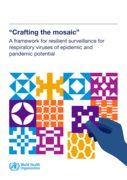
It is impossible to address the many complex needs of respiratory virus surveillance with a single surveillance system. Multiple systems, investigations and studies must each be fit-for-purpose to specific priority surveillance objectives, and only together can they provide essential information to
...
policy-makers. In essence, each surveillance approach fit together as “tiles in a mosaic” that provides a complete picture of respiratory viruses and the impact of associated illnesses and interventions at the country level. This mosaic framework demonstrates how surveillance approaches may be implemented as coordinated and collaborative systems, well-matched to specific priority objectives.
more

The 2023 Country Presence Report provides an overview of what WHO does in countries to advance towards the SDGs and implement GPW13, how we do it, with whom we work, and what is needed to overcome challenges for achieving results and impact in count
...
ries.
more

The Contingency Fund for Emergencies (CFE) provides WHO with rapid and flexible resources to respond to disease outbreaks and other health emergencies. The annual report provides an overview of the use and impact of the Fund over the previous year.

The development of this draft Proposed programme budget 2022–2023 comes at a unique moment for WHO. The world is in the grip of the coronavirus disease (COVID-19) pandemic and faces health, social and economic consequences on an unprecedented scale. Although it is not known when the COVID-19 pande
...
mic will end, recent encouraging vaccine results, in addition to the examples of countries that have achieved good results through public health measures, hold out the prospect of better days ahead. The full impact of the pandemic cannot yet be determined. But whatever its implications, the Secretariat will rise to the challenge and is ready to adapt so that it is fully equipped to support Member States for any eventuality in the future – to make sure that the world will never again have to face this kind of crisis.
more

Japan has been implementing projects of global extension of medical technologies under an official development assistance policy to improve public health and medicine by promoting Japanese medical technologies worldwide. The current work examines the impac
...
t and goals of implementing this new scheme. The scheme has involved dozens of projects that sent Japanese experts to partner countries and that invited their counterparts to Japan to showcase Japanese medical technologies. Approximately 50 projects have been implemented in 24 countries over 5 years, and 19,638 individuals have been trained. As a result, the introduced technology was adopted in national guidelines in 4 projects and the introduced equipment was procured in the partner country in 17 projects. In total, 912,334 individuals have benefitted from the introduction of these medical technologies. The concept of "creating shared value" (CSV) could help promote project success by both creating economic value and encouraging social progress. However, the sustainability of that business model remains in question in terms of the internationalization of CSV. Several successful projects improved medical care and led to new business opportunities.
more

This guide presents a basis for understanding how diarrhoeal diseases are currently influenced by climate and weather, and may be further exacerbated by climate change. It is a technical guide on how to conduct a Vulnerability & Adaptation assessment
...
for diarrhoeal diseases and climate change, and provides guidance on how to:
identify populations and regions vulnerable to diarrhoeal diseases and the reasons for their vulnerability;
establish relevant baselines that can be analysed and monitored;
conduct analyses to project how diarrhoeal diseases may be impacted in the future due to climate change; and
identify appropriate responses to mitigate and monitor these risks over time.
more
In 2019, the Global Fund’s 6th Replenishment raised more than $USD14 billion to fight HIV, Tuberculosis and Malaria. Just two years later, the world has changed significantly. Put simply: COVID-19 devastated prevention and treatment programs. For the first time since the Global Fund’s founding,
...
in 2020 the world lost ground in the fight against HIV, Tuberculosis and Malaria.
The Global Fund moved quickly to support countries to respond to COVID-19 and its impact on the three diseases, repurposing and leveraging additional funding to support urgent needs and adapt programs. Despite those efforts, the need for action to resume progress in the fight against HIV, TB and malaria has never been greater.
The world faces a choice.
more

Small drinking-water supplies commonly experience operational, managerial, technical and resourcing challenges that impact their ability to deliver safe and reliable services. The needs and opportunities associated with these supplies therefore warr
...
ant explicit consideration in policies and regulations.
These Guidelines, specifically tailored to small water supplies, build on over 60 years of guidance by the World Health Organization (WHO) on drinking-water quality and safety. They focus on establishing drinking-water quality regulations and standards that are health based and context appropriate; on proactively managing risks through water safety planning and sanitary inspections; and on carrying out independent surveillance. The guidance is intended primarily for decision-makers at national and subnational levels with responsibility for developing regulatory frameworks and support programmes related to these activities. Other stakeholders involved in water service provision will also benefit from the guidance in this document.
Designed to be practical and accessible, these Guidelines offer clear guidance that is rooted in the principle of progressive improvement. State-of-the-art recommendations and implementation guidance are provided, drawn from a comprehensive evidence review and established good practices. Additionally, case examples are provided from countries and areas around the world to demonstrate how the guidance in this publication has been implemented in practice in a wide variety of contexts.
Together with WHO’s 2024 Sanitary inspection packages – a supporting tool for the Guidelines for drinking-water quality: small water supplies, these Guidelines update and supersede WHO’s 1997 Guidelines for drinking-water quality. Volume 3: surveillance and control of community supplies. Key changes to this updated publication include a greater focus on preventive risk management and a broader range of small water supplies covered, including those managed by households, communities and professional entities.
more

While epidemiological data for type 1 diabetes (T1D) in low/middle-income countries, and particularly low-income countries (LICs) including Liberia is lacking, prevalence in LICs is thought to be increasing. T1D care in LICs is often impacted by challenges in diagnosis and management. These challeng
...
es, including misdiagnosis and access to insulin, can affect T1D outcomes and frequency of severe complications. Despite the severe nature of T1D and growing burden in subSaharan Africa, little is currently known about the impact of T1D on patients and caregivers in the region. Methods We conducted a qualitative study consisting of interviews with patients with T1D, caregivers, providers, civil society members and a policy-maker in Liberia to better understand the psychosocial and economic impact of living with T1D, knowledge of T1D and selfmanagement, and barriers and facilitators for accessing T1D care.
more
State of the Climate in Asia 2023
recommended
Asia remained the world’s most disaster-hit region from weather, climate and water-related hazards in 2023. Floods and storms caused the highest number of reported casualties and economic losses, whilst the impact of heatwaves became more severe,
...
according to a new report from the World Meteorological Organization (WMO).
The State of the Climate in Asia 2023 report highlighted the accelerating rate of key climate change indicators such as surface temperature, glacier retreat and sea level rise, which will have major repercussions for societies, economies and ecosystems in the region.
In 2023, sea-surface temperatures in the north-west Pacific Ocean were the highest on record. Even the Arctic Ocean suffered a marine heatwave.
Asia is warming faster than the global average. The warming trend has nearly doubled since the 1961–1990 period.
more

Air pollution exposure—the (in)visible risk factor for respiratory diseases
Bălă, G.P.; Râjnoveanu, R.M.; Tudorache, E. et al.
Environmental Science and Pollution Research
(2021)
CC
There is increasing interest in understanding the role of air pollution as one of the greatest threats to human health worldwide. Nine of 10 individuals breathe air with polluted compounds that have a great impact on lung tissue. The nature of the r
...
elationship is complex, and new or updated data are constantly being reported in the literature. The goal of our review was to summarize the most important air pollutants and their impact on the main respiratory diseases (chronic obstructive pulmonary disease, asthma, lung cancer, idiopathic pulmonary fibrosis, respiratory infections, bronchiectasis, tuberculosis) to reduce both short- and the long-term exposure consequences. We considered the most important air pollutants, including sulfur dioxide, nitrogen dioxide, carbon monoxide, volatile organic compounds, ozone, particulate matter and biomass smoke, and observed their impact on pulmonary pathologies. We focused on respiratory pathologies, because air pollution potentiates the increase in respiratory diseases, and the evidence that air pollutants have a detrimental effect is growing. It is imperative to constantly improve policy initiatives on air quality in both high- and low-income countries.
more

Alcohol consumption is deeply embedded in the social landscape of many societies. Several major factors have an impact on levels and patterns of alcohol consumption in populations – such as historical trends in alcohol consumption, the availabilit
...
y of alcohol, culture, economic status and trends in the marketing of alcoholic beverages, as well as implemented alcohol control measures. At the individual level, the patterns and levels of alcohol consumption are determined by many different factors, including gender, age and individual biological and socioeconomic vulnerability factors, as well as the policy environment. Prevailing social norms that support drinking behaviour and mixed messages about the harms and benefits of drinking encourage alcohol consumption delay appropriate health-seeking behaviour and weaken community action
more
This report includes analysis from informal regional consultations in the African Region, the Caribbean and North America, Latin America, South-East Asia Region, European Region, Eastern Mediterranean Region, alongside three forums in the Western Pacific Region. It analyses the overarching similarit
...
ies, regional nuances and priorities raised across the six WHO regions for the meaningful engagement of individuals with lived experience.
It is the second publication in the WHO Intention to action series, which aims to enhance the limited evidence base on the impact of meaningful engagement and address the lack of standardized approaches on how to operationalise meaningful engagement. The Intention to action series aims to do this by providing a platform from which individuals with lived experience, and organizational and institutional champions, can share solutions, challenges and promising practices related to this cross-cutting agenda. The Intention to action series also aims to provide powerful narratives, inspiration and evidence towards the Fourth United Nations High Level Meeting on NCDs in 2025 and achieving the 2030 United Nations Sustainable Development Goals (SDGs).
more
This report includes analysis from informal regional consultations in the African Region, the Caribbean and North America, Latin America, South-East Asia Region, European Region, Eastern Mediterranean Region, alongside three forums in the Western Pacific Region. It analyses the overarching similarit
...
ies, regional nuances and priorities raised across the six WHO regions for the meaningful engagement of individuals with lived experience.
It is the second publication in the WHO Intention to action series, which aims to enhance the limited evidence base on the impact of meaningful engagement and address the lack of standardized approaches on how to operationalise meaningful engagement. The Intention to action series aims to do this by providing a platform from which individuals with lived experience, and organizational and institutional champions, can share solutions, challenges and promising practices related to this cross-cutting agenda. The Intention to action series also aims to provide powerful narratives, inspiration and evidence towards the Fourth United Nations High Level Meeting on NCDs in 2025 and achieving the 2030 United Nations Sustainable Development Goals (SDGs).
more
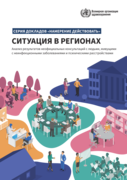
This report includes analysis from informal regional consultations in the African Region, the Caribbean and North America, Latin America, South-East Asia Region, European Region, Eastern Mediterranean Region, alongside three forums in the Western Pacific Region. It analyses the overarching similarit
...
ies, regional nuances and priorities raised across the six WHO regions for the meaningful engagement of individuals with lived experience.
It is the second publication in the WHO Intention to action series, which aims to enhance the limited evidence base on the impact of meaningful engagement and address the lack of standardized approaches on how to operationalise meaningful engagement. The Intention to action series aims to do this by providing a platform from which individuals with lived experience, and organizational and institutional champions, can share solutions, challenges and promising practices related to this cross-cutting agenda. The Intention to action series also aims to provide powerful narratives, inspiration and evidence towards the Fourth United Nations High Level Meeting on NCDs in 2025 and achieving the 2030 United Nations Sustainable Development Goals (SDGs).
more

The article outlines the prioritized research agenda for the prevention and control of chronic respiratory diseases (CRDs) as part of the World Health Organization's (WHO) action plan on noncommunicable diseases (NCDs) from 2008 to 2013. It highlights the significant global
...
impact of CRDs, including asthma, chronic obstructive pulmonary disease (COPD), and other related conditions, particularly in low- and middle-income countries (LMICs). The document stresses the need for effective prevention strategies and better surveillance, as well as enhanced healthcare infrastructure and resources in LMICs. It calls for research into CRD risk factors, effective interventions, and integrated care approaches that align with broader NCD prevention programs. The article emphasizes the importance of public health initiatives and cross-sector collaborations to reduce the disease burden and improve patient outcomes.
more

Chronic respiratory diseases, such as asthma and
chronic obstructive pulmonary disease, kill more than
four million people every year and affect hundreds
of millions more. These diseases erode the health
and well-being of the patients and have a negative
...
impact on families and societies. Women and
children are particularly vulnerable, especially those
in low and middle income countries, where they are
exposed on a daily basis to indoor air pollution from
solid fuels for cooking and heating. In high income
countries, tobacco is the most important risk factor
for chronic respiratory diseases, and in some of
these countries, tobacco use among women and
young people is still increasing.
more
