
Filter
1584
Text search:
hospital
waste
management
Featured
221
479
Language
Document type
769
327
194
136
79
29
20
19
4
3
2
1
1
Countries
125
72
68
62
44
43
43
41
35
33
29
27
27
25
25
24
23
23
23
20
18
15
14
13
11
10
10
9
9
9
8
8
8
7
7
7
7
6
6
5
5
5
5
5
5
5
5
4
4
4
4
4
4
3
3
3
3
3
3
2
2
2
2
2
2
2
2
2
2
2
2
1
1
1
1
1
1
1
1
1
1
1
1
1
1
1
1
1
1
1
1
1
1
1
1
1
1
1
1
1
1
1
1
Authors & Publishers
Publication Years
Category
727
152
123
62
62
31
29
1
Toolboxes
182
110
106
86
59
58
48
41
41
40
30
27
25
23
20
16
14
13
13
12
12
7
6
1
1
1
Reference Manual for Programme Managers on Accreditation Process
Strengthening competency based training of health care providers for Reproductive Maternal Newborn Child & Adolescenct Health (RMNCH + A) services
A Training Course for Vasectomy Providers and Assitants 2nd Edition
A Training Course for Service Providers
A Training Course for Service Providers
Promoting and protecting health is essential to human welfare and sustained economic and social development. This was recognized more than 30 years ago by the Alma-Ata Declaration signatories, who noted that Health for All would contribute
both to a better quality of life and also to global peace a
...
Accessed April 2014
This document provides information for WHO Member States, particularly low-income and middle-income countries, to strengthen preparedness and response plans with regard to the social and mental health consequences of biological and chemical attacks.
The new WHO guidelines provide recommended steps for safe phlebotomy and reiterate accepted principles for drawing, collecting blood and transporting blood to laboratories/blood banks.
This briefing note is based on the existing WHO and ILO guides and recommendations for Ebola Virus
Disease at the time of the publication. It will be updated as new information and recommendations become
available.

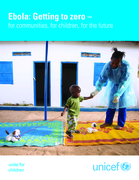
As slight hints of recovery begin to surface in West Africa, UNICEF is looking at the impact of Ebola on children and the response and work of the affected communities in the report, Ebola: Getting to zero – for communities, for children for the future. The document traces some of the outbreak’s
...
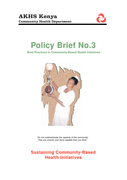
‘Do not underestimate the capacity of the community; they are smarter and more capable than you think’
Kenya Policy: 2014-2030
recommended
Towards attaining the highest standard Health.
