
Filter
2152
Text search:
women
with
disabilities
Featured
207
545
Language
2086
54
48
32
24
15
12
7
5
5
4
4
3
3
3
3
3
3
2
2
2
2
2
2
2
2
2
2
2
1
1
1
1
1
1
1
1
1
1
1
1
1
1
1
1
1
1
1
1
Document type
1271
343
213
122
104
34
30
25
3
2
2
1
1
Countries
102
66
65
59
59
55
51
51
44
43
42
39
33
32
31
31
27
26
26
25
24
24
23
22
21
20
19
19
18
17
16
14
14
13
13
11
11
11
10
10
10
9
9
8
8
8
8
7
7
7
7
7
7
7
7
7
6
6
6
5
5
5
5
5
4
4
4
4
3
3
3
3
3
3
2
2
2
2
2
2
2
2
2
2
2
2
2
2
1
1
1
1
1
1
1
1
1
1
1
1
1
1
1
1
1
1
1
1
1
1
1
1
1
Authors & Publishers
188
67
61
54
52
44
44
37
27
23
23
21
21
19
19
19
19
18
17
17
17
15
14
13
13
13
12
12
12
11
11
10
10
10
9
9
9
8
8
8
8
8
7
7
6
6
6
6
6
6
6
6
5
5
5
5
5
5
5
5
5
5
5
5
5
5
5
5
4
4
4
4
4
4
4
4
4
4
4
4
4
4
4
4
4
4
4
4
3
3
3
3
3
3
3
3
3
3
3
3
3
3
3
3
3
3
3
3
3
3
3
3
3
3
3
3
3
3
3
3
3
3
3
3
3
3
3
3
3
3
3
3
3
3
3
3
2
2
2
2
2
2
2
2
2
2
2
2
2
2
2
2
2
2
2
2
2
2
2
2
2
2
2
2
2
2
2
2
2
2
2
2
2
2
2
2
2
2
2
2
2
2
2
2
2
2
2
2
2
2
2
2
2
2
2
2
2
2
2
2
2
2
2
2
2
2
2
2
2
2
2
2
2
2
2
2
2
2
2
2
2
2
2
2
2
2
2
2
2
2
2
2
2
2
2
2
2
2
2
2
2
2
2
2
2
2
2
2
2
2
2
2
2
2
2
2
2
2
2
2
2
2
2
1
1
1
1
1
1
1
1
1
1
1
1
1
1
1
1
1
1
1
1
1
1
1
1
1
1
1
1
1
1
1
1
1
1
1
1
1
1
1
1
1
1
1
1
1
1
1
1
1
1
1
1
1
1
1
1
1
1
1
1
1
1
1
1
1
1
1
1
1
1
1
1
1
1
1
1
1
1
1
1
1
1
1
1
1
1
1
1
1
1
1
1
1
1
1
1
1
1
1
1
1
1
1
1
1
1
1
1
1
1
1
1
1
1
1
1
1
1
1
1
1
1
1
1
1
1
1
1
1
1
1
1
1
1
1
1
1
1
1
1
1
1
1
1
1
1
1
1
1
1
1
1
1
1
1
1
1
1
1
1
1
1
1
1
1
1
1
1
1
1
1
1
1
1
1
1
1
1
1
1
1
1
1
1
1
1
1
1
1
1
1
1
1
1
1
1
1
1
1
1
1
1
1
1
1
1
1
1
1
1
1
1
1
1
1
1
1
1
1
1
1
1
1
1
1
1
1
1
1
1
1
1
1
1
1
1
1
1
1
1
1
1
1
1
1
1
1
1
1
1
1
1
1
1
1
1
1
1
1
1
1
1
1
1
1
1
1
1
1
1
1
1
1
1
1
1
1
1
1
1
1
1
1
1
1
1
1
1
1
1
1
1
1
1
1
1
1
1
1
1
1
1
1
1
1
1
1
1
1
1
1
1
1
1
1
1
1
1
1
1
1
1
1
1
1
1
1
1
1
1
1
1
1
1
1
1
1
1
1
1
1
1
1
1
1
1
1
1
1
1
1
1
1
1
1
1
1
1
1
1
1
1
1
1
1
1
1
1
1
1
1
1
1
1
1
1
1
1
1
1
1
1
1
1
1
1
1
1
1
1
1
1
1
1
1
1
1
1
1
1
1
1
1
1
1
1
1
1
1
1
1
1
1
1
1
1
1
1
1
1
1
1
1
1
1
1
1
1
1
1
1
1
1
1
1
1
1
1
1
1
1
1
1
1
1
1
1
1
1
1
1
1
1
1
1
1
1
1
1
1
1
1
1
1
1
1
1
1
1
1
1
1
1
1
1
1
1
1
1
1
1
1
1
1
1
1
1
1
1
1
1
1
1
1
1
1
1
1
1
1
1
1
1
1
1
1
1
1
1
1
1
1
1
1
1
1
1
1
1
1
1
1
1
1
1
1
1
1
1
1
1
1
1
1
1
1
1
1
1
1
1
1
1
1
1
1
1
1
1
1
1
1
1
1
1
1
1
1
1
1
1
1
1
1
1
1
1
1
1
1
1
1
1
1
1
1
1
1
1
1
1
1
1
1
1
1
1
1
1
1
1
1
1
1
1
1
1
1
1
1
1
1
1
1
1
1
1
1
1
1
1
1
1
1
1
1
1
1
1
1
1
1
1
1
1
1
1
1
1
1
1
1
1
1
1
1
1
1
1
1
1
1
1
1
1
1
1
1
1
1
1
1
1
1
1
1
1
1
1
1
1
1
1
1
1
1
1
1
1
1
1
1
1
1
1
1
1
1
1
1
1
1
1
1
1
1
1
1
1
1
1
1
1
1
1
1
1
1
1
1
1
1
1
1
1
1
1
1
1
1
1
1
1
1
1
1
1
1
1
1
1
1
1
1
1
1
1
1
1
1
1
1
1
1
1
1
1
1
1
1
1
1
1
1
1
1
1
1
1
1
1
1
1
1
1
1
1
1
1
1
1
1
1
1
1
1
1
1
1
1
1
1
1
1
1
1
1
1
1
1
1
1
1
1
1
1
1
1
1
1
1
1
1
1
1
1
1
1
1
1
1
1
1
1
1
1
1
1
1
1
1
1
1
1
1
1
1
1
1
1
1
1
1
1
1
1
1
1
1
1
1
1
1
1
1
1
1
1
1
1
1
1
1
1
1
1
1
1
1
1
1
1
1
1
1
1
1
1
1
1
1
1
1
1
1
1
1
1
1
1
1
1
1
1
1
1
1
1
1
1
1
1
1
1
1
1
1
1
1
1
1
1
1
1
1
1
1
1
1
1
1
1
1
1
1
1
1
1
1
1
1
1
1
1
1
1
1
1
1
1
1
1
1
1
1
1
1
1
1
1
1
1
1
1
1
1
1
1
1
1
1
1
1
1
1
1
1
1
1
1
1
1
1
1
1
1
1
1
1
1
1
1
1
1
1
1
1
1
1
1
1
1
1
1
1
1
1
1
1
1
1
1
1
1
1
1
1
1
1
1
1
1
1
1
1
1
1
1
1
1
1
1
1
1
1
1
1
1
1
1
1
1
1
1
1
1
1
1
1
1
1
1
1
1
1
1
1
1
1
1
1
1
1
1
1
1
1
1
1
1
1
1
1
1
1
1
1
1
1
1
1
1
1
1
1
1
1
1
1
1
1
1
1
1
1
1
1
1
1
1
1
1
1
1
1
1
1
1
1
1
1
1
1
1
1
1
1
1
1
1
1
1
1
1
1
1
1
1
1
1
1
1
1
1
1
1
1
1
1
1
1
1
1
1
1
1
1
1
1
1
1
1
1
1
1
1
1
1
1
1
1
1
1
1
1
1
1
1
1
1
1
1
1
1
1
1
1
1
1
1
1
1
1
1
1
1
1
1
1
1
1
1
1
1
1
1
1
1
1
1
1
1
1
1
1
1
1
1
1
1
1
1
1
1
1
1
1
1
1
1
1
1
1
1
1
1
1
1
1
1
1
1
1
1
1
1
1
1
1
1
1
1
1
1
1
1
1
1
1
1
1
1
1
1
1
1
1
1
1
1
1
1
1
1
1
1
1
1
1
1
1
1
1
1
1
1
1
1
1
1
1
1
1
1
1
1
1
1
1
1
1
1
1
1
1
1
1
1
1
1
1
1
1
1
1
1
1
1
1
1
1
1
1
1
1
1
1
1
1
1
1
1
1
1
1
1
1
1
1
1
1
1
1
1
1
1
1
1
1
1
1
1
1
1
1
1
1
1
1
1
1
1
1
1
1
1
1
1
1
1
1
1
1
1
1
1
1
1
1
1
1
1
1
1
1
1
1
1
1
1
1
1
1
1
1
1
1
1
1
1
1
1
1
1
1
1
1
1
1
1
1
1
1
1
1
1
1
1
1
1
1
1
1
1
1
1
1
1
1
1
1
1
1
1
1
1
1
1
1
1
1
1
1
1
1
1
1
1
1
1
1
1
1
1
1
1
1
1
1
1
1
1
1
1
1
1
Publication Years
1
664
1325
159
3
Category
858
158
149
106
64
31
4
Toolboxes
410
238
205
131
61
61
60
53
37
33
26
23
22
21
20
17
12
7
6
6
4
4
3
2
2
1
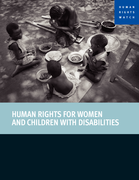
Barriers to Full Realization of Human Rights for Women and Children with Disabilities

People living with disabilities (PLWDs) have poor access to health services compared to people without disabilities. As a result, PLWDs do not bene
...
fit from some of the services provided at health facilities; therefore, new methods need to be developed to deliver these services where PLWDs reside. This case study reports a household-based screening programme targeting PLWDs in a rural district in Malawi. Between March and November 2016, a household-based and integrated screening programme was conducted by community health workers, HIV testing counsellors and a clinic clerk. The programme provided integrated home-based screening for HIV, tuberculosis, hypertension and malnutrition for PLWDs. The programme was designed and implemented for a population of 37 000 people. A total of 449 PLWDs, with a median age of 26 years and about half of them women, were screened. Among the 404 PLWDs eligible for HIV testing, 399 (99%) agreed for HIV testing. Sixty-nine per cent of PLWDs tested for HIV had never previously been tested for HIV. Additionally, 14 patients self-reported to be HIV-positive and all but one were verified to be active in HIV care. A total of 192 of all eligible PLWDs above 18 years old were screened for hypertension, with 9% (n = 17) referred for further follow-up at the nearest facility. In addition, 274 and 371 PLWDs were screened for malnutrition and tuberculosis, respectively, with 6% (n = 18) of PLWDs referred for malnutrition, and 2% (n = 10) of PLWDs referred for tuberculosis testing. We successfully implemented an integrated home-based screening programme in rural Malawi.
more

Nearly 800 women die every day from preventable maternal causes, and in 2022 alone, an estimated 2.3 million newborns died. For every maternal death, countless more women endure life-altering injuri
...
es, infections, and disabilities related to childbirth.
Maternal deaths are concentrated in the poorest regions and conflict-affected areas. In 2020, sub-Saharan Africa accounted for nearly 70% of all maternal deaths, with just 22 countries responsible for 81% of the global total. Humanitarian crises and fragile health systems exacerbate these challenges, with maternal mortality rates in crisis-affected areas often double the global average. The barriers to progress are multifaceted, including inadequate funding, poor-quality healthcare, harmful gender and social norms, and critical gaps in data and accountability.
more
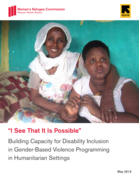
Building Capacity for Disability Inclusion in Gender-based Violence (GBV) Programming in Humanitarian Settings
recommended
Leora Ward, Emma Pearce, Dale Buscher et al.
Women’s Refugee Commission (WRC) and The International Rescue Committee (IRC)
(2015)
C1
Women and girls with mental and intellectual disabilities were perceived to be most at risk of sexual violence, and family and service providers ma
...
y only become aware of sexual violence against them when they become pregnant.
Discrimination by GBV service providers, family and community members was the most common barrier to access. Inadequate transportation and inappropriate communication approaches were also common impediments.
On this website you can download the report in different languages,
more
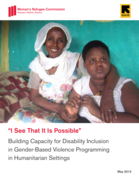
This toolkit is intended to support GBV staff to build disability inclusion into their work, and to strengthen the capacity of GBV practitioners to use a survivor-centered approach when providing services to survivors with
...
disabilities.
The tools are designed to complement existing guidelines, protocols and tools for GBV prevention and response, and should not be used in isolation from these. GBV practitioners are encouraged to adapt the tools to their individual programs and contexts, and to integrate pieces into standard GBV tools and resources.
You can download from English, French and Arabic Version
http://www.womensrefugeecommission.org/research-resources/building-capacity-for-disability-inclusion-in-gender-based-violence-gbv-programming-in-humanitarian-settings-overview/
more
This toolkit is intended to support GBV staff to build disability inclusion into their work, and to strengthen the capacity of GBV practitioners to use a survivor-centered approach when providing services to survivors with
...
disabilities.
The tools are designed to complement existing guidelines, protocols and tools for GBV prevention and response, and should not be used in isolation from these. GBV practitioners are encouraged to adapt the tools to their individual programs and contexts, and to integrate pieces into standard GBV tools and resources.
You can download from English, French and Arabic Version
http://www.womensrefugeecommission.org/research-resources/building-capacity-for-disability-inclusion-in-gender-based-violence-gbv-programming-in-humanitarian-settings-overview/
more
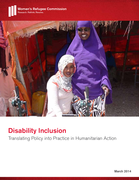
The report provides lessons and recommendations for other organizations and the wider humanitarian community on engaging persons with disabilities at all levels of humanitarian work. It draws on con
...
sultations with over 700 displaced persons—including persons with disabilities, their families, and humanitarian staff—in eight countries.
more
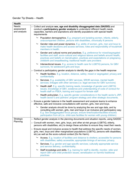
Needs assessment and analysis
Collect and analyze sex, age and disability disaggregated data (SADDD) and conduct a participatory gender analysis to understand different health needs, capacities, barriers and aspirations and identify populations with
...
special health requirements
Population demographics. E.g. pregnant and lactating women, infants, elderly, unaccompanied children, persons with disabilities, chronically ill persons 9 Gender roles and power dynamics. E.g. ability of women, girls, men and boys to make health decisions and access services; roles and responsibility of household members in health.
Gender and cultural norms and practices. E.g. preference for mixed/segregated facilities and staff; socio-cultural and religious taboos and beliefs around health, practices and beliefs on menstruation, practices and expectations on pregnancy, childbirth and breastfeeding; traditional health care providers
Intersectional issues. E.g. access to health care for LGBTIQ persons, for GBV survivors, for adolescent girls and boys
more
The main aim of this paper is to present the current situation of children with disabilities in the Republic of Namibia, with special regard to the
...
ir educational chances and influence of cultural beliefs on their lives. Namibia has a law, which entitles education for all its citizens. Despite numerous legislative acts which should have increased the educational chances of Namibian children with disabilities, their real situation is completely different and depends on various factors, including the infrastructure of the schools, teacher competencies, their attitudes towards students, the small number of special and integrated schools as well as an insufficient amount of money transferred for the education of the children. The paper discusses all of the above factors and provides practical implications, which would improve the situation of children with disabilities in Namibia.
more
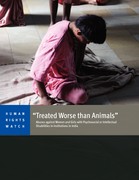
Abuses against Women and Girls with Psychosocial or Intellectual Disabilities in institutions in India
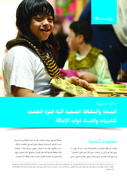
Menstrual Health & Hygiene for Girls and Women with Disabilities in Arabic
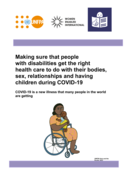
Making sure that people with disabilities get the right health care to do with their bodies, sex, relationships and having children during COVID-19
...
About this information
This information is about health care for people with disabilities to do with their bodies, sex, relationships and having children.
For example, the health care might help people to give birth or have safer sex and relationships.
This information is about making sure that people with disabilities can get this health care during COVID-19.
And when other big problems happen in the world.
People with disabilities have a right to get this healthcare like everyone else.
But they are often left out.
And COVID-19 has made things worse.
This information is about what countries and organizations should do now for people with disabilities.
We found out what many people with disabilities thought first.
People in this document means women and girls, men, and boys with disabilities.
It also means people with disabilities who are not the gender that people said they were when they were born.
For example, someone may be told they are a boy because of how their body looks.
But that is not who they really are. They might be a girl. Or they might not be a boy or girl.
more
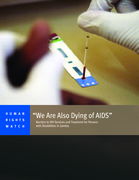
Barriers to HIV Services and Treatment for Persons with Disabilities in Zambia
The 80-page report documents the obstacles faced by people with
...
disabilities in both the community and healthcare settings. These include pervasive stigma and discrimination, lack of access to inclusive HIV prevention education, obstacles to accessing voluntary testing and HIV treatment, and lack of appropriate support for adherence to antiretroviral treatment. The report also describes the sexual and intimate partner violence women and girls with disabilities face, and the need for the government and international donors to do more to ensure inclusive and accessible HIV services.
more
Women, the elderly, adolescents, youth, and children,
persons with disabilities, indigenous populations, refugees,
migrants, and minorities exper
...
ience the highest degree
of socio-economic marginalization. Marginalized people
become even more vulnerable in emergencies.1 This is due
to factors such as their lack of access to effective surveillance
and early-warning systems, and health services. The
COVID-19 outbreak is predicted to have significant impacts
on various sectors.
The populations most at risk are those that:
• depend heavily on the informal economy;
• occupy areas prone to shocks;
• have inadequate access to social services or political
influence;
• have limited capacities and opportunities to cope and
adapt and;
• limited or no access to technologies.
By understanding these issues, we can support the capacity
of vulnerable populations in emergencies. We can give
them priority assistance, and engage them in decision-making
processes for response, recovery, preparedness, and
risk reduction.
more
South Sudan continues to struggle with a severe health crisis affecting 8.9 million people, primarily in flood- and conflict-affected regions with population movements (displacement and returns), an
...
d disease outbreaks. The nation's health system, heavily reliant on international aid, faces staffing and resource shortages. Vulnerable groups, including women, children, the elderly, and those with disabilities, have limited healthcare access and face heightened risks of mortality and illness.
The life expectancy at birth (55 years) is among the lowest globally, as mortality rates remain among the highest with neonatal, infant, under-five mortality rates estimated at 39.63, 63.76 and 98.69 deaths per 1000 live births respectively, and a maternal mortality ratio of 1,223 deaths per 100,000 live births. Although some disease specific mortality rates such as TB and AIDS-related mortality have declined, mortality due to malaria and non-communicable diseases have increased over the past five years.
The main causes of morbidity remain communicable diseases; malaria, is the top cause of morbidity (64%) and mortality (45%) among outpatients, followed by pneumonia and diarrhea.20 Several Counties report malaria cases above the threshold perennially especially during the rainy seasons, affecting mainly children under five years. The last malaria indicator survey (2017) estimated malaria prevalence of 32%, 34% and 18% among children under-five, protection of civilian’s sites, and internally displaced persons, respectively.
more
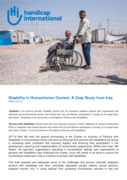
This brief presents and addresses some of the challenges that prevent internally displaced persons with disabilities and other vulnerable population groups (elderly, injured persons, pregnant
...
women, etc.) in camp settings from accessing humanitarian services in Iraq and impede on the development of an inclusive humanitarian response.
more

Hesperian Health Guides is a nonprofit health information and health education source that supports individuals and communities in their struggles to realize the right to health. We develop easy to read materials that are produced in many languages. All are available through our bookstore and the ne
...
w Hesperian Digital Commons.
Hesperian Health Guides publishes 20 titles, spanning women’s health, children, disabilities, dentistry, health education, HIV, and environmental health. From this page, you can buy, download, or read health materials in English. View Resources by Language to explore materials in Spanish and other languages.
Hesperian works in the formats that people need and want. Our health information is available as books, booklets, e-books, online content, and apps. When we discover a need for online content to be made available in a physical format, we produce printed books or booklets in the languages that people need. Likewise, our physical books are made available in electronic formats so anyone with an internet connection can use Hesperian’s health information.
more

National Disability Mainstreaming Strategy and Implementation Plan (NDMS&IP) 2018-2023
Department of Disability and elderly affairs
Ministry of Gender, Children, Disability and Social Welfare
(2019)
CC
The NDMS&IP focuses on mainstreaming disability to promote equitable access to services in the six thematic areas of health, education, livelihoods, empowerment, and social inclusion and cross-cutting issues.
The first part of the NDMS&IP outlines incongruences between national and sectoral policie
...
s and pieces of legislation on one hand, and practice on the other and identifies key priority areas/themes of the strategy,
medium-term outcomes and strategies for each identified priority area/ theme. This process is largely informed by key findings and recommendations from a study on the Situation of Persons with Disabilities
in Malawi (CBMM/NAD, 2011). The study provides background descriptive information on existing national and sectoral policy and legal framework, level of access by children, adult women and males with disabilities to services in the areas of education, health, livelihoods and other social services as well as of participation by persons with disabilities through self-representation in development activities at various levels. A review of relevant documents at the international level further describes the disability situation in Malawi in the global context.
The second part of the NDMS&IP consists of the operational matrix, (Annex 1), a monitoring and evaluation framework (Annex 2) and budget estimates (Annex 3). This part outlines specific actions by various actors both in the public, private and civil society sectors to prioritise disability in their routine policy, programming, resource mobilisation and allocation, monitoring, evaluation and reporting routines. The action plan lays out priority sectors and concrete actions by setting out implementation schedules, defining targets, assigning responsibility to key duty bearers and rights holders for coordination, decision-making, monitoring and reporting, mobilisation and allocation and control of resources.
more
