
Filter
438
Text search:
mutilation
Featured
29
124
Language
Document type
228
86
34
33
21
11
9
7
4
2
2
1
Countries
21
21
19
18
15
14
13
13
11
8
8
8
6
6
6
6
5
5
5
5
4
4
4
3
3
3
3
3
3
3
3
2
2
2
2
2
2
2
2
2
2
2
1
1
1
1
1
1
1
1
1
1
1
1
1
1
1
1
1
1
1
1
1
1
Authors & Publishers
Publication Years
Category
169
136
19
18
15
11
1
Toolboxes
55
45
20
18
13
11
9
8
8
5
5
4
2
2
2
1
1
This statistical overview has been prepared on the occasion of the European Institute for
Gender Equality (EIGE) study on FGM in the European Union and Croatia. Little is known
about FGM in the European Union in general, and this statement holds true about FGM
and asylum more specifically. In lig
...
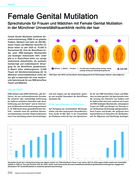
Female Genital Mutilation (weibliche Genitalverstümmelung, FGM) ist ein globales Problem. Weltweit sind mehr als 200 Millionen Frauen und Mädchen betroffen. Davon lebten im Jahr 2020 ca. 75.000 in Deutschland. Viele der Betroffenen leiden unter FG
...
emale genital mutilation (FGM) comprises all procedures that involve the partial or total removal of external genitalia or other injury to the female genital organs for non-medical reasons; the procedure has no health benefits . Moreover, the remova
...
This resource is a practical, user-friendly tools that aid in the application of gender-transformative approaches for everyday work at the frontlines within the social, health, education, or legal sectors, among others.
Gender-transformative approaches intentionally challenge harmful gender norms
...
In recognition that Female Genital Mutilation (FGM) is not only a harmful practice but a violation of human rights, Kenya has adopted a robust legal framework. The country has ratified several international legal instruments that have become part of
...
Kenya is home to 4 million girls and women who have experienced FGM. Overall, 21 per cent of girls and women aged 15 to 49 years have undergone the practice, varying from 98 per cent in the North Eastern region to 1 per cent in the Western region
Ethiopia is home to 25 million girls and women who have experienced FGM. More than half are in the regions of Oromia and Amhara. Overall, 65 per cent of girls and women aged 15 to 49 have undergone FGM. The highest prevalence is in the Somali (99 per cent) and Afar (91 per cent) regions

UNFPA aims to achieve three world-changing results by 2030, the deadline for achieving the Sustainable Development Goals. These are: Ending unmet need for family planning, ending gender-based violence including harmful practices such as female genital muti
...

Leitfaden für pädagogische Fachkräfte
(female genital mutilation Abk.: FGM)

FGM = Female Genital Mutilation

Female genital mutilation (FGM) is a human rights violation deeply rooted in gender inequality and discrimination. FGM violates various human rights under international human rights law including, among others, the rights to equality, life and healt
...
Every day, millions of women and girls worldwide experience violence. This abuse takes many forms, including intimate physical and sexual partner violence, female genital mutilation, child and forced marriage, sex trafficking, and rape. The Lancet S
...
