
Filter
3081
Text search:
humanitarian
needs
Featured
304
879
Language
2948
92
67
67
36
26
14
14
10
6
5
5
5
5
4
4
4
4
4
4
4
4
3
3
3
3
3
2
2
2
2
2
2
2
2
2
2
2
2
2
2
1
1
1
1
1
1
1
1
1
1
1
1
1
1
Document type
1490
607
331
203
197
96
83
42
13
9
5
2
1
1
Countries
194
158
121
102
77
75
75
71
63
62
60
54
46
45
44
44
43
41
37
36
33
33
33
28
24
24
23
23
22
21
21
21
20
18
18
17
17
17
15
14
14
14
13
13
13
13
13
12
12
11
10
10
9
9
9
9
8
8
8
8
8
7
7
7
7
6
6
6
5
5
4
4
4
4
4
3
3
3
3
3
3
3
3
3
3
3
3
3
2
2
2
2
2
2
2
2
2
2
2
1
1
1
1
1
1
1
1
1
1
1
1
1
1
1
1
1
1
1
1
1
1
1
1
1
1
1
1
1
Authors & Publishers
344
87
84
83
65
61
54
51
45
38
37
36
36
34
31
31
30
28
26
24
21
21
21
19
17
16
16
16
14
14
13
13
13
12
11
11
11
11
10
10
10
9
9
9
9
8
8
8
8
8
8
8
8
8
8
7
7
7
7
7
7
7
7
7
7
7
7
7
6
6
6
6
6
6
6
6
6
6
6
6
6
6
6
6
6
6
6
5
5
5
5
5
5
5
5
5
5
5
5
5
5
5
5
5
5
5
5
5
5
5
5
4
4
4
4
4
4
4
4
4
4
4
4
4
4
4
4
4
4
4
4
4
4
4
4
4
4
3
3
3
3
3
3
3
3
3
3
3
3
3
3
3
3
3
3
3
3
3
3
3
3
3
3
3
3
3
3
3
3
3
3
3
3
3
3
3
3
3
3
3
3
3
3
3
3
3
3
2
2
2
2
2
2
2
2
2
2
2
2
2
2
2
2
2
2
2
2
2
2
2
2
2
2
2
2
2
2
2
2
2
2
2
2
2
2
2
2
2
2
2
2
2
2
2
2
2
2
2
2
2
2
2
2
2
2
2
2
2
2
2
2
2
2
2
2
2
2
2
2
2
2
2
2
2
2
2
2
2
2
2
2
2
2
2
2
2
2
2
2
2
2
2
2
2
2
2
2
2
2
2
2
2
2
2
2
2
2
2
2
2
2
2
2
2
2
2
2
2
2
2
2
2
2
2
2
2
2
2
2
2
2
2
2
2
2
2
2
2
2
2
2
2
2
2
2
2
2
2
2
2
2
2
2
2
2
2
2
2
2
2
2
1
1
1
1
1
1
1
1
1
1
1
1
1
1
1
1
1
1
1
1
1
1
1
1
1
1
1
1
1
1
1
1
1
1
1
1
1
1
1
1
1
1
1
1
1
1
1
1
1
1
1
1
1
1
1
1
1
1
1
1
1
1
1
1
1
1
1
1
1
1
1
1
1
1
1
1
1
1
1
1
1
1
1
1
1
1
1
1
1
1
1
1
1
1
1
1
1
1
1
1
1
1
1
1
1
1
1
1
1
1
1
1
1
1
1
1
1
1
1
1
1
1
1
1
1
1
1
1
1
1
1
1
1
1
1
1
1
1
1
1
1
1
1
1
1
1
1
1
1
1
1
1
1
1
1
1
1
1
1
1
1
1
1
1
1
1
1
1
1
1
1
1
1
1
1
1
1
1
1
1
1
1
1
1
1
1
1
1
1
1
1
1
1
1
1
1
1
1
1
1
1
1
1
1
1
1
1
1
1
1
1
1
1
1
1
1
1
1
1
1
1
1
1
1
1
1
1
1
1
1
1
1
1
1
1
1
1
1
1
1
1
1
1
1
1
1
1
1
1
1
1
1
1
1
1
1
1
1
1
1
1
1
1
1
1
1
1
1
1
1
1
1
1
1
1
1
1
1
1
1
1
1
1
1
1
1
1
1
1
1
1
1
1
1
1
1
1
1
1
1
1
1
1
1
1
1
1
1
1
1
1
1
1
1
1
1
1
1
1
1
1
1
1
1
1
1
1
1
1
1
1
1
1
1
1
1
1
1
1
1
1
1
1
1
1
1
1
1
1
1
1
1
1
1
1
1
1
1
1
1
1
1
1
1
1
1
1
1
1
1
1
1
1
1
1
1
1
1
1
1
1
1
1
1
1
1
1
1
1
1
1
1
1
1
1
1
1
1
1
1
1
1
1
1
1
1
1
1
1
1
1
1
1
1
1
1
1
1
1
1
1
1
1
1
1
1
1
1
1
1
1
1
1
1
1
1
1
1
1
1
1
1
1
1
1
1
1
1
1
1
1
1
1
1
1
1
1
1
1
1
1
1
1
1
1
1
1
1
1
1
1
1
1
1
1
1
1
1
1
1
1
1
1
1
1
1
1
1
1
1
1
1
1
1
1
1
1
1
1
1
1
1
1
1
1
1
1
1
1
1
1
1
1
1
1
1
1
1
1
1
1
1
1
1
1
1
1
1
1
1
1
1
1
1
1
1
1
1
1
1
1
1
1
1
1
1
1
1
1
1
1
1
1
1
1
1
1
1
1
1
1
1
1
1
1
1
1
1
1
1
1
1
1
1
1
1
1
1
1
1
1
1
1
1
1
1
1
1
1
1
1
1
1
1
1
1
1
1
1
1
1
1
1
1
1
1
1
1
1
1
1
1
1
1
1
1
1
1
1
1
1
1
1
1
1
1
1
1
1
1
1
1
1
1
1
1
1
1
1
1
1
1
1
1
1
1
1
1
1
1
1
1
1
1
1
1
1
1
1
1
1
1
1
1
1
1
1
1
1
1
1
1
1
1
1
1
1
1
1
1
1
1
1
1
1
1
1
1
1
1
1
1
1
1
1
1
1
1
1
1
1
1
1
1
1
1
1
1
1
1
1
1
1
1
1
1
1
1
1
1
1
1
1
1
1
1
1
1
1
1
1
1
1
1
1
1
1
1
1
1
1
1
1
1
1
1
1
1
1
1
1
1
1
1
1
1
1
1
1
1
1
1
1
1
1
1
1
1
1
1
1
1
1
1
1
1
1
1
1
1
1
1
1
1
1
1
1
1
1
1
1
1
1
1
1
1
1
1
1
1
1
1
1
1
1
1
1
1
1
1
1
1
1
1
1
1
1
1
1
1
1
1
1
1
1
1
1
1
1
1
1
1
1
1
1
1
1
1
1
1
1
1
1
1
1
1
1
1
1
1
1
1
1
1
1
1
1
1
1
1
1
1
1
1
1
1
1
1
1
1
1
1
1
1
1
1
1
1
1
1
1
1
1
1
1
1
1
1
1
1
1
1
1
1
1
1
1
1
1
1
1
1
1
1
1
1
1
1
1
1
1
1
1
1
1
1
1
1
1
1
1
1
1
1
1
1
1
1
1
1
1
1
1
1
1
1
1
1
1
1
1
1
1
1
1
1
1
1
1
1
1
1
1
1
1
1
1
1
1
1
1
1
1
1
1
1
1
1
1
1
1
1
1
1
1
1
1
1
1
1
1
1
1
1
1
1
1
1
1
1
1
1
1
1
1
1
1
1
1
1
1
1
1
1
1
1
1
1
1
1
1
1
1
1
1
1
1
1
1
1
1
1
1
1
1
1
1
1
1
1
1
1
1
1
1
1
1
1
1
1
1
1
1
1
1
1
1
1
1
1
1
1
1
1
1
1
1
1
1
1
1
1
1
1
1
1
1
1
1
1
1
1
1
1
1
1
1
1
1
1
1
1
1
1
1
1
1
1
1
1
1
1
1
1
1
1
1
1
1
1
1
1
1
1
1
1
1
1
1
1
1
1
1
1
1
1
1
1
1
1
1
1
1
1
1
1
1
1
1
1
1
1
1
1
1
1
1
1
1
1
1
1
1
1
1
1
1
1
1
1
1
1
1
1
1
1
1
1
1
1
1
1
1
1
1
1
1
1
1
1
1
1
1
1
1
1
1
1
1
1
1
1
1
1
1
1
1
1
1
1
1
1
1
1
1
1
1
1
1
1
1
1
1
1
1
1
1
1
1
1
1
1
1
1
1
1
1
1
1
1
1
1
1
1
1
1
1
1
1
1
1
1
1
1
1
1
1
1
1
1
1
1
1
1
1
1
1
1
1
1
1
1
1
1
1
1
1
1
1
1
1
1
1
1
1
1
1
1
1
1
1
1
1
1
1
1
1
1
1
1
1
1
1
1
1
1
1
1
1
1
1
1
1
1
1
1
1
1
1
1
1
1
1
1
1
1
1
1
1
1
1
1
1
1
1
1
1
1
1
1
1
1
1
1
1
1
1
1
1
1
1
1
1
1
1
1
1
1
1
1
1
1
1
1
1
1
1
1
1
1
1
1
1
1
1
1
1
1
1
1
1
1
1
1
1
1
1
1
1
1
1
1
1
1
1
1
1
1
1
1
1
1
1
1
1
1
1
1
1
1
1
1
1
1
1
1
1
1
1
1
1
1
1
1
1
1
1
1
1
1
1
1
1
1
1
1
1
1
1
1
1
1
1
1
1
1
1
1
1
1
1
1
1
1
1
1
1
1
1
1
1
1
1
1
1
1
1
1
1
1
1
1
1
1
1
1
1
1
1
1
1
1
1
1
1
1
1
1
1
1
1
1
1
1
1
1
1
1
1
1
1
1
1
1
1
1
1
1
1
1
1
1
1
1
1
1
1
1
1
1
1
1
1
1
1
1
1
1
1
1
1
1
1
1
1
1
1
1
1
1
1
1
1
1
1
1
1
1
1
1
1
1
1
1
1
1
1
1
1
1
1
1
1
1
1
1
1
1
1
1
1
1
1
1
1
1
1
1
1
1
1
1
1
1
1
1
1
1
1
1
1
1
1
1
1
1
1
1
1
1
1
1
1
1
1
1
1
1
1
1
1
1
1
1
1
1
1
1
1
1
1
1
1
1
1
1
1
1
1
1
1
1
1
1
1
1
1
1
1
1
1
1
1
1
1
1
1
1
1
1
1
1
1
1
1
1
1
1
1
1
1
1
1
1
1
1
1
1
1
1
1
1
1
1
1
1
1
1
1
1
1
1
1
1
1
1
1
1
1
1
1
1
1
1
1
1
1
1
1
1
1
1
1
1
1
1
1
1
1
1
1
1
1
1
1
1
1
1
1
1
1
1
1
1
1
1
1
1
1
1
1
1
1
1
1
1
1
1
1
1
1
1
1
1
1
1
1
1
1
1
1
1
1
1
1
1
1
1
1
1
1
Publication Years
1
1234
1631
200
15
Category
962
470
212
135
108
56
8
3
Toolboxes
389
377
229
169
162
159
145
100
96
58
57
52
48
38
33
29
25
24
21
16
16
13
13
10
8
6
2
The Basic Needs and Response Analysis Framework and Toolkit (known as the Framework & Toolkit) is part of the ECHO ERC funded project to increase the uptake of multi-purpose cash grants (MPGs) in emergency responses for more efficient and effective
...
humanitarian action. MPGs are a powerful aid modality because of their efficiency and effectiveness. They can be combined with other assistance modalities to maximize the benefit for affected communities.
more
Guidelines.
The guidelines set out essential actions that humanitarian actors must take in order to effectively identify and respond to the needs and rights of persons with disabilities who are mos
...
t at risk of being left behind in humanitarian settings.
The recommended actions in each chapter place persons with disabilities at the centre of humanitarian action, both as actors and as members of affected populations. They are specific to persons with disabilities and to the context of humanitarian action and build on existing and more general standards and guidelines.
These are the first humanitarian guidelines to be developed with and by persons with disabilities and their representative organizations in association with traditional humanitarian stakeholders. Based on the outcomes of a comprehensive global and regional multi-stakeholder consultation process, they are designed to promote the implementation of quality humanitarian programmes in all contexts and across all regions, and to establish and increase both the inclusion of persons with disabilities and their meaningful participation in all decisions that concern them.
more
The steps reassert the sequence of the HPC, with needs analysis directly informing decisions about the response and monitoring, whether for the preparation of new plans or adjustments to existing ones. The steps of the HPC have a rationale and canno
...
t be skipped. However, the depth of work under each step can and should be adapted to the realities of the operating environment and capacities.
more
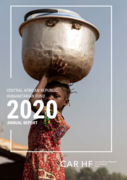
Almost two years after the signing of the Political Accord for Peace and Reconciliation (APPR), the Central African population is still hostage to an unstable and unpredictable security environment. Continuing conflicts in several areas of the country, structural weaknesses combined with the socio-e
...
conomic effects of the COVID-19 pandemic, and the devastating effects of natural disasters have plunged 2.6 million people into dire needs. Of this total, 1.6 million have severe humanitarian needs, a figure unmatched for five years, reflecting a deterioration in the physical and mental well-being and living conditions of populations across the country.
more
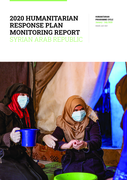
The figures and findings reflected in the 2020 PMR represent the independent analysis of the United Nations (UN) and its humanitarian partners based on information available to them. Many of the figures provided throughout the document are estimates
...
based on sometimes incomplete and partial data sets using the methodologies for collection that were available at the time. The Government of Syria has expressed its reservations over the data sources and methodology of assessments used to inform the 2020 Humanitarian Needs Overview (HNO) as well as on a number of HNO findings reflected in the 2020 HRP. This applies throughout the document.
more
Information for Humanitarian Aid Healthcare Workers: Ebola Virus Disease
Public Health England
(2014)
Anyone planning to conduct humanitarian work in areas of Africa where outbreaks of Ebola virus disease are known to occur needs to be familiar with how Ebola virus is transmitted.
This leaflet reco
...
mmends the precautions that humanitarian workers should take and provides advice on what to do if you suspect an infection
more
Humanitarian crises can affect women, men, girls and boys in radically different ways. To address the different impacts of conflict and disasters on each group and promote the potential for positive transformation of gender norms, Oxfam calls for
...
humanitarian agencies to analyse, plan, and respond to crises in ways that address practical gender needs and promote women’s rights. Oxfam is committed to promoting gender equality and preventing gender-based violence, through the implementation of its Minimum Standards for Gender in Emergencies. In addition, the promotion of gender equality must be central to the broader efforts to protect civilians and manage and prevent conflict and armed violence.
more
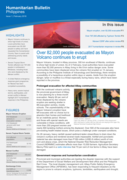
Mayon Volcano continues to show high levels of unrest. Local authorities have evacuated over 82,000 people to safety and have requested the Humanitarian Country Team to assist with addressing priority need
...
s and issues.
• Severe Tropical Storm Tembin affected over 797,000 people in northeastern Mindanao, including those who were displaced by the Marawi conflict.
more
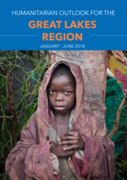
The report covers: drivers of humanitarian crises in the region, particularly the intensification of violence in the DRC; manifestations of humanitarian n
...
eeds, including record levels of displacement and food insecurity; and constraints to meeting humanitarian needs, including obstacles to humanitarian access and inadequate funding
more
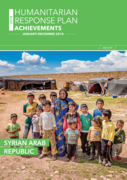
The 2018 Humanitarian Response Plan (HRP) aimed to assist 10.5 million people with direct assistance and 11.2 million people with improved access to basic services. In an effort to meet humanitarian
...
needs, humanitarian partners provided various types of humanitarian life-saving and life-sustaining assistance and services to a monthly average of 5.5 million people during 2018. Of the 5.5 million people reached on average on a monthly basis, 2.1 million were people living in areas of high severity of need, as measured through the inter-sector severity scale.
In 2018, these efforts were funded by international support to Syria with $2.19 billion raised (65 per cent of HRP requirements) by the end of the year – more than any previous year. Thanks to this generous support, humanitarian organisations in Syria continued to deliver a massive humanitarian response to people in need with multiple humanitarian crises unfolding across the country.
more
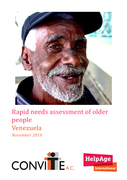
HelpAge International is a global network of organisations promoting the right of all older people to lead dignified, healthy and secure lives. Convite is a humanitarian, independent, nonprofit, non-governmental organisation that works to guarantee
...
and promote social, economic and cultural rights across Venezuela and is a new member of the HelpAge Global Network. Convite provides direct support to older people, as well as assisting the National Committee of the Pensioned and Retired of Venezuela as part of the Latin American Democracy Network. One of the organisation’s main objectives is to the raise the profile of the crisis in the country internationally.
more
The Child Protection handbook provides a synthesis of good practice and learning and enables better advocacy and communication on child protection risks, needs and responses. Standards addressing child protection
...
needs cover core work areas and critical issues. Those addressing strategy relate to case management, community-based child protection, child-friendly spaces and protection of excluded children. A fourth set of standards gives guidance on how workers in other sectors can ensure that their programmes are accessible and beneficial to children. DOCUMENT ALSO AVAILABLE IN: Arabic, Chinese, French, Indonesian, Korean, Spanish, Turkish, Urdu on http://cpwg.net/minimum_standards-topics/cpms-full-version/.
more
Managing stress in humanitarian workers
recommended
Guidelines for good practice. 3rd edition
The Guidelines for Good Practice are intended to help organizations define their own needs in relation to stress management and develop their own staff care system. The process will be different for each or
...
ganization. National and international agencies, big and small organizations, will have to find the process and policies that work for them.
more
In 2021, the Covid-19 pandemic continued to overlay other pre-existing and emerging crisis risks, driving need and complicating response. Following the rapid rise in demand for humanitarian assistance in 2020,
...
needs remained at historically high levels in 2021. Growth in the volume of total international humanitarian assistance has stalled, with only slightly more provided in 2021 than in 2018.with the global economy under significant strain and donor governments facing increasing domestic costs, global aid is projected to decline further and faster.
more
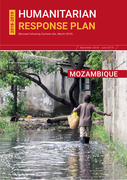
This document is produced by the Humanitarian Country Team and the United Nations Resident
Coordinator’s Office in Mozambique, with the support of the United Nations Office for the Coordination of
Huma
...
nitarian Affairs (OCHA). The projects reflected here support the national government. It covers the
period from November 2018 to June 2019. The Plan has been revised in March 2019 to incorporate the
immediate response to needs arising from the impact of Cyclone Idai.
more

The protracted humanitarian situation in northeastern Nigeria, particularly in Borno, Adamawa, and Yobe (BAY) States, remains a concern due to ongoing insecurity, displacement, food insecurity, disease outbreaks, and climate-related shocks. To addre
...
ss these complex challenges, the health sector has developed a comprehensive humanitarian response strategy aligned with the three States Development plans, Durable Solutions for the Population Displacement Plan, and the Humanitarian Need Response Plan for 2025. This strategy aims to reduce morbidity and mortality among crisisaffected populations by ensuring timely, equitable, and effective delivery of lifesaving health services, while strengthen the resilience of health system and enhancing local and national capacities for sustainable health response in protracted emergency.
Supported by an in-depth analysis of the ongoing health humanitarian response using the Strengths, Weaknesses, Opportunities, and Threats (SWOT) methodology, the strategy is guided by three key objectives:
1. Provide access to lifesaving interventions and sustain an effective response to the prolonged health emergency.
2. Prevent, mitigate, and prepare for health risks from all hazards and respond to all health emergencies.
3. Advance the primary health care approach and essential health system capacities for universal health coverage.
To achieve these objectives, the strategy employs the “Five C” framework which refers to:
• Collaborative Surveillance: Enhancing collaborative efforts for effective monitoring.
• Community Protection: Implementing community-based protection measures.
• Safe and Scalable Care: Ensuring care that is both secure and scalable.
• Access to Countermeasures: Facilitating access to necessary countermeasures.
• Emergency Coordination: Coordinating emergency responses efficiently.
These proactive approaches are designed to be more anticipatory and preemptive rather than reactive, aiming to meet the needs of the crisis-affected population by providing lifesaving interventions, enhancing preventive and anticipatory actions, and ensuring the resilience of the health system. All actions are guided by International Humanitarian Standards and the Humanitarian Principles.
The implementation of the health humanitarian response strategy will involve collaboration with local authorities, non-governmental organizations (NGOs), and international organizations. The strategy emphasizes localization and resource mobilization, efficient logistics and supply chain management, mainstreaming protection, and the deployment and training of healthcare workers. Continuous monitoring and periodic evaluation will ensure the effectiveness of the response. Cross-sector collaboration with sectors such as WASH, Nutrition, Education, and Protection will be crucial to enhance the quality and reach of health interventions. Additionally, sustainability and transition approaches will ensure long-term health outcomes and benefits, bridging the gap from humanitarian to development efforts.
By adopting this comprehensive approach, the humanitarian response in northeastern Nigeria, particularly in BAY States, can be effectively guided, ultimately reducing the suffering of affected populations.
more

Humanitarian emergencies result in a breakdown of critical health-care services and often make vulnerable communities dependent on external agencies for care. In resource-constrained settings, this may occur against a backdrop of extreme poverty, ma
...
lnutrition, insecurity, low literacy and poor infrastructure. Under these circumstances, providing food, water and shelter and limiting communicable disease outbreaks become primary concerns. Where effective and safe vaccines are available to mitigate the risk of disease outbreaks, their potential deployment is a key consideration in meeting emergency health needs. Ethical considerations are crucial when deciding on vaccine deployment. Allocation of vaccines in short supply, target groups, delivery strategies, surveillance and research during acute humanitarian emergencies all involve ethical considerations that often arise from the tension between individual and common good. The authors lay out the ethical issues that policy-makers need to bear in mind when considering the deployment of mass vaccination during humanitarian emergencies, including beneficence (duty of care and the rule of rescue), non-maleficence, autonomy and consent, and distributive and procedural justice
more

Guidelines for good practice
The Guidelines are organized around eight key Principles corresponding to the course of a staff member’s contract. The accompanying diagram represents the principles visually. Each principle has supporting Indicators and Comments and Case Studies designed to assist th
...
e reader to more fully understand the concepts that the principles are based on and how they can be translated into practice. The principles and indicators are intended to apply to both international and national staff and to both office and field staff, recognizing that adjustments may be necessary to take account of the unique needs and characteristics of each group and of the organization. They constitute a tool for learning, reflection and planning rather than a set of rigid rules or solutions that are applicable under all conditions.
more
Safety and security for national humanitarian workers
Stoddard, Abby ; Harmer, Adele ; Haver, Katherine
Office for the Coordination of Humanitarian Affairs (OCHA)
(2011)
C1
Annex I to: To stay and deliver, good practice for humanitarians in complex security environments
The principal findings of the report include that despite overall improvements in aid agencies’ security risk management, national aid workers perceive continued inequities in security suppor ... t compared with their international counterparts. National aid workers, while less subject to major attacks per capita than international aid workers, nevertheless form the majority of victims, and their specific security needs require more attention. more
The principal findings of the report include that despite overall improvements in aid agencies’ security risk management, national aid workers perceive continued inequities in security suppor ... t compared with their international counterparts. National aid workers, while less subject to major attacks per capita than international aid workers, nevertheless form the majority of victims, and their specific security needs require more attention. more
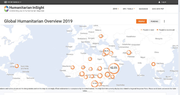
A web-based portal that connects the data and information generated through coordination processes to the managers and leaders who rely on it for decision-making. Using Humanitarian InSight, anyone can, for the first-time, access publicly available
...
information on needs, response, funding and gaps through one innovative and intuitive online portal. Humanitarian InSight will help strengthen our commitment to greater transparency and accountability, and increasingly allow us to showcase collective achievements in coordinated humanitarian response.
more
