
Filter
451
Text search:
Cognitive
profile
Featured
40
104
Language
Document type
305
53
52
21
8
7
4
1
Countries
21
17
12
12
7
6
6
6
6
6
5
5
4
4
4
4
4
4
4
4
3
3
3
3
3
3
2
2
2
2
2
2
2
2
2
2
2
1
1
1
1
1
1
1
1
1
1
1
1
1
1
Authors & Publishers
Publication Years
Category
124
37
26
21
19
11
Toolboxes
156
39
17
16
16
11
10
8
6
4
4
4
3
3
2
2
2
2
2
1
1

20 February 2013
Update on 2004 Background Paper (Written by Saloni Tanna)
Priority Medicines for Europe and the World "A Public Health Approach to Innovation"
Q3: For behavioural and psychological symptoms in people with dementia, do following drugs, when compared to placebo/comparator, produce benefits/harm in the specified outcomes?
Published: March 28, 2017https://doi.org/10.1371/journal.pmed.1002271
PLoS Med 14(3): e1002271. https://doi.org/10.1371/journal.pmed.1002271
SCOPING QUESTION: For adults and children with medication-resistant convulsive epilepsy, which anti-epileptic medications produce benefits and/or harm in the specified outcomes when compared to a placebo or a comparator?
SCOPING QUESTION: Which psychosocial interventions are effective in the management of cannabis dependence?
SCOPING QUESTION:Which psychosocial interventions are effective in the treatment of psychostimulant dependence for adults and young people?
Other disorders
Chapter H.5.1
(2015)
Scoping question: Are antidepressants (specifically, tricyclic antidepressants and selective serotonin reuptake inhibitors) effective and safe in adolescents with moderate-severe depressive disorder for whom psychosocial interventions have proven ineffective?
[Updated 2015]
SCOPING QUESTION: What is the effectiveness of psychosocial interventions (including caregiver skills training) for behavioural disorders in children and adolescents?
Q11. SCOPING QUESTIONS: In people with psychotic disorders (including schizophrenia and bipolar disorder) are recovery-oriented psychosocial strategies enhancing independent living and social skills (such as life skills and social skills training) feasible and effective?

Lancet Glob Health 2019Published OnlineOctober 22, 2019 https://doi.org/10.1016/S2214-109X(19)30425-5

Enabling young children to achieve their full developmental potential is a human right and an essential requisite for sustainable development. Given the critical importance of enabling children to make the best start in life, the health sector, among other sectors, has an important role and responsi
...

The primary audience of this report with the compendium of resources are youth engagement practitioners in the Red Cross Red Crescent National Societies as well as technical experts and policy makers across the humanitarian landscape that thrive for meaningful interventions with and for children, ad
...

WHO Ghana 2022 annual report
recommended
“2022 was an eventful year for the WHO Country Office in Ghana,” says Dr Francis Kasolo, WHO Representative to Ghana.
In 2022, WHO Ghana collaborated with partners to deliver interventions in support of the Government of Ghana's health sector agenda to ensure healthy lives for all towards ach
...

This document by Medicines for Malaria Venture (MMV) highlights the significant burden of malaria on children worldwide, emphasizing the need for effective prevention, diagnosis, and treatment strategies. It reviews current challenges and progress in combating pediatric malaria, advocating for conti
...

To contribute to the availability of basic knowledge and skills for the provision of palliative care in
the African region, the African Palliative Care Association (APCA) has developed a competencybased core curriculum framework for use in introductory training on palliative care. The curriculum
...
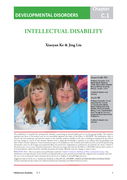
This publication seeks to describe the best treatments and practices based on the scientific evidence available at the time of writing as evaluated by the authors and may change as a result of new research. Readers need to apply this knowledge to patients in accordance with the guidelines and laws o
...

This paper showed a large positive correlation coefficient between psychosocial health problems and dysfunctional abilities among rural community members
