
Filter
1090
Text search:
Behavioral
Control
Featured
72
280
Language
Document type
693
161
104
51
35
25
9
6
3
2
1
Countries
51
45
39
36
35
29
28
27
23
19
19
18
18
16
12
12
12
12
10
10
10
9
9
9
9
9
9
8
8
8
8
8
7
5
5
5
4
4
4
4
4
4
4
3
3
3
3
3
2
2
2
2
2
2
2
2
2
2
2
2
2
2
2
2
1
1
1
1
1
1
1
1
1
1
1
1
1
1
1
1
1
1
1
1
1
1
1
1
Authors & Publishers
Publication Years
Category
428
46
42
29
28
14
Toolboxes
298
69
40
36
30
28
27
26
25
23
19
13
12
10
9
8
7
7
7
7
5
4
3
2
1

The National Integrated Comprehensive Cholera Prevention and Control Plan (2017-2022) outlines Uganda's strategy to reduce cholera cases and mortality by 50% by 2022. The plan focuses on improving access to clean water, sanitation, and hygiene (WASH
...

The five hepatitis viruses have different epidemiological profiles, and their impact, duration, and transmission route also vary. The most common transmission routes contributing to the spread of hepatitis are exposure to infected blood via blood transfusion or unsafe injection practices, consumptio
...
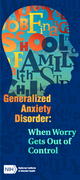
Occasional anxiety is a normal part
of life. You might worry about things
like health, money, or family
problems. But people with
generalized anxiety disorder (GAD)
feel extremely worried or feel
nervous about these and other
things—even when there is little or
no reason to worry about the
...
Annex. This document is an update of a guidance published on 12 July 2021, after the review of new scientific evidence on transmission of SARS-CoV-2 variants of concern (VOC). It contains updated recommendations on the use of masks and respirators for health workers providing care to suspected or c
...
This guidance note developed by UNICEF helps WASH staff in their preparedness and response to the current COVID-19 pandemic. It provides an overview of Infection Prevention and Control (IPC) and its intersection with water, sanitation and hygiene (W
...
This guidance note developed by UNICEF explains how the WASH sector can implement infection prevention and control measures in households and community settings. It focuses on reducing the exposure to the disease in vulnerable community settings and
...

Namibia is no exception to the growingglobal concern on the increasing burden of NCDs. Namibia is an upper middle income country with fast economic growth since independence in 1990. The country is bearing the double burden of communicable and noncommunicable diseases and rapid urbanizat
...

India is experiencing rapid demographic and epidemiological transitions with NCDs causing significant disability, morbidity and mortality both in urban and rural populations and across all socioeconomic strata. According to the ICMR State Level Disease Burden Initiative, in 2016, NCDs accounted to a
...
Trachoma causes more vision loss and blindness than any other infection in the world. This disease is caused by Chlamydia trachomatis bacteria. Other variants or strains of these bacteria can cause a sexually transmitted infection (chlamydia) and disease in lymph nodes.
This is photomicrograph
...

Non-Communicable Diseases (NCDs), including mental disorders, currently pose one of the biggest threats to health and development globally, particularly in low and middle income countries2. It is predicted that unless proven interventions are rapidly implemented in countries, in the short to medium
...

Public health challenges over the past decade have highlighted the importance of approaching health through a holistic lens of human, animal, and environmental sectors, recognizing the need for a collaborative response against shared threats. Zoonotic diseases, transmitted between humans and animals
...
The project will support preventive actions, traditional medicine and the coordination and
implementation capacities of the national framework for HIV/AIDS control.
