Filter
1033
Text search:
coping
with
stress
Featured
129
198
Language
Document type
576
160
106
98
28
25
14
9
9
6
1
1
Countries
45
42
31
23
22
20
17
16
16
14
12
12
11
11
10
9
9
9
8
7
7
7
7
6
6
6
5
5
5
5
5
5
5
4
4
4
4
4
4
4
4
4
3
3
3
3
3
3
3
3
2
2
2
2
2
2
2
2
2
1
1
1
1
1
1
1
1
1
1
1
1
1
1
1
1
1
1
1
1
1
1
1
1
1
1
1
1
Authors & Publishers
Publication Years
Category
261
89
52
40
40
30
1
Toolboxes
316
128
85
46
46
44
38
30
19
16
14
13
10
10
7
7
5
4
4
3
2
2
2
An ICRC Guidance Document

This field action guide focuses on the first psychosocial assessment to be conducted just after a calamity strikes or just after a major event in an ongoing armed conflict. While it is necessary to update that initial assessment as the emergency situation evolves through the different phases of reco
...
Resource Kit for Field workers
Available in: English, French, Chinese, Spanish, Russian, Arabic, Thai, Korean, Tajik, Vietnamese, Uzbek
http://www.who.int/disabilities/cbr/guidelines/en/
This paper presents lessons learned from previous flood responses in developing countries, based on a structured review of the literature. It is intended for people working in relief and recovery operations who have to decide if, when and how to intervene after a flood.
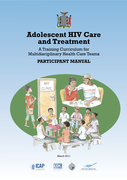
The curriculum, which complements the national pediatric ART training, was finalized in 2011 and was subsequently implemented nationally. The training curriculum includes a 15-module Trainer Manual, a Participant Manual, and accompanying PowerPoint slides.
Sphere for Monitoring and Evaluation
recommended
Sphere Unpacked