Filter
1023
Text search:
childhood
disabilities
Featured
94
263
Language
Document type
697
135
83
36
32
21
8
7
2
1
1
Countries
46
33
30
30
29
26
18
18
17
17
16
14
13
13
13
13
13
12
12
12
11
11
10
9
9
9
8
7
7
6
6
6
5
4
4
4
4
4
4
4
4
4
4
3
3
3
3
2
2
2
2
2
2
2
2
2
2
1
1
1
1
1
1
1
1
1
1
1
1
1
1
1
1
1
1
1
1
1
1
Authors & Publishers
Publication Years
Category
395
84
54
31
31
19
Toolboxes
244
185
48
33
27
26
25
23
14
12
11
11
7
6
5
5
3
3
3
2
2
1
1
In the last five years, i.e. how old turned the Campaign “Indifesa” (Defenceless) in 2016, that was launched by Terre des Hommes in 2012, the world has become smaller. One can actually say that the derangements following the Arab Spring in 2011 reshuffled what is stable and what produces instabi
...
Mapping actions of nongovernmental organizations and other international development organizations
This manual provides information and guidance for individuals concerned with the mental health needs of children who experience major disasters. This background, training, and experience will vary and may include health and mental health professionals, professional and paraprofessional social servic
...

Around the world, approximately 1 in 45 children are on the move – nearly 50 million boys and girls that have migrated across borders or been forcibly displaced within their own countries.1 Climate-related events
and their impacts are already contributing significantly to these staggering numbers
...
The International Association for Child and Adolescent Psychiatry and
Allied Professions (IACAPAP) aims to promote the mental health and
development of children and adolescents worldwide. It seeks to achieve
this by contributing to the training and professional development of the
child and adole
...
Q5: What is the added advantage of doing an electroencephalography (EEG) in people with convulsive epilepsy in non- specialist settings in low and middle income countries?
Children's Health and the Environment WHO Training Package for the Health Sector World Health Organization

Good mental health is integral to human health and well being. A person’s mental health and many common mental disorders are shaped by various social, economic, and physical environments operating at different stages of life. Risk factors for many common mental disorders are heavily associated wit
...
The European Mental Health Action Plan 2013–2020
recommended
Mental disorders are one of the top public health challenges in the WHO European Region, affecting about 25% of the population every year. In all countries, mental health problems are much more prevalent among the people who are most deprived. The WHO European Region therefore faces diverse challeng
...
Introduction
Chapter A.4
2017 edition
Introduction
Chapter A.7
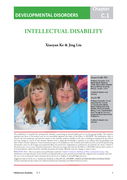
This publication seeks to describe the best treatments and practices based on the scientific evidence available at the time of writing as evaluated by the authors and may change as a result of new research. Readers need to apply this knowledge to patients in accordance with the guidelines and laws o
...
Externalising disorders
Chapter D.3
Other
Chapter H.4
2015 edition
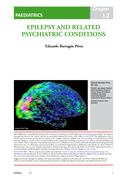
Paediatrics
Chapter I.2
Miscellaneous
Chapter J.5
Miscellaneous
Chapter J.6