Filter
2816
Text search:
humanitarian
protection
Featured
292
802
Language
2547
203
76
58
37
27
16
13
13
8
6
5
5
5
5
5
4
4
4
4
4
4
3
3
3
3
3
3
3
3
3
2
2
2
2
2
2
2
2
2
2
2
2
1
1
1
1
1
1
1
1
1
1
1
1
1
1
1
Document type
1331
540
323
188
187
101
80
33
15
7
5
2
1
1
Countries
166
145
109
100
90
72
61
58
56
53
51
50
46
45
44
39
37
37
35
34
33
30
28
25
24
23
22
20
20
19
19
18
18
17
16
16
16
16
15
15
14
14
14
13
13
13
13
12
12
11
11
10
10
9
9
9
9
8
8
8
7
7
7
7
7
7
7
6
6
6
6
5
5
4
4
4
4
4
4
4
4
4
4
4
4
3
3
3
3
3
3
3
3
3
3
3
2
2
2
2
2
2
2
2
2
2
2
2
2
2
2
1
1
1
1
1
1
1
1
1
1
1
1
1
1
1
1
1
1
1
1
1
1
1
1
1
1
1
1
1
1
1
Authors & Publishers
278
85
82
65
55
51
43
42
42
41
39
37
34
31
30
30
29
28
25
24
23
23
22
18
17
16
16
15
14
14
14
14
13
12
12
11
11
11
11
10
10
10
10
9
9
9
8
8
8
8
8
8
8
8
8
8
7
7
7
7
7
7
7
7
7
7
7
6
6
6
6
6
6
6
6
6
6
6
6
6
6
6
6
6
6
5
5
5
5
5
5
5
5
5
5
5
5
5
4
4
4
4
4
4
4
4
4
4
4
4
4
4
4
4
4
4
4
4
4
4
4
4
4
4
4
4
4
4
4
4
4
3
3
3
3
3
3
3
3
3
3
3
3
3
3
3
3
3
3
3
3
3
3
3
3
3
3
3
3
3
3
3
3
3
3
3
3
3
3
3
3
3
3
3
3
3
3
3
3
3
3
3
3
3
3
3
2
2
2
2
2
2
2
2
2
2
2
2
2
2
2
2
2
2
2
2
2
2
2
2
2
2
2
2
2
2
2
2
2
2
2
2
2
2
2
2
2
2
2
2
2
2
2
2
2
2
2
2
2
2
2
2
2
2
2
2
2
2
2
2
2
2
2
2
2
2
2
2
2
2
2
2
2
2
2
2
2
2
2
2
2
2
2
2
2
2
2
2
2
2
2
2
2
2
2
2
2
2
2
2
2
2
2
2
2
2
2
2
2
2
2
2
2
2
2
2
2
2
2
2
2
2
2
2
2
2
2
2
2
2
2
2
2
2
2
2
2
2
2
2
2
2
2
2
2
2
2
2
2
2
2
2
2
2
2
2
2
2
2
2
2
1
1
1
1
1
1
1
1
1
1
1
1
1
1
1
1
1
1
1
1
1
1
1
1
1
1
1
1
1
1
1
1
1
1
1
1
1
1
1
1
1
1
1
1
1
1
1
1
1
1
1
1
1
1
1
1
1
1
1
1
1
1
1
1
1
1
1
1
1
1
1
1
1
1
1
1
1
1
1
1
1
1
1
1
1
1
1
1
1
1
1
1
1
1
1
1
1
1
1
1
1
1
1
1
1
1
1
1
1
1
1
1
1
1
1
1
1
1
1
1
1
1
1
1
1
1
1
1
1
1
1
1
1
1
1
1
1
1
1
1
1
1
1
1
1
1
1
1
1
1
1
1
1
1
1
1
1
1
1
1
1
1
1
1
1
1
1
1
1
1
1
1
1
1
1
1
1
1
1
1
1
1
1
1
1
1
1
1
1
1
1
1
1
1
1
1
1
1
1
1
1
1
1
1
1
1
1
1
1
1
1
1
1
1
1
1
1
1
1
1
1
1
1
1
1
1
1
1
1
1
1
1
1
1
1
1
1
1
1
1
1
1
1
1
1
1
1
1
1
1
1
1
1
1
1
1
1
1
1
1
1
1
1
1
1
1
1
1
1
1
1
1
1
1
1
1
1
1
1
1
1
1
1
1
1
1
1
1
1
1
1
1
1
1
1
1
1
1
1
1
1
1
1
1
1
1
1
1
1
1
1
1
1
1
1
1
1
1
1
1
1
1
1
1
1
1
1
1
1
1
1
1
1
1
1
1
1
1
1
1
1
1
1
1
1
1
1
1
1
1
1
1
1
1
1
1
1
1
1
1
1
1
1
1
1
1
1
1
1
1
1
1
1
1
1
1
1
1
1
1
1
1
1
1
1
1
1
1
1
1
1
1
1
1
1
1
1
1
1
1
1
1
1
1
1
1
1
1
1
1
1
1
1
1
1
1
1
1
1
1
1
1
1
1
1
1
1
1
1
1
1
1
1
1
1
1
1
1
1
1
1
1
1
1
1
1
1
1
1
1
1
1
1
1
1
1
1
1
1
1
1
1
1
1
1
1
1
1
1
1
1
1
1
1
1
1
1
1
1
1
1
1
1
1
1
1
1
1
1
1
1
1
1
1
1
1
1
1
1
1
1
1
1
1
1
1
1
1
1
1
1
1
1
1
1
1
1
1
1
1
1
1
1
1
1
1
1
1
1
1
1
1
1
1
1
1
1
1
1
1
1
1
1
1
1
1
1
1
1
1
1
1
1
1
1
1
1
1
1
1
1
1
1
1
1
1
1
1
1
1
1
1
1
1
1
1
1
1
1
1
1
1
1
1
1
1
1
1
1
1
1
1
1
1
1
1
1
1
1
1
1
1
1
1
1
1
1
1
1
1
1
1
1
1
1
1
1
1
1
1
1
1
1
1
1
1
1
1
1
1
1
1
1
1
1
1
1
1
1
1
1
1
1
1
1
1
1
1
1
1
1
1
1
1
1
1
1
1
1
1
1
1
1
1
1
1
1
1
1
1
1
1
1
1
1
1
1
1
1
1
1
1
1
1
1
1
1
1
1
1
1
1
1
1
1
1
1
1
1
1
1
1
1
1
1
1
1
1
1
1
1
1
1
1
1
1
1
1
1
1
1
1
1
1
1
1
1
1
1
1
1
1
1
1
1
1
1
1
1
1
1
1
1
1
1
1
1
1
1
1
1
1
1
1
1
1
1
1
1
1
1
1
1
1
1
1
1
1
1
1
1
1
1
1
1
1
1
1
1
1
1
1
1
1
1
1
1
1
1
1
1
1
1
1
1
1
1
1
1
1
1
1
1
1
1
1
1
1
1
1
1
1
1
1
1
1
1
1
1
1
1
1
1
1
1
1
1
1
1
1
1
1
1
1
1
1
1
1
1
1
1
1
1
1
1
1
1
1
1
1
1
1
1
1
1
1
1
1
1
1
1
1
1
1
1
1
1
1
1
1
1
1
1
1
1
1
1
1
1
1
1
1
1
1
1
1
1
1
1
1
1
1
1
1
1
1
1
1
1
1
1
1
1
1
1
1
1
1
1
1
1
1
1
1
1
1
1
1
1
1
1
1
1
1
1
1
1
1
1
1
1
1
1
1
1
1
1
1
1
1
1
1
1
1
1
1
1
1
1
1
1
1
1
1
1
1
1
1
1
1
1
1
1
1
1
1
1
1
1
1
1
1
1
1
1
1
1
1
1
1
1
1
1
1
1
1
1
1
1
1
1
1
1
1
1
1
1
1
1
1
1
1
1
1
1
1
1
1
1
1
1
1
1
1
1
1
1
1
1
1
1
1
1
1
1
1
1
1
1
1
1
1
1
1
1
1
1
1
1
1
1
1
1
1
1
1
1
1
1
1
1
1
1
1
1
1
1
1
1
1
1
1
1
1
1
1
1
1
1
1
1
1
1
1
1
1
1
1
1
1
1
1
1
1
1
1
1
1
1
1
1
1
1
1
1
1
1
1
1
1
1
1
1
1
1
1
1
1
1
1
1
1
1
1
1
1
1
1
1
1
1
1
1
1
1
1
1
1
1
1
1
1
1
1
1
1
1
1
1
1
1
1
1
1
1
1
1
1
1
1
1
1
1
1
1
1
1
1
1
1
1
1
1
1
1
1
1
1
1
1
1
1
1
1
1
1
1
1
1
1
1
1
1
1
1
1
1
1
1
1
1
1
1
1
1
1
1
1
1
1
1
1
1
1
1
1
1
1
1
1
1
1
1
1
1
1
1
1
1
1
1
1
1
1
1
1
1
1
1
1
1
1
1
1
1
1
1
1
1
1
1
1
1
1
1
1
1
1
1
1
1
1
1
1
1
1
1
1
1
1
1
1
1
1
1
1
1
1
1
1
1
1
1
1
1
1
1
1
1
1
1
1
1
1
1
1
1
1
1
1
1
1
1
1
1
1
1
1
1
1
1
1
1
1
1
1
1
1
1
1
1
1
1
1
1
1
1
1
1
1
1
1
1
1
1
1
1
1
1
1
1
1
1
1
1
1
1
1
1
1
1
1
1
1
1
1
1
1
1
1
1
1
1
1
1
1
1
1
1
1
1
1
1
1
1
1
1
1
1
1
1
1
1
1
1
1
1
1
1
1
1
1
1
1
1
1
1
1
1
1
1
1
1
1
1
1
1
1
1
1
1
1
1
1
1
1
1
1
1
1
1
1
1
1
1
1
1
1
1
1
1
1
1
1
1
1
1
1
1
1
1
1
1
1
1
1
1
1
1
1
1
1
1
1
1
1
1
1
1
1
1
1
1
1
1
1
1
1
1
1
1
1
1
1
1
1
1
1
Publication Years
1
1160
1473
163
16
1
1
1
Category
931
436
206
115
90
41
7
3
Toolboxes
421
355
210
177
154
141
132
78
77
51
45
42
41
26
25
24
23
22
17
14
12
11
10
10
4
3
2
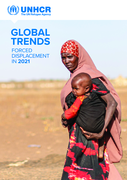
Continuing a worrying decade-long rising trend, the number of people forced to flee due to persecution, conflict, violence, human rights violations and events seriously disturbing public order climbed to 89.3 million by the end of 2021. This is more than double the 42.7 million people who remained f
...
orcibly displaced at the end of 2012 and represents a sharp 8 per cent increase of almost 7 million people in the span of just 12 months. As a result, above one per cent of the world’s population – or 1 in 88 people – were forcibly displaced at the end of 2021. This compares with 1 in 167 at the end of 2012. During 2021, some 1.7 million people crossed international borders seeking protection and 14.4 million new displacements within their countries were reported. This is a dramatic increase from the combined 11.2 million a year earlier.
more
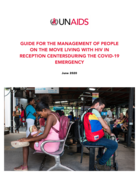
The COVID-19 pandemic has had an unprecedented impact on health care systems that, in many instances, worsened the already existing assistance gaps. When it comes to Latin America and Central America, this challenge adds to the consequences mass mobilizations have had in recent years, which have exc
...
eeded the national capacities to provide prompt assistance and social protection, particularly in the health care field. This pandemic has a direct impact on people on the move since the movement restriction policies and the lockdown and social distancing measures have reduced their ability to insert themselves into economic activities that were already precarious in many cases. Consequently, they have less access to food, housing, medicines and other essential consumer goods, and fewer possibilities of getting to their countries of destinati
more
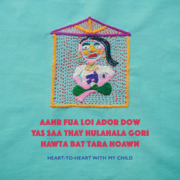
One booklet is called "Heart-to-Heart with My Child." Published for Rohingya adults and children, it conveys key child protection messages in accessible terms in both Rohingya and in English. The messages are illustrated with embroideries made by Ro
...
hingya female artists, engaged with IOM's Rohingya Cultural Memory Centre (RCMC).
During focus group discussions and one-on-one interviews with IOM's protection team, refugees often share stories of harassment and physical abuse. The team encountered several protection risks in the camps, which the staff has been gradually mitigating.
more
The COVID-19 outbreak has restricted global mobility, whilst heightening the risk of exploitation of vulnerable populations. This report provides a snapshot of the COVID-19 epidemiological situation and mobility restrictions, and of the current migration trends along the Eastern Corridor migration r
...
oute, in addition to an analysis of the impact that movement restrictions have had in Djibouti, Ethiopia, Somalia, and Yemen. Moreover, it provides information on the main protection concerns for migrants and assistance provided, and COVID-19 risk mitigation measures. This report utilizes data collected through IOM’s Displacement Tracking Matrix (DTM) Flow Monitoring Points (FMPs), Migrant Response Centres (MRCs), Assisted Voluntary Return (AVR) data, as well as anecdotal information provided by IOM team members working in the region.
more

New research exposes how women and children are disproportionally affected by climate migration, which puts them at greater risk of gender-based violence, child labour and exploitation.
Governments must ensure the safety and protection of women a
...
nd girls in climate emergencies, including the safe and equal access to basic services, food, and healthcare before, during, and after disasters. Women must also be included in decision making in their communities so they can lead on resilience building and address gendered issues of migration and displacement.
more
Little is known about foreign aid provided by private donors. This paper contributes to closing this research gap by comparing the allocation of private humanitarian aid to that of official humanitarian
...
aid awarded to 140 recipient countries over the 2000-2016 period. We construct a new database that offers information on the country in which the headquarters of private donors are located to test whether private donors follow the aid allocation pattern of their home country. Our empirical results confirm that private aid “follows the flag.” This finding is robust against the inclusion of various fixed effects, estimating instrumental variables models, and disaggregating private aid into corporate aid and NGO aid. Donor country-specific estimations reveal that private aid from China, Sweden, the United Kingdom, and the United States “follow the flag.”
more
This brief highlights the urgency of addressing gender inequalities across the Rio Conventions, provides examples of where progress has been made, and identifies clear entry points for addressing gender equality considerations across the Conventions. It makes recommendations for actions to accelerat
...
e the synergistic implementation of the gender provisions and action plans of the Conventions.
more
June 2021. Shock-responsive social protection (SRSP) operates in contexts where rapid on-set disasters mean needs for assistance are acute and urgent. Monitoring and identifying problems in programme design and delivery are therefore critical. Howev
...
er, there is limited existing guidance on how to monitor shockresponsive social protection in these contexts.
This Brief aims to help fill this gap. It does not provide a blueprint for developing monitoring indicators, but it presents a guiding framework with key questions and key issues to consider when monitoring SRSP to understand how the intervention contributes to broader crisis response.
more
A step-by-step guide for child protection programmes to the design and implementation of KAP survey methods. In particular, this guide will help to strengthen the quality of our research, monitoring and evaluation work, and enable Save the Children
...
to contribute to a step-change in the child protection evidence base that is so critically needed. Document also available in French, Spanish and Arabic.
more
War and natural disaster result in millions of families and children witnessing or being victims
of unthinkable atrocities. Save the Children is working to minimize the harm children
experience during and after an emergency. It is working to ensure children are protected
from participating in arm
...
ed forces or groups, stay together with their families and are not
subject to exploitation and sexual abuse.
more

Condensed 1 page child protection checklist to be used in the first 6 weeks of response.
Resources on similar topics
Guide des programmes de protection de l’enfant pour concevoir et appliquer pas-à-pas les méthodes d’enquête CAP.
A step-by-step guide for child protection programmes to the design and implementation of KAP survey methods.