Filter
1722
Text search:
Ethical
Issues
Featured
143
421
Language
1654
53
45
34
26
14
11
4
3
3
3
3
2
2
2
2
2
2
2
2
2
2
2
1
1
1
1
1
1
1
1
1
1
1
1
1
1
1
1
1
1
1
1
1
Document type
908
280
251
142
63
41
21
6
5
4
1
Countries
70
63
59
46
42
39
38
37
34
30
30
29
25
24
24
23
23
21
19
18
16
15
15
13
12
11
11
10
10
10
9
9
9
8
8
8
8
7
7
6
6
5
5
5
5
5
4
4
4
4
3
3
3
3
3
3
2
2
2
2
2
2
2
2
2
2
2
1
1
1
1
1
1
1
1
1
1
1
1
1
1
1
1
1
1
1
1
1
1
1
1
1
1
1
1
1
1
1
Authors & Publishers
235
81
64
38
33
25
21
20
17
16
15
14
14
12
12
11
10
10
9
9
9
9
8
7
7
7
7
6
6
6
6
6
6
5
5
5
5
5
5
5
5
5
5
5
5
4
4
4
4
4
4
4
4
4
4
4
4
4
4
4
4
4
4
4
3
3
3
3
3
3
3
3
3
3
3
3
3
3
3
3
3
3
3
3
3
3
3
3
3
3
3
3
3
3
3
3
3
3
3
3
3
3
3
2
2
2
2
2
2
2
2
2
2
2
2
2
2
2
2
2
2
2
2
2
2
2
2
2
2
2
2
2
2
2
2
2
2
2
2
2
2
2
2
2
2
2
2
2
2
2
2
2
2
2
2
2
2
2
2
2
2
2
2
2
2
2
2
2
2
2
2
2
2
2
2
2
2
2
2
2
2
2
2
2
2
2
2
2
2
2
2
2
1
1
1
1
1
1
1
1
1
1
1
1
1
1
1
1
1
1
1
1
1
1
1
1
1
1
1
1
1
1
1
1
1
1
1
1
1
1
1
1
1
1
1
1
1
1
1
1
1
1
1
1
1
1
1
1
1
1
1
1
1
1
1
1
1
1
1
1
1
1
1
1
1
1
1
1
1
1
1
1
1
1
1
1
1
1
1
1
1
1
1
1
1
1
1
1
1
1
1
1
1
1
1
1
1
1
1
1
1
1
1
1
1
1
1
1
1
1
1
1
1
1
1
1
1
1
1
1
1
1
1
1
1
1
1
1
1
1
1
1
1
1
1
1
1
1
1
1
1
1
1
1
1
1
1
1
1
1
1
1
1
1
1
1
1
1
1
1
1
1
1
1
1
1
1
1
1
1
1
1
1
1
1
1
1
1
1
1
1
1
1
1
1
1
1
1
1
1
1
1
1
1
1
1
1
1
1
1
1
1
1
1
1
1
1
1
1
1
1
1
1
1
1
1
1
1
1
1
1
1
1
1
1
1
1
1
1
1
1
1
1
1
1
1
1
1
1
1
1
1
1
1
1
1
1
1
1
1
1
1
1
1
1
1
1
1
1
1
1
1
1
1
1
1
1
1
1
1
1
1
1
1
1
1
1
1
1
1
1
1
1
1
1
1
1
1
1
1
1
1
1
1
1
1
1
1
1
1
1
1
1
1
1
1
1
1
1
1
1
1
1
1
1
1
1
1
1
1
1
1
1
1
1
1
1
1
1
1
1
1
1
1
1
1
1
1
1
1
1
1
1
1
1
1
1
1
1
1
1
1
1
1
1
1
1
1
1
1
1
1
1
1
1
1
1
1
1
1
1
1
1
1
1
1
1
1
1
1
1
1
1
1
1
1
1
1
1
1
1
1
1
1
1
1
1
1
1
1
1
1
1
1
1
1
1
1
1
1
1
1
1
1
1
1
1
1
1
1
1
1
1
1
1
1
1
1
1
1
1
1
1
1
1
1
1
1
1
1
1
1
1
1
1
1
1
1
1
1
1
1
1
1
1
1
1
1
1
1
1
1
1
1
1
1
1
1
1
1
1
1
1
1
1
1
1
1
1
1
1
1
1
1
1
1
1
1
1
1
1
1
1
1
1
1
1
1
1
1
1
1
1
1
1
1
1
1
1
1
1
1
1
1
1
1
1
1
1
1
1
1
1
1
1
1
1
1
1
1
1
1
1
1
1
1
1
1
1
1
1
1
1
1
1
1
1
1
1
1
1
1
1
1
1
1
1
1
1
1
1
1
1
1
1
1
1
1
1
1
1
1
1
1
1
1
1
1
1
1
1
1
1
1
1
1
1
1
1
1
1
1
1
1
1
1
1
1
1
1
1
1
1
1
1
1
1
1
1
1
1
1
1
1
1
1
1
1
1
1
1
1
1
1
1
1
1
1
1
1
1
1
1
1
1
1
1
1
1
1
1
1
1
1
1
1
1
1
1
1
1
1
1
1
1
1
1
1
1
1
1
1
1
1
1
1
1
1
1
1
1
1
1
1
1
1
1
1
1
1
1
1
1
1
1
1
1
1
1
1
1
1
1
1
1
1
1
1
1
1
1
1
1
1
1
1
1
1
1
1
1
1
1
1
1
1
1
1
1
1
1
1
1
1
1
1
1
1
1
1
1
1
1
1
1
1
1
1
1
1
1
1
1
1
1
1
1
1
1
1
1
1
1
1
1
1
1
1
1
1
1
1
1
1
1
1
1
1
1
1
1
1
1
1
1
1
1
1
1
1
1
1
1
1
1
1
1
1
1
1
1
1
1
1
1
1
1
1
1
1
1
1
1
1
1
1
1
1
1
1
1
1
1
1
1
1
1
1
1
1
1
1
1
1
1
1
1
1
1
1
1
1
1
1
1
1
1
1
1
1
1
1
1
1
1
1
1
1
1
1
1
1
1
1
1
1
1
1
1
1
1
1
1
1
1
1
1
1
1
1
1
1
1
1
1
1
1
1
1
1
1
1
1
1
1
1
1
1
1
1
1
1
1
1
1
1
1
1
1
1
1
1
1
1
1
1
1
1
1
1
1
1
1
1
1
1
1
1
1
1
1
1
1
1
1
1
1
1
1
1
1
1
1
1
1
1
1
1
1
1
1
1
1
1
1
1
1
1
1
1
1
1
1
1
1
1
1
1
1
1
1
1
1
1
1
1
1
1
1
1
1
1
1
1
1
1
1
1
1
1
1
1
1
1
1
1
1
1
1
1
1
1
1
1
1
1
1
1
1
1
1
1
1
1
1
1
1
1
1
1
1
1
1
1
1
1
1
1
1
1
1
1
1
1
1
1
1
1
1
1
1
1
1
1
1
1
1
1
1
1
1
1
1
1
1
1
1
1
1
1
1
1
1
1
1
1
1
1
1
1
1
1
1
1
1
1
1
1
1
1
1
1
1
1
1
1
1
1
1
1
1
1
1
1
1
1
1
1
1
1
1
1
1
1
1
1
1
1
1
1
1
1
1
1
1
1
1
1
1
1
1
1
1
1
1
1
1
1
1
1
1
1
1
1
1
1
1
1
1
1
1
1
1
1
1
1
1
1
1
1
1
1
1
1
1
1
1
1
1
1
1
1
1
1
1
1
1
1
1
1
1
1
1
1
1
1
1
1
1
1
1
1
1
1
1
1
1
1
1
1
1
1
1
1
1
1
1
1
1
1
1
1
1
1
1
1
1
1
1
1
1
1
1
1
1
1
1
1
1
1
1
1
1
1
1
1
1
1
1
1
1
1
1
1
1
1
1
1
1
1
1
1
1
1
1
1
1
1
1
1
1
1
1
1
1
1
1
1
1
1
1
1
1
1
1
1
1
1
1
1
1
1
1
1
1
1
1
1
1
1
1
1
1
1
1
1
1
1
1
1
1
1
1
1
1
1
1
1
1
1
1
1
1
1
1
1
1
1
1
1
1
1
1
1
1
1
1
1
1
1
1
1
1
1
1
1
1
1
1
1
1
1
1
1
1
1
1
1
1
1
1
1
1
1
1
1
1
1
1
1
1
1
1
1
1
1
1
1
1
1
1
1
1
1
1
1
1
1
1
1
1
1
1
1
1
1
1
1
1
1
1
1
1
1
1
1
1
1
1
1
1
1
1
1
1
1
1
1
1
1
1
1
1
1
1
1
1
1
1
1
1
1
1
1
1
1
1
1
1
1
1
1
1
1
1
1
1
1
1
1
1
1
1
1
1
1
1
1
1
1
1
1
1
1
1
1
1
1
1
1
1
1
1
1
1
1
1
1
1
1
1
1
1
1
Publication Years
479
1063
170
8
1
1
Category
619
154
109
97
92
34
11
1
Toolboxes
176
120
85
83
76
71
57
54
54
48
47
42
42
35
31
28
25
17
16
9
9
7
6
6
4


Integrating Clinical Research into Epidemic Response: The Ebola Experience
Gerald Keusch, Keith McAdam, Patricia Cuff, Michelle Mancher, and Emily R. Busta
National Academies of Sciences, Engineering, and Medicine
(2017)
C1
The 2014–2015 Ebola epidemic in western Africa was the longest and most deadly Ebola epidemic in history, resulting in 28,616 cases and 11,310 deaths in Guinea, Liberia, and Sierra Leone. The Ebola virus has been known since 1976, when two separate outbreaks were identified in the Democratic Repub
...
lic of Congo (then Zaire) and South Sudan (then Sudan). However, because all Ebola outbreaks prior to that in West Africa in 2014–2015 were relatively isolated and of short duration, little was known about how to best manage patients to improve survival, and there were no approved therapeutics or vaccines. When the World Heath Organization declared the 2014-2015 epidemic a public health emergency of international concern in August 2014, several teams began conducting formal clinical trials in the Ebola affected countries during the outbreak.
more
This checklist is an operational tool to help national authorities develop or revise national respiratory pathogen (inclusive of influenza and coronaviruses) pandemic preparedness plans.


Humanitarian emergencies, regardless of type and cause, have a number of common risk factors for communicable diseases inextricably linked to excess risk of morbidity and mortality which can come from vaccine–preventable diseases (VPDs). The reduction of VPDs is a significant aim of public-health
...
interventions during crises.
The WHO Strategic Advisory Group of Experts (SAGE) on Immunization carried out a comprehensive review of evidence on vaccination decision-making processes and considerations in humanitarian emergencies.
more
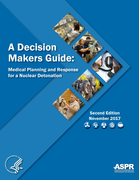
A Decision Makers Guide: Medical Planning and Response for a Nuclear Detonation
U.S. Department of Health & Human Services
(2017)
C1
Successful detonation of an improvised nuclear device (IND) would be a catastrophic event, causing an unprecedented number of injuries and lives lost, as well as economic, political, and social disruption. However, an effective medical response and an infrastructure prepared to protect itself from f
...
allout could save tens of thousands of lives. Since 2001, all levels of government, academic institutions, and professional organizations have done significant work to enhance our ability to prepare for and respond to a nuclear detonation. The following manual is intended to simplify and translate the necessary protective actions and medical response modalities in order to make them more accessible and easier to translate into practice. The approach of this manual is to provide a common baseline application for various allied response disciplines (to include senior operational responders, emergency managers, public health advisors, and municipal, State, and Federal executives and elected officials). This manual will enhance mutual understanding of the basics of nuclear response.
more

Chapter 13 in Stone, E. (ed.) 1999: Disability and Development: Learning from action and research on disability in the majority world, Leeds: The Disability Press pp. 210-227
A guidance document in simple language for health personnel, setting out their rights and responsibilities in conflict and other situations of violence. It explains how responsibilities and rights for health personnel can be derived from international humanitarian law, human rights law and medical e
...
thics.The document gives practical guidance on:
- The protection of health personnel, the sick and the wounded; - Standards of practice; - The health needs of particularly vulnerable people; - Health records and transmission of medical records; - "Imported" health care (including military health care);
- Data gathering and health personnel as witnesses to violations of international law; - Working with the media
more

Assistive Technologies in a Workplace Environment: Barriers for the Employment of Persons with Disabilities
Maria Jakovljevic & Sheryl Buckley
Disability, CBR & Inclusive Development Journal (DCIDJ)
(2011)
CC

This study attempts a comprehensive qualitative and quantitative analysis of un-annotated bibliographic listing of books and citations compiled on specific learning disability published by researchers in India.
EVALUATION OF UNICEF PROGRAMMES TO PROTECT CHILDREN IN EMERGENCIES: Synthesis Report
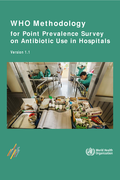
Version 1.1. The WHO protocol has been adapted to resource-limited settings and builds on existing methodologies from the European Centre for Disease Prevention and Control (ECDC), the Global PPS project from University of Antwerp, the US Centers for Disease Control and Prevention (CDC), and the Med
...
icines Utilisation Research in Africa (MURIA).
Point Prevalence Surveys collects information on prescribing practices of antibiotics and other information relevant to treatment and management of infectious diseases in hospitalized patients, and complements surveillance of antimicrobial consumption.
more