
Filter
4160
Text search:
operational
monitoring
Featured
428
1360
Language
4043
80
58
50
42
21
20
7
7
5
4
2
2
2
1
1
1
1
1
1
1
1
1
1
1
1
1
1
Document type
2217
612
596
287
283
51
50
45
9
4
3
2
1
Countries
209
181
142
115
105
100
91
91
88
86
80
74
72
70
69
68
57
56
56
53
47
47
46
41
38
38
35
35
35
34
33
33
32
31
28
27
26
25
21
20
19
18
18
18
15
14
14
14
14
13
13
13
11
10
10
9
9
9
8
8
8
8
7
7
6
6
6
6
6
6
5
5
5
5
5
5
5
5
5
5
5
4
4
4
4
4
4
4
3
3
3
3
3
3
2
2
2
2
2
2
2
2
2
2
2
2
2
2
2
2
2
2
1
1
1
1
1
1
1
1
1
1
1
1
1
1
1
1
1
1
1
1
1
1
1
1
1
1
Authors & Publishers
636
166
156
120
94
73
62
53
53
50
43
33
32
31
23
22
22
19
19
18
18
18
17
17
17
17
17
16
16
16
16
16
16
16
15
14
13
13
13
13
12
12
12
12
12
12
12
12
11
11
11
11
11
11
11
11
10
10
10
10
10
10
9
9
9
9
9
8
8
8
8
8
8
8
8
7
7
7
7
7
7
7
7
7
7
7
7
7
7
6
6
6
6
6
6
6
6
6
6
6
6
6
6
6
6
6
5
5
5
5
5
5
5
5
5
5
5
5
5
5
5
5
5
5
5
5
5
5
5
5
5
5
5
5
5
5
5
5
5
5
5
5
4
4
4
4
4
4
4
4
4
4
4
4
4
4
4
4
4
4
4
4
4
4
4
4
4
4
4
4
4
4
4
4
4
4
4
4
4
4
4
4
4
4
3
3
3
3
3
3
3
3
3
3
3
3
3
3
3
3
3
3
3
3
3
3
3
3
3
3
3
3
3
3
3
3
3
3
3
3
3
3
3
3
3
3
3
3
3
3
3
3
3
3
3
3
3
3
3
3
3
3
3
3
3
3
3
3
3
3
3
3
2
2
2
2
2
2
2
2
2
2
2
2
2
2
2
2
2
2
2
2
2
2
2
2
2
2
2
2
2
2
2
2
2
2
2
2
2
2
2
2
2
2
2
2
2
2
2
2
2
2
2
2
2
2
2
2
2
2
2
2
2
2
2
2
2
2
2
2
2
2
2
2
2
2
2
2
2
2
2
2
2
2
2
2
2
2
2
2
2
2
2
2
2
2
2
2
2
2
2
2
2
2
2
2
2
2
2
2
2
2
2
2
2
2
2
2
2
2
2
2
2
2
2
2
2
2
2
2
2
2
2
2
2
2
2
2
2
2
2
2
2
2
2
2
2
2
2
2
2
2
2
2
2
2
2
2
2
2
2
2
2
2
2
2
2
2
2
2
2
2
2
2
2
2
2
2
2
2
2
2
2
2
2
2
2
2
2
2
2
2
2
2
2
2
2
2
2
2
2
2
2
2
2
2
2
2
2
2
2
1
1
1
1
1
1
1
1
1
1
1
1
1
1
1
1
1
1
1
1
1
1
1
1
1
1
1
1
1
1
1
1
1
1
1
1
1
1
1
1
1
1
1
1
1
1
1
1
1
1
1
1
1
1
1
1
1
1
1
1
1
1
1
1
1
1
1
1
1
1
1
1
1
1
1
1
1
1
1
1
1
1
1
1
1
1
1
1
1
1
1
1
1
1
1
1
1
1
1
1
1
1
1
1
1
1
1
1
1
1
1
1
1
1
1
1
1
1
1
1
1
1
1
1
1
1
1
1
1
1
1
1
1
1
1
1
1
1
1
1
1
1
1
1
1
1
1
1
1
1
1
1
1
1
1
1
1
1
1
1
1
1
1
1
1
1
1
1
1
1
1
1
1
1
1
1
1
1
1
1
1
1
1
1
1
1
1
1
1
1
1
1
1
1
1
1
1
1
1
1
1
1
1
1
1
1
1
1
1
1
1
1
1
1
1
1
1
1
1
1
1
1
1
1
1
1
1
1
1
1
1
1
1
1
1
1
1
1
1
1
1
1
1
1
1
1
1
1
1
1
1
1
1
1
1
1
1
1
1
1
1
1
1
1
1
1
1
1
1
1
1
1
1
1
1
1
1
1
1
1
1
1
1
1
1
1
1
1
1
1
1
1
1
1
1
1
1
1
1
1
1
1
1
1
1
1
1
1
1
1
1
1
1
1
1
1
1
1
1
1
1
1
1
1
1
1
1
1
1
1
1
1
1
1
1
1
1
1
1
1
1
1
1
1
1
1
1
1
1
1
1
1
1
1
1
1
1
1
1
1
1
1
1
1
1
1
1
1
1
1
1
1
1
1
1
1
1
1
1
1
1
1
1
1
1
1
1
1
1
1
1
1
1
1
1
1
1
1
1
1
1
1
1
1
1
1
1
1
1
1
1
1
1
1
1
1
1
1
1
1
1
1
1
1
1
1
1
1
1
1
1
1
1
1
1
1
1
1
1
1
1
1
1
1
1
1
1
1
1
1
1
1
1
1
1
1
1
1
1
1
1
1
1
1
1
1
1
1
1
1
1
1
1
1
1
1
1
1
1
1
1
1
1
1
1
1
1
1
1
1
1
1
1
1
1
1
1
1
1
1
1
1
1
1
1
1
1
1
1
1
1
1
1
1
1
1
1
1
1
1
1
1
1
1
1
1
1
1
1
1
1
1
1
1
1
1
1
1
1
1
1
1
1
1
1
1
1
1
1
1
1
1
1
1
1
1
1
1
1
1
1
1
1
1
1
1
1
1
1
1
1
1
1
1
1
1
1
1
1
1
1
1
1
1
1
1
1
1
1
1
1
1
1
1
1
1
1
1
1
1
1
1
1
1
1
1
1
1
1
1
1
1
1
1
1
1
1
1
1
1
1
1
1
1
1
1
1
1
1
1
1
1
1
1
1
1
1
1
1
1
1
1
1
1
1
1
1
1
1
1
1
1
1
1
1
1
1
1
1
1
1
1
1
1
1
1
1
1
1
1
1
1
1
1
1
1
1
1
1
1
1
1
1
1
1
1
1
1
1
1
1
1
1
1
1
1
1
1
1
1
1
1
1
1
1
1
1
1
1
1
1
1
1
1
1
1
1
1
1
1
1
1
1
1
1
1
1
1
1
1
1
1
1
1
1
1
1
1
1
1
1
1
1
1
1
1
1
1
1
1
1
1
1
1
1
1
1
1
1
1
1
1
1
1
1
1
1
1
1
1
1
1
1
1
1
1
1
1
1
1
1
1
1
1
1
1
1
1
1
1
1
1
1
1
1
1
1
1
1
1
1
1
1
1
1
1
1
1
1
1
1
1
1
1
1
1
1
1
1
1
1
1
1
1
1
1
1
1
1
1
1
1
1
1
1
1
1
1
1
1
1
1
1
1
1
1
1
1
1
1
1
1
1
1
1
1
1
1
1
1
1
1
1
1
1
1
1
1
1
1
1
1
1
1
1
1
1
1
1
1
1
1
1
1
1
1
1
1
1
1
1
1
1
1
1
1
1
1
1
1
1
1
1
1
1
1
1
1
1
1
1
1
1
1
1
1
1
1
1
1
1
1
1
1
1
1
1
1
1
1
1
1
1
1
1
1
1
1
1
1
1
1
1
1
1
1
1
1
1
1
1
1
1
1
1
1
1
1
1
1
1
1
1
1
1
1
1
1
1
1
1
1
1
1
1
1
1
1
1
1
1
1
1
1
1
1
1
1
1
1
1
1
1
1
1
1
1
1
1
1
1
1
1
1
1
1
1
1
1
1
1
1
1
1
1
1
1
1
1
1
1
1
1
1
1
1
1
1
1
1
1
1
1
1
1
1
1
1
1
1
1
1
1
1
1
1
1
1
1
1
1
1
1
1
1
1
1
1
1
1
1
1
1
1
1
1
1
1
1
1
1
1
1
1
1
1
1
1
1
1
1
1
1
1
1
1
1
1
1
1
1
1
1
1
1
1
1
1
1
1
1
1
1
1
1
1
1
1
1
1
1
1
1
1
1
1
1
1
1
1
1
1
1
1
1
1
1
1
1
1
1
1
1
1
1
1
1
1
1
1
1
1
1
1
1
1
1
1
1
1
1
1
1
1
1
1
1
1
1
1
1
1
1
1
1
1
1
1
1
1
1
1
1
1
1
1
1
1
1
1
1
1
1
1
1
1
1
1
1
1
1
1
1
1
1
1
1
1
1
1
1
1
1
1
1
1
1
1
1
1
1
1
1
1
1
1
1
1
1
1
1
1
1
1
1
1
1
1
1
1
1
1
1
1
1
1
1
1
1
1
1
1
1
1
1
1
1
1
1
1
1
1
1
1
1
1
1
1
1
1
1
1
1
1
1
1
1
1
1
1
1
1
1
1
1
1
1
1
1
1
1
1
1
1
1
1
1
1
1
1
1
1
1
1
1
1
1
1
1
1
1
1
1
1
1
1
1
1
1
1
1
1
1
1
1
1
1
1
1
1
1
1
1
1
1
1
1
1
1
1
1
1
1
1
1
1
1
1
1
1
1
1
1
1
1
1
1
1
1
1
1
1
1
1
1
1
1
1
1
1
1
1
1
1
1
1
1
1
1
1
1
1
1
1
1
1
1
1
1
1
1
1
1
1
1
1
1
1
1
1
1
1
1
1
1
1
1
1
1
1
1
1
1
1
1
1
1
1
1
1
1
1
1
1
1
1
1
1
1
1
1
1
1
1
1
1
1
1
1
1
1
1
1
1
1
1
1
1
1
1
1
1
1
1
1
1
1
1
1
1
1
1
1
1
1
1
1
1
1
1
1
1
1
1
1
1
1
1
1
1
1
1
1
1
1
1
1
1
1
1
1
1
1
1
1
1
1
1
1
1
1
1
1
1
1
1
1
1
1
1
1
1
1
1
1
1
1
1
1
1
1
1
1
1
1
1
1
1
1
1
1
1
1
1
1
1
1
1
1
1
1
1
1
1
1
1
1
1
1
1
1
1
1
1
1
1
1
1
1
1
1
1
1
1
1
1
1
1
1
1
1
1
1
1
1
1
1
1
1
1
1
1
1
1
1
1
1
1
1
1
1
1
1
1
1
1
1
1
1
1
1
1
1
1
1
1
1
1
1
1
1
1
1
1
1
1
1
1
1
1
1
1
1
1
1
1
1
1
1
1
1
1
1
1
1
1
1
1
1
1
1
1
1
1
1
1
1
1
1
1
1
1
1
1
1
1
1
1
1
1
1
1
1
1
1
1
1
1
1
1
1
1
1
1
1
1
1
1
1
1
1
1
1
1
1
1
1
1
1
1
1
1
1
1
1
1
1
1
1
1
1
1
1
1
1
1
1
1
1
1
1
1
1
1
1
1
1
1
1
1
1
1
1
1
1
1
1
1
1
1
1
1
1
1
1
1
1
1
1
1
1
1
1
1
1
1
1
1
1
1
1
1
1
1
1
1
1
1
1
1
1
1
1
1
1
1
1
1
1
1
1
1
1
1
1
1
1
1
1
1
1
1
1
1
1
1
1
1
1
1
1
1
1
1
1
1
1
1
1
1
1
1
1
1
1
1
1
1
1
1
1
1
1
1
1
1
1
1
1
1
1
1
1
1
1
1
1
1
1
1
1
1
1
1
1
1
1
1
1
1
1
1
1
1
1
1
1
1
1
1
1
1
1
1
1
1
1
1
1
1
1
1
1
1
1
1
1
1
1
1
1
1
1
1
1
1
1
1
1
1
1
1
1
1
1
1
1
1
1
1
1
1
1
1
1
1
1
1
1
1
1
1
1
1
1
1
1
1
1
1
1
1
1
1
1
1
1
1
1
1
1
1
1
1
1
1
1
1
1
1
1
1
1
1
1
1
1
1
1
1
1
1
1
1
1
1
1
1
1
1
1
1
1
1
1
1
1
1
1
1
1
1
1
1
1
1
1
1
1
1
1
1
1
1
1
1
1
1
1
1
1
1
1
1
1
1
1
1
1
1
1
1
1
1
1
1
1
1
1
1
1
1
1
1
1
1
1
1
1
1
1
1
1
1
1
1
1
1
1
1
1
1
1
1
1
1
1
1
1
1
1
1
1
1
1
1
1
1
1
1
1
1
1
1
1
1
1
1
1
1
1
1
1
1
1
1
1
1
1
1
1
1
1
1
1
1
1
1
1
1
1
1
1
1
1
1
1
1
1
1
1
1
1
1
1
1
1
1
1
1
1
1
1
1
1
1
1
1
1
1
1
1
1
1
1
1
1
1
1
1
1
1
1
1
1
1
1
1
1
1
1
1
1
1
1
1
1
1
1
1
1
1
1
1
1
1
1
1
1
1
1
1
1
1
1
1
1
1
1
1
1
1
1
1
1
1
1
1
1
1
1
1
1
1
1
1
1
1
1
1
1
1
1
1
1
1
1
1
1
1
1
1
1
1
1
1
1
1
1
1
1
1
1
1
1
1
1
1
1
1
1
1
1
1
1
1
1
1
1
1
1
1
1
1
1
1
1
1
1
1
1
1
1
1
1
1
1
1
1
1
1
1
1
1
1
1
1
1
1
1
1
1
1
1
1
1
1
1
1
1
1
1
1
1
1
1
1
1
1
1
1
1
1
1
1
1
1
1
1
1
1
1
1
1
Publication Years
1
1296
2517
331
14
1
Category
1816
395
252
248
170
54
42
Toolboxes
316
278
193
147
142
141
135
133
121
99
96
94
89
82
82
78
67
48
45
38
37
37
32
30
6
3
1
Nosocomial or health-facility-acquired infections are a serious issue, representing one of the most significant causes of morbidity and mortality in healthcare systems and consuming many scarce resources, especially in developing countries. Although much has been done, particularly in the hospital s
...
etting, to reduce the risk of these infections, the problem persists and demands innovative and cost-efficient solutions.
Although the care provided in most primary health care facilities is predominantly ambulatory with few or no inpatient beds, infection prevention is still important to minimize or eliminate the risks of facility-acquired infections and assure quality patient care.
Health facilities and hospitals should have written infection control procedures and guidelines in place and should also be monitoring that these procedures are adhered to in both inpatient and ambulatory care settings.
more
Version 2 (unedited). The Basic Needs Analysis (BNA) is a multi-sector needs analysis approach that can be applied in both sudden onset and protracted emergencies. The methodology comprises the Guidance (this document) presenting the conceptual BNA framework and related processes, and a Toolbox, whi
...
ch includes tools, templates, training materials, and examples drawn from its first pilot, in Borno State(Nigeria).
The BNA is conceived to go hand in hand with the Facilitator’s Guide for the Response Options Analysis and Planning (a separate document), as it is part of a broader response planning process (see The BNA within the ). It shall be carried out with other assessments on the operational environment and would not add any value if undertaken in isolation.
more
The third edition, released in 2018, has grown to include a total of 18 chapters, contributed by 20 experts and authors from many countries. The goal remains the same: to educate primary care providers on the best practices in TB diagnosis, treatment and follow-up. All articles are richly illustrate
...
d, and most include quizzes and CME questions for self learning. The 3rd edition includes new chapters on MDR-TB, adverse effects of TB drugs, adherence monitoring strategies, and nutritional support. There is also content on how to manage children with TB, care for patients co-infected with TB and HIV, how to read and interpret chest x-rays, and how to avoid common pitfalls in TB management.
To download book chapters or the whole book go to the website: http://www.letstalktb.org/download/
more
A Decision Makers Guide: Medical Planning and Response for a Nuclear Detonation
U.S. Department of Health & Human Services
(2017)
C1
Successful detonation of an improvised nuclear device (IND) would be a catastrophic event, causing an unprecedented number of injuries and lives lost, as well as economic, political, and social disruption. However, an effective medical response and an infrastructure prepared to protect itself from f
...
allout could save tens of thousands of lives. Since 2001, all levels of government, academic institutions, and professional organizations have done significant work to enhance our ability to prepare for and respond to a nuclear detonation. The following manual is intended to simplify and translate the necessary protective actions and medical response modalities in order to make them more accessible and easier to translate into practice. The approach of this manual is to provide a common baseline application for various allied response disciplines (to include senior operational responders, emergency managers, public health advisors, and municipal, State, and Federal executives and elected officials). This manual will enhance mutual understanding of the basics of nuclear response.
more
This working paper was conceived to offer practical tips and suggestions on how to establish and sustain the multisectoral coordination needed to develop and implement National Action Plans on AMR (NAPs). It is intended for anyone with responsibility for addressing AMR at country level. Drawing on b
...
oth the published literature and the operational experience of four ‘focal countries’ (Ethiopia, Kenya, Philippines and Thailand), it summarizes lessons learned and the latest thinking on multisectoral working to achieve effective AMR action.
more

The role of an essential health benefit in health systems in east and southern Africa: Learning from regional research
R. Loewenson, M. Mamdani and others
Regional Network for Equity in Health in east and southern Africa (EQUINET)
(2018)
C1
Regional Network for Equity in Health in east and southern Africa (EQUINET): Disussion Paper 113
This report synthesises the learning across the full programme of work. It presents the methods used, the context and policy motivations for developing EHBs; how they are being defined, costed, di ... sseminated and used in health systems, including for service provision and quality, resourcing and purchasing services and monitoring and accountability on service delivery and performance, and for learning, useful practice and challenges faced. more
This report synthesises the learning across the full programme of work. It presents the methods used, the context and policy motivations for developing EHBs; how they are being defined, costed, di ... sseminated and used in health systems, including for service provision and quality, resourcing and purchasing services and monitoring and accountability on service delivery and performance, and for learning, useful practice and challenges faced. more

Based on WHO South-East Asia Regional Strategy on Autism Spectrum Disorder
The collaborative framework for implementation of the “WHO South-East Asia Regional Strategy on Autism Spectrum Disorders” articulates to Member States: the nature of autism spectrum disorder and the issues faced by ... PwASD and their caregivers; the foundation on which the Regional Strategy and the collaborative framework is based; desired outcomes against each objective of the ASD Regional Strategy; recommended actions to fulfill each objective; requisite parameters that should govern the recommended actions; and suggested guidelines for monitoring, evaluating and reporting a Member State’s progress towards fulfilling the objectives. It encourages Member States to share best practices and information for promoting cooperation and partnerships for development of effective and sustainable programmes. more
The collaborative framework for implementation of the “WHO South-East Asia Regional Strategy on Autism Spectrum Disorders” articulates to Member States: the nature of autism spectrum disorder and the issues faced by ... PwASD and their caregivers; the foundation on which the Regional Strategy and the collaborative framework is based; desired outcomes against each objective of the ASD Regional Strategy; recommended actions to fulfill each objective; requisite parameters that should govern the recommended actions; and suggested guidelines for monitoring, evaluating and reporting a Member State’s progress towards fulfilling the objectives. It encourages Member States to share best practices and information for promoting cooperation and partnerships for development of effective and sustainable programmes. more

WHO’s Ambition and Action in Nutrition 2016-2025 is anchored in the six global targets for improving maternal, infant and young child nutrition and the global diet-related NCD targets.
In support of the 2030 Agenda for Sustainable Development, particularly SDG2 and SDG3, and in concert w ... ith the 2016-2025 UN Decade of Action on Nutrition, WHO’s Ambition and Action in Nutrition 2016-2025 aims for “A world free from all forms of malnutrition where all people achieve health and well-being”. It defines the unique value of WHO for advancing nutrition: the provision of leadership, guidance and monitoring and proposes a theory of change. Finally, following a set of guiding principles, it proposes priority actions for WHO, the delivery model and a clear allocation of roles across the Organization. more
In support of the 2030 Agenda for Sustainable Development, particularly SDG2 and SDG3, and in concert w ... ith the 2016-2025 UN Decade of Action on Nutrition, WHO’s Ambition and Action in Nutrition 2016-2025 aims for “A world free from all forms of malnutrition where all people achieve health and well-being”. It defines the unique value of WHO for advancing nutrition: the provision of leadership, guidance and monitoring and proposes a theory of change. Finally, following a set of guiding principles, it proposes priority actions for WHO, the delivery model and a clear allocation of roles across the Organization. more
The purpose of this handbook is to provide guidance to Member States on the practical aspects of maintaining sanitary standards at international borders at ports, airports, and ground crossings (points of entry) as set out in the International Health Regulations (2005). It provides technical advice
...
for developing a comprehensive programme for systematic monitoring of disease vectors and integrated vector control at points of entry. This includes standardizing procedures at points of entry and ensuring a sufficient monitoring and response capacity with the necessary infrastructure for surveillance and control of vectors. In addition, this handbook to serves as reference material for port health officers, regulators, port operators, and other competent authorities in charge of implementing the IHR (2005) at points of entry and on conveyances.
more

A two-week mission was conducted by WASH and quality UHC technical experts from WHO headquarters and supported by the WHO Ethiopia Country Office (WASH and health systems teams) in July 2016, to understand how change in WASH services and quality improvements have been implemented in Ethiopia at nati
...
onal, sub-national and facility levels; to document existing activities; and through the “joint lens” of quality UHC and WASH, to identify and seek to address key bottlenecks in specific areas including leadership, policy/financing, monitoring and evaluation, evidence application and facility improvements. Ethiopia has implemented a number of innovative and successful interventions.
more
WHO guidance for contingency planning
recommended
In this contingency planning guidance, a set of actions to prepare for emergencies from all hazards and to help minimize their impact, is proposed. These actions include the development, implementation, simulation, monitoring and regular update of r
...
isks-based contingency plans.
more
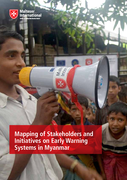
This study aims to analyze national and international stakeholders and their initiatives in Early Warning Systems in Myanmar, to identify priority gaps that need to be addressed by all stakeholders. It is presented as a first step towards supporting GoUM in information-gathering under the Myanmar Ac
...
tion Plan for Disaster Risk Reduction (MAPDRR), in particular under Components (2) Risk Assessment, (3) Multi-hazard Early Warning System and (4) Preparedness at all levels, and especially in implementing Sub-Component (3.4) Enhanced Flood Monitoring and Forecasting Capacities at Township Levels.
more
more
2016-2018 Early implementation,
This report presents 2015 data on the consumption of systemic antibiotics from 65 countries and areas, contributing to our understanding of how antibiotics are used in these countries. In addition, the report documents early efforts of the World Health Organization (
...
WHO) and participating countries to monitor antimicrobial consumption, describes the WHO global methodology for data collection, and highlights the challenges and future steps in monitoring antimicrobial consumption.
more
The present Consolidated guidelines include a comprehensive set of WHO recommendations for the treatment and care of DR-TB, derived from these WHO guidelines documents. The consolidated guidelines include policy recommendations on treatment regimens for isoniazid-resistant TB (Hr-TB) and MDR/RR-TB,
...
including longer and shorter regimens, culture monitoring of patients on treatment, the timing of antiretroviral therapy (ART) in MDR/RR-TB patients infected with the human immunodeficiency virus (HIV), use of surgery for patients receiving MDR-TB treatment, and optimal models of patient support and care.
more

Stronger collaboration, better health: global action plan for healthy lives and well-being for all
recommended
The overall objective of the Global Action Plan is to enhance collaboration among 12 global organizations engaged in health, development and humanitarian responses to accelerate country progress on the health-related SDG targets. The Plan presents a new approach to strengthening collaboration among
...
and joint action by the organizations, building on an initial joint commitment made in October 2018. The Plan is primarily intended to be strategic but provides some operational detail to guide implementation while also allowing flexibility for adjustment based on regular reviews of progress and learning from experience. Although the purpose of the Global Action Plan is not to provide or seek additional resources, the Plan will enable better use of existing resources as a result of improved collaboration, recognizing that each agency has its own unique mandate and area of expertise.
more
Specifically the Strategy focuses on five strategic objectives:
commitment to action on Healthy Ageing in every country;
developing age-friendly environments;
aligning health systems to the needs of older populations;
developing sustainable and equitable systems for providing lon
...
g-term care (home, communities, institutions); and
improving measurement, monitoring and research on Healthy Ageing.
Available in Englisch, French, Arabic, Chinese, Russian, Spanish
more
This working paper was conceived to offer practical tips and suggestions on how to establish and sustain the multisectoral coordination needed to develop and implement National Action Plans on AMR (NAPs). It is intended for anyone with responsibility for addressing AMR at country level. Drawing on b
...
oth the published literature and the operational experience of four ‘focal countries’ (Ethiopia, Kenya, Philippines and Thailand), it summarizes lessons learned and the latest thinking on multisectoral working to achieve effective AMR action. The experience in focal countries points to a number of tools and tactics that can be used to help establish and enhance sustainable multisectoral collaboration for AMR action. These can be grouped into four categories: political commitment, resources, governance mechanisms, and practical management.
more
First published in 2020, this toolkit is intended for clinicians working in acute care, managing adult and paediatric patients with acute respiratory infection, including severe pneumonia, acute respiratory distress syndrome, sepsis and septic shock. The main objective is to provide key tools for us
...
e in the care of critically ill patients – from hospital entry to hospital discharge.
The 2022 updated version includes new tools and adapted algorithms, checklists, memory aids for COVID-19 and influenza, and the latest clinical evidence regarding clinical management of SARI. It is intended to help clinicians care for SARI patients: from epidemiology of severe acute respiratory infections, screening and triage, infection prevention and control, monitoring of patients, laboratory diagnosis, principles of oxygen therapy and different types of ventilation (invasive and non-invasive), as well as antimicrobial and immunomodulator therapies, to ethical and quality of care assessments.
The first edition is availbel in Ukrainian and Russian
more
The Activity Catalogue for Child Friendly Spaces in Humanitarian Settings
Psychosocial Centre - International Federation of Red Cross and Red Crescent Societies
World Vision
(2018)
CC
The Toolkit for Child Friendly Spaces in Humanitarian Settings was developed by
the International Federation of the Red Cross and Red Crescent Societies Reference
Centre for Psychosocial Support and World Vision International. The toolkit provides
a set of materials to assist managers and facilit
...
ators/animators in setting up and
implementing quality Child Friendly Spaces (CFS). These resources have at their core
the protection of children from harm; the promotion of psychosocial well-being; and
the engagement of community and caregiver capacities. The CFS Toolkit includes:
• Activity Catalogue for Child Friendly Spaces in Humanitarian Settings
• Operational Guidance for Child Friendly Spaces in Humanitarian Settings
• Training for Implementers of Child Friendly Spaces in Humanitarian Settings.
more

This evaluation report of UNICEF’s Psychosocial Support Response for Syrian Children in Jordan was conducted by
Antares Foundation team (Albertien van der Veen, Reem AbuKishk, Shadi Bushnaq, Orso Muneghina, Reem Rawdha
and Tineke van Pietersom) under the supervision of guidance Farhod Kamidov,
...
Monitoring and Evaluation Officer
and Muhammad Rafiq Khan, Child Protection Specialist (CPiE).This is achieved through community-supported child and
adolescent friendly spaces (CFSs)1 and community-based
child protection mechanisms and processes. Currently,
in its fourth year of operation as part of the Syria crisis,
UNICEF considers it an opportune moment to take stock
of the programme’s overall effectiveness to date and in so
doing to inform its future.
more
