Filter
1069
Text search:
Alter
Featured
102
201
Language
Document type
510
232
141
62
45
27
22
11
7
7
4
1
Countries
210
55
38
21
19
18
13
10
10
9
9
9
8
8
8
8
7
6
6
6
5
5
4
4
4
4
4
4
4
4
4
4
3
3
3
3
3
3
3
2
2
2
2
2
2
2
2
2
2
2
2
2
2
2
2
2
2
1
1
1
1
1
1
1
1
1
1
1
1
1
1
1
1
1
1
1
1
1
1
1
Authors & Publishers
Publication Years
Category
227
58
49
43
38
15
11
Toolboxes
225
131
98
74
46
34
33
24
23
22
21
19
17
17
17
16
16
13
12
10
9
5
5
2
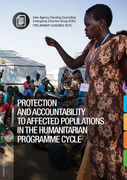
This note sets out actions to be undertaken throughout the humanitarian programme cycle (HPC) to fulfill commitments on Accountability to Affected Populations (AAP) and to ensure that protection is central to humanitarian response. It sets out the fundamental link between accountability systems and
...
Humanitarian NGOs have made increased use of Private Security Providers (PSPs) over the last decade. There is a gap between the ways that NGOs actually use PSPs and the regulation of this engagement. These guidelines aim to assist humanitarian NGOs in reaching an informed decision about when, how an
...
This EISF Briefing Paper seeks to outline the requirements of crisis management structures, providing a general guideline of crisis management planning, Crisis Management Teams (CMTs) and post-crisis follow-up. It is followed by the May 2010 EISF Briefing Paper, Abduction Management, that will focu
...

The transformation of the humanitarian landscape has already made a significant impact on the operational security of INGOs and other humanitarian actors. This report serves to inform strategic policy priorities and approaches to security planning and coordination, and addresses three main questions
...

Die deutschen Hochschulen und Studentenwerke können auf eine jahrzehntelange Erfahrung bei der Integration von ausländischen Studierenden am Hochschul- und Forschungsstandort Deutschland zurückblicken. Die Integration von Flüchtlingen in Angebote zur Studienvorbereitung und das reguläre Studium
...

Infection Control Assessment Tool
recommended
Strengthening Parmaceutical Systems. 2nd edition

The ICAT is a simple and practical approach for assessing the adequacy of existing infection prevention and control practices and provides specific recommendations for improving practices and monitoring their effectiveness over time
The WHO laboratory biosecurity guidance follows and complements the revision of the Laboratory biosafety manual, fourth edition and provides principles and measures to prevent lapses and incidents throughout the whole value chain of handling high-consequence biological material, technology and infor
...
Case Manangement Training Modules

Eine Handreichung für die ehrenamtliche Arbeit mit Geflüchteten