
Filter
5350
Text search:
Assessment,
monitoring
and
evaluation
Featured
585
1538
Language
5156
138
90
81
50
40
21
14
9
8
5
5
5
5
4
4
4
4
4
4
3
3
3
3
3
3
3
2
2
2
2
2
2
2
2
2
2
2
2
1
1
1
1
1
1
1
1
1
1
1
1
1
1
Document type
2873
868
765
392
264
98
46
23
9
6
4
1
1
Countries
254
224
173
136
132
115
110
109
108
99
97
92
92
86
84
78
72
70
69
56
50
50
46
40
40
36
33
33
30
30
28
27
27
26
26
25
25
23
23
21
20
19
18
18
17
17
17
17
17
16
14
13
12
12
12
12
10
10
9
9
9
8
8
8
7
7
6
6
5
5
5
5
5
5
5
4
4
4
4
4
4
4
4
4
3
3
3
3
3
3
3
2
2
2
2
2
2
2
2
2
2
2
2
2
2
2
2
2
2
2
2
2
2
2
2
1
1
1
1
1
1
1
1
1
1
1
1
1
1
1
1
1
1
1
1
1
1
1
1
1
1
Authors & Publishers
873
253
150
142
141
93
81
80
59
46
44
38
38
30
30
28
27
25
25
24
24
24
21
21
20
20
20
20
19
19
18
18
18
17
17
17
17
17
16
15
14
14
13
13
13
13
12
12
12
12
12
12
11
11
11
11
11
10
10
10
10
10
10
10
10
10
9
9
9
9
9
9
9
9
9
8
8
8
8
8
8
8
8
7
7
7
7
7
7
7
7
7
7
7
7
7
7
7
7
7
7
6
6
6
6
6
6
6
6
6
6
6
6
6
6
6
6
6
6
6
6
6
6
6
6
6
6
6
6
5
5
5
5
5
5
5
5
5
5
5
5
5
5
5
5
5
5
5
5
5
5
5
5
5
5
5
5
5
5
5
5
5
4
4
4
4
4
4
4
4
4
4
4
4
4
4
4
4
4
4
4
4
4
4
4
4
4
4
4
4
4
4
4
4
4
4
4
4
4
4
4
4
4
4
4
4
4
4
4
4
4
3
3
3
3
3
3
3
3
3
3
3
3
3
3
3
3
3
3
3
3
3
3
3
3
3
3
3
3
3
3
3
3
3
3
3
3
3
3
3
3
3
3
3
3
3
3
3
3
3
3
3
3
3
3
3
3
3
3
3
3
3
3
3
3
3
3
3
3
3
3
3
3
3
3
3
3
3
3
3
3
3
3
3
3
3
3
3
3
3
3
3
3
3
2
2
2
2
2
2
2
2
2
2
2
2
2
2
2
2
2
2
2
2
2
2
2
2
2
2
2
2
2
2
2
2
2
2
2
2
2
2
2
2
2
2
2
2
2
2
2
2
2
2
2
2
2
2
2
2
2
2
2
2
2
2
2
2
2
2
2
2
2
2
2
2
2
2
2
2
2
2
2
2
2
2
2
2
2
2
2
2
2
2
2
2
2
2
2
2
2
2
2
2
2
2
2
2
2
2
2
2
2
2
2
2
2
2
2
2
2
2
2
2
2
2
2
2
2
2
2
2
2
2
2
2
2
2
2
2
2
2
2
2
2
2
2
2
2
2
2
2
2
2
2
2
2
2
2
2
2
2
2
2
2
2
2
2
2
2
2
2
2
2
2
2
2
2
2
2
2
2
2
2
2
2
2
2
2
2
2
2
2
2
2
2
2
2
2
2
2
2
2
2
2
2
2
2
2
2
2
2
2
2
2
2
2
2
2
2
2
2
2
2
2
2
2
2
2
2
2
2
2
2
2
2
2
2
2
2
2
2
2
2
2
2
2
2
2
2
2
2
2
2
2
2
2
2
2
2
2
2
2
2
2
2
2
2
2
2
2
2
2
2
1
1
1
1
1
1
1
1
1
1
1
1
1
1
1
1
1
1
1
1
1
1
1
1
1
1
1
1
1
1
1
1
1
1
1
1
1
1
1
1
1
1
1
1
1
1
1
1
1
1
1
1
1
1
1
1
1
1
1
1
1
1
1
1
1
1
1
1
1
1
1
1
1
1
1
1
1
1
1
1
1
1
1
1
1
1
1
1
1
1
1
1
1
1
1
1
1
1
1
1
1
1
1
1
1
1
1
1
1
1
1
1
1
1
1
1
1
1
1
1
1
1
1
1
1
1
1
1
1
1
1
1
1
1
1
1
1
1
1
1
1
1
1
1
1
1
1
1
1
1
1
1
1
1
1
1
1
1
1
1
1
1
1
1
1
1
1
1
1
1
1
1
1
1
1
1
1
1
1
1
1
1
1
1
1
1
1
1
1
1
1
1
1
1
1
1
1
1
1
1
1
1
1
1
1
1
1
1
1
1
1
1
1
1
1
1
1
1
1
1
1
1
1
1
1
1
1
1
1
1
1
1
1
1
1
1
1
1
1
1
1
1
1
1
1
1
1
1
1
1
1
1
1
1
1
1
1
1
1
1
1
1
1
1
1
1
1
1
1
1
1
1
1
1
1
1
1
1
1
1
1
1
1
1
1
1
1
1
1
1
1
1
1
1
1
1
1
1
1
1
1
1
1
1
1
1
1
1
1
1
1
1
1
1
1
1
1
1
1
1
1
1
1
1
1
1
1
1
1
1
1
1
1
1
1
1
1
1
1
1
1
1
1
1
1
1
1
1
1
1
1
1
1
1
1
1
1
1
1
1
1
1
1
1
1
1
1
1
1
1
1
1
1
1
1
1
1
1
1
1
1
1
1
1
1
1
1
1
1
1
1
1
1
1
1
1
1
1
1
1
1
1
1
1
1
1
1
1
1
1
1
1
1
1
1
1
1
1
1
1
1
1
1
1
1
1
1
1
1
1
1
1
1
1
1
1
1
1
1
1
1
1
1
1
1
1
1
1
1
1
1
1
1
1
1
1
1
1
1
1
1
1
1
1
1
1
1
1
1
1
1
1
1
1
1
1
1
1
1
1
1
1
1
1
1
1
1
1
1
1
1
1
1
1
1
1
1
1
1
1
1
1
1
1
1
1
1
1
1
1
1
1
1
1
1
1
1
1
1
1
1
1
1
1
1
1
1
1
1
1
1
1
1
1
1
1
1
1
1
1
1
1
1
1
1
1
1
1
1
1
1
1
1
1
1
1
1
1
1
1
1
1
1
1
1
1
1
1
1
1
1
1
1
1
1
1
1
1
1
1
1
1
1
1
1
1
1
1
1
1
1
1
1
1
1
1
1
1
1
1
1
1
1
1
1
1
1
1
1
1
1
1
1
1
1
1
1
1
1
1
1
1
1
1
1
1
1
1
1
1
1
1
1
1
1
1
1
1
1
1
1
1
1
1
1
1
1
1
1
1
1
1
1
1
1
1
1
1
1
1
1
1
1
1
1
1
1
1
1
1
1
1
1
1
1
1
1
1
1
1
1
1
1
1
1
1
1
1
1
1
1
1
1
1
1
1
1
1
1
1
1
1
1
1
1
1
1
1
1
1
1
1
1
1
1
1
1
1
1
1
1
1
1
1
1
1
1
1
1
1
1
1
1
1
1
1
1
1
1
1
1
1
1
1
1
1
1
1
1
1
1
1
1
1
1
1
1
1
1
1
1
1
1
1
1
1
1
1
1
1
1
1
1
1
1
1
1
1
1
1
1
1
1
1
1
1
1
1
1
1
1
1
1
1
1
1
1
1
1
1
1
1
1
1
1
1
1
1
1
1
1
1
1
1
1
1
1
1
1
1
1
1
1
1
1
1
1
1
1
1
1
1
1
1
1
1
1
1
1
1
1
1
1
1
1
1
1
1
1
1
1
1
1
1
1
1
1
1
1
1
1
1
1
1
1
1
1
1
1
1
1
1
1
1
1
1
1
1
1
1
1
1
1
1
1
1
1
1
1
1
1
1
1
1
1
1
1
1
1
1
1
1
1
1
1
1
1
1
1
1
1
1
1
1
1
1
1
1
1
1
1
1
1
1
1
1
1
1
1
1
1
1
1
1
1
1
1
1
1
1
1
1
1
1
1
1
1
1
1
1
1
1
1
1
1
1
1
1
1
1
1
1
1
1
1
1
1
1
1
1
1
1
1
1
1
1
1
1
1
1
1
1
1
1
1
1
1
1
1
1
1
1
1
1
1
1
1
1
1
1
1
1
1
1
1
1
1
1
1
1
1
1
1
1
1
1
1
1
1
1
1
1
1
1
1
1
1
1
1
1
1
1
1
1
1
1
1
1
1
1
1
1
1
1
1
1
1
1
1
1
1
1
1
1
1
1
1
1
1
1
1
1
1
1
1
1
1
1
1
1
1
1
1
1
1
1
1
1
1
1
1
1
1
1
1
1
1
1
1
1
1
1
1
1
1
1
1
1
1
1
1
1
1
1
1
1
1
1
1
1
1
1
1
1
1
1
1
1
1
1
1
1
1
1
1
1
1
1
1
1
1
1
1
1
1
1
1
1
1
1
1
1
1
1
1
1
1
1
1
1
1
1
1
1
1
1
1
1
1
1
1
1
1
1
1
1
1
1
1
1
1
1
1
1
1
1
1
1
1
1
1
1
1
1
1
1
1
1
1
1
1
1
1
1
1
1
1
1
1
1
1
1
1
1
1
1
1
1
1
1
1
1
1
1
1
1
1
1
1
1
1
1
1
1
1
1
1
1
1
1
1
1
1
1
1
1
1
1
1
1
1
1
1
1
1
1
1
1
1
1
1
1
1
1
1
1
1
1
1
1
1
1
1
1
1
1
1
1
1
1
1
1
1
1
1
1
1
1
1
1
1
1
1
1
1
1
1
1
1
1
1
1
1
1
1
1
1
1
1
1
1
1
1
1
1
1
1
1
1
1
1
1
1
1
1
1
1
1
1
1
1
1
1
1
1
1
1
1
1
1
1
1
1
1
1
1
1
1
1
1
1
1
1
1
1
1
1
1
1
1
1
1
1
1
1
1
1
1
1
1
1
1
1
1
1
1
1
1
1
1
1
1
1
1
1
1
1
1
1
1
1
1
1
1
1
1
1
1
1
1
1
1
1
1
1
1
1
1
1
1
1
1
1
1
1
1
1
1
1
1
1
1
1
1
1
1
1
1
1
1
1
1
1
1
1
1
1
1
1
1
1
1
1
1
1
1
1
1
1
1
1
1
1
1
1
1
1
1
1
1
1
1
1
1
1
1
1
1
1
1
1
1
1
1
1
1
1
1
1
1
1
1
1
1
1
1
1
1
1
1
1
1
1
1
1
1
1
1
1
1
1
1
1
1
1
1
1
1
1
1
1
1
1
1
1
1
1
1
1
1
1
1
1
1
1
1
1
1
1
1
1
1
1
1
1
1
1
1
1
1
1
1
1
1
1
1
1
1
1
1
1
1
1
1
1
1
1
1
1
1
1
1
1
1
1
1
1
1
1
1
1
1
1
1
1
1
1
1
1
1
1
1
1
1
1
1
1
1
1
1
1
1
1
1
1
1
1
1
1
1
1
1
1
1
1
1
1
1
1
1
1
1
1
1
1
1
1
1
1
1
1
1
1
1
1
1
1
1
1
1
1
1
1
1
1
1
1
1
1
1
1
1
1
1
1
1
1
1
1
1
1
1
1
1
1
1
1
1
1
1
1
1
1
1
1
1
1
1
1
1
1
1
1
1
1
1
1
1
1
1
1
1
1
1
1
1
1
1
1
1
1
1
1
1
1
1
1
1
1
1
1
1
1
1
1
1
1
1
1
1
1
1
1
1
1
1
1
1
1
1
1
1
1
1
1
1
1
1
1
1
1
1
1
1
1
1
1
1
1
1
1
1
1
1
1
1
1
1
1
1
1
1
1
1
1
1
1
1
1
1
1
1
1
1
1
1
1
1
1
1
1
1
1
1
1
1
1
1
1
1
1
1
1
1
1
1
1
1
1
1
1
1
1
1
1
1
1
1
1
1
1
1
1
1
1
1
1
1
1
1
1
1
1
1
1
1
1
1
1
1
1
1
1
1
1
1
1
1
1
1
1
1
1
1
1
1
1
1
1
1
1
1
1
1
1
1
1
1
1
1
1
1
1
1
1
1
1
1
1
1
1
1
1
1
1
1
1
1
1
1
1
1
1
1
1
1
1
1
1
1
1
1
1
1
1
1
1
1
1
1
1
1
1
1
1
1
1
1
1
1
1
1
1
1
1
1
1
1
1
1
1
1
1
1
1
1
1
1
1
1
1
1
1
1
1
1
1
1
1
1
1
1
1
1
1
1
1
1
1
1
1
1
1
1
1
1
1
1
1
1
1
1
1
1
1
1
1
1
1
1
1
1
1
1
1
1
1
1
1
1
1
1
1
1
1
1
1
1
1
1
1
1
1
1
1
1
1
1
1
1
1
1
1
1
1
1
1
1
1
1
1
1
1
1
1
1
1
1
1
1
1
1
1
1
1
1
1
1
1
1
1
1
1
1
1
1
1
1
1
1
1
1
1
1
1
1
1
1
1
1
1
1
1
1
1
1
1
1
1
1
1
1
1
1
1
1
1
1
1
1
1
1
1
1
1
1
1
1
1
1
1
1
1
1
1
1
1
1
1
1
1
1
1
1
1
1
1
1
1
1
1
1
1
1
1
1
1
1
1
1
1
1
1
1
1
1
1
1
1
1
1
1
1
1
1
1
1
1
1
1
1
1
1
1
1
1
1
1
1
1
1
1
1
1
1
1
1
1
1
1
1
1
1
1
1
1
1
1
1
1
1
1
1
1
1
1
1
1
1
1
1
1
1
1
1
1
1
1
1
1
1
1
1
1
1
1
1
1
1
1
1
1
1
1
1
1
1
1
1
1
1
1
1
1
1
1
1
1
1
1
1
1
1
1
1
1
1
1
1
1
1
1
1
1
1
1
1
1
1
1
1
1
1
1
1
1
1
1
1
1
1
1
1
1
1
1
1
1
1
1
1
1
1
1
1
1
1
1
1
1
1
1
1
1
1
1
1
1
1
1
1
1
1
1
1
1
1
1
1
1
1
1
1
1
1
1
1
1
1
1
1
1
1
1
1
1
1
1
1
1
1
1
1
1
1
1
1
1
1
1
1
1
1
1
1
1
1
1
1
1
1
1
1
1
1
1
1
1
1
1
1
1
1
1
1
1
1
1
1
1
1
1
1
1
1
1
1
1
1
1
1
1
1
1
1
1
1
1
1
1
1
1
1
1
1
1
1
1
1
1
1
1
1
1
1
1
1
1
1
1
1
1
1
1
1
1
1
1
1
1
1
1
1
1
1
1
1
1
1
1
1
1
1
1
1
1
1
1
1
1
1
1
1
1
1
1
1
1
1
1
1
1
1
1
1
1
1
1
1
1
1
1
1
1
1
1
1
1
1
1
1
1
1
1
1
1
1
1
1
1
1
1
1
1
1
1
1
1
1
1
1
1
1
1
1
1
1
1
1
1
1
1
1
1
1
1
1
1
1
1
1
1
1
1
1
1
1
1
1
1
1
1
1
1
1
1
1
1
1
1
1
1
1
1
1
1
1
1
1
1
1
1
1
1
1
1
1
1
1
1
1
1
1
1
1
1
1
1
1
1
1
1
1
1
1
1
1
1
1
1
1
1
1
1
1
1
1
1
1
1
1
1
1
1
1
1
1
1
1
1
1
1
1
1
1
1
1
1
1
1
1
1
1
1
1
1
1
1
1
1
1
1
1
1
1
1
1
1
1
1
1
1
1
1
1
1
1
1
1
1
1
1
1
1
1
1
1
1
1
1
1
1
1
1
1
1
1
1
1
1
1
1
1
1
1
1
1
1
1
1
1
1
1
1
1
1
1
1
1
1
1
1
1
1
1
1
1
1
1
1
1
1
1
1
1
1
1
1
1
1
1
1
1
1
1
1
1
1
1
1
1
1
1
1
1
1
1
1
1
1
1
1
1
1
1
1
1
1
1
1
1
1
1
1
1
1
1
1
1
1
1
1
1
1
1
1
1
1
1
1
1
1
1
1
1
1
1
1
1
1
1
1
1
1
1
1
1
1
1
1
1
1
1
1
1
1
1
1
1
1
1
1
1
1
1
1
1
1
1
1
1
1
1
1
1
1
1
1
1
1
1
1
1
1
1
1
1
1
1
1
1
1
1
1
1
1
1
1
1
1
1
1
1
1
1
1
1
1
1
1
1
1
1
1
1
1
1
1
1
1
1
1
1
1
1
1
1
1
1
1
1
1
1
1
1
1
1
1
1
1
1
1
1
1
1
1
1
1
1
1
1
1
1
1
1
1
1
1
1
1
1
1
1
1
1
1
1
1
1
1
1
1
1
1
1
1
1
1
1
1
1
1
1
1
1
1
1
1
1
1
1
1
1
1
1
1
1
1
1
1
1
1
1
1
1
1
1
1
1
1
1
1
1
1
1
1
1
1
1
1
1
1
1
1
1
1
1
1
1
1
1
1
1
1
1
1
1
1
1
1
1
1
1
1
1
1
1
1
1
1
1
1
1
1
1
1
1
1
1
1
1
1
1
1
1
1
1
1
1
1
1
1
1
1
1
1
1
1
1
1
1
1
1
1
1
1
1
1
1
1
1
1
1
1
1
1
1
1
1
1
1
1
1
1
1
1
1
1
1
1
1
1
1
1
1
1
1
1
1
1
1
1
1
1
1
1
1
1
1
1
1
1
1
1
1
1
1
1
1
1
1
1
1
1
1
1
1
1
1
1
1
1
1
1
1
1
1
1
1
1
1
1
1
1
1
1
1
1
1
1
1
1
1
1
1
1
1
1
1
1
1
1
1
1
1
1
1
1
1
1
1
1
1
1
1
1
1
1
1
1
1
1
1
1
1
1
1
1
1
1
1
1
1
1
1
1
1
1
1
1
1
1
1
1
1
1
1
1
1
1
1
1
1
1
1
1
1
1
1
1
1
1
1
1
1
1
1
1
1
1
1
1
1
1
1
1
1
1
1
1
1
1
1
1
1
1
1
1
1
1
1
1
1
1
1
1
1
1
1
1
1
1
1
1
1
1
1
1
1
1
1
1
1
1
1
1
1
1
1
1
1
1
1
1
1
1
1
1
1
1
1
1
1
1
1
1
1
1
1
1
1
1
1
1
1
1
1
1
1
1
1
1
1
1
1
1
1
1
1
1
1
1
1
1
1
1
1
1
1
1
1
1
1
1
1
1
1
1
1
1
1
1
1
1
1
1
1
1
1
1
1
1
1
1
1
1
1
1
1
1
1
1
1
1
1
1
1
1
1
1
1
1
1
1
1
1
1
1
1
1
1
1
1
1
1
1
1
1
1
1
1
1
1
Publication Years
1
1500
3322
502
24
1
Category
2062
468
442
329
308
120
61
Toolboxes
377
314
285
209
191
171
170
169
166
146
141
125
109
98
93
82
80
75
75
43
36
32
31
29
7
5
1

Over the past 20 years, the Global Initiative for Asthma (GINA) has regularly published and annually updated a global strategy for asthma management and prevention that has formed the basis for ma
...
ny national guidelines. However, uptake of existing guidelines is poor. A major revision of the GINA report was published in 2014, and updated in 2015, reflecting an evolving understanding of heterogeneous airways disease, a broader evidence base, increasing interest in targeted treatment, and evidence about effective implementation approaches. During development of the report, the clinical utility of recommendations and strategies for their practical implementation were considered in parallel with the scientific evidence.
more

There has never been a more critical moment to invest in WHO, and strengthen the unique role it plays in global health. Now is the time to sustainably finance WHO and invest in a healthy return for
...
all.
more
‘Psychosocial Support of Children in Emergencies’ is a reference document for humanitarian workers who want to increase their understanding of the experiences of children in emergency situations and how to support them in mitigating the negative
...
effects of these experiences and how to prevent further harm. While the book is not designed to be a day-to-day programming tool, it outlines UNICEF’s orientation to the psychosocial principles integral to any work with children and provides a number of examples from field work of how these principles can be turned into concrete actions.
more
The ‘Toolkit’ is targeted at practitioners responsible for implementing recovery programmes, their objective to provide a ‘how to’ guide on development, implementing and managing complex post-disaster recovery programmes.
Disaster Recovery
...
Toolkit
more
With this World Health Day, WHO is drawing attention to a group of diseases that are spread by insects and other vectors, the heavy health and economic burdens they impose,
...
and what needs to be done to reduce these burdens. Many of these diseases have been historically confined to distinct geographical areas, but this situation has become more fluid due to a host of ills, including climate change, intensive farming, dams, irrigation, deforestation, population movements, rapid unplanned urbanization, and phenomenal increases in international travel and trade. The control of vector-borne diseases can make a major contribution to poverty reduction, as it precisely targets the poor
more
A consolidated set of reproductive health kits for use by humanitarian agencies. These kits are intended to speed up the provision of appropriate reproductive health services in emergency and refugee situations.
The Africa Health Transformation Programme 2015–2020 - A Vision for Universal Health Coverage
WHO Regional Office for Africa
(2015)
C_WHO
The new five-year agenda of WHO in Africa, The Africa Health Transformation Programme, 2015–2020: a vision for universal health coverage, is the strategic framework that will guide WHO’s contribution to the emerging sustainable development platform in Africa. It articulates a vision for health
...
and development that aims to address the unacceptable inequalities and inequities that have kept our region lagging far behind others in terms of health indices and enjoyment of the highest attainable standard of life.
more
Fever Diagnostic Technology Landscape
recommended
1st edition.
Unitaid’s report describes a slate of new devices that can more efficiently identify dangerously ill children so that they can be treated immediately. These tools make it easier to recognize danger signs, and support integrated appr
...
oaches to reducing childhood deaths from the three greatest childhood killers: malaria, pneumonia and diarrhoea.
The report also highlights tests that can determine whether or not a child has an illness that can be treated with antibiotics. Viral infections are a common cause of childhood fevers, but cannot be cured with antibiotics. Although many children seeking care at clinics have fever, three-quarters by some estimates, only a small fraction of those have an illness that can be treated with an antimalarial or antibiotic drug
more
"National Disaster Management Guidelines: Management
of Chemical (Terrorism) Disasters (are intended to
focus on all aspects of the disaster management
cycle, including prevention measures such as
surveillance and intelligence, mitigation of dir
...
ect
and indirect risks, preparedness in terms of
capacity development of human resources and
infrastructure development, as well as relief,
rehabilitation and reconstruction/recovery."
more
The Global Vaccine Action Plan (GVAP) 2011-2020, endorsed by Member States during the May 2012 World Health Assembly, has set ambitious targets to improve access to immunization and tackle vaccine-preventable diseases. This responsibility has been t
...
ranslated into firm commitments in February 2016, through the signature of the Addis Declaration on Immunization (ADI) by African Ministers and subsequently endorsed by the Heads of States from across Africa at the 28th African Union Summit held in January 2017. This commitment from the highest level of government comes as a catalyst to immunization efforts on the continent to deliver on the promise of universal immunization
more
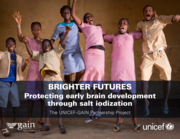
The UNICEF-GAIN Partnership Project
The report notes that iodine deficiency is a leading cause of preventable brain damage worldwide. Insufficient iodine during pregnancy and infancy results in neurological ... and psychological deficits, reducing a child’s IQ by 8 to 10 points. This translates into major losses in the cognitive capital of entire nations and thus their socio-economic development.
The report outlines urgent steps to reduce the risk of mental impairment to babies’ growing brains:
• Integrate salt iodization into national plans to support children’s nutrition and brain development in early childhood;
• Align salt iodization and salt reduction agendas; • Establish surveillance systems to identify unreached populations;
• Strengthen regulatory systems to enforce existing legislation on salt iodization;
• Recognize the growing importance of fortified foods as potential sources of iodized salt. more
The report notes that iodine deficiency is a leading cause of preventable brain damage worldwide. Insufficient iodine during pregnancy and infancy results in neurological ... and psychological deficits, reducing a child’s IQ by 8 to 10 points. This translates into major losses in the cognitive capital of entire nations and thus their socio-economic development.
The report outlines urgent steps to reduce the risk of mental impairment to babies’ growing brains:
• Integrate salt iodization into national plans to support children’s nutrition and brain development in early childhood;
• Align salt iodization and salt reduction agendas; • Establish surveillance systems to identify unreached populations;
• Strengthen regulatory systems to enforce existing legislation on salt iodization;
• Recognize the growing importance of fortified foods as potential sources of iodized salt. more
Lesotho’s predominantly rural population faces significant health challenges within a setting of inadequate human resources for health. It is essential that nurses and nurse-midwives, who together make up the largest health workforce in the countr
...
y, be adequately prepared to address Lesotho’s Health Priorities according to the Poverty Reduction Strategy Paper (PRSP) in the settings where they work. Under the HRAA project, Jhpiego conducted a task analysis study to obtain data on job duties or tasks performed by these cadres, as well as information about how often the tasks are performed, if and where tasks were learned, and the self-perceived level of competence in performing the tasks.
more
Policy Note #3: Myanmar Health Systems in Transition Policy Notes Series
A network of basic health facilities has been established in each of the 330 townships, covering both rural and urban areas. For the vast majority of Myanmar’s people, p ... articularly the 70% who reside in rural areas, the township health system (THS) is the only government-funded source of preventive, promotive and curative services.
To achieve the national policy objective of progressing towards universal health coverage (UHC) through a primary health-care approach by 2030, the THS is critical to success. It is responsible for the bulk of health care delivery – particularly in rural areas – and is at the heart of national health development in Myanmar. However, if the THS is to be the backbone of health care provision, it currently suffers from a severe case of osteoporosis. more
A network of basic health facilities has been established in each of the 330 townships, covering both rural and urban areas. For the vast majority of Myanmar’s people, p ... articularly the 70% who reside in rural areas, the township health system (THS) is the only government-funded source of preventive, promotive and curative services.
To achieve the national policy objective of progressing towards universal health coverage (UHC) through a primary health-care approach by 2030, the THS is critical to success. It is responsible for the bulk of health care delivery – particularly in rural areas – and is at the heart of national health development in Myanmar. However, if the THS is to be the backbone of health care provision, it currently suffers from a severe case of osteoporosis. more
As part of an ongoing effort to promote disability-inclusive humanitarian action in Pacific countries, this policy brief identifies priority actions for disaster readiness, response and recovery. It has been prepared through a collaborative approach
...
and should be a key reference in the future, promoting coordination across all levels and stages of the humanitarian cycle in the Region.
more
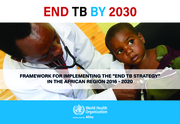
Tuberculosis (TB) control in the African Region has evolved since the disease was declared a global emergency by the World Health Organization (WHO) in 1993. Member States have adopted and implemented successive global
...
and regional strategies and resolutions, with demonstrable positive impacts on incidence, prevalence and mortality, albeit with variations across countries. By the end of 2015, the Region as a whole met the key Millennium Development Goal (MDG) target of halting and beginning to reverse TB incidence. However only 35 of the 47 Member States met the MDG target.
more

The State of the World’s Children 2013: Children with Disabilities examines the barriers – from inaccessible buildings to dismissive attitudes, from invisibility in official statistics to vicious discrimination – that deprive children with disabilities of their rights
...
and keep them from participating fully in society. The report also lays out some of the key elements of inclusive societies that respect and protect the rights of all children, regardless of disability, and progress in helping all children to flourish and make their contribution to the world.
more
The Global Burden of Disease (GBD) study, a collaborative endeavour of the World
Health Organization (WHO), the World Bank and the Harvard School of Public Health,
drew the attention of the international health community to the burden of neurologi
...
cal
disorders and many other chronic conditions. This study found that the burden of neurological
disorders was seriously underestimated by traditional epidemiological and health
statistical methods that take into account only mortality rates but not disability rates. The
GBD study showed that over the years the global health impact of neurological disorders
had been underestimated.
more
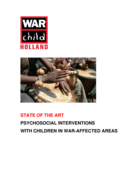
War Child put forward a specific request for comparative study, addressing the following questions: •What are the key types of intervention for psychosocial assistance that are being applied to children in war-affected areas? •What are the results of (scientific) research into the effects of th
...
e most relevant programmes? •Which NGOs operate in this sector and what is their practical experience with specific methods? •How does the War Child methodology relate to developments in the sector; what is known about the effects of War Child’s programme and how can these be measured? How will War Child work towards the development of additional evidence?
more
Communities can play a critical role in suicide prevention. Facilitating community engagement in suicide prevention is an important task. The toolkit is a step-by-step guide for communities to engage in suicide prevention activities and have ownersh
...
ip of the process and keep efforts sustained. It is hoped that the pilot version will be used, after necessary adaptation, in many countries and contexts, so that the final product can be strengthened and become more effective and user-friendly.
more
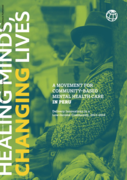
This report explores community-focused change initiatives in the financing, organization, and delivery of mental health services in Peru from 2013 to 2016. It examines the national dimension of reforms but focuses above all on implementation
...
and results in the economically fragile district of Carabayllo, in northern Lima.
more
