
Filter
5781
Text search:
health
service
delivery
Featured
530
1715
Language
5603
153
105
83
72
42
37
16
14
7
6
6
6
5
5
4
4
4
4
4
3
3
3
3
3
3
2
2
2
2
2
2
2
2
2
2
2
2
1
1
1
1
1
1
1
1
1
1
1
1
1
1
1
1
1
1
1
Document type
3155
938
725
348
308
113
97
47
24
7
6
5
2
1
Countries
277
235
227
163
149
146
145
143
127
121
113
113
113
105
104
102
99
89
86
71
67
64
57
52
46
46
42
41
39
39
37
37
36
33
31
31
31
29
25
22
20
20
20
20
19
18
17
16
16
15
15
14
14
14
13
13
12
12
11
11
10
9
9
9
9
8
7
7
7
6
6
6
6
5
5
5
5
4
4
4
4
4
4
4
4
4
4
4
4
3
3
3
3
3
3
3
3
3
3
3
2
2
2
2
2
2
2
2
2
2
2
2
2
2
2
2
2
2
2
1
1
1
1
1
1
1
1
1
1
1
1
1
1
1
1
1
1
1
1
1
1
1
1
1
1
1
1
Authors & Publishers
785
187
173
161
156
118
103
83
79
53
50
36
34
29
29
29
28
27
26
24
23
23
22
22
22
21
21
21
21
21
21
20
20
19
19
19
19
18
18
18
17
16
16
16
16
16
16
15
15
15
15
14
14
14
13
13
13
13
12
12
12
12
12
12
12
11
11
11
11
11
11
10
10
10
10
10
10
10
10
10
10
9
9
9
9
9
9
9
9
9
9
9
8
8
8
8
8
8
8
8
8
8
7
7
7
7
7
7
7
7
7
7
7
7
7
7
7
7
7
7
7
6
6
6
6
6
6
6
6
6
6
6
6
6
6
6
6
6
6
6
6
6
6
6
6
6
6
6
6
6
6
6
6
6
6
5
5
5
5
5
5
5
5
5
5
5
5
5
5
5
5
5
5
5
5
5
5
5
5
5
5
5
5
5
5
5
5
5
5
5
5
5
5
5
5
5
5
5
5
5
5
5
5
4
4
4
4
4
4
4
4
4
4
4
4
4
4
4
4
4
4
4
4
4
4
4
4
4
4
4
4
4
4
4
4
4
4
4
4
4
4
4
4
4
4
4
4
4
4
4
4
4
4
4
4
4
4
4
4
4
4
4
4
4
4
4
4
4
4
4
4
4
4
4
4
3
3
3
3
3
3
3
3
3
3
3
3
3
3
3
3
3
3
3
3
3
3
3
3
3
3
3
3
3
3
3
3
3
3
3
3
3
3
3
3
3
3
3
3
3
3
3
3
3
3
3
3
3
3
3
3
3
3
3
3
3
3
3
3
3
3
3
3
3
3
3
3
3
3
3
3
3
3
3
3
3
3
3
3
3
3
3
3
3
2
2
2
2
2
2
2
2
2
2
2
2
2
2
2
2
2
2
2
2
2
2
2
2
2
2
2
2
2
2
2
2
2
2
2
2
2
2
2
2
2
2
2
2
2
2
2
2
2
2
2
2
2
2
2
2
2
2
2
2
2
2
2
2
2
2
2
2
2
2
2
2
2
2
2
2
2
2
2
2
2
2
2
2
2
2
2
2
2
2
2
2
2
2
2
2
2
2
2
2
2
2
2
2
2
2
2
2
2
2
2
2
2
2
2
2
2
2
2
2
2
2
2
2
2
2
2
2
2
2
2
2
2
2
2
2
2
2
2
2
2
2
2
2
2
2
2
2
2
2
2
2
2
2
2
2
2
2
2
2
2
2
2
2
2
2
2
2
2
2
2
2
2
2
2
2
2
2
2
2
2
2
2
2
2
2
2
2
2
2
2
2
2
2
2
2
2
2
2
2
2
2
2
2
2
2
2
2
2
2
2
2
2
2
2
2
2
2
2
2
2
2
2
2
2
2
2
2
2
2
2
2
2
2
2
2
2
2
2
2
2
2
2
2
2
2
2
2
2
2
2
2
2
2
2
2
2
2
2
2
2
2
2
2
2
2
2
2
2
2
2
2
2
2
2
2
2
2
2
2
2
2
1
1
1
1
1
1
1
1
1
1
1
1
1
1
1
1
1
1
1
1
1
1
1
1
1
1
1
1
1
1
1
1
1
1
1
1
1
1
1
1
1
1
1
1
1
1
1
1
1
1
1
1
1
1
1
1
1
1
1
1
1
1
1
1
1
1
1
1
1
1
1
1
1
1
1
1
1
1
1
1
1
1
1
1
1
1
1
1
1
1
1
1
1
1
1
1
1
1
1
1
1
1
1
1
1
1
1
1
1
1
1
1
1
1
1
1
1
1
1
1
1
1
1
1
1
1
1
1
1
1
1
1
1
1
1
1
1
1
1
1
1
1
1
1
1
1
1
1
1
1
1
1
1
1
1
1
1
1
1
1
1
1
1
1
1
1
1
1
1
1
1
1
1
1
1
1
1
1
1
1
1
1
1
1
1
1
1
1
1
1
1
1
1
1
1
1
1
1
1
1
1
1
1
1
1
1
1
1
1
1
1
1
1
1
1
1
1
1
1
1
1
1
1
1
1
1
1
1
1
1
1
1
1
1
1
1
1
1
1
1
1
1
1
1
1
1
1
1
1
1
1
1
1
1
1
1
1
1
1
1
1
1
1
1
1
1
1
1
1
1
1
1
1
1
1
1
1
1
1
1
1
1
1
1
1
1
1
1
1
1
1
1
1
1
1
1
1
1
1
1
1
1
1
1
1
1
1
1
1
1
1
1
1
1
1
1
1
1
1
1
1
1
1
1
1
1
1
1
1
1
1
1
1
1
1
1
1
1
1
1
1
1
1
1
1
1
1
1
1
1
1
1
1
1
1
1
1
1
1
1
1
1
1
1
1
1
1
1
1
1
1
1
1
1
1
1
1
1
1
1
1
1
1
1
1
1
1
1
1
1
1
1
1
1
1
1
1
1
1
1
1
1
1
1
1
1
1
1
1
1
1
1
1
1
1
1
1
1
1
1
1
1
1
1
1
1
1
1
1
1
1
1
1
1
1
1
1
1
1
1
1
1
1
1
1
1
1
1
1
1
1
1
1
1
1
1
1
1
1
1
1
1
1
1
1
1
1
1
1
1
1
1
1
1
1
1
1
1
1
1
1
1
1
1
1
1
1
1
1
1
1
1
1
1
1
1
1
1
1
1
1
1
1
1
1
1
1
1
1
1
1
1
1
1
1
1
1
1
1
1
1
1
1
1
1
1
1
1
1
1
1
1
1
1
1
1
1
1
1
1
1
1
1
1
1
1
1
1
1
1
1
1
1
1
1
1
1
1
1
1
1
1
1
1
1
1
1
1
1
1
1
1
1
1
1
1
1
1
1
1
1
1
1
1
1
1
1
1
1
1
1
1
1
1
1
1
1
1
1
1
1
1
1
1
1
1
1
1
1
1
1
1
1
1
1
1
1
1
1
1
1
1
1
1
1
1
1
1
1
1
1
1
1
1
1
1
1
1
1
1
1
1
1
1
1
1
1
1
1
1
1
1
1
1
1
1
1
1
1
1
1
1
1
1
1
1
1
1
1
1
1
1
1
1
1
1
1
1
1
1
1
1
1
1
1
1
1
1
1
1
1
1
1
1
1
1
1
1
1
1
1
1
1
1
1
1
1
1
1
1
1
1
1
1
1
1
1
1
1
1
1
1
1
1
1
1
1
1
1
1
1
1
1
1
1
1
1
1
1
1
1
1
1
1
1
1
1
1
1
1
1
1
1
1
1
1
1
1
1
1
1
1
1
1
1
1
1
1
1
1
1
1
1
1
1
1
1
1
1
1
1
1
1
1
1
1
1
1
1
1
1
1
1
1
1
1
1
1
1
1
1
1
1
1
1
1
1
1
1
1
1
1
1
1
1
1
1
1
1
1
1
1
1
1
1
1
1
1
1
1
1
1
1
1
1
1
1
1
1
1
1
1
1
1
1
1
1
1
1
1
1
1
1
1
1
1
1
1
1
1
1
1
1
1
1
1
1
1
1
1
1
1
1
1
1
1
1
1
1
1
1
1
1
1
1
1
1
1
1
1
1
1
1
1
1
1
1
1
1
1
1
1
1
1
1
1
1
1
1
1
1
1
1
1
1
1
1
1
1
1
1
1
1
1
1
1
1
1
1
1
1
1
1
1
1
1
1
1
1
1
1
1
1
1
1
1
1
1
1
1
1
1
1
1
1
1
1
1
1
1
1
1
1
1
1
1
1
1
1
1
1
1
1
1
1
1
1
1
1
1
1
1
1
1
1
1
1
1
1
1
1
1
1
1
1
1
1
1
1
1
1
1
1
1
1
1
1
1
1
1
1
1
1
1
1
1
1
1
1
1
1
1
1
1
1
1
1
1
1
1
1
1
1
1
1
1
1
1
1
1
1
1
1
1
1
1
1
1
1
1
1
1
1
1
1
1
1
1
1
1
1
1
1
1
1
1
1
1
1
1
1
1
1
1
1
1
1
1
1
1
1
1
1
1
1
1
1
1
1
1
1
1
1
1
1
1
1
1
1
1
1
1
1
1
1
1
1
1
1
1
1
1
1
1
1
1
1
1
1
1
1
1
1
1
1
1
1
1
1
1
1
1
1
1
1
1
1
1
1
1
1
1
1
1
1
1
1
1
1
1
1
1
1
1
1
1
1
1
1
1
1
1
1
1
1
1
1
1
1
1
1
1
1
1
1
1
1
1
1
1
1
1
1
1
1
1
1
1
1
1
1
1
1
1
1
1
1
1
1
1
1
1
1
1
1
1
1
1
1
1
1
1
1
1
1
1
1
1
1
1
1
1
1
1
1
1
1
1
1
1
1
1
1
1
1
1
1
1
1
1
1
1
1
1
1
1
1
1
1
1
1
1
1
1
1
1
1
1
1
1
1
1
1
1
1
1
1
1
1
1
1
1
1
1
1
1
1
1
1
1
1
1
1
1
1
1
1
1
1
1
1
1
1
1
1
1
1
1
1
1
1
1
1
1
1
1
1
1
1
1
1
1
1
1
1
1
1
1
1
1
1
1
1
1
1
1
1
1
1
1
1
1
1
1
1
1
1
1
1
1
1
1
1
1
1
1
1
1
1
1
1
1
1
1
1
1
1
1
1
1
1
1
1
1
1
1
1
1
1
1
1
1
1
1
1
1
1
1
1
1
1
1
1
1
1
1
1
1
1
1
1
1
1
1
1
1
1
1
1
1
1
1
1
1
1
1
1
1
1
1
1
1
1
1
1
1
1
1
1
1
1
1
1
1
1
1
1
1
1
1
1
1
1
1
1
1
1
1
1
1
1
1
1
1
1
1
1
1
1
1
1
1
1
1
1
1
1
1
1
1
1
1
1
1
1
1
1
1
1
1
1
1
1
1
1
1
1
1
1
1
1
1
1
1
1
1
1
1
1
1
1
1
1
1
1
1
1
1
1
1
1
1
1
1
1
1
1
1
1
1
1
1
1
1
1
1
1
1
1
1
1
1
1
1
1
1
1
1
1
1
1
1
1
1
1
1
1
1
1
1
1
1
1
1
1
1
1
1
1
1
1
1
1
1
1
1
1
1
1
1
1
1
1
1
1
1
1
1
1
1
1
1
1
1
1
1
1
1
1
1
1
1
1
1
1
1
1
1
1
1
1
1
1
1
1
1
1
1
1
1
1
1
1
1
1
1
1
1
1
1
1
1
1
1
1
1
1
1
1
1
1
1
1
1
1
1
1
1
1
1
1
1
1
1
1
1
1
1
1
1
1
1
1
1
1
1
1
1
1
1
1
1
1
1
1
1
1
1
1
1
1
1
1
1
1
1
1
1
1
1
1
1
1
1
1
1
1
1
1
1
1
1
1
1
1
1
1
1
1
1
1
1
1
1
1
1
1
1
1
1
1
1
1
1
1
1
1
1
1
1
1
1
1
1
1
1
1
1
1
1
1
1
1
1
1
1
1
1
1
1
1
1
1
1
1
1
1
1
1
1
1
1
1
1
1
1
1
1
1
1
1
1
1
1
1
1
1
1
1
1
1
1
1
1
1
1
1
1
1
1
1
1
1
1
1
1
1
1
1
1
1
1
1
1
1
1
1
1
1
1
1
1
1
1
1
1
1
1
1
1
1
1
1
1
1
1
1
1
1
1
1
1
1
1
1
1
1
1
1
1
1
1
1
1
1
1
1
1
1
1
1
1
1
1
1
1
1
1
1
1
1
1
1
1
1
1
1
1
1
1
1
1
1
1
1
1
1
1
1
1
1
1
1
1
1
1
1
1
1
1
1
1
1
1
1
1
1
1
1
1
1
1
1
1
1
1
1
1
1
1
1
1
1
1
1
1
1
1
1
1
1
1
1
1
1
1
1
1
1
1
1
1
1
1
1
1
1
1
1
1
1
1
1
1
1
1
1
1
1
1
1
1
1
1
1
1
1
1
1
1
1
1
1
1
1
1
1
1
1
1
1
1
1
1
1
1
1
1
1
1
1
1
1
1
1
1
1
1
1
1
1
1
1
1
1
1
1
1
1
1
1
1
1
1
1
1
1
1
1
1
1
1
1
1
1
1
1
1
1
1
1
1
1
1
1
1
1
1
1
1
1
1
1
1
1
1
1
1
1
1
1
1
1
1
1
1
1
1
1
1
1
1
1
1
1
1
1
1
1
1
1
1
1
1
1
1
1
1
1
1
1
1
1
1
1
1
1
1
1
1
1
1
1
1
1
1
1
1
1
1
1
1
1
1
1
1
1
1
1
1
1
1
1
1
1
1
1
1
1
1
1
1
1
1
1
1
1
1
1
1
1
1
1
1
1
1
1
1
1
1
1
1
1
1
1
1
1
1
1
1
1
1
1
1
1
1
1
1
1
1
1
1
1
1
1
1
1
1
1
1
1
1
1
1
1
1
1
1
1
1
1
1
1
1
1
1
1
1
1
1
1
1
1
1
1
1
1
1
1
1
1
1
1
1
1
1
1
1
1
1
1
1
1
1
1
1
1
1
1
1
1
1
1
1
1
1
1
1
1
1
1
1
1
1
1
1
1
1
1
1
1
1
1
1
1
1
1
1
1
1
1
1
1
1
1
1
1
1
1
1
1
1
1
1
1
1
1
1
1
1
1
1
1
1
1
1
1
1
1
1
1
1
1
1
1
1
1
1
1
1
1
1
1
1
1
1
1
1
1
1
1
1
1
1
1
1
1
1
1
1
1
1
1
1
1
1
1
1
1
1
1
1
1
1
1
1
1
1
1
1
1
1
1
1
1
1
1
1
1
1
1
1
1
1
1
1
1
1
1
1
1
1
1
1
1
1
1
1
1
1
1
1
1
1
1
1
1
1
1
1
1
1
1
1
1
1
1
1
1
1
1
1
1
1
1
1
1
1
1
1
1
1
1
1
1
1
1
1
1
1
1
1
1
1
1
1
1
1
1
1
1
1
1
1
1
1
1
1
1
1
1
1
1
1
1
1
1
1
1
1
1
1
1
1
1
1
1
1
1
1
1
1
1
1
1
1
1
1
1
1
1
1
1
1
1
1
1
1
1
1
1
1
1
1
1
1
1
1
1
1
1
1
1
1
1
1
1
1
1
1
1
1
1
1
1
1
1
1
1
1
1
1
1
1
1
1
1
1
1
1
1
1
1
1
1
1
1
1
1
1
1
1
1
1
1
1
1
1
1
1
1
1
1
1
1
1
1
1
1
1
1
1
1
1
1
1
1
1
1
1
1
1
1
1
1
1
1
1
1
1
1
1
1
1
1
1
1
1
1
1
1
1
1
1
1
1
1
1
1
1
1
1
1
1
1
1
1
1
1
1
1
1
1
1
1
1
1
1
1
1
1
1
1
1
1
1
1
1
1
1
1
1
1
1
1
1
1
1
1
1
1
1
1
1
1
1
1
1
1
1
1
1
1
1
1
1
1
1
1
1
1
1
1
1
1
1
1
1
1
1
1
1
1
1
1
1
1
1
1
1
1
1
1
1
1
1
1
1
1
1
1
1
1
1
1
1
1
1
1
1
1
1
1
1
1
1
1
1
1
1
1
1
1
1
1
1
1
1
1
1
1
1
1
1
1
1
1
1
1
1
1
1
1
1
1
1
1
1
1
1
1
1
1
1
1
1
1
1
1
1
1
1
1
1
1
1
1
1
1
1
1
1
1
1
1
1
1
1
1
1
1
1
1
1
1
1
1
1
1
1
1
1
1
1
1
1
1
1
1
1
1
1
1
1
1
1
1
1
1
1
1
1
1
1
1
1
1
1
1
1
1
1
1
1
1
1
1
1
1
1
1
1
1
1
1
1
1
1
1
1
1
1
1
1
1
1
1
1
1
1
1
1
1
1
1
1
1
1
1
1
1
1
1
1
1
1
1
1
1
1
1
1
1
1
1
1
1
1
1
1
1
1
1
1
1
1
1
1
1
1
1
1
1
1
1
1
1
1
1
1
1
1
1
1
1
1
1
1
1
1
1
1
1
1
1
1
1
1
1
1
1
1
1
1
1
1
1
1
1
1
1
1
1
1
1
1
1
1
1
1
1
1
1
1
1
1
1
1
1
1
1
1
1
1
1
1
1
1
1
1
1
1
1
1
1
1
1
1
1
1
1
1
1
1
1
1
1
1
1
1
1
1
1
1
1
1
1
1
1
1
1
1
1
1
1
1
1
1
1
1
1
1
1
1
1
1
1
1
1
1
1
1
1
1
1
1
1
1
1
1
1
1
1
1
1
1
1
1
1
1
1
1
1
1
1
1
1
1
1
1
1
1
1
1
1
1
1
1
1
1
1
1
1
1
1
1
1
1
1
1
1
1
1
1
1
1
1
1
1
1
1
1
1
1
1
1
1
1
1
1
1
1
1
1
1
1
1
1
1
1
1
1
1
1
1
1
1
1
1
1
1
1
1
1
1
1
1
1
1
1
1
1
1
1
1
1
1
1
1
1
1
1
1
1
1
1
1
1
1
1
1
1
1
1
1
1
1
1
1
1
1
1
1
1
1
1
1
1
1
1
1
1
1
1
1
1
1
1
1
1
1
1
1
1
1
1
1
1
1
1
1
1
1
1
1
1
1
1
1
1
1
1
1
1
1
1
1
1
1
1
1
1
1
1
1
1
1
1
1
1
1
1
1
1
1
1
1
1
1
1
1
1
1
1
1
1
1
1
1
1
1
1
1
1
1
1
1
1
1
1
1
1
1
1
1
1
1
1
1
1
1
1
1
1
1
1
1
1
1
1
1
1
1
1
1
1
1
1
1
1
1
1
1
1
1
1
1
1
1
1
1
1
1
1
1
1
1
1
1
1
1
1
1
1
1
1
1
1
1
1
1
1
1
1
1
1
1
1
1
1
1
1
1
1
1
1
1
1
1
1
1
1
1
1
1
1
1
1
1
1
1
1
1
1
1
1
1
1
1
1
1
1
1
1
1
1
1
1
1
1
1
1
1
1
1
1
1
1
1
1
1
1
1
1
1
1
1
1
1
1
1
1
1
1
1
1
1
1
1
1
1
1
1
1
1
1
1
1
1
1
1
1
1
1
1
1
1
1
1
1
1
1
1
1
1
1
1
1
1
1
1
1
1
1
1
1
1
1
1
1
1
1
1
1
1
1
1
1
1
1
1
1
1
1
1
1
1
1
1
1
1
1
1
1
1
1
1
1
1
1
1
1
1
1
1
1
1
1
1
1
1
1
1
1
1
1
1
1
1
1
1
1
1
1
1
1
1
1
1
1
1
1
1
1
1
1
1
1
1
1
1
1
1
1
1
1
1
1
1
1
1
1
1
1
1
1
1
1
1
1
1
1
1
1
1
1
1
1
1
1
1
1
1
1
1
1
1
1
1
1
1
1
1
1
1
1
1
1
1
1
1
1
1
1
1
1
1
1
1
1
1
1
1
1
1
1
1
1
1
1
1
1
1
1
1
1
1
1
1
1
1
1
1
1
1
1
1
1
1
1
1
1
1
1
1
1
1
1
1
1
1
1
1
1
1
1
1
1
1
1
1
1
1
Publication Years
1762
3502
495
18
3
1
Category
2620
393
370
362
330
135
45
1
Toolboxes
419
385
261
255
235
227
214
139
115
107
103
101
93
91
84
81
80
77
70
63
27
26
25
21
15
4
1

This toolkit lays out a framework for a waterborne disease investigation and consolidates resources to assist investigation activities.
The Waterborne Disease Outbreak Investigation Toolkit was designed to assist state and local health departmen
...
ts in conducting waterborne disease outbreak investigations. Using experiences of epidemiologists at the state and local levels, this toolkit describes best practices in preparing for, identifying, and responding to a waterborne disease outbreak.
more
The study analyses the current situation of children with disabilities in relation to realizing their rights and accessing basic services, as well as their life experiences in their communities. It also focuses on identifying the barriers created by society that prevent children with disabilities fr
...
om enjoying their human rights. This includes identifying negative attitudes; environmental and communication barriers; gaps in policies or their effective implementation.
The report reveals that children with disabilities in Myanmar are less likely to access services in health or education; rarely have their voices heard in society; and face daily discrimination as objects of pity. It also highlights how inadequate policies and legislation contribute to the challenges these children face.
The information available in this publication should be useful for policy makers, development partners and Disabled Persons Organisations to promote the realization of the rights of all children with disabilities. more
The report reveals that children with disabilities in Myanmar are less likely to access services in health or education; rarely have their voices heard in society; and face daily discrimination as objects of pity. It also highlights how inadequate policies and legislation contribute to the challenges these children face.
The information available in this publication should be useful for policy makers, development partners and Disabled Persons Organisations to promote the realization of the rights of all children with disabilities. more

The Sphere Handbook. Humanitarian Charter and Minimum Standards in Humanitarian Response. New Edition
recommended
Humanitarian Charter and Minimum Standards in Humanitarian Response.
The 2018 Sphere Handbook builds on the latest developments and learning in the humanitarian sector. Among the improvements of the new edition, readers will find a stronger focus on the role of local authorities and communities as
...
actors of their own recovery. Guidance on context analysis to apply the standards has also been strengthened. New standards have also been developed, informed by recent practice and learning, such as WASH and healthcare settings in disease outbreaks, security of tenure in shelter and settlement, and palliative care in health. Different ways to deliver or enable assistance, including cash-based assistance, are also integrated into the Handbook.
more
Updated 8 June 2021. The document has two sections:
A. The first section covers fundamental principles which are crucial to a successful, holistic intervention.
B. The second covers relevant standards and guidance in the handbook’s Water Supply, Sanitation and Hygiene Promotion (WASH) and
...
Health chapters.
more

The Ethiopia Multi-Sectorial Cholera Elimination Plan (2022-2028) outlines a national strategy to eliminate cholera in Ethiopia by 2028. The plan follows the Global Roadmap to End Cholera by 2030 and is based on six key pillars: Leadership & Coordination, Water, Sanitation & Hygiene (WASH), Surveill
...
ance & Reporting, Use of Oral Cholera Vaccines (OCV), Healthcare System Strengthening, and Community Engagement.
Ethiopia has historically faced recurrent cholera outbreaks due to poor sanitation, unsafe water, and weak health infrastructure. The plan prioritizes high-risk areas (hotspot woredas) and aims to reduce cholera-related mortality by 90% by 2028. It includes efforts to improve WASH conditions, strengthen disease surveillance, enhance rapid response capabilities, expand vaccination campaigns, and integrate cholera control into broader health policies.
The government, in collaboration with international partners such as WHO, UNICEF, and the Global Task Force for Cholera Control (GTFCC), will implement and monitor the plan. The estimated budget for the initiative is $390 million over eight years. Ethiopia aims to achieve zero cholera transmission in hotspot regions, ensuring sustainable public health improvements.
more

Evidence shows that oral pre-exposure prophylaxis (PrEP) reduces the risk of contracting HIV during sexual intercourse by more than 90% when taken daily. It is for this reason the National HIV Prevention Strategy 2015-2020 (2018 Revision) emphasises the role of preexposure prophylaxis (PrEP) in
...
reducing new HIV infections in Malawi.
The Ministry of Health has prioritised PrEP use among the populations most at-risk of HIV infection in Malawi: young women ages 10 to 24 years, sero-discordant couples, female sex workers, men who have sex with men, and other priority populations (such as members of the uniformed services, prisoners, and mobile populations).
more

The Cholera Outbreak Guidelines: Preparedness, Prevention, and Control provide a practical field guide for responding to cholera outbreaks. Developed by Oxfam GB, the guidelines combine lessons from past cholera interventions and best practices for effective outbreak management. The document outline
...
s key strategies, including preparedness planning, rapid response to outbreaks, water and sanitation improvements, hygiene education, and coordination among stakeholders. It covers both non-endemic and endemic cholera outbreaks, offering step-by-step guidance on surveillance, intervention, and monitoring. The aim is to ensure community-based, gender-sensitive, and rapid public health responses to control cholera and minimize mortality.
more
Evaluation of Community Management of Acute Malnutrition (CMAM)
Sheila Reed, Camille Eric Kouam, Krishna Belbase et al.
United Nations Children’s Fund (UNICEF) Evaluation Office
(2013)
This evaluation is the first systematic effort by UNICEF to generate evidence on how well its global as well as country level Community Management of Acute Malnutrition (CMAM) strategies have worked, including their acceptance and ownership in various contexts and appropriateness of investments in c
...
apacity development and supply components. Overall, the evaluation recommends that UNICEF continue to promote and support CMAM as a viable approach to preventing and addressing severe acute malnutrition (SAM), with an emphasis on prevention through strengthening community outreach and integrating CMAM into national health systems and with other intervention
more
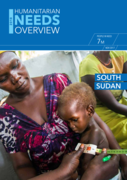
2018 South Sudan Humanitarian Needs Overview
recommended
This document provides the Humanitarian Country Team’s shared understanding of the crisis, including the most pressing
humanitarian needs and the estimated number of people who need assistance. It represents a consolidated evidence base and
helps inform joint strategic response planning.
As
...
the conflict in South Sudan enters its fifth year in 2018, the humanitarian crisis has continued to intensify and expand, on a costly trajectory for the country’s people and their outlook on the future. The compounding effects of widespread violence and sustained economic decline have further diminished the capacity of people to face threats to their health, safety and livelihoods. People in need of assistance and protection number 7 million, even as more than 2 million have fled to neighbouring countries.
more
Humanitarian inclusion standards for older people and people with disabilities
recommended
Age and Disability Consortium
CBM International, HelpAge International,and Handicap International
(2018)
The Standard consists of nine key inclusion standards, and seven sets of sector-specific inclusion standards for protection – water, sanitation and hygiene, food security and livelihoods, nutrition, shelter, settlement and household items, health
...
and education. Each standard comes with key actions, guidance, tools and resources.
more
Journal of the International AIDS Society 2017, 20(Suppl 4):21644
National AIDS Programme in Myanmar has made significant progress in scaling up antiretroviral treatment (ART) services and recognizes the importance of differentiated care for people living with HIV. Indeed, long centred around t ... he hospital and reliant on physicians, the country's HIV response is undergoing a process of successful decentralization with HIV care increasingly being integrated into other health services as part of a systematic effort to expand access to HIV treatment. This study describes implementation of differentiated care in Médecins Sans Frontières (MSF)‐supported programmes and reports its outcomes.
https://doi.org/10.7448/IAS.20.5.21644 more
National AIDS Programme in Myanmar has made significant progress in scaling up antiretroviral treatment (ART) services and recognizes the importance of differentiated care for people living with HIV. Indeed, long centred around t ... he hospital and reliant on physicians, the country's HIV response is undergoing a process of successful decentralization with HIV care increasingly being integrated into other health services as part of a systematic effort to expand access to HIV treatment. This study describes implementation of differentiated care in Médecins Sans Frontières (MSF)‐supported programmes and reports its outcomes.
https://doi.org/10.7448/IAS.20.5.21644 more
This brief focuses specifically on the Grand Nord (Great North): the Beni and Lubero territories of northern North Kivu that are the epicentre of the outbreak. Further participatory enquiry should be undertaken with the affected populations, but given ongoing transmission, conveying key consideratio
...
ns and immediate recommendations have been prioritised.
This brief is based on a rapid review of existing published and grey literature, professional ethnographic research in DRC, personal communication with administrative and health officials and practitioners in the country, and experience of previous Ebola outbreaks.
more
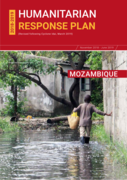
While the full extent of Cyclone Ida’s impact is still being assessed, early reports indicate significant damage to infrastructure and livelihoods, with an estimated 3,000km2 of land submerged. Preliminary government reports as of 24 March indicate that more than 58,600 houses have been damaged, i
...
ncluding 36,747 totally destroyed, 19,733 partially destroyed and 2,184 flooded. More than 500,000 hectares of crops have been damaged, which is expected to significantly increase food insecurity given that the flooding has coincided with the annual harvest season. More than 3,100 schools have been damaged, along with at least 45 health centres.
Nearly 110,000 people remained displaced in more than 130 accommodation centres – mostly schools and other public buildings – in Sofala (90), Manica (26), Zambezia (10) and Tete (4), where humanitarian needs are acute and both the risk of communicable disease outbreaks and protection risks – particularly for women and girls – are high
more

The report showed commitments made three decades ago to protect the rights of children remain unfulfilled for millions. Violence still affects countless children. Discrimination based on age, gender, disability, sexual orientation and religion harms children worldwide.
Key factors include a lack
...
of investment in critically important services. Most countries fall well short of spending the 5-6% of GDP needed to ensure universal coverage of essential health care. And foreign aid, which many lower income countries rely on, is falling short in areas such as health, education, protection and child care.
Another factor, the report said, is the lack of quality data. Governments tend to rely on data that reflects national averages, making it difficult to identify the needs of specific children and to monitor progress. Comprehensive data collection and disaggregation of data by gender, age, disability and locality, are increasingly important as rights violations disproportionately affect disadvantaged children.
more

How should humanitarian organisations prepare and respond to COVID-19 in humanitarian settings in low- and middle-income countries?
This Rapid Learning Review outlines 14 actions, insights and ideas for humanitarian actors to consider in their COVID-19 responses. It summarises and synthesises the
...
best available knowledge and guidance for developing a health response to COVID-19 in low- and middle-income settings as at April 2020
The paper, supported by the UN Under-Secretary-General for Humanitarian Affairs and Emergency Relief Coordinator Mark Lowcock, will be updated throughout 2020 to reflect emerging knowledge and evidence on the most effective approaches to respond to the COVID-19 Pandemic.
more
This programmatic brief explores how to expand HIV and STI prevention and contraceptive method options in contraceptive services and, thus, to reduce HIV and STI incidence among adolescent girls and women. It focuses on settings with extremely high HIV prevalence and incidence. This brief complement
...
s existing guidance on HIV prevention and sexual and reproductive health and rights (SRHR), amplifies calls for action and outlines more comprehensive approaches to integration of SRHR and HIV services. It also emphasizes the importance of SRHR for women living with HIV. It aligns with updated WHO recommendations for contraceptive eligibility for women at high risk of HIV and other HIV guidance for adolescent girls and young women.
more
Early damage assessments indicate that at least 800,000 people could be directly exposed to minor to severe damages, including communication, access, security, loss of livelihoods, infrastructure, and health services could be impacted.

One of the most important ways we feel we can help to reduce the burden of cancer in Africa is to work with African cancer advocacy organisations to help educate and advocate about cancer in their countries. To this end in 2010 we designed with our partners, 13 posters for use in Africa
giving
...
health and lifestyle tips on how to avoid cancer and highlighting the early warning sign and symptoms of common cancers in Africa
more

Human Papilloma Virus (HPV) is the most common sexually transmitted infection, and two types of HPV (16 and 18) cause nearly 50% of high-grade cervical pre-cancers. HIV and cervical cancer are inextricably linked. Women living with HIV are six times more likely to develop cervical cancer, which is o
...
ne of the AIDS-defining illnesses and the most common cancer among women living with HIV globally. Cervical cancer is a preventable, curable disease and can be eliminated as a public health problem with primary and secondary prevention, treatment, and care of cervical cancer, in combination with addressing social, health and other inequalities and integrated approaches.
more

In 2015, the United Nations set important targets to reduce premature
cardiovascular disease (CVD) deaths by 33% by 2030. Africa disproportionately
bears the brunt of CVD burden and has one of the highest risks of dying
from non-communicable diseases (NCDs) worldwide. There is currently
an epide
...
miological transition on the continent, where NCDs is projected
to outpace communicable diseases within the current decade. Unchecked
increases in CVD risk factors have contributed to the growing burden of three
major CVDs—hypertension, cardiomyopathies, and atherosclerotic diseasesleading to devastating rates of stroke and heart failure. The highest age
standardized disability-adjusted life years (DALYs) due to hypertensive heart
disease (HHD) were recorded in Africa. The contributory causes of heart failure
are changing—whilst HHD and cardiomyopathies still dominate, ischemic
heart disease is rapidly becoming a significant contributor, whilst rheumatic
heart disease (RHD) has shown a gradual decline. In a continent where health
systems are traditionally geared toward addressing communicable diseases,
several gaps exist to adequately meet the growing demand imposed by CVDs.
Among these, high-quality research to inform interventions, underfunded
health systems with high out-of-pocket costs, limited accessibility and
affordability of essential medicines, CVD preventive services, and skill
shortages. Overall, the African continent progress toward a third reduction
in premature mortality come 2030 is lagging behind. More can be done in
the arena of effective policy implementation for risk factor reduction and
CVD prevention, increasing health financing and focusing on strengthening
primary health care services for prevention and treatment of CVDs, whilst
ensuring availability and affordability of quality medicines. Further, investing
in systematic country data collection and research outputs will improve the accuracy of the burden of disease data and inform policy adoption on
interventions. This review summarizes the current CVD burden, important
gaps in cardiovascular medicine in Africa, and further highlights priority
areas where efforts could be intensified in the next decade with potential
to improve the current rate of progress toward achieving a 33% reduction
in CVD mortality.
more
