
Filter
2455
Text search:
children
in
emergencies
Featured
326
664
Language
Document type
1173
413
357
188
161
52
51
36
8
7
5
3
1
Countries
148
81
70
62
55
53
53
52
51
43
41
39
38
33
31
30
30
26
23
23
23
23
21
20
19
18
17
17
17
16
16
13
12
12
12
12
12
11
11
11
10
10
10
10
10
9
9
9
9
9
9
8
8
7
7
6
6
6
6
6
5
5
5
5
5
5
5
5
5
3
3
3
3
3
3
3
3
3
3
3
2
2
2
2
2
2
2
2
2
2
2
2
2
2
2
1
1
1
1
1
1
1
1
1
1
1
1
1
1
1
1
1
1
1
1
1
1
1
1
1
1
1
Authors & Publishers
Publication Years
Category
863
349
187
160
124
61
14
1
Toolboxes
298
216
180
104
102
94
78
77
71
62
57
48
38
37
30
29
26
25
25
22
21
18
16
14
3
2
2
The Federal Ministry of Health of Ethiopia (FMOH), the National Disaster Risk Management Commission (NDRMC) and other government actors together with UN agencies (UNICEF, UNHCR, WHO and WFP) and nutrition development partners call for all parties involved
...
Key messages
● Pre-crisis Infant and Young Child Feeding (IYCF) Practices:
The Code has not been adequately implemented and enforced in Ukraine.
Multiple Indicator Cluster Survey (MCIS) data from 2012: Child ever breastfed (95.4%)
...
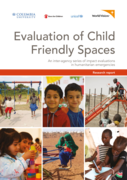
Child friendly spaces (CFS) have become a widely
used approach to protect and provide psychosocial
support to children in emergencies. However,
...
Child protection in emergencies
The prevention of and response to
abuse, neglect, exploitation and violence
against children
...
front cover © Jonathan Hyams/Save the Children

front cover © Hannah Maule-Ffinch/Save the Children

A toolkit designed to support with developing effective community engagement strategies for different emergencies with specific tools for natural hazards, conflicts, disease outbreaks, epidemics, and complex
...
Community Engagement During Public Health Emergencies Like COVID-19: An Action Framework and Toolkit
This handbook offers a simple framework of action for actors in local government, and in particular, health leaders such as Civil Surgeons (CSs) and Upazila Health and Family Planning Officers (UHFP
...
The INEE Minimum Standards Handbook is the only global tool that articulates the minimum level of educational quality and access in emergencies through to recovery. The Minimum Standards express a c
...

This is the first version of the INEE technical guideline to support education during the Covid-19 pandemic. It is a living document that will be regularly updated to meet the learning and well-being needs of children, adolescents, youth, teachers,
...
The INEE Minimum Standards Handbook is the only global tool that articulates the minimum level of educational quality and access in emergencies through to recovery. The Minimum Standards express a c
...
The INEE Minimum Standards Handbook is the only global tool that articulates the minimum level of educational quality and access in emergencies through to recovery. The Minimum Standards express a c
...
Globally, some 72 million children are out of school due to emergencies and
protracted crises. Of these, at least 17% are children with disabiliti
...
New research exposes how women and children are disproportionally affected by climate migration, which puts them at greater risk of gender-based violence, child labour and exploitation.
Governments must ensure the safety and protection of women a
...
Women, the elderly, adolescents, youth, and children,
persons with disabilities, indigenous populations, refugees,
migrants, and minorities experience the highest degree
of socio-economic marginalization. Marginalized people
become even more vul
...

There is widespread recognition of the growing threat of infectious disease epidemics and pandemics spreading across countries or continents—especially following the recent Ebola and COVID-19 pandemics. Vulnerable groups (including children, olde
...
EVALUATION OF UNICEF PROGRAMMES TO PROTECT CHILDREN IN EMERGENCIES: Synthesis Report

Sexual abuse perpetrated against children is one of the most significant crises of our time. Child sexual abuse is a significant risk factor for children,
...
Snakebites are well-known medical emergencies in many parts of the world, especially in rural areas. Agricultural workers and
...
“All sectors of humanitarian response are critical to providing an adequate and holistic response for children who have survived different types of violence, exploitation, abuse and neglect. Following the immediate humanitarian response, all human
...
