Filter
2510
Text search:
NGO
Featured
211
981
Language
2366
69
42
34
25
22
9
9
7
6
5
4
4
3
2
2
2
2
2
2
2
2
1
1
1
1
1
1
1
1
1
1
1
1
1
1
1
1
1
1
1
1
1
Document type
1726
300
179
126
76
35
31
22
8
3
2
1
Countries
142
94
93
90
90
84
76
71
65
58
58
55
47
46
43
40
38
35
34
33
32
27
27
26
25
23
21
20
19
17
17
16
15
15
14
13
13
13
12
12
11
11
10
9
9
9
8
8
8
8
7
7
7
6
6
6
6
5
5
5
5
4
4
4
4
4
3
3
3
3
3
3
3
3
3
2
2
2
2
2
2
2
2
2
2
2
2
2
2
2
1
1
1
1
1
1
1
1
1
1
1
1
1
1
1
1
1
1
1
1
1
1
1
1
1
1
1
1
1
1
1
1
Authors & Publishers
148
72
57
56
47
38
31
27
25
20
20
20
19
18
18
16
16
15
15
14
14
14
14
13
13
12
12
10
10
10
9
9
9
9
9
9
9
8
8
8
8
8
8
8
8
7
7
7
7
7
7
7
6
6
6
6
6
6
6
6
6
6
6
5
5
5
5
5
5
5
5
5
5
5
5
5
5
5
5
5
5
5
5
4
4
4
4
4
4
4
4
4
4
4
4
4
4
4
4
4
4
4
4
4
4
4
4
4
4
4
4
4
4
4
4
4
4
4
3
3
3
3
3
3
3
3
3
3
3
3
3
3
3
3
3
3
3
3
3
3
3
3
3
3
3
3
3
3
3
3
3
3
3
3
3
3
3
3
3
3
3
3
3
3
3
3
3
3
3
3
3
3
3
3
2
2
2
2
2
2
2
2
2
2
2
2
2
2
2
2
2
2
2
2
2
2
2
2
2
2
2
2
2
2
2
2
2
2
2
2
2
2
2
2
2
2
2
2
2
2
2
2
2
2
2
2
2
2
2
2
2
2
2
2
2
2
2
2
2
2
2
2
2
2
2
2
2
2
2
2
2
2
2
2
2
2
2
2
2
2
2
2
2
2
2
2
2
2
2
2
2
2
2
2
2
2
2
2
2
2
2
2
2
2
2
2
2
2
2
2
2
2
2
2
2
2
2
2
2
2
2
2
2
2
2
2
2
2
2
2
2
2
2
2
2
2
2
2
2
2
2
2
2
2
2
2
2
2
2
2
2
2
2
2
2
2
2
2
2
2
2
2
2
2
2
2
2
2
2
2
2
2
2
2
1
1
1
1
1
1
1
1
1
1
1
1
1
1
1
1
1
1
1
1
1
1
1
1
1
1
1
1
1
1
1
1
1
1
1
1
1
1
1
1
1
1
1
1
1
1
1
1
1
1
1
1
1
1
1
1
1
1
1
1
1
1
1
1
1
1
1
1
1
1
1
1
1
1
1
1
1
1
1
1
1
1
1
1
1
1
1
1
1
1
1
1
1
1
1
1
1
1
1
1
1
1
1
1
1
1
1
1
1
1
1
1
1
1
1
1
1
1
1
1
1
1
1
1
1
1
1
1
1
1
1
1
1
1
1
1
1
1
1
1
1
1
1
1
1
1
1
1
1
1
1
1
1
1
1
1
1
1
1
1
1
1
1
1
1
1
1
1
1
1
1
1
1
1
1
1
1
1
1
1
1
1
1
1
1
1
1
1
1
1
1
1
1
1
1
1
1
1
1
1
1
1
1
1
1
1
1
1
1
1
1
1
1
1
1
1
1
1
1
1
1
1
1
1
1
1
1
1
1
1
1
1
1
1
1
1
1
1
1
1
1
1
1
1
1
1
1
1
1
1
1
1
1
1
1
1
1
1
1
1
1
1
1
1
1
1
1
1
1
1
1
1
1
1
1
1
1
1
1
1
1
1
1
1
1
1
1
1
1
1
1
1
1
1
1
1
1
1
1
1
1
1
1
1
1
1
1
1
1
1
1
1
1
1
1
1
1
1
1
1
1
1
1
1
1
1
1
1
1
1
1
1
1
1
1
1
1
1
1
1
1
1
1
1
1
1
1
1
1
1
1
1
1
1
1
1
1
1
1
1
1
1
1
1
1
1
1
1
1
1
1
1
1
1
1
1
1
1
1
1
1
1
1
1
1
1
1
1
1
1
1
1
1
1
1
1
1
1
1
1
1
1
1
1
1
1
1
1
1
1
1
1
1
1
1
1
1
1
1
1
1
1
1
1
1
1
1
1
1
1
1
1
1
1
1
1
1
1
1
1
1
1
1
1
1
1
1
1
1
1
1
1
1
1
1
1
1
1
1
1
1
1
1
1
1
1
1
1
1
1
1
1
1
1
1
1
1
1
1
1
1
1
1
1
1
1
1
1
1
1
1
1
1
1
1
1
1
1
1
1
1
1
1
1
1
1
1
1
1
1
1
1
1
1
1
1
1
1
1
1
1
1
1
1
1
1
1
1
1
1
1
1
1
1
1
1
1
1
1
1
1
1
1
1
1
1
1
1
1
1
1
1
1
1
1
1
1
1
1
1
1
1
1
1
1
1
1
1
1
1
1
1
1
1
1
1
1
1
1
1
1
1
1
1
1
1
1
1
1
1
1
1
1
1
1
1
1
1
1
1
1
1
1
1
1
1
1
1
1
1
1
1
1
1
1
1
1
1
1
1
1
1
1
1
1
1
1
1
1
1
1
1
1
1
1
1
1
1
1
1
1
1
1
1
1
1
1
1
1
1
1
1
1
1
1
1
1
1
1
1
1
1
1
1
1
1
1
1
1
1
1
1
1
1
1
1
1
1
1
1
1
1
1
1
1
1
1
1
1
1
1
1
1
1
1
1
1
1
1
1
1
1
1
1
1
1
1
1
1
1
1
1
1
1
1
1
1
1
1
1
1
1
1
1
1
1
1
1
1
1
1
1
1
1
1
1
1
1
1
1
1
1
1
1
1
1
1
1
1
1
1
1
1
1
1
1
1
1
1
1
1
1
1
1
1
1
1
1
1
1
1
1
1
1
1
1
1
1
1
1
1
1
1
1
1
1
1
1
1
1
1
1
1
1
1
1
1
1
1
1
1
1
1
1
1
1
1
1
1
1
1
1
1
1
1
1
1
1
1
1
1
1
1
1
1
1
1
1
1
1
1
1
1
1
1
1
1
1
1
1
1
1
1
1
1
1
1
1
1
1
1
1
1
1
1
1
1
1
1
1
1
1
1
1
1
1
1
1
1
1
1
1
1
1
1
1
1
1
1
1
1
1
1
1
1
1
1
1
1
1
1
1
1
1
1
1
1
1
1
1
1
1
1
1
1
1
1
1
1
1
1
1
1
1
1
1
1
1
1
1
1
1
1
1
1
1
1
1
1
1
1
1
1
1
1
1
1
1
1
1
1
1
1
1
1
1
1
1
1
1
1
1
1
1
1
1
1
1
1
1
1
1
1
1
1
1
1
1
1
1
1
1
1
1
1
1
1
1
1
1
1
1
1
1
1
1
1
1
1
1
1
1
1
1
1
1
1
1
1
1
1
1
1
1
1
1
1
1
1
1
1
1
1
1
1
1
1
1
1
1
1
1
1
1
1
1
1
1
1
1
1
1
1
1
1
1
1
1
1
1
1
1
1
1
1
1
1
1
1
1
1
1
1
1
1
1
1
1
1
1
1
1
1
1
1
1
1
1
1
1
1
1
1
1
1
1
1
1
1
1
1
1
1
1
1
1
1
1
1
1
1
1
1
1
1
1
1
1
1
1
1
1
1
1
1
1
1
1
1
1
1
1
1
1
1
1
1
1
1
1
1
1
1
1
1
1
1
1
1
1
1
1
1
1
1
1
1
1
1
1
1
1
1
1
1
1
1
1
1
1
1
1
1
1
1
1
1
1
1
1
1
1
1
1
1
1
1
1
1
1
1
1
1
1
1
1
1
1
1
1
1
1
1
1
1
1
1
1
1
1
1
1
1
1
1
1
1
1
1
1
1
1
1
1
1
1
1
1
1
1
1
1
1
1
1
1
1
1
1
1
1
1
1
1
1
1
1
1
1
1
1
1
1
1
1
1
1
1
1
1
1
1
1
1
1
1
1
1
1
1
1
1
1
1
1
1
1
1
1
1
1
1
1
1
1
1
1
1
1
1
1
1
1
1
1
1
1
1
1
1
1
1
1
1
1
1
1
1
1
1
1
1
1
1
1
1
1
1
1
1
1
1
1
1
1
1
1
1
1
1
1
1
1
1
1
1
1
1
1
1
1
1
1
1
1
1
1
1
1
1
1
1
1
1
1
1
1
1
1
1
1
1
1
1
1
1
1
1
1
1
1
1
1
1
1
1
1
1
1
1
1
1
1
1
1
1
1
1
1
1
1
1
1
1
1
1
1
1
1
1
1
1
1
1
1
1
1
1
1
1
1
1
1
1
1
1
1
1
1
1
1
1
1
1
1
1
1
1
1
1
1
1
1
1
1
1
1
1
1
1
1
1
1
1
1
1
1
1
1
1
1
1
1
1
1
1
1
1
1
1
1
1
1
1
1
1
1
1
1
1
1
1
1
1
1
1
1
1
1
1
1
1
1
1
1
1
1
1
1
1
1
1
1
1
1
1
1
1
1
1
1
1
1
1
1
1
1
1
1
1
1
1
1
1
1
1
1
1
1
1
1
1
1
1
1
1
1
1
1
1
1
1
1
1
1
1
1
1
1
1
1
1
1
1
1
1
1
1
1
1
1
1
1
1
1
1
1
1
1
1
1
1
1
1
1
1
1
1
1
1
1
1
1
1
1
1
1
1
1
1
1
1
1
1
1
1
1
1
1
1
1
1
1
1
1
1
1
1
1
1
1
1
1
1
1
1
1
1
1
1
1
1
1
1
1
1
1
1
1
1
1
1
1
1
1
1
1
1
1
1
1
1
1
1
1
1
1
1
1
1
1
1
1
1
1
1
1
1
1
1
1
1
1
1
1
1
1
1
1
1
1
1
1
1
1
1
1
1
1
1
1
1
1
1
1
1
1
1
1
1
1
1
1
1
1
1
1
1
1
1
1
1
1
1
1
1
1
1
1
1
1
1
1
1
1
1
1
1
1
1
1
1
1
1
1
1
1
1
1
1
1
1
1
1
1
1
1
1
1
1
1
1
1
1
1
1
1
1
1
1
1
1
1
1
1
1
1
1
1
1
1
1
1
1
1
1
1
1
1
1
1
1
1
1
1
1
1
1
1
1
1
1
1
1
1
1
1
1
1
1
1
1
1
1
1
1
1
1
1
1
1
1
1
1
1
1
1
1
1
1
1
1
1
1
1
1
1
1
1
1
1
1
1
1
1
1
1
1
1
1
1
1
1
1
1
1
1
1
1
1
1
1
1
1
1
1
1
1
1
1
1
1
1
1
1
1
1
1
1
1
1
1
1
1
1
1
1
1
1
1
1
1
1
1
1
1
1
1
1
1
1
1
1
1
1
1
1
1
1
1
1
1
1
1
1
1
1
1
1
1
1
1
1
1
1
1
1
1
1
1
1
1
1
1
1
1
1
1
1
1
1
1
1
1
1
1
1
1
1
1
1
1
1
1
1
1
1
1
1
1
1
1
1
1
1
1
1
1
1
1
1
1
1
1
1
1
1
1
1
1
1
1
1
1
1
1
1
1
1
1
1
1
1
1
1
1
1
1
1
1
1
1
1
1
1
1
1
1
1
1
1
1
1
1
1
1
1
1
1
1
1
1
1
1
1
1
1
1
1
1
1
1
1
1
1
1
1
1
Publication Years
434
1780
288
8
Category
1207
282
126
90
75
45
4
3
Toolboxes
186
150
146
106
104
85
71
68
62
46
45
38
37
37
34
24
23
17
12
12
11
11
9
9
4
4
2
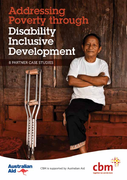
This booklet shows what disability inclusive development for poverty alleviation looks like in a range of settings and with different challenges through eight case studies of projects funded by CBM Australia through the Australian Government NGO Coo
...
peration Program (ANCP).
more
Over 3500 teachers and school psychologists has joined in a month an online course "I understand" on psychological and emotional support that is aimed at helping teachers to stabilize their emotional state in times of war and constant stress and providing practical tools to support schoolchildren an
...
d their parents. Course is launched by NGO “Osvitoria” in partnership with the Ministry of Education and Science of Ukraine and supported by UNICEF Ukraine.
more
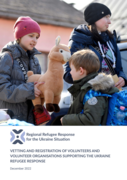
This document provides guidance to host States on the vetting and registration of volunteers and volunteer organisations. It also provides guidance to UN, NGO and other civil society actors on how they can support and complement State efforts throug
...
h operational activities.
more
This document provides guidance to host States on the vetting and registration of volunteers and volunteer organisations.
It also provides guidance to UN, NGO and other civil society actors on how they can support and complement State ef-forts thro
...
ugh operational activities.
more
One of the 16 Pledge commitments asked CEOs to “[r]ecognize the immediate and long-term effects sexual abuse, exploitation, and harassment have on [NGO] staff and the people [they] serve, and [to] … ensure [their] organizations have robust polic
...
ies and funded mechanisms to provide the necessary support.”
However, there has been no standard to date in the provision of sexual exploitation, abuse, and harassment (SEAH) survivor support across organizations. In practice, this means that a survivor may receive a different level and standard of care depending on which organization employed the perpetrator. Additionally, the lack of clear standards has resulted in confusion among humanitarian and development organizations regarding an organization’s responsibility to a survivor of SEAH.
more
This PrEP Implementation SOP will serve as a more detailed guide for NCHADS, partners and providers at FHC, NGO clinics and medically supervised CBO DICs
RCCE Readiness Kit aims to help non governmental organizations (NGOs) strengthen their disease outbreak preparedness to respond quickly and effectively to emerging epidemics and pandemics. While the kit is suitable for any NGO that responds to publi
...
c health emergencies, most of the content and tools include special considerations for humanitarian actors working in complex settings. The RCCE Readiness Kit guides users through outbreak preparedness and response phases and readiness actions to help them better prepare and plan to use RCCE in an outbreak response. Recommended actions link to practical tools that support their implementation.
more
Final Evaluation
The project objectives were to promote the conservation, sustainable use and cultivation of endangered medicinal plants in Zimbabwe, by demonstrating effective models at the local level, and developing a legal framework for the conservation, sustainable use, and equitable shari ... ng of benefits from medicinal plants at the national level. After one year of implementation, the project rationale, indicators and targets were reviewed in order to make them more rigorous as per the new GEF focus on project impact. New indicators and targets were developed in December 2004. The project is composed of five closely linked output areas that have been allocated to different implementing partners to take a lead in. These include the National Herbarium and Botanical Gardens (Output 1), the University of Zimbabwe School of Pharmacy (Output 2), the Southern Alliance for Indigenous Resources (SAFIRE), a regional NGO (Output 2 and 4), and the Attorney General‟s Office (Output 5). more
The project objectives were to promote the conservation, sustainable use and cultivation of endangered medicinal plants in Zimbabwe, by demonstrating effective models at the local level, and developing a legal framework for the conservation, sustainable use, and equitable shari ... ng of benefits from medicinal plants at the national level. After one year of implementation, the project rationale, indicators and targets were reviewed in order to make them more rigorous as per the new GEF focus on project impact. New indicators and targets were developed in December 2004. The project is composed of five closely linked output areas that have been allocated to different implementing partners to take a lead in. These include the National Herbarium and Botanical Gardens (Output 1), the University of Zimbabwe School of Pharmacy (Output 2), the Southern Alliance for Indigenous Resources (SAFIRE), a regional NGO (Output 2 and 4), and the Attorney General‟s Office (Output 5). more
This field guide is a practical tool for improving and maintaining drinking-water safety. It is designed to be used by YOU as a rural community member who shares responsibility for operation and management of the drinking-water supply in your community. It can also be used by YOU as a staff member o
...
f the local health or water supply office, local government authority, nongovernmental organization (NGO) or other community-based organization that supports drinking-water safety in rural communities. Ensuring the safety of the community water supply is a daily job, and community members and other stakeholders have to work jointly to achieve this goal.
more
more
Introduction : de nos jours, face à la pénurie grandissante de
personnel de santé qualifié et face au défi de l’atteinte des
Objectifs du Millénaire pour le Développement, la participation
communautaire est devenue une réalité incontournable. Dans
la zone sanitaire Avrankou Adjarra Ak
...
pro-Missérété (3A) du
département de l’Ouémé, les relais sont appuyés par l’UNICEF
et l’ONG Africare. L’objectif de notre travail a été d’étudier
la qualité de l’apport des relais dans la mise en oeuvre de la
PCIME-Communautaire.
2014/2 Vol. 26 | pages 241 à 24 SFSP Santé Publique
Introduction: With the growing shortage of qualified healthcare
professionals and the challenge of achieving the Millennium
Development Goals, community participation has become an
essential reality. In the Avrankou Adjarra Akpro-Missérété (3A)
health zone of the Ouémé department, community volunteers are
supported by UNICEF and the NGO Africare. The objective of this
study was to assess the quality of the contribution of community
volunteers to implementation of community-based integrated
management of childhood illness (IMCI).
SFSP Santé Publique » 2014/2 Vol. 26 | pages 241 à 248
more
The GLOBAL HEALTH EDUCATION TOOLBOX of MEDOBX offers access to a collection of practical resources and high quality documents to support knowledge and practical skills within Global Health. This Toolbox was designed to support Global Health theory and practice, providing hands-on resources for stude
...
nts, trainers and NGO-practicioners for free.
The GLOBAL HEALTH EDUCATION TOOLBOX provides:
Key resources for Global Health Education; Introduction & advanced education material; Practical resources for Global Health practicioners; Information on going abroad ; Multilingual materials
more
On 30thJanuary 2020 the World Health Organization (WHO) declared the outbreak of coronavirus disease 2019 (COVID-19) in the People’s Republic of China to be a Public Health Emergency of International Concern (PHEIC) under the international Health Regulations. The following day, the Italian Governm
...
ent declared a state of emergency, stopping all flights to and from Chinese airports. 1.2On 7th April the foreign, interior, transport and health ministers signed a decree under theInternational Convention on Maritime Search and Rescue stating that Italian ports could no longer be classified as places of safety for foreign naval units, including NGO-run migrantrescue ships, operating outside the Italian Search and Rescue (SAR) area. Despite the national lockdown and the closure of ports to international rescue vessels in the Mediterranean Sea, small ships departing from Libya and Tunisia have continued to sail towards the Italian coastline. According to the United Nations High Commissioner for Refugees (UNHCR), during the period 1stJanuary –12thApril, 2020 there were an estimated 3,229 sea arrivals in Italy
more
Little is known about foreign aid provided by private donors. This paper contributes to closing this research gap by comparing the allocation of private humanitarian aid to that of official humanitarian aid awarded to 140 recipient countries over the 2000-2016 period. We construct a new database tha
...
t offers information on the country in which the headquarters of private donors are located to test whether private donors follow the aid allocation pattern of their home country. Our empirical results confirm that private aid “follows the flag.” This finding is robust against the inclusion of various fixed effects, estimating instrumental variables models, and disaggregating private aid into corporate aid and NGO aid. Donor country-specific estimations reveal that private aid from China, Sweden, the United Kingdom, and the United States “follow the flag.”
more
The paper presents interview data from Malawian government representatives, trade unionists, employers and people with disabilities from the country's largest cities Lilongwe and Blantyre. Findings relate to the gap between the discourse of employers and government officials and that of workers with
...
disabilities. Firstly, we find a policy-based assumption of a formalised workforce that is not representative of the predominantly informal disabled workforce. Secondly, the disruptive, intermittent and often reactive nature of non-governmental organisation (NGO) interventions can limit long-term inclusivity agendas and undermine the work of disabled activists in Malawi. Lastly, we present findings on the stigmatised nature of disability in these urban centres. We find that stigma is economic: Urban workers with disabilities are discriminated against locally by employers, landlords and banks on assumptions they will not produce or earn enough to meet productivity demands, rent or repayment costs.
more
These online courses are based on the 2023 WHO Guidance for national strategic planning (NSP) and Guide for conducting programme reviews and are aligned with the Global health sector strategies on HIV, viral hepatitis, and STIs 2022–2030. These are designed to support countries in developing their
...
strategic plans by the provision of guidance and tools as well as WHO technical staff to participate in the planning process.
There is no fee nor admission criteria to take these online courses. Anybody can access the modules; however, the target audience are institutional and associative stakeholders from a variety of roles, such as national public service, donors, activists, NGO workers, volunteers that address HIV, hepatitis and STIs healthcare service provision.
more
In 1989, the Republic of Benin was facing a great social and
economical crisis. Civil servants of all the sectors in public
administration were on strike. People did not know where to
go for their health care. Salaries were not paid for more than
six months and life for the general population wa
...
s very dificult.
The country was about to degenerate into civil war as a
result of the civil unrest in the country.
Thanks to the assistance from the French, and Canadian
and American Mennonite missionaries, the Bethesda Health
Centre was started in 1990 with US$ 1,000 granted by theses
partners. Today, the Health Centre of Bethesda has expanded
and has become a large Hospital in Cotonou. It hosts each
year about 100,000 patients and has developed the department
of paediatrics, ophthalmology, stomatology, cardiology,
obstetrical gynaecology, X-rays, etc. The Hospital has also
put in place an AIDS service which has been promoted by the
government to the status of an AIDS Treatment Centre.
In an integrated vision, Bethesda has established other departments.
In 1993, the Sanitation department was established
to implement sanitation and environmentally-friendly
projects aimed at reducing the high incidence of some diseases
frequently treated at the hospital. In 1996, the decision
was made to establish a micro-inance department called
PEBCo. This initiative, which currently has 10,000 clients,
uses community savings to promote income-generating activities.
Since many women were obliged to use the loans for
family needs (health care, children schooling, etc.), they were
unable to reimburse them as planned. Hence the Bethesda
non-government organization (NGO) recently began an initiative
to provide a community-based health insurance option
for the population in 2006. There are now 12,000 members.
This paper focuses on the presentation of Benin and the program,
but also describes how the project could be better improved
and what were its beneits and impacts.
Field Actions Science Reports
The journal of field actions
Vol. 4 | 2010
Vol. 4
more
Des efforts considérables ont été menés pour apporter aux
populations rurales du continent africain des soins de base. Mais
la qualité de ces soins reste aujourd’hui peu satisfaisante car le
médecin généraliste est le plus souvent absent en première
ligne. Cette situation est paradoxa
...
le en regard du nombre de
médecins formés dans les facultés en Afrique francophone et à
Madagascar. Le déficit en médecin généraliste, exerçant dans les
zones rurales, reste particulièrement préoccupant alors que
les jeunes médecins sans emploi se multiplient dans les villes.
L’ONG Santé Sud, depuis plus de vingt ans, propose un concept
– la médecine générale communautaire – qui, associé à un dispositif
d’accompagnement, a permis l’installation de plus de deux
cents médecins généralistes communautaires au Mali et à
Madagascar. Ce concept a pour intérêt d’associer, dans une même
pratique, la médecine de famille et les Soins de Santé Primaires.
S.F.S.P. | « Santé Publique »
2014/HS S1 | pages 59 à 65
Considerable effort has been made to provide rural African
populations with basic health care, but the quality of this care
remains unsatisfactory due to the absence of first-line GPs. This is
a paradoxical situation in view of the large number of physicians
trained in medical schools in French-speaking Africa and
Madagascar. of the lack of GPs working in rural areas is a real
concern, as many young doctors remain unemployed in cities.
For more than 20 years, the NGO Santé Sud has proposed a
Community General Medicine concept, which, combined with
a support system, has allowed the installation of more than
200 community GPs in Mali and Madagascar. The advantage of
this concept is that it provides family medicine and primary health
care in the same practice.
S.F.S.P. | « Santé Publique »
2014/HS S1 | pages 59 à 65
more
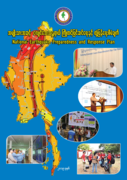
National Earthquake Preparedness and Response Plan. Myanmar Version
Government of Myanmar
European Union Civil Protection and Humanitarian Aid Operations (ECHO) and developed by the United Nations Development Programme (UNDP)
(2019)
CC