
Filter
4016
Text search:
impacts
Featured
299
878
Language
3672
327
129
93
85
51
45
20
8
7
5
5
5
4
4
3
3
3
3
3
3
3
2
2
2
2
2
2
2
2
1
1
1
1
1
1
1
1
1
1
1
1
1
1
1
1
1
Document type
1560
1202
443
266
224
124
76
51
25
14
10
9
5
3
Countries
291
110
103
77
73
72
66
65
65
64
62
61
57
54
50
48
48
44
42
41
40
40
38
37
35
34
31
29
28
28
26
25
25
25
25
24
23
23
22
22
20
20
20
20
18
17
16
15
15
14
14
14
13
12
12
12
12
12
11
10
10
10
9
9
9
9
8
8
8
8
7
6
6
6
6
6
6
5
5
5
5
5
5
4
4
4
4
4
4
4
4
4
3
3
3
3
3
3
3
3
3
2
2
2
2
2
2
2
2
2
2
2
2
2
2
2
1
1
1
1
1
1
1
1
1
1
1
1
1
1
1
1
1
1
1
1
1
1
1
1
1
1
1
1
1
1
1
Authors & Publishers
483
138
127
100
81
80
78
41
39
38
30
26
25
24
23
22
21
20
20
19
18
18
18
18
17
16
16
15
15
15
14
14
13
13
13
13
12
12
11
11
11
11
11
11
10
10
10
10
10
10
10
9
9
9
9
9
9
8
8
8
8
8
8
8
8
8
8
8
8
8
8
8
8
8
8
8
8
7
7
7
7
7
7
7
7
7
7
6
6
6
6
6
6
6
6
6
6
6
6
6
6
6
5
5
5
5
5
5
5
5
5
5
5
5
5
5
5
5
5
5
4
4
4
4
4
4
4
4
4
4
4
4
4
4
4
4
4
4
4
4
4
4
4
4
4
4
4
4
4
4
4
4
4
4
4
4
4
4
4
4
4
4
4
4
4
4
4
4
4
4
3
3
3
3
3
3
3
3
3
3
3
3
3
3
3
3
3
3
3
3
3
3
3
3
3
3
3
3
3
3
3
3
3
3
3
3
3
3
3
3
3
3
3
3
3
3
3
3
3
3
3
3
3
3
3
3
3
3
3
3
3
3
3
3
3
3
3
3
3
3
3
3
3
3
3
3
3
3
3
3
3
3
3
3
3
2
2
2
2
2
2
2
2
2
2
2
2
2
2
2
2
2
2
2
2
2
2
2
2
2
2
2
2
2
2
2
2
2
2
2
2
2
2
2
2
2
2
2
2
2
2
2
2
2
2
2
2
2
2
2
2
2
2
2
2
2
2
2
2
2
2
2
2
2
2
2
2
2
2
2
2
2
2
2
2
2
2
2
2
2
2
2
2
2
2
2
2
2
2
2
2
2
2
2
2
2
2
2
2
2
2
2
2
2
2
2
2
2
2
2
2
2
2
2
2
2
2
2
2
2
2
2
2
2
2
2
2
2
2
2
2
2
2
2
2
2
2
2
2
2
2
2
2
2
2
2
2
2
2
2
2
2
2
2
2
2
2
2
2
2
2
2
2
2
2
2
2
2
2
2
2
2
2
2
2
2
2
2
2
2
2
2
2
2
2
2
2
2
2
2
2
2
2
2
2
2
2
2
2
2
2
2
2
1
1
1
1
1
1
1
1
1
1
1
1
1
1
1
1
1
1
1
1
1
1
1
1
1
1
1
1
1
1
1
1
1
1
1
1
1
1
1
1
1
1
1
1
1
1
1
1
1
1
1
1
1
1
1
1
1
1
1
1
1
1
1
1
1
1
1
1
1
1
1
1
1
1
1
1
1
1
1
1
1
1
1
1
1
1
1
1
1
1
1
1
1
1
1
1
1
1
1
1
1
1
1
1
1
1
1
1
1
1
1
1
1
1
1
1
1
1
1
1
1
1
1
1
1
1
1
1
1
1
1
1
1
1
1
1
1
1
1
1
1
1
1
1
1
1
1
1
1
1
1
1
1
1
1
1
1
1
1
1
1
1
1
1
1
1
1
1
1
1
1
1
1
1
1
1
1
1
1
1
1
1
1
1
1
1
1
1
1
1
1
1
1
1
1
1
1
1
1
1
1
1
1
1
1
1
1
1
1
1
1
1
1
1
1
1
1
1
1
1
1
1
1
1
1
1
1
1
1
1
1
1
1
1
1
1
1
1
1
1
1
1
1
1
1
1
1
1
1
1
1
1
1
1
1
1
1
1
1
1
1
1
1
1
1
1
1
1
1
1
1
1
1
1
1
1
1
1
1
1
1
1
1
1
1
1
1
1
1
1
1
1
1
1
1
1
1
1
1
1
1
1
1
1
1
1
1
1
1
1
1
1
1
1
1
1
1
1
1
1
1
1
1
1
1
1
1
1
1
1
1
1
1
1
1
1
1
1
1
1
1
1
1
1
1
1
1
1
1
1
1
1
1
1
1
1
1
1
1
1
1
1
1
1
1
1
1
1
1
1
1
1
1
1
1
1
1
1
1
1
1
1
1
1
1
1
1
1
1
1
1
1
1
1
1
1
1
1
1
1
1
1
1
1
1
1
1
1
1
1
1
1
1
1
1
1
1
1
1
1
1
1
1
1
1
1
1
1
1
1
1
1
1
1
1
1
1
1
1
1
1
1
1
1
1
1
1
1
1
1
1
1
1
1
1
1
1
1
1
1
1
1
1
1
1
1
1
1
1
1
1
1
1
1
1
1
1
1
1
1
1
1
1
1
1
1
1
1
1
1
1
1
1
1
1
1
1
1
1
1
1
1
1
1
1
1
1
1
1
1
1
1
1
1
1
1
1
1
1
1
1
1
1
1
1
1
1
1
1
1
1
1
1
1
1
1
1
1
1
1
1
1
1
1
1
1
1
1
1
1
1
1
1
1
1
1
1
1
1
1
1
1
1
1
1
1
1
1
1
1
1
1
1
1
1
1
1
1
1
1
1
1
1
1
1
1
1
1
1
1
1
1
1
1
1
1
1
1
1
1
1
1
1
1
1
1
1
1
1
1
1
1
1
1
1
1
1
1
1
1
1
1
1
1
1
1
1
1
1
1
1
1
1
1
1
1
1
1
1
1
1
1
1
1
1
1
1
1
1
1
1
1
1
1
1
1
1
1
1
1
1
1
1
1
1
1
1
1
1
1
1
1
1
1
1
1
1
1
1
1
1
1
1
1
1
1
1
1
1
1
1
1
1
1
1
1
1
1
1
1
1
1
1
1
1
1
1
1
1
1
1
1
1
1
1
1
1
1
1
1
1
1
1
1
1
1
1
1
1
1
1
1
1
1
1
1
1
1
1
1
1
1
1
1
1
1
1
1
1
1
1
1
1
1
1
1
1
1
1
1
1
1
1
1
1
1
1
1
1
1
1
1
1
1
1
1
1
1
1
1
1
1
1
1
1
1
1
1
1
1
1
1
1
1
1
1
1
1
1
1
1
1
1
1
1
1
1
1
1
1
1
1
1
1
1
1
1
1
1
1
1
1
1
1
1
1
1
1
1
1
1
1
1
1
1
1
1
1
1
1
1
1
1
1
1
1
1
1
1
1
1
1
1
1
1
1
1
1
1
1
1
1
1
1
1
1
1
1
1
1
1
1
1
1
1
1
1
1
1
1
1
1
1
1
1
1
1
1
1
1
1
1
1
1
1
1
1
1
1
1
1
1
1
1
1
1
1
1
1
1
1
1
1
1
1
1
1
1
1
1
1
1
1
1
1
1
1
1
1
1
1
1
1
1
1
1
1
1
1
1
1
1
1
1
1
1
1
1
1
1
1
1
1
1
1
1
1
1
1
1
1
1
1
1
1
1
1
1
1
1
1
1
1
1
1
1
1
1
1
1
1
1
1
1
1
1
1
1
1
1
1
1
1
1
1
1
1
1
1
1
1
1
1
1
1
1
1
1
1
1
1
1
1
1
1
1
1
1
1
1
1
1
1
1
1
1
1
1
1
1
1
1
1
1
1
1
1
1
1
1
1
1
1
1
1
1
1
1
1
1
1
1
1
1
1
1
1
1
1
1
1
1
1
1
1
1
1
1
1
1
1
1
1
1
1
1
1
1
1
1
1
1
1
1
1
1
1
1
1
1
1
1
1
1
1
1
1
1
1
1
1
1
1
1
1
1
1
1
1
1
1
1
1
1
1
1
1
1
1
1
1
1
1
1
1
1
1
1
1
1
1
1
1
1
1
1
1
1
1
1
1
1
1
1
1
1
1
1
1
1
1
1
1
1
1
1
1
1
1
1
1
1
1
1
1
1
1
1
1
1
1
1
1
1
1
1
1
1
1
1
1
1
1
1
1
1
1
1
1
1
1
1
1
1
1
1
1
1
1
1
1
1
1
1
1
1
1
1
1
1
1
1
1
1
1
1
1
1
1
1
1
1
1
1
1
1
1
1
1
1
1
1
1
1
1
1
1
1
1
1
1
1
1
1
1
1
1
1
1
1
1
1
1
1
1
1
1
1
1
1
1
1
1
1
1
1
1
1
1
1
1
1
1
1
1
1
1
1
1
1
1
1
1
1
1
1
1
1
1
1
1
1
1
1
1
1
1
1
1
1
1
1
1
1
1
1
1
1
1
1
1
1
1
1
1
1
1
1
1
1
1
1
1
1
1
1
1
1
1
1
1
1
1
1
1
1
1
1
1
1
1
1
1
1
1
1
1
1
1
1
1
1
1
1
1
1
1
1
1
1
1
1
1
1
1
1
1
1
1
1
1
1
1
1
1
1
1
1
1
1
1
1
1
1
1
1
1
1
1
1
1
1
1
1
1
1
1
1
1
1
1
1
1
1
1
1
1
1
1
1
1
1
1
1
1
1
1
1
1
1
1
1
1
1
1
1
1
1
1
1
1
1
1
1
1
1
1
1
1
1
1
1
1
1
1
1
1
1
1
1
1
1
1
1
1
1
1
1
1
1
1
1
1
1
1
1
1
1
1
1
1
1
1
1
1
1
1
1
1
1
1
1
1
1
1
1
1
1
1
1
1
1
1
1
1
1
1
1
1
1
1
1
1
1
1
1
1
1
1
1
1
1
1
1
1
1
1
1
1
1
1
1
1
1
1
1
1
1
1
1
1
1
1
1
1
1
1
1
1
1
1
1
1
1
1
1
1
1
1
1
1
1
1
1
1
1
1
1
1
1
1
1
1
1
1
1
1
1
1
1
1
1
1
1
1
1
1
1
1
1
1
1
1
1
1
1
1
1
1
1
1
1
1
1
1
1
1
1
1
1
1
1
1
1
1
1
1
1
1
1
1
1
1
1
1
1
1
1
1
1
1
1
1
1
1
1
1
1
1
1
1
1
1
1
1
1
1
1
1
1
1
1
1
1
1
1
1
1
1
1
1
1
1
1
1
1
1
1
1
1
1
1
1
1
1
1
1
1
1
1
1
1
1
1
1
1
1
1
1
1
1
1
1
1
1
1
1
1
1
1
1
1
1
1
1
1
1
1
1
1
1
1
1
1
1
1
1
1
1
1
1
1
1
1
1
1
1
1
1
1
1
1
1
1
1
1
1
1
1
1
1
1
1
1
1
1
1
1
1
1
1
1
1
1
1
1
1
1
1
1
1
1
1
1
1
1
1
1
1
1
1
1
1
1
1
1
1
1
1
1
1
1
1
1
1
1
1
1
1
1
1
1
1
1
1
1
1
1
1
1
1
1
1
1
1
1
1
1
1
1
1
1
1
1
1
1
1
1
1
1
1
1
1
1
1
1
1
1
1
1
1
1
1
1
1
1
1
1
1
1
1
1
1
1
1
1
1
1
1
1
1
1
1
1
1
1
1
1
1
1
1
1
1
1
1
1
1
1
1
1
1
1
1
1
1
1
1
1
1
1
1
1
1
1
1
1
1
1
1
1
1
1
1
1
1
1
1
1
1
1
1
1
1
1
1
1
1
1
1
1
1
1
1
1
1
1
1
1
1
1
1
1
1
1
1
1
1
1
1
1
1
1
1
1
1
1
1
1
1
1
1
1
1
1
1
1
1
1
1
1
1
1
1
1
1
1
1
1
1
1
1
1
1
1
1
1
1
1
1
1
1
1
1
1
1
1
1
1
1
1
1
1
1
1
1
1
1
1
1
1
1
1
1
1
1
1
1
1
1
1
1
1
1
1
1
1
1
1
1
1
1
1
1
1
1
1
1
1
1
1
1
1
1
1
1
1
1
1
1
1
1
1
1
1
1
1
1
1
1
1
1
1
1
1
1
1
1
1
1
1
1
1
1
1
1
1
1
1
1
1
1
1
1
1
1
1
1
1
1
1
1
1
1
1
1
1
1
1
1
1
1
1
1
1
1
1
1
1
1
1
1
1
1
1
1
1
1
1
1
1
1
1
1
1
1
1
1
1
1
1
1
1
1
1
1
1
1
1
1
1
1
1
1
1
1
1
1
1
1
1
1
1
1
1
1
1
1
1
1
1
1
1
1
1
1
1
1
1
1
1
1
1
1
1
1
1
1
1
1
1
1
1
1
1
1
1
1
1
1
1
1
1
1
1
1
1
1
1
1
1
1
1
1
1
1
1
1
1
1
1
1
1
1
1
1
1
1
1
1
1
1
1
1
1
1
1
1
1
1
1
1
1
1
1
1
1
1
1
1
1
1
1
1
1
1
1
1
1
1
1
1
1
1
1
1
1
1
1
1
1
1
1
1
1
1
1
1
1
1
1
1
1
1
1
1
1
1
1
1
1
1
1
1
1
1
1
1
1
1
1
1
1
1
1
1
1
1
1
1
1
1
1
1
1
1
1
1
1
1
1
1
1
1
1
1
1
1
1
1
1
1
1
1
1
1
1
1
1
1
1
1
1
1
1
1
1
1
1
1
1
1
1
1
1
1
1
1
1
1
1
1
1
1
1
1
1
1
1
1
1
1
1
1
1
1
1
1
1
1
1
1
1
1
1
1
1
1
1
1
1
1
1
1
1
1
1
1
1
1
1
1
1
1
1
1
1
1
1
1
1
1
1
1
1
1
1
1
1
1
1
1
1
1
1
1
1
1
1
1
1
1
1
1
1
1
1
1
1
1
1
1
1
1
1
1
1
1
1
1
1
1
1
1
1
1
1
1
1
1
1
1
1
1
1
1
1
1
1
1
1
1
1
1
1
1
1
1
1
1
1
1
1
1
1
1
1
1
1
1
1
1
1
1
1
1
1
1
1
1
1
1
1
1
1
1
1
1
1
1
1
1
1
1
1
1
1
1
1
1
1
1
1
1
1
1
1
1
1
1
1
1
1
1
1
1
1
1
1
1
1
1
1
1
1
1
1
1
1
1
1
1
1
1
1
1
1
1
1
1
1
1
1
1
1
1
1
1
1
1
1
1
1
1
1
1
1
1
1
1
1
1
1
1
1
1
1
1
1
1
1
1
1
1
1
1
1
1
1
1
1
1
1
1
1
1
1
1
1
1
1
1
1
1
1
1
1
1
1
1
1
1
1
1
1
1
1
1
1
1
1
1
1
1
1
1
1
1
1
1
1
1
1
1
1
1
1
1
1
1
1
1
1
1
1
1
1
1
1
1
1
1
1
1
1
1
1
1
1
1
1
1
1
1
1
1
1
1
1
1
1
1
1
1
1
1
1
1
1
1
1
1
1
1
1
1
1
1
1
1
1
1
1
1
1
1
1
1
1
1
1
1
1
1
1
1
1
1
1
1
1
1
1
1
1
1
1
1
1
1
1
1
1
1
1
1
1
1
1
1
1
1
1
1
1
1
1
1
1
1
1
1
1
1
1
1
1
1
1
1
1
1
1
1
1
1
1
1
1
1
1
1
1
1
1
1
1
1
1
1
1
1
1
1
1
1
1
1
1
1
1
1
1
1
1
1
1
1
1
1
1
1
1
1
1
1
1
1
1
1
1
1
1
1
1
1
1
1
1
1
1
1
1
1
1
1
1
1
1
Publication Years
1
1818
1996
196
5
Category
1355
382
225
168
105
61
10
1
Toolboxes
535
508
324
165
156
138
122
112
106
103
100
96
89
86
83
80
76
46
43
39
31
19
17
12
7
4
2

In contrast to bilateral aid, aid disbursed from
multilateral institutions increased significantly at the onset
of the COVID-19 pandemic. Yet, at a time when a coherent
and effective multilateral response is needed most, the
COVID-19 pandemic revealed a shifting landscape of donor
agencies that
...
struggle with basic functions, such as crossnational coordination. While multilaterals are uniquely
positioned to transcend national priorities and respond
to pandemics, functionally we find official development
assistance (ODA) from these entities may increasingly
mimic the attributes of bilateral aid. We explore three
important, but not comprehensive, attributes of aid leading
up to and during the COVID-19 pandemic: (1) earmarking,
(2) donor concentration and (3) aid modality.
more

Development Finance at a Turning Point: Effects and Policy Recommendations
Berensmann K., Laudage Teles S., Sommer C., et al.
German Institute of Development and Sustainability (IDOS)
(2023)
CC
Development finance is at a turning point, as the macroeconomic environment has changed profoundly and the financing gap for low- and middle-income countries has widened. The events that led to this new situation are the multiple crises that the global economy is facing, such as the climate crisis,
...
the COVID-19 crisis and the war in Ukraine. As a
result, interest rates have risen sharply over the past year and are not expected to decline anytime soon. High interest rates further restrict low- and middle-income countries’ access to international financial markets by making borrowing more expensive. At the same time, debt
levels in several countries are rising to levels that are almost impossible to repay. Poorer countries find themselves in a trap where financing the Sustainable Development Goals (SDGs) becomes a distant goal for them.
more

Africa’s health sector is facing an unprecedented financing crisis, driven by a sharp decline of 70% in Official Development Assistance (ODA) from 2021 to 2025 and deep-rooted structural vulnerabilities. This collapse is placing immense pressure on Africa’s already fragile health systems as ODA
...
is seen as the backbone of critical health programs: pandemic preparedness, maternal and child health services, disease control programs are all at
risk, threatening Sustainable Development Goal 3 and Universal Health Coverage. Compounding this is Africa’s spiraling debt, with countries expected to service USD 81 billion by 2025—surpassing anticipated external financing inflows—further eroding fiscal space for health investments. Level of domestic resources is low. TThe Abuja Declaration of 2001, a pivotal commitment made by African Union (AU) member states, aimed to reverse this trend by pledging to allocate at least 15% of national budgets to the health sector. However, more than two decades later, only three countries—Rwanda, Botswana, and Cabo Verde—have
consistently met or exceeded this target (WHO, 2023). In contrast, over 30 AU member states remain well below the 10% benchmark, with some allocating as little as 5–7% of their national budgets to health.
In addition, only 16 (29%) of African countries currently have updated versions of National Health Development Plan (NHDP) supported by a National Health Financing Plan (NHFP). These two documents play a critical role in driving internal resource mobilisation. At the same time, public health emergencies are surging, rising 41%—from 152 in 2022 to
213 in 2024—exposing severe under-resourcing of health infrastructure and workforce. Recurring outbreaks (Mpox, Ebola, cholera, measles, Marburg…) alongside effects of climate change and humanitarian crises in Eastern DRC, the Sahel, and Sudan, are overwhelming systems stretched by chronic underfunding. The situation is worsened by Africa’s heavy dependency with over 90% of vaccines, medicines, and diagnostics being externally sourced—leaving countries vulnerable to global supply chain shocks. Health worker shortages persist, with only 2.3 professionals
per 1,000 people (below the WHO’s recommended 4.45), and fewer than 30% of systems are digitized, undermining disease surveillance and early warning. Without decisive action, Africa CDC projects the continent could reverse two decades of health progress, face 2 to 4 million additional preventable deaths annually, and a heightened risk of a pandemic emerging from within. Furthermore, 39 million more
Africans could be pushed into poverty by 2030 due to intertwined health and economic shocks. This is not just a sectoral crisis—it is an existential threat to Africa’s political, social, and economic resilience, and global stability. In response, African leaders, under Africa CDC’s stewardship, are advancing a comprehensive three-pillar strategy centered on domestic resource mobilization, innovative financing, and blended finance.
more

Development assistance for health (DAH)
plays a vital role in supporting health programmes in lowand middle-income countries. While DAH has historically
focused on infectious diseases and maternal and child
health, there is a lack of comprehensive analysis of DAH
trends, strategic shifts and the
...
ir impact on health systems
and outcomes. This study aims to provide a comprehensive
review of DAH from 1990 to 2022, examining its evolution
and funding allocation shifts.
more

The Council was established in late 2020 by Dr Tedros Adhanom
Ghebreyesus (Director-General, WHO) to provide new economic thinking – reassessing how health and wellbeing are valued, produced and distributed across the economy. An all-female group of 10 distinguished economists and area experts, t
...
he Council has focused on reimagining how to put Health for All at the heart of government decision-making and private sector collaboration at regional, national and international levels.
more

There has never been a more critical moment to invest in WHO, and strengthen the unique role it plays in global health. Now is the time to sustainably finance WHO and invest in a healthy return for all.

In 2019, the Task Force on Fiscal Policy for Health concluded that taxes on tobacco, alcohol, and sugar-sweetened beverages were a highly effective but greatly underused policy tool to reduce consumption, save lives, and raise domestic resources. The Task Force estimated that if all countries increa
...
sed their excise taxes to raise prices by 50 percent, over 50 million premature deaths could be averted worldwide over the next 50 years while
raising over USD 20 trillion of additional revenue. Since the Task Force first convened, the world has faced a “polycrisis,” including a global pandemic, an economic recession, and the outbreak of wars in Europe and the Middle East. Against this backdrop, the world has also experienced prolonged health and fiscal crises. Health systems, weakened by the COVID-19 pandemic, lack sufficient financing to rebuild and respond to the surging noncommunicable diseases epidemic caused by uncontrolled risk factors such as tobacco, alcohol, and sugar consumption. Opportunities to raise domestic resources are limited and debt burdens have squeezed budgets. The period from 2019 to 2027 risks becoming a “lost decade” for health and social policies, with 110 countries facing little prospect of any
ability to raise government revenues beyond current levels. In this paper, we describe the current health and fiscal crises and review the contribution that health taxes could make in turning around this dire situation. We conclude that taxes on tobacco, alcohol, and
sugar-sweetened beverages are an ideal policy solution—good for the budget and good for health. These taxes are relatively quick to implement, and, unlike other taxes, do not put economic growth at risk—a vital benefit in the current era.
more

This Guide is part of WHO’s overall programme of work on Political Economy of Health Financing Reform: Analysis and Strategy to Support UHC. The impetus for this work came from demands for more concrete evidence, recognition and integration of political economy issues within
health financing, and
...
overall system, reform design and implementation processes. This Guide is complementary to WHO’s Health Financing Progress Matrix assessment, as well as Health Financing Strategy development guidance. In this way, it promotes an embedded political
economy analysis approach that can be used in conjunction with other health financing assessments and guidance. The political economy framework can also be extended and easily adapted to broader health policy reforms.
more
The world is facing a sustainable development crisis. The 2024 Financing for Sustainable Development Report: Financing for Development at a Crossroads finds that financing challenges are at the heart of the crisis and imperil the SDGs and climate action. The window to rescue the SDGs and prevent a c
...
limate catastrophe is still open but closing rapidly. Financing gaps for sustainable development are large and growing – the estimates by international organizations and others are coalescing around $4 trillion additional investment needed annually for developing countries. This represents a more than 50% increase over the pre-pandemic estimates. Meanwhile, the finance divide has not been bridged, with developing countries paying around twice as much on average in interest on their total sovereign debt stock as developed countries. Many countries lack access to affordable finance or are in debt distress. Weak enabling environments are preventing progress. Average global growth has declined, while policy and regulatory frameworks still do not set appropriate incentives. Public budgets and spending is not fully aligned with SDGs. Private investors are not incentivised to invest enough in SDGs and climate action. The world is at a crossroads. This is the last chance to correct course if we want to achieve the SDGs by the 2030 deadline. Only an urgent, large-scale and sustainable investment push can help us achieve our global goals. Next year’s Fourth International Conference on Financing for Development in 2025 will be a once in 80-year opportunity to support coherent transformation of financing.
more

The Malaria Ministerial Conference, co-hosted by WHO and the Government of Cameroon on 6 March 2024, brought together more than 400 stakeholders, including Ministers of Health and senior representatives from the African countries hardest hit by malaria, global health leaders, scientists, civil socie
...
ty and other partners. The pivotal meeting sought to leverage political commitment, scientific innovation and community engagement to reshape the trajectory of malaria control in high burden African countries, and beyond.
At the end of the meeting and in the weeks that followed, Ministers of Health from the 11 “High Burden High Impact” African countries (Burkina Faso, Cameroon, Democratic Republic of the Congo, Ghana, Mali, Mozambique, Niger, Nigeria, Sudan, Uganda and United Republic of Tanzania) signed the Yaoundé Declaration, pledging their “unwavering commitment” to the principle that “no one should die from malaria given the tools and systems available.” Success in reducing malaria morbidity and mortality will hinge on efforts by countries to translate this political commitment into actions and resources that will save lives.
more

The guidelines are primarily intended for health-care professionals working in first- or second-level health-care facilities, including emergency, inpatient and outpatient services. They are also directed at policy-makers, health-care planners and programme managers, academic institutions, non-gover
...
nmental and civil society organizations to inform capacity-building, teaching and research agendas.
Web annex A provides the quantitative evidence reports, Web annex B summarizes the qualitative and economic evidence and Web annex C presents the Evidence-to-Decision frameworks.
more

WHO guidelines on meningitis diagnosis, treatment and care. Web Annex C. Evidence-to-Decision frameworks
recommended
The guidelines are primarily intended for health-care professionals working in first- or second-level health-care facilities, including emergency, inpatient and outpatient services. They are also directed at policy-makers, health-care planners and programme managers, academic institutions, non-gover
...
nmental and civil society organizations to inform capacity-building, teaching and research agendas.
Web annex A provides the quantitative evidence reports, Web annex B summarizes the qualitative and economic evidence and Web annex C presents the Evidence-to-Decision frameworks.
more
This question bank is a menu of qualitative questions related to healthcare workers’ knowledge, perceptions and practices during infectious disease outbreaks. The question bank will generate qualitative data on healthcare workers’ subjective understandings of risks, case management, protection a
...
nd wider outbreak operations. These data can be used to inform risk communication and community engagement activities as well as other response pillars. Some of the issues covered in these questions are complex, for example stigma or views on vaccine safety
more

ith a view to support the monitoring and reporting on the denial of humanitarian access against children, the Office of the Special Representative of the Secretary-General for Children and Armed Conflict and UNICEF publish today* a guidance note offering new tools to practitioners to better address
...
this violation of children's rights in conflict situations. The Denial of Humanitarian Access (DHA) is one of six grave violations against children monitored by the United Nations in the framework of its Children and Armed Conflict (CAAC
more

Trop. Med. Infect. Dis. 2022, 7, 152. https://doi.org/10.3390/tropicalmed7080152

The Strategic Malaria Communication Guide for Central America is intended to facilitate the shift from malaria control to elimination by strengthening communication and advocacy initiatives throughout the region. Based on interviews and a review of literature, the guide offers National Malaria Progr
...
ammes (NMPs) recommendations on messaging, target audiences, communication channels and advocacy strategies. The guide's primary goals are to raise awareness of malaria elimination, encourage long-term commitment from decision-makers and mobilise sustainable resources. The guide outlines two strategic objectives: (1) creating a shared understanding of the long-term requirements for malaria elimination, including funding, surveillance and multi-sectoral engagement, and (2) expanding support among public, private and cross-sectoral stakeholders. With malaria cases having already reduced by 88% since 2000, the guide emphasises the importance of maintaining focus and investment in order to fully eliminate the disease and prevent its re-establishment in Central America.
Accessed on 10/06/2025.
more
This chapter of the AMP LLIN Mass Campaign Toolkit outlines the strategic communication approaches that are essential before, during and after long-lasting insecticide-treated net (LLIN) distribution campaigns. It emphasises the importance of setting up a national communications sub-committee under
...
the leadership of the National Malaria Control Programme (NMCP) and the Ministry of Health (MoH) to coordinate advocacy, social mobilisation and behaviour change communication (BCC). The aim of these three components is to secure political and financial support, mobilise communities, and promote sustained net use through tailored, multi-channel messaging. Effective coordination and planning are critical for successful malaria prevention efforts.
more

This document was developed by the Ministry of Health in Malawi in collaboration with national and international partners. It introduces a Social and Behaviour Change (SBC) malaria message guide that is aligned with the National Malaria Communication Strategy (NMCS) for the period 2023–2030. The g
...
uide aims to facilitate effective communication and behavioural change in order to reduce malaria-related morbidity and mortality. It provides a reference framework for messaging and communication tools tailored to target groups, supporting the broader goals of the Health Sector Strategic Plan III. This guide was developed with technical and financial support from key partners, including USAID, PMI through Breakthrough ACTION, and other stakeholders. The guide reflects Malawi’s ongoing commitment to evidence-based SBC interventions, community engagement, and the national fight against malaria.
more
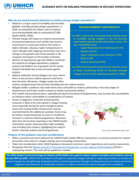
This UNHCR guidance note provides comprehensive recommendations for the prevention and control of malaria in refugee settings worldwide. Aligned with the WHO Global Technical Strategy for Malaria, it outlines strategies to ensure access to effective prevention, diagnosis and treatment, implement sus
...
tainable transmission reduction measures and strengthen surveillance systems. The document is intended as a practical resource for humanitarian actors, public health officials and partners involved in planning and implementing malaria programmes in refugee operations, with the aim of reducing malaria-related morbidity and mortality among vulnerable populations.
more
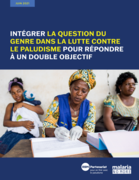
Cette note d'information souligne l'importance d'intégrer une approche sensible au genre dans les efforts de lutte contre le paludisme dans le monde entier. Il montre que la prise en compte des vulnérabilités et des besoins spécifiques à chaque sexe - en particulier ceux des femmes et des enfan
...
ts - peut produire un « double dividende » en améliorant les résultats sanitaires et en faisant progresser l'égalité entre les sexes
more
